

The stereotypical crop duster after World War II was a Stearman PT-13 or PT-17 biplane, fresh out of surplus sales. Or maybe a Naval Aircraft Factory N3N-3 biplane trainer.
More than 8,000 Stearmans were built, along with about 2,000 sets of spare parts, plus almost 1,000 N3Ns, providing large quantities of aircraft that became crop dusters. The front cockpit hosted the agricultural chemicals.
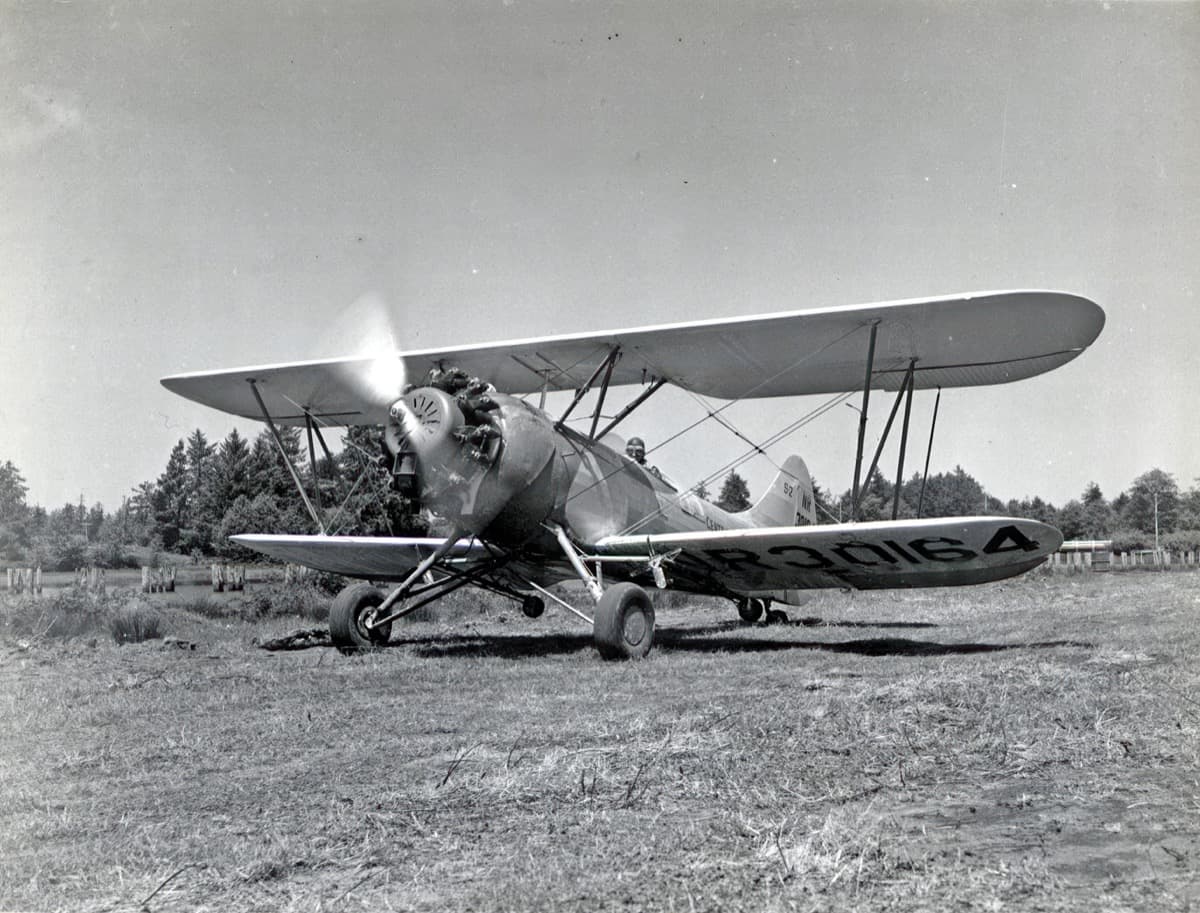
When insect pests threatened Oregon forests as early as 1945, another duster type, the Waco UPF-7, made the scene. If we think of the UPF-7 today as a vintage sport and training biplane dating back to 1937, its use as an agricultural aircraft comes as a surprise to many.
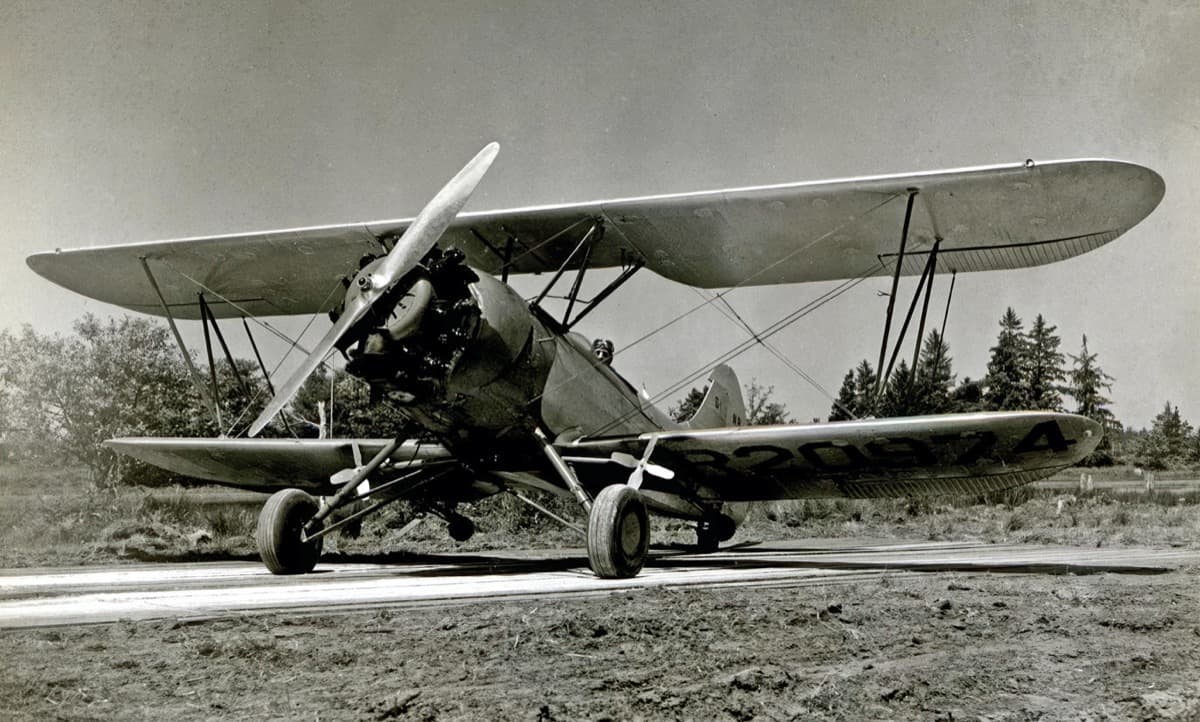
With the production of only about 600 UPF-7s, many of which saw training service during World War II with the Civilian Pilot Training Program, it is estimated well over 100 UPF-7s remain licensed.
The Waco UPF-7 lists a cruising speed of 115 mph, according to statistics in Joseph Juptner’s encyclopedic U.S. Civil Aircraft volumes. Landing speed is 50. Takeoff run is 950 feet to clear a 50-foot obstacle. The UPF-7 was powered by a radial Continental W670K engine of 220 horsepower.
The front cockpit of many UPF-7s could accommodate two passengers side-by-side. Price was $9,500 at the factory in Troy, Ohio.
The UPF-7 went from a pre-war sport aircraft darling to a wartime trainer, and then into post-war duties that could include attacking pests in the forests.
Caterpillars and moths of the hemlock looper were one target for the UPF-7 dusters 80 years ago. Pest control rationale and insecticides have evolved since a lead arsenate mix was carried by the UPF-7s in 1945, a pest-control substance since banned in the U.S.
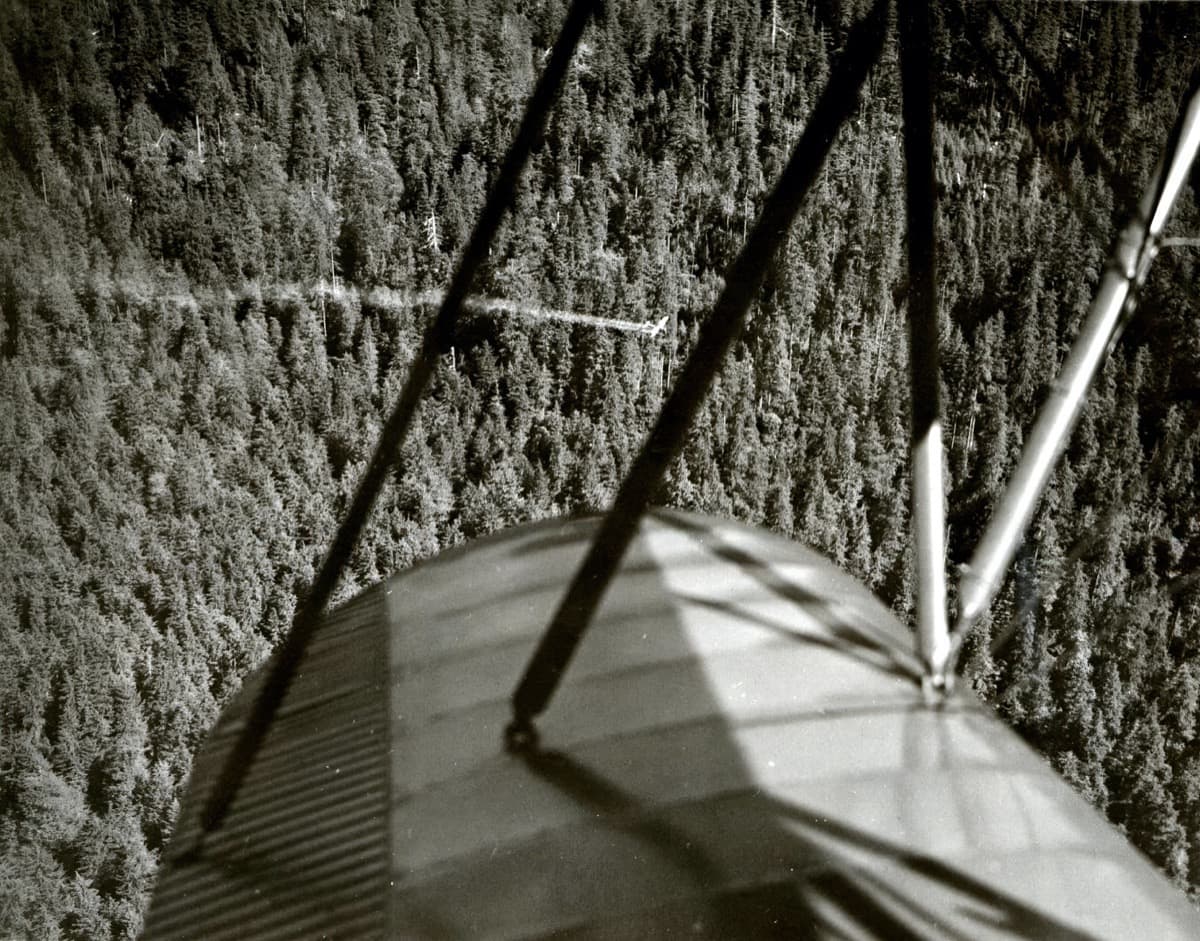
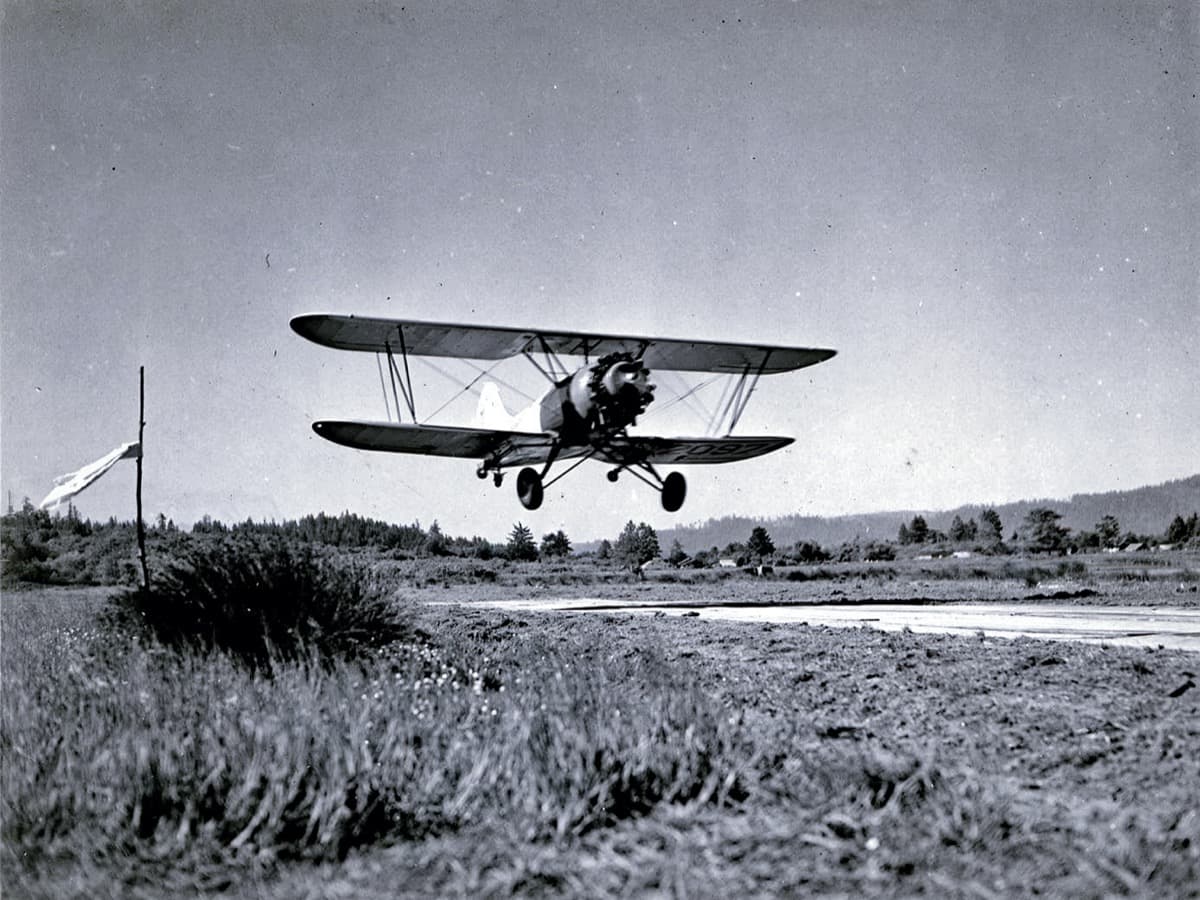
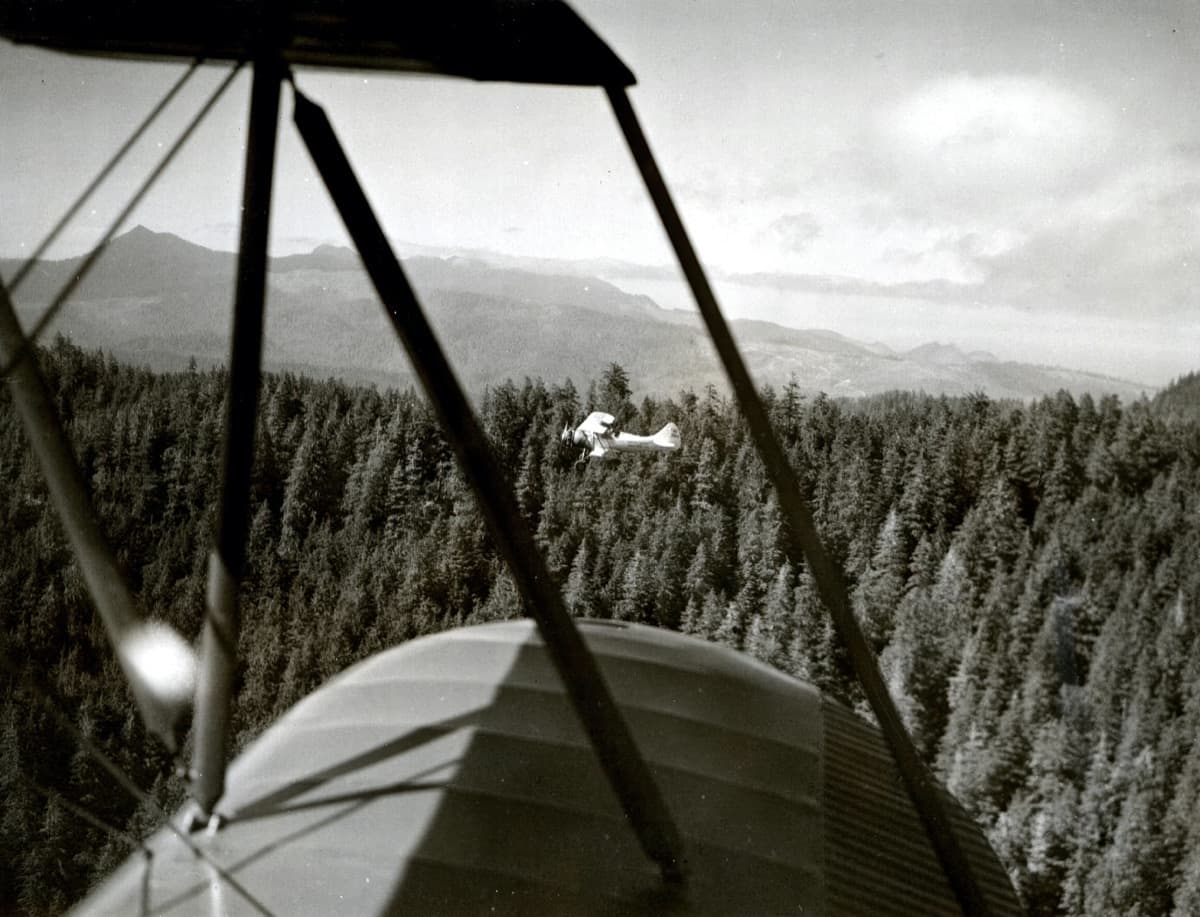
We found these photographs in a collection of images from the U.S. Forest Service. Looking at the faces of people in the pictures, we get the essential lure of aviation, no matter how messy. Flying open-cockpit biplanes low over rugged forests is grueling and dangerous work, and for these men it paid the bills while keeping them in the air.
We can’t speculate whether the ground handlers were ate up with aviation, but they did an essential job loading the hoppers of the Wacos, often under quick-turn, engine-running scenarios.
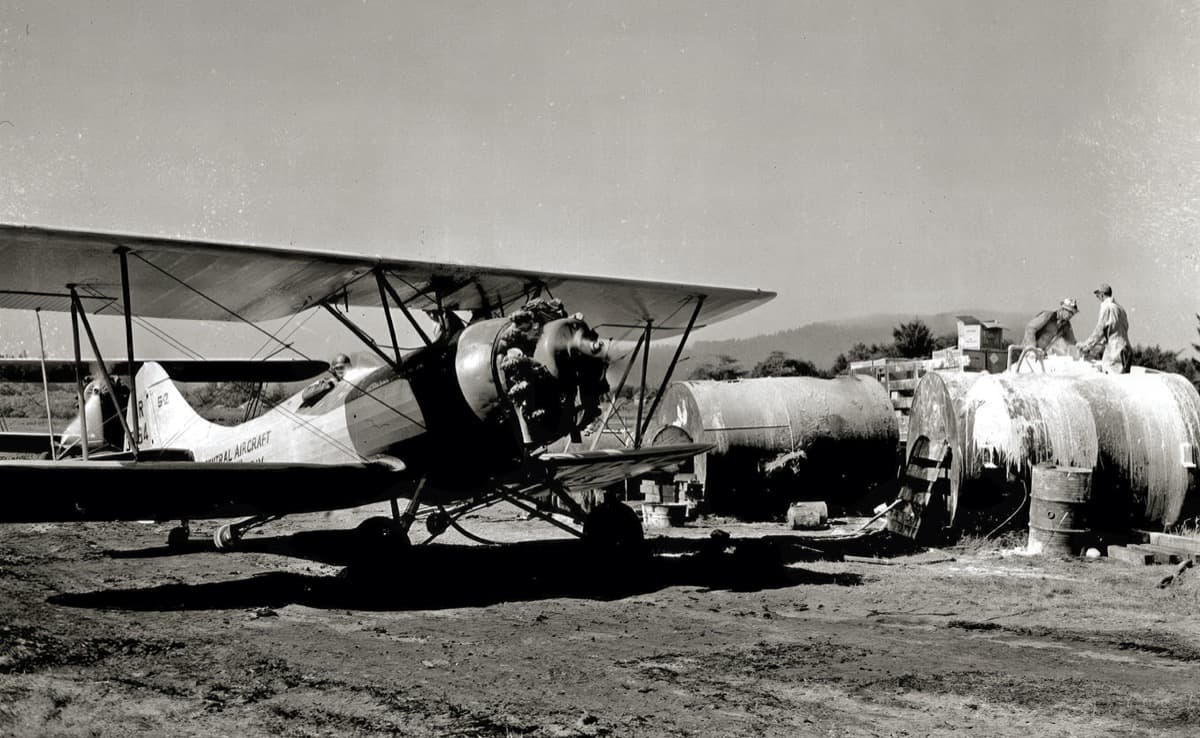
If you’ve ever spent a sunny summer day in Oregon forest country, you will appreciate the vigorous, rugged atmosphere in which these fliers operated.
Some of the UPF-7s are emblazoned with the name Central Aircraft, a pioneering aerial application company from Yakima, Washington, that tackled large-scale pest control projects with aircraft ranging from these Wacos to a big four-engine B-17F Flying Fortress.
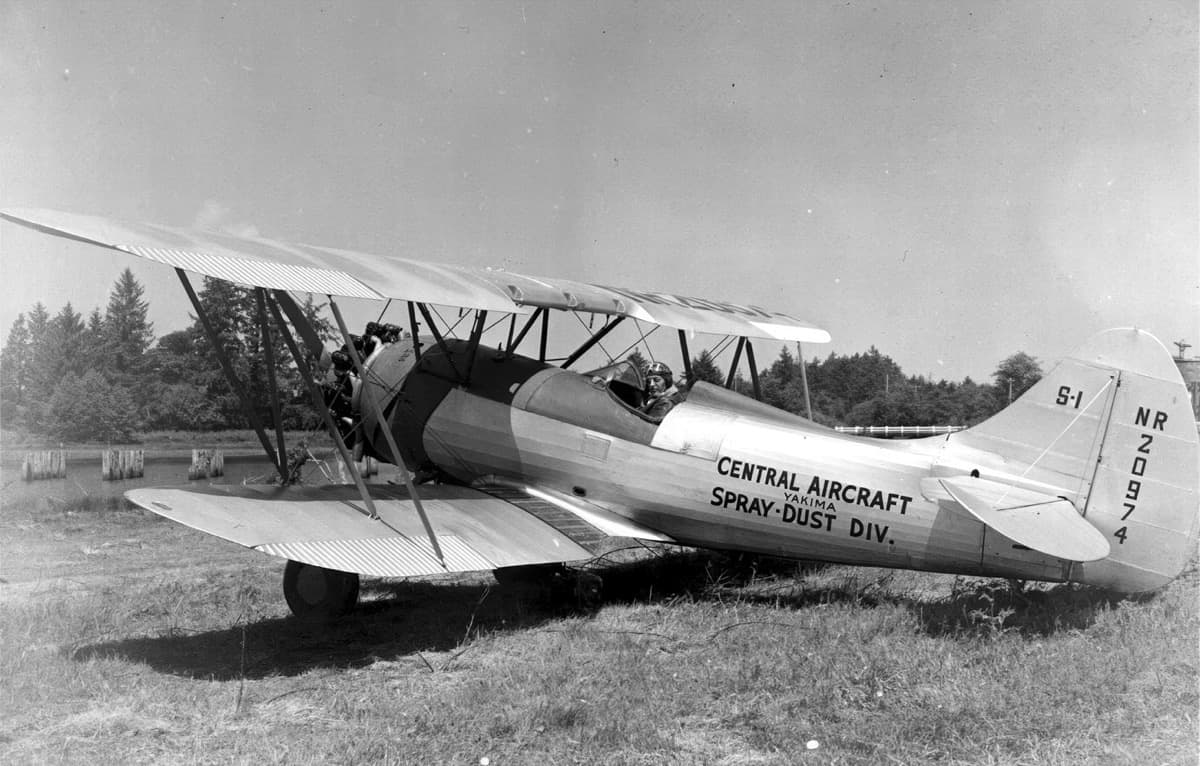
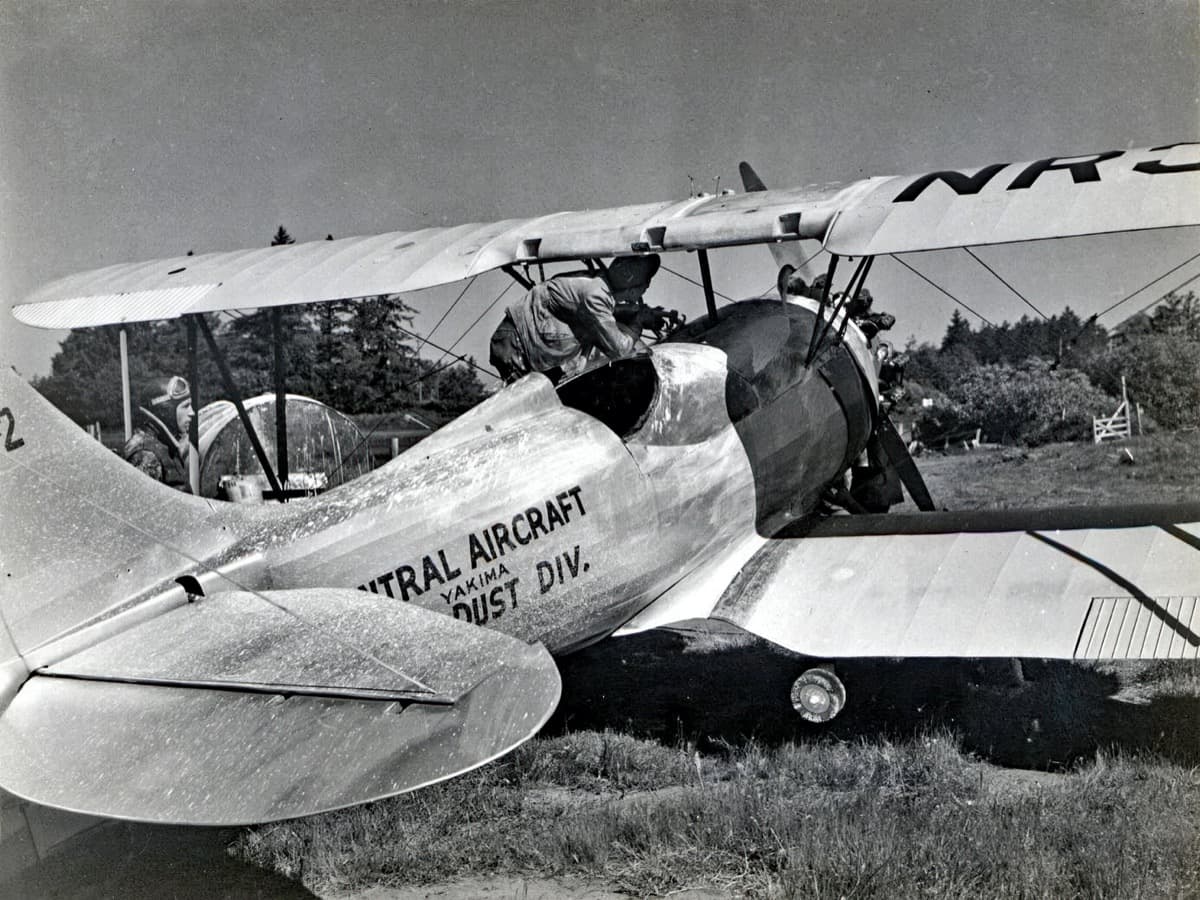
Next time you see a gorgeously restored and polished Waco UPF-7 parked in the sun at Oshkosh, reflect on the possibility that it may have survived beyond World War II as a pesticide-splattered working biplane, earning a living over the forests of the American west.

Lots of vintage aircraft were converted to cropdusting roles. Some of the earliest were old Travel Air upgraded engine. The US Army even tested dusting with Jennie’s.
Post-WWII these old pre- and early war planes were cheap because they were long in the tooth compared to Stearmans and N3N which were well supported parts wise, with NOS surplus. The Antique Airplane crazy had not yet begun so these were simply 15-20 year old planes needing recovering and overhaul. Stearmans were plentiful, ready to be converted, and still relatively inexpensive.
One spot where the UPF-7 was better was they were much lighter than the overbuilt Stearman, yet powered by the same engine. That meant it had potential for greater load carrying. Many other old Waco varients were used as well, not just the UPF-7.
The history of agricultural aviation is fascinating from the early days of dust based delivery to today’s highly technologically advanced computer controlled delivery systems which can provide different delivery rates during each pass. I was privileged enough to grow up on an ag strip which spanned the old biplane conversions to purpose built plane and turbine power engines.
I found this article interesting. It makes me wonder about the financial decision to turn a Waco into a sprayer. Did they cost less? Carry a heavier payload? How many were used to spray chemicals? Thanks Fred for researching & sharing this information.
Bet the pilots and ground crew that survived the job died early and painfully to chemical poisoning.