


There is an old joke that goes like this. “If you want to make a million dollars in aviation, start with two million.” Somehow that’s supposed to be funny. Honestly, I just don’t get the joke.
Then again, Richard Branson, a highly successful entrepreneur whose mail order record business grew into a slew of highly prosperous businesses, reportedly said “If you want to be a millionaire, start with a billion dollars and launch a new airline.”
Richard knows of what he speaks. But is that comment meant to be humorous, serious, instructive, or a warning to investors? The answer may be known only to Richard himself, but I’ve got thoughts on the subject. I’m willing to bet you do too.
Flight is expensive. Even for birds, the caloric cost of flight is incredible. The metabolic demands placed on a bird in flight makes their aerial adventures the most expensive form of movement for any animal with vertebrae. Their in-flight shenanigans can burn up to seven times the energy they need while at rest. And just as in manmade aircraft, flying very slowly or very quickly requires even more energy than flying at a normal cruising speed.
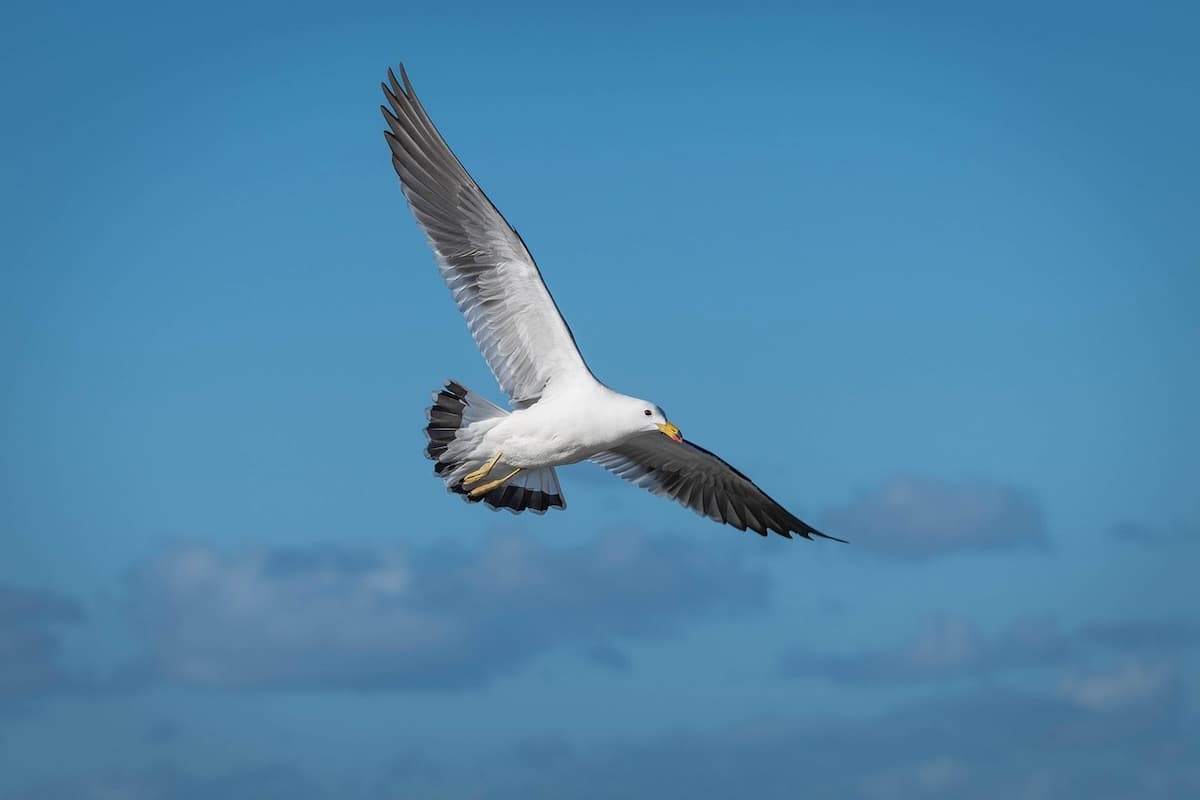
Of course, many birds choose to conserve energy by riding thermals. This leaves muscle sapping flapping to a minimum. The result is a substantial energy savings for a bird in flight, just as the glider accomplishes the same goal for humans. Pay for the tow and ride the thermals and updrafts for as long as you can.

But that’s not really the issue for most of us. The cashflow problem begins at the point of entry. That economic challenge remains throughout our aeronautical adventures.
Flying ain’t cheap. It never was and probably never will be. But that’s not the end of the story.
Technology can bring down the cost through the development of ever-improving equipment. That’s a bonus. Whether GPS units or the much-feared adoption of ADS-B out equipment that was anticipated to cost many thousands of dollars, tech moves on and prices come down.
Experimental aircraft have become the boon of many a personal aviator. By cutting down on the cost of the initial construction, then reducing the cost of maintenance and accessories significantly, the option to build and maintain our own aircraft has become downright attractive. Better yet, the range of options in the experimental market now comes close to what’s being offered by the certified market. Some might even argue experimentals have the upper hand at this point.
But that’s not the big story either. It’s a good one. Competition is always good and just like any other consumer product, that competition has brought about better, more reliable aircraft than ever.
No, the real issue for most of us is that cost of entry problem. If we’re fortunate enough to get around that roadblock, the cost of accessing an aircraft for the long term vexes us for years on end.
I get it. Like so many who ultimately succeed in obtaining a pilot certificate, I struggled for years with limited funds, unproductive flight lessons, less than helpful instructors, and flight schools that were happy to accept my payments while putting little effort into helping me achieve my stated goal. That story is all too common.
Those of us who persevere, however, tend to learn a valuable lesson. Perhaps we notice this lesson consciously, perhaps we don’t. The lesson is there to be learned in any case.
Years ago, I was talking with a gentleman who had recently upgraded from a TBM 850 to a Cessna jet. The TBM was a sweetheart of a traveling machine. The Cessna was truly amazing.
While chatting about his new airplane he said, “You know, when you really look at it the Cessna is very cost effective.” To which I replied, “No, it’s not. You and I are in very different tax brackets.”
It’s worth noting that I liked and respected this gentleman greatly. Still do. He taught me a lot over the years.
The point is, he was right. I was on target as well. For him and his use case the Cessna made economic sense. For me and mine, it did not.
As they say in politics, two things can be true at the same time. That’s certainly the case when it comes to money and aviation.
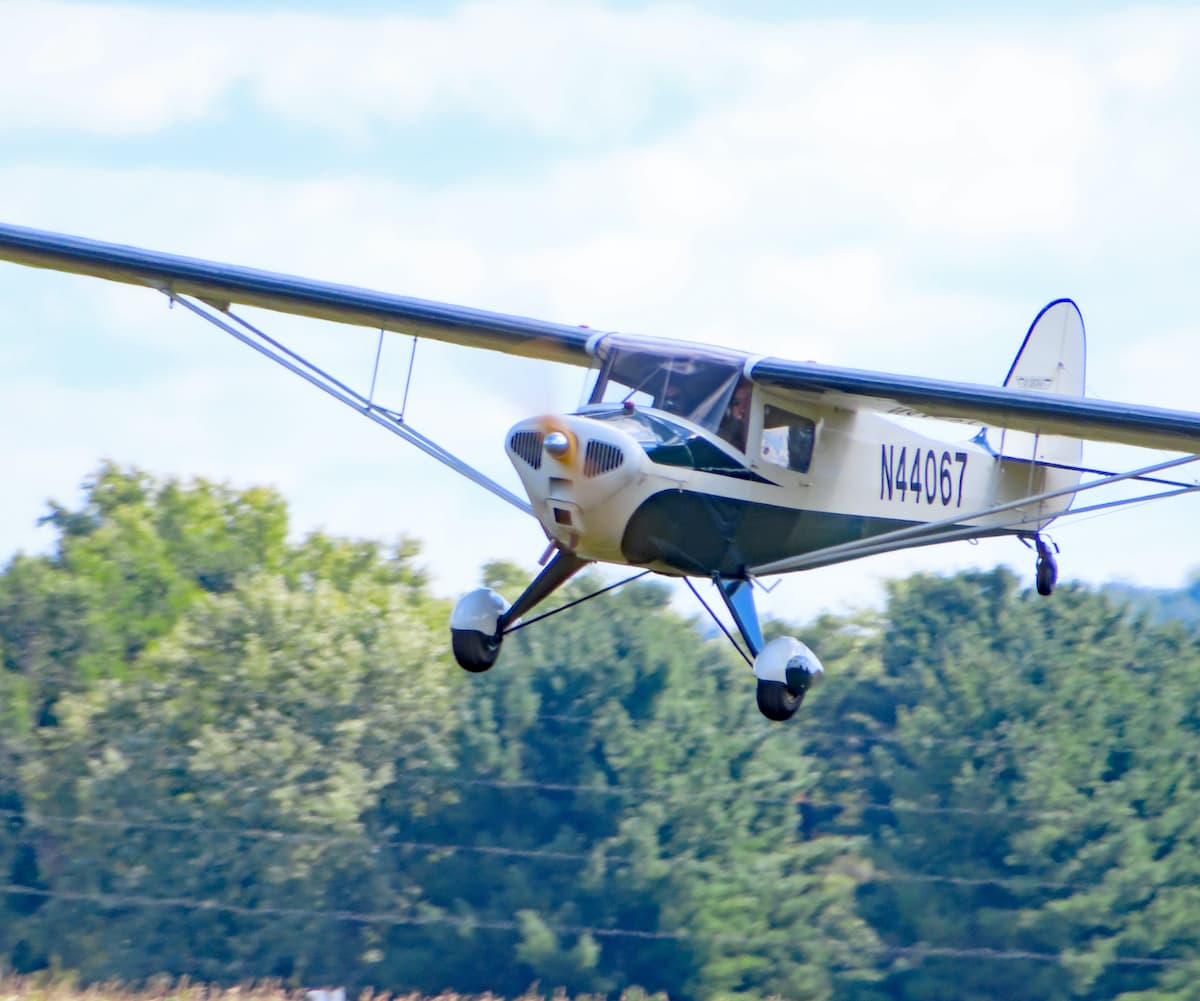
There was a time when I couldn’t imagine how I might come up with the $7,000 a seller was asking for an old, well-used Taylorcraft at the airport where I was instructing. That much discretionary money was virtually unimaginable to me as a young instructor. Who has that kind of cash laying around?
Fortunately, I grew into aviation, an industry heavily populated by successful business owners, sole proprietors, financial advisors, bankers, medical professionals, and real estate tycoons. Many of whom are happy to share their story and provide insights to those who will listen.
The education available to any one of us through our network of aviation contacts is a veritable treasure trove of ideas, opportunities, connections, and warnings. All of which have the potential to raise us up from where we are to where we want to be.
It’s been said we are all a reflection of the company we keep. If we hang out with people who spend every evening in a bar or a restaurant, we become very different people than those who hang out at a gym or a health and wellness center. Should we choose to associate most closely with people who bemoan their place in the world, we’re likely to commiserate to the point of replicating their condition for ourselves.
On the other hand, if we strive to do the difficult things, if we commit ourselves to learning, growing, accomplishing, and remaining open to new opportunities as they present themselves…well, you just might end up being one of those business owners, sole proprietors, financial advisors, bankers, medical professionals, or real estate tycoons you’ve begun spending your time with.
Me? The kid who couldn’t imagine where I might find $7,000 to buy a beat-up old Tcraft? I’ve owned several aircraft over the course of my career. Singles and twins. Tricycle gear and taildraggers. And I’ve loved every one of them.
The airplanes didn’t change. I did. And that’s what made all the difference to my career and my future.
May you be as open to new ideas, opportunities, connections, and warnings as I have been. It just might pay off for you in the long run. Economically and otherwise.

It just shows that there is good and bad in every industry. ……..!
Yes go where the planes and pilots are and hang out and it will happen…..
Flight as a business tool has meant more time at home with my wife and children, and as a recreational outlet has been a significant stress relief valve. Both of these benefits are priceless.
I don’t know where or what kind of flight school you originally went to but I never experienced anything like you described. I learned to fly in 1964 at a great flight school in Morrisville, PA who always treated me with respect and a personal interest in my progress! I went on to fly for TWA for over 34 years and loved every minute of it!
Business wise one has to determine what their time, or appearance, is worth. Is faster worth the cost?
Otherwise it’s what’s your pleasure worth? In either case there’s the ungoing aviation regulation, supply, maintenance related rhetoric. Tough choices of cost vs…..?
You nailed it, Jamie . . . I’ve long given the same advice to people who want to get into aviation: “If you want to fly, hang around people who fly; if you want to fly (for a living, single, multi, turboprop, jet), hang around people who fly those”.
On another subject, note that “muscle sappin’ flappin’” can be sung to the same tune as “pistol packin’ mama”. Dang, that’s just running through my head.
Happy Christmas