

Question for Paul McBride, the General Aviation News engines expert: My Duke’s right engine has started blowing out oil from the breather. Maintenance did a borescope (all looked ok) and compression check (all above 70).
The engines were overhauled in 2019 and have about 400 hours on them. Oil is changed every 30 hours or so with analysis done by Blackstone Labs. All reports have been good. Front crankshaft oil seal was replaced in April 2025.
My mechanic did a crankshaft compression check this morning and commented “the crank case pressure doesn’t seem to be excessive. Although it was weird when I was running it at close to full power you can see where it’s around 75 mph on the air speed indicator and then drops off even though I didn’t touch the RPM. And just for the 10-minute run, it’s all oily on the belly again blasting out of the breather.”
Paul’s Answer
Pete, it looks like you’ve got a situation here that probably was connected with the replacement of the crankshaft nose seal back in April. My first suspicion would be that something has changed in the engine breather system.
I’d be curious to learn what brought your attention to the crankshaft nose seal in April. Is there any possibility that the breather tube was disturbed and/or repositioned somehow during a routine maintenance event that would possibly cause the breather tube to be partially blocked?
Repositioning the breather tube, especially if it’s allowed to extend lower than its proper position, could possibly allow the wind stream to siphon the oil out of the breather tube during flight.
Considering the time of year when this occurred, I don’t suspect ice formed on the breather tube during flight and caused the crankcase pressure to increase and push the nose seal out, causing the leak.
This is why there is a whistle slot cut in the breather tube up from the bottom so if the bottom freezes, the whistle slot allows the engine to breath normally. If, for some reason, the breather tube was moved from its proper location, the possibility of it having a partial restriction could cause what you’re seeing now.
Pete, since you can observe this condition on the ground during a run-up, you might want to consider removing the engine breather at the engine attaching point and then run the engine to see if you notice any difference compared to the initial run.
Pete’s Response To Paul’s Answer
My regular mechanic recommended changing the crankshaft nose seal earlier this year. This was after me noticing oil on the right flaps after a few two-hour flights. I asked the shop to investigate the “oil leak” and they suggested replacement of the seal.
All appeared fine after that for a few months, then the oil started appearing again on the right flaps, but not after every flight. The last month it is after every flight….and the amount of oil loss is increasing.
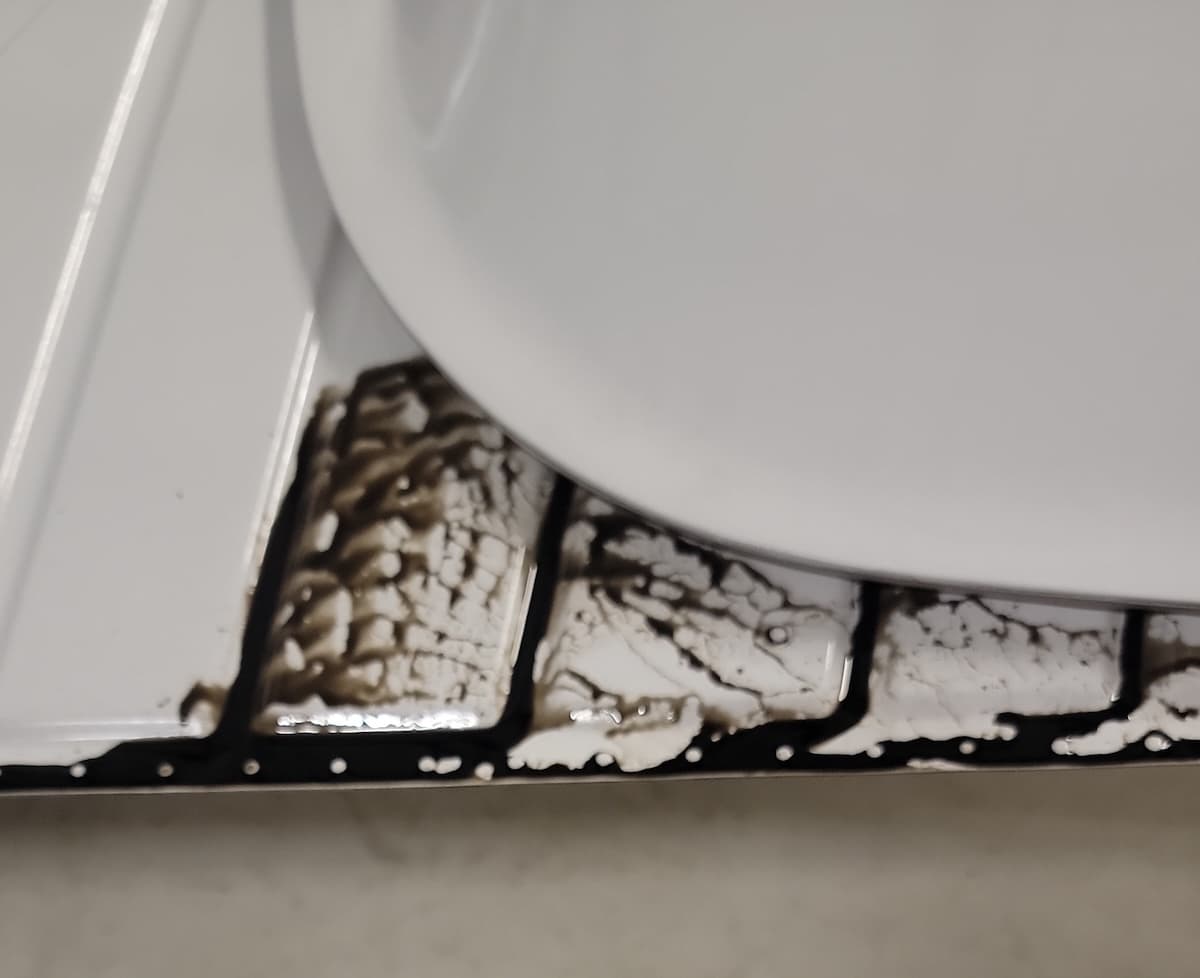
John Pava at Victor Aviation suggested further borescopes yesterday. Attached are a few photos of cylinder #6 (compression 75/80) and #1.
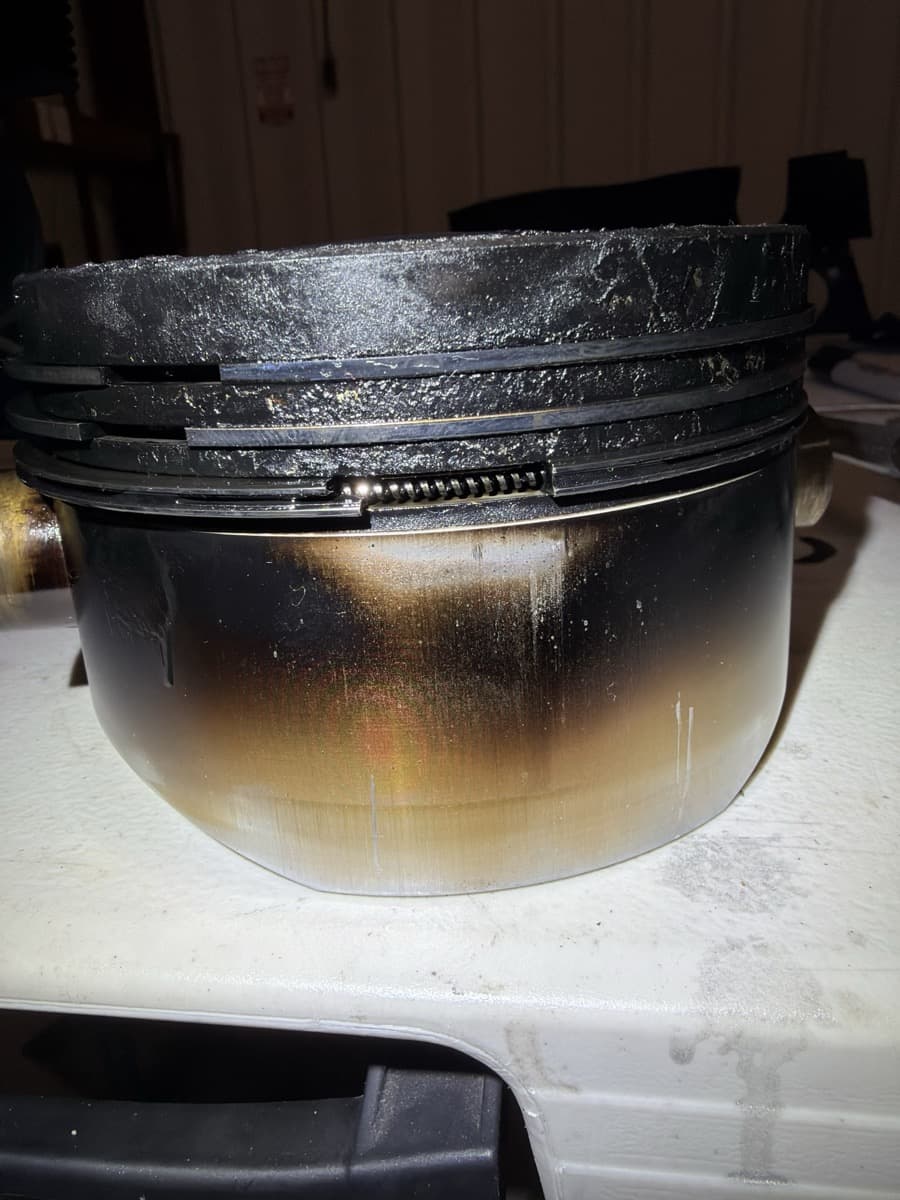
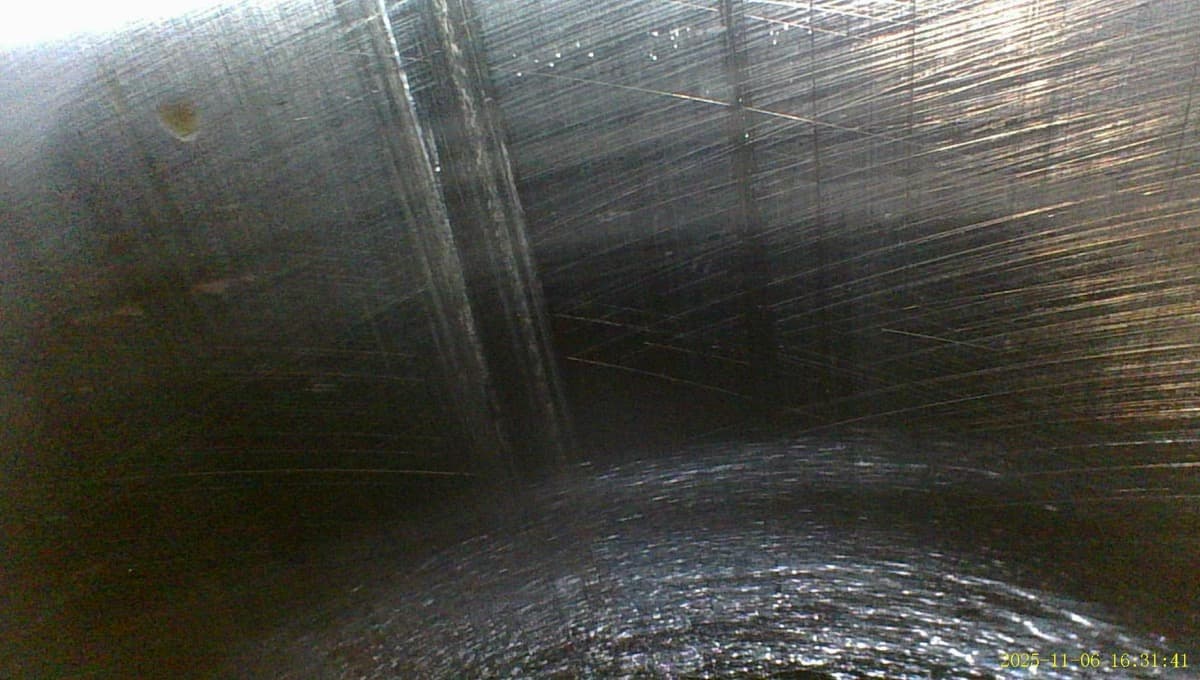
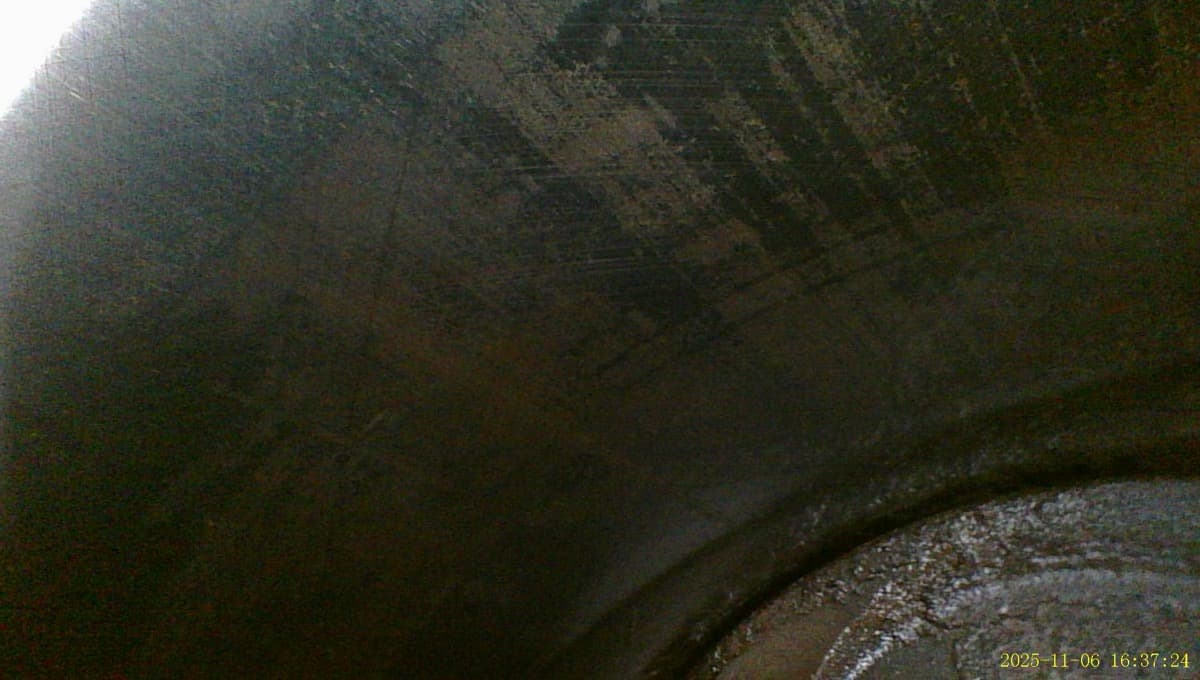
There seems to be no blockage of the breather and no issue with the front seal installation.
Blackstone oil sample reports from the oil change in September 2025 were just received…all good numbers, which have been the results since overhaul.
There are 389 hours on these engines since overhaul by Victor in late 2019.
Pete updates Paul
It looks like two broken oil control rings have been discovered on the right engine. Victor Aviation, which performed the overhaul in 2019, is now involved.
We suspect we may have a few more like this on the left engine. All six cylinders from the right engine are being sent to Victor.
How do oil control rings break or what causes this to happen?
Paul’s Answer
Pete, it looks like you’ve made some progress in finding the cause of the problem on the left engine. Now, the question is what caused this to happen.
My best guess is that it may have been caused by an operational issue. The key word is “may” and it’s only because I recall seeing something similar to these years ago shortly after the Baron and the Duke were introduced to the market.
When broken rings were found on an engine, after doing a lot of research it was discovered that some pilots were unknowingly causing the issue. For example, they would be flying at maybe an altitude of 25,000 feet and decide they wanted to land but found they were approaching the destination faster than they thought. So, to make their approach, they would pull the power all the way back and begin their descent.
The problem with this is that it causes the propeller to drive the engine rather than the engine driving the propeller. The result is the piston rings begin to flutter and eventually break. I’m not saying this is the case in your situation, just mentioning it because of what I have seen in the past.
The cause for them breaking was attributed to the rings fluttering. A result of this was the top ring land clearance on the piston increased to a point that the ring broke.
The key here is “always” make the engine drive the propeller and don’t let the propeller drive the engine.
My only question at this point is what was the piston ring clearance at the time of assembly and was it within tolerance? I’d find it hard to believe they were not, knowing the quality of work done by Victor Aviation.
Pete, I’ll leave you with this. I have known the folks at Victor Aviation for many years and have all the confidence in them and their ability to get to the bottom of your situation.

I had a problem very similar to this in many ways. In the end, the problem turned out to be the muffler. The baffle inside the muffler broke off and lodged at an angle inside the muffler, which caused enough back pressure inside the crankcase that it was blowing an oil mist out of the breather. Even after a 30 minute flight, the belly was covered with oil. It took a new muffler to solve the problem. Now it breathes like a new engine.
That #6 piston looks really ugly, with all the carbon and heat stressed skirt.!
It looks like the engine was running very rich and hot.!?