

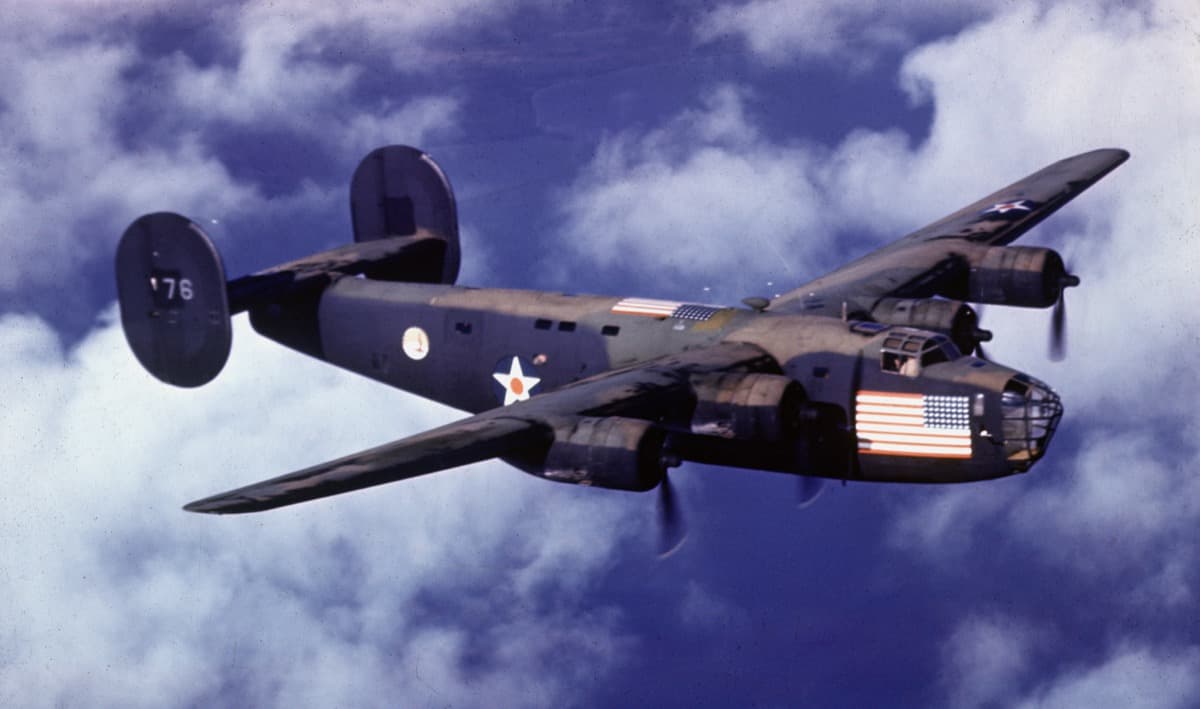
The United States obligated more aluminum to the construction of B-24 Liberators than any other aircraft of World War II. Well over 18,000 B-24s and derivatives flew from five assembly lines. That’s a military aircraft construction tally we’re unlikely to see again.
With a crew of 10 — and that number cycling through the system from 1941-1945 — plus thousands more Americans building and maintaining B-24s, the Liberator touched more families in this country than any other aircraft of the war. Chances are, if your family has been in the U.S. four generations or so, you have an ancestor whose path crossed with the B-24 during World War II.
The XB-24 prototype of December 1939 set the tone for the series, with its elegant Davis high-lift wing contrasting with almost cartoonish rounded twin tails. The prototype also embraced a greenhouse nose of many curved and faceted Plexiglas panels surrounding a flat and optically-pure glass bombsight window.
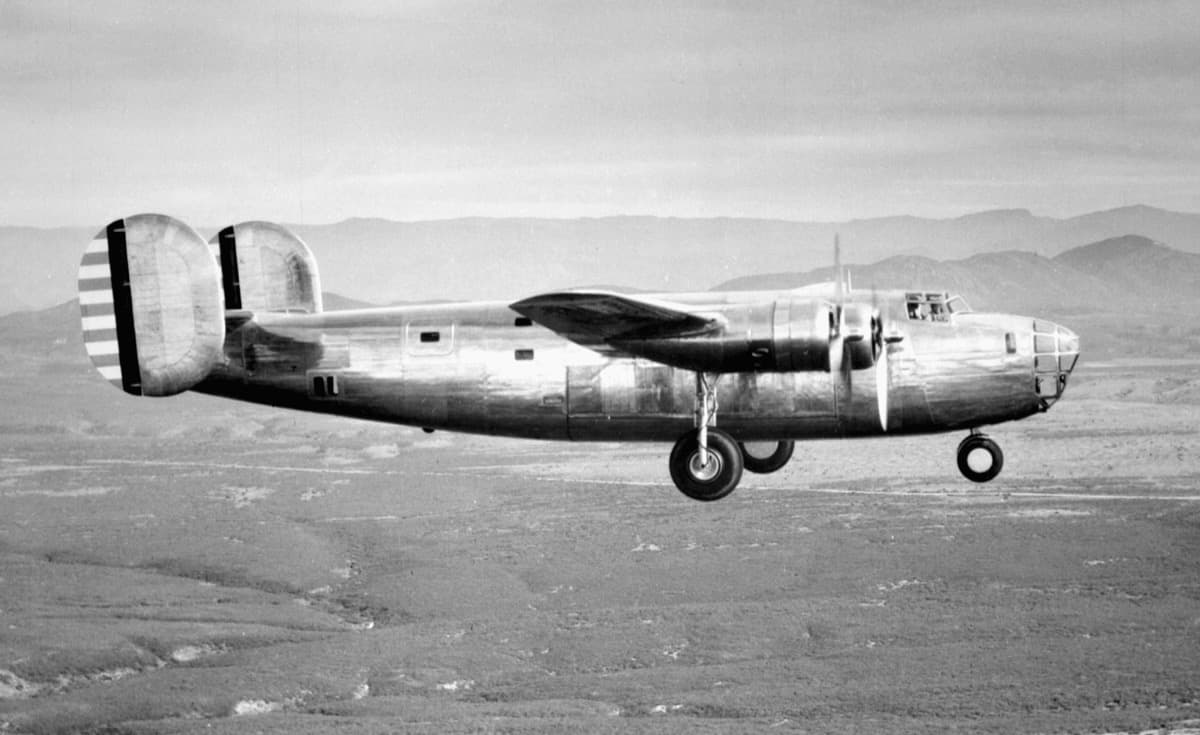
That greenhouse may have been appropriate in prewar design rationale, but it soon proved woefully undergunned as fitted to early combat models of the Liberator once the shooting started.
Evolution of the B-24 between 1939 and 1945 included a distinct run of greenhouse bombers before power nose turrets were introduced to make the Liberator more menacing to enemy fighter pilots who developed a proclivity for head-on gunnery passes.
The XB-24 prototype lent its configuration to the similar Liberator Mk. I for the Royal Air Force and the sole YB-24, plus a small run of B-24A models for the U.S. Army Air Forces. Length was computed at 63 feet, 9 inches. This configuration had a short nose ahead of the cockpit — short enough to be unaesthetic.
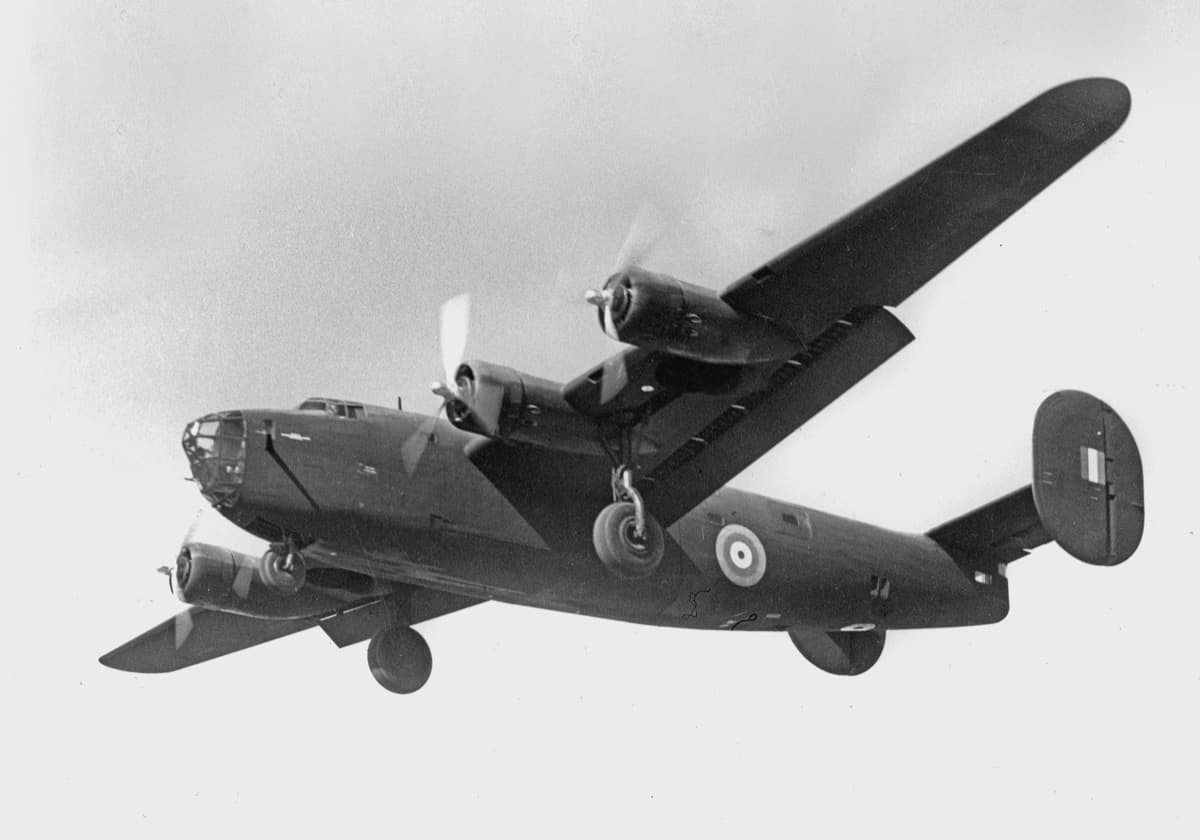
The Liberator visage took a turn for the better with the introduction of the Royal Air Force’s Liberator II model, which first flew from Consolidated Aircraft’s San Diego plant in 1941.
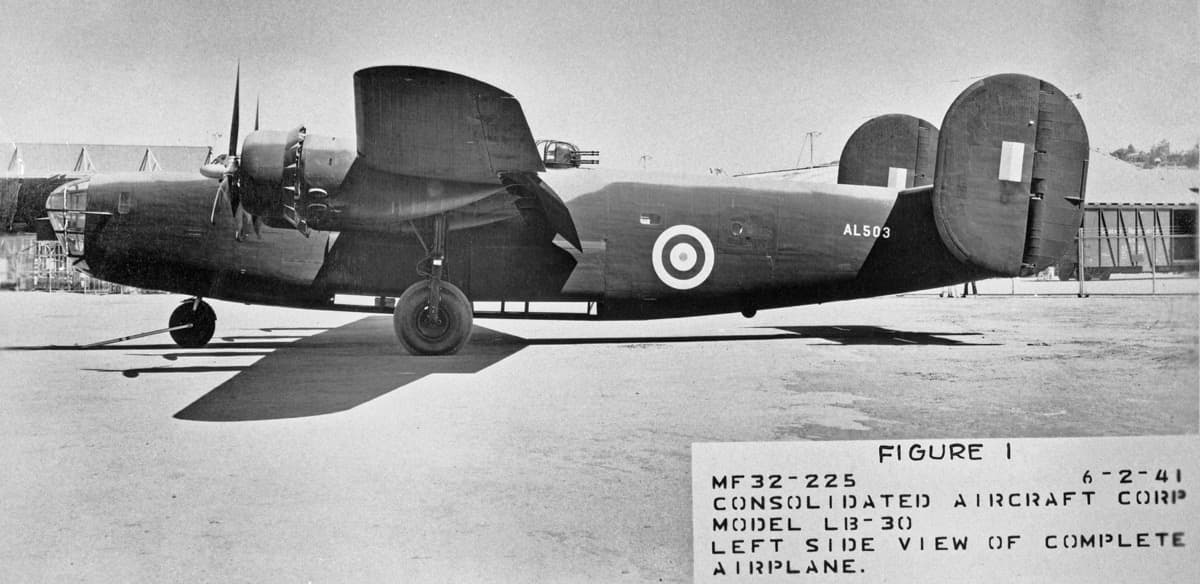
The British developed power bomber gun turrets to their liking, and intended to mount a tail turret on their Liberator II bombers. Popular logic says the tail turret added weight aft of the fulcrum of the wing that needed to be countered by an extended nose, so the Liberator II stretched ahead of the cockpit by almost three feet. The stretch also gave the bombardier and navigator more working room, and the new length of 66 feet, 4 inches, set the tone for the rest of the greenhouse Liberators that followed.
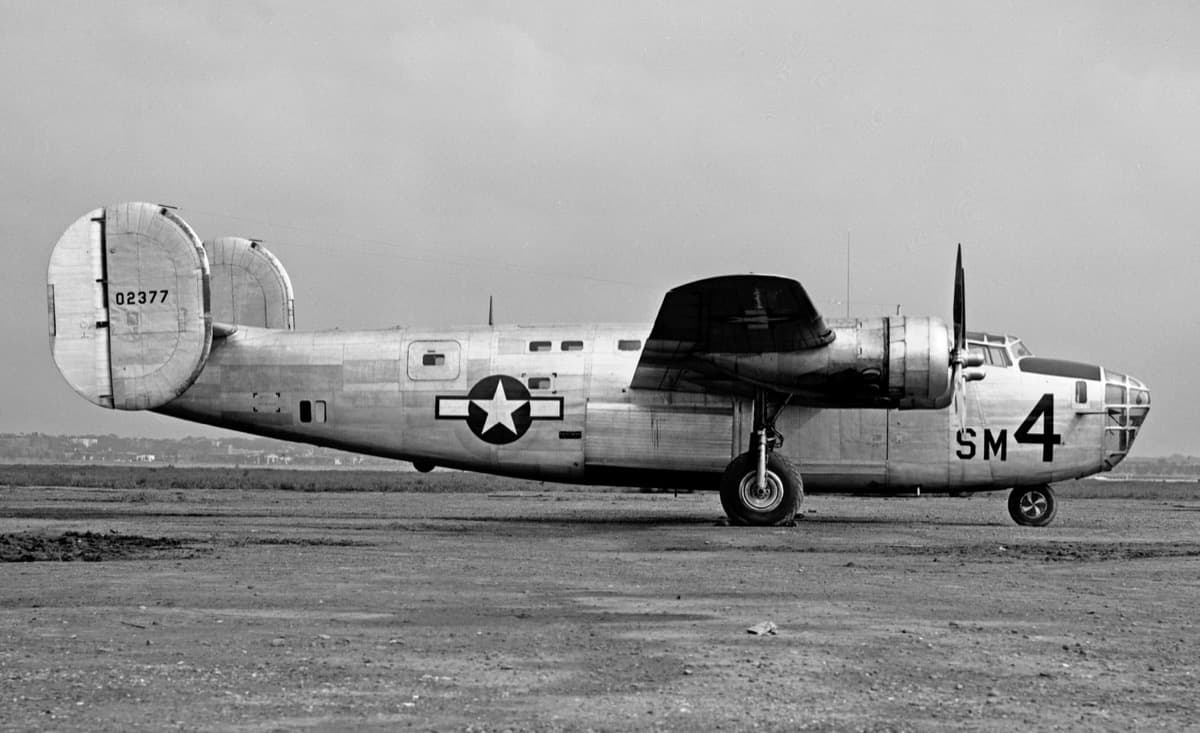
The Liberator had grown into its more aesthetic self with the Liberator II, and the next pre-production version for the U.S. Army Air Forces, nine B-24Cs, kept the longer nose while adding an American tail turret of Consolidated’s in-house design.
The handful of C-models proved the design, and Consolidated shifted into high production of the follow-on B-24D, nearly indistinguishable from the B-24C. B-24Ds served American and British forces around the world from late 1942 well into the war.
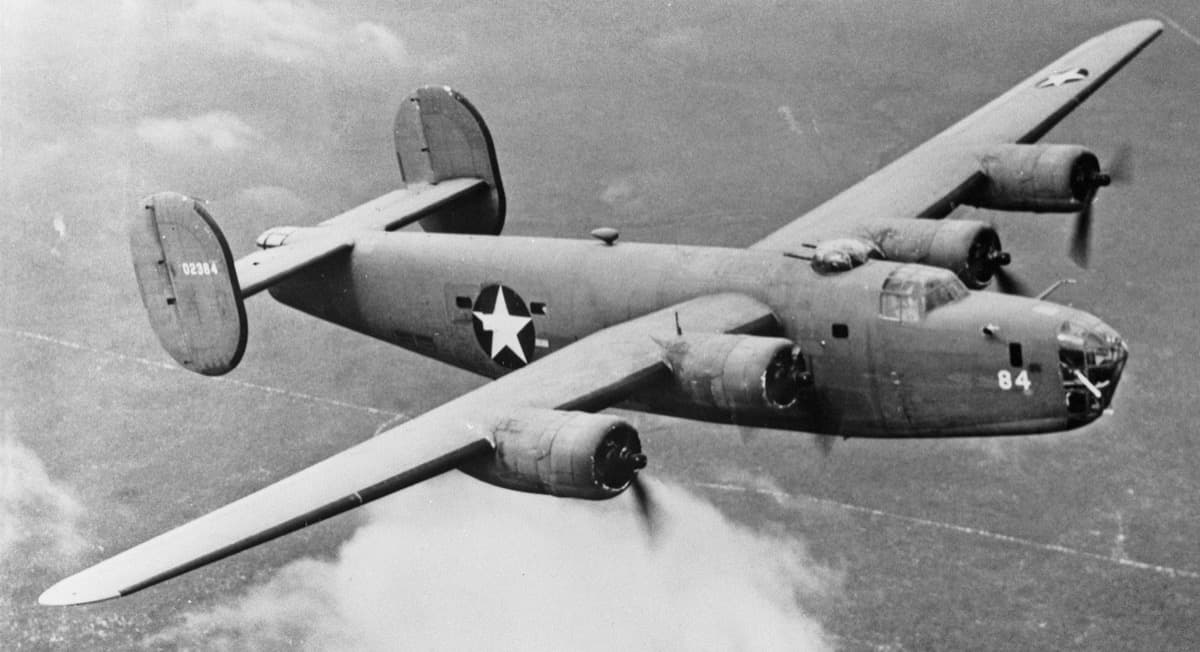
The Army Air Forces knew it wanted B-24s and lots of them, so additional Liberator assembly lines were started by Consolidated in Fort Worth, as well as Ford Motor Co. in Willow Run, Michigan, Douglas in Tulsa, Oklahoma, and North American in Dallas, Texas.
Auto maker Ford’s foray into the mass production of complex heavy bombers ultimately proved highly successful, but the learning curve was steep for a company more familiar with steel car fenders than aluminum fuselage skins. Ford’s version of the B-24D was distinguished as the B-24E, and the Army Air Forces allowed Ford to produce essentially obsolescent E-models used for stateside training while the automobile manufacturer, coached by Consolidated engineers, honed its aviation mass-production chops in Willow Run.
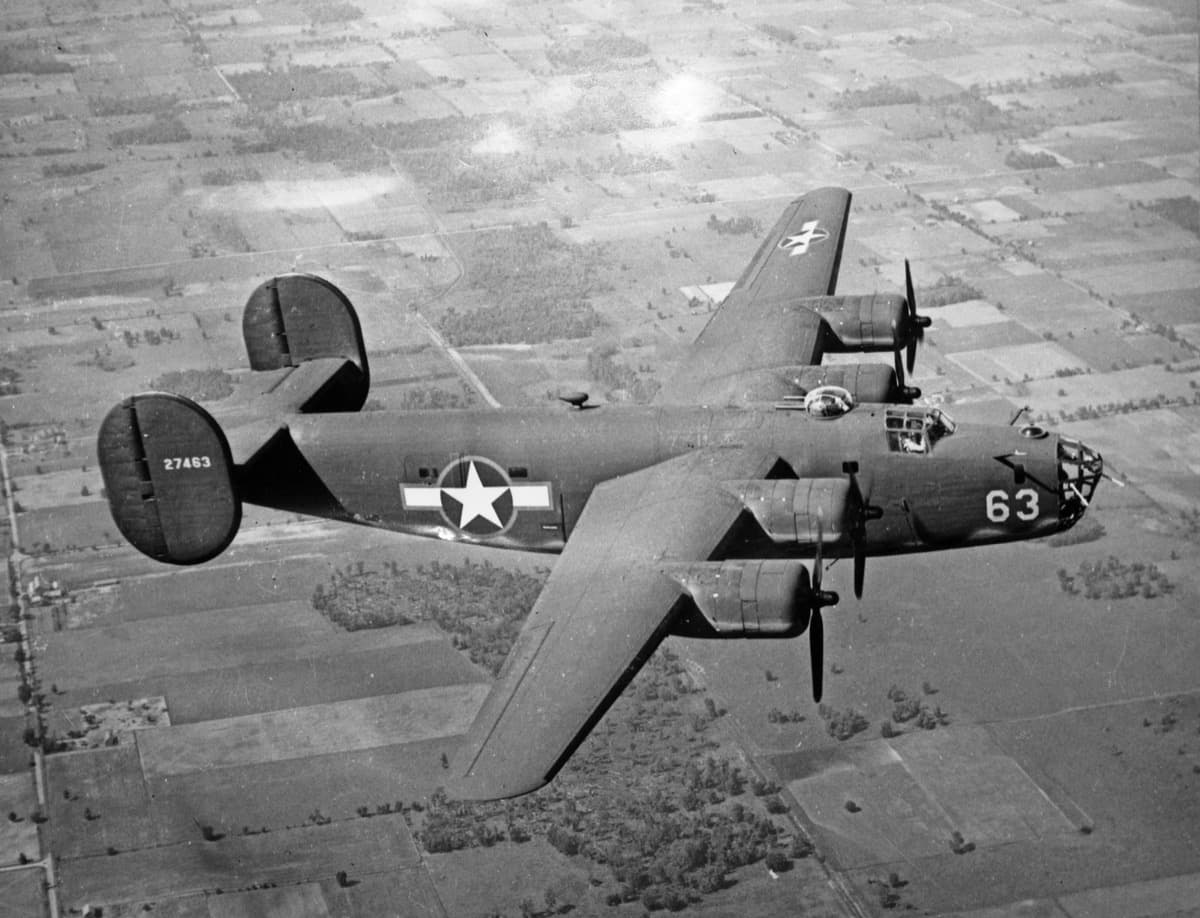
The concept of five assembly lines for production of B-24s envisioned that Ford and, to a lesser extent, Consolidated in San Diego, would create Knock Down (KD) kits of Liberators, in addition to finishing whole bombers. The KD kits were shipped overland in special trailers to the Douglas plant in Tulsa and Consolidated’s Fort Worth facility where they were assembled as completed bombers.
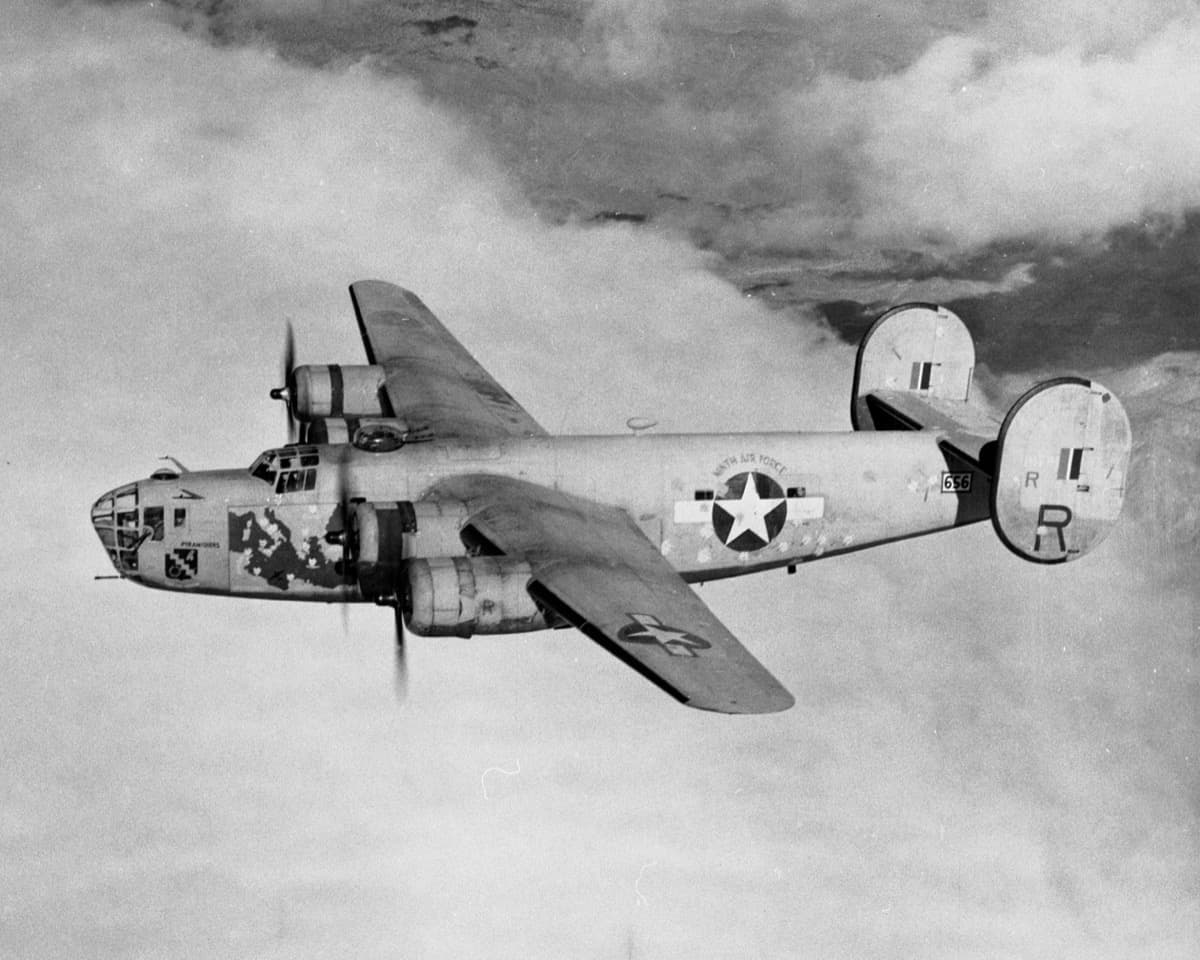
Later in the war, the Fort Worth factory made its own B-24s from scratch. And just across town from Fort Worth, North American Aviation’s operation in Dallas crafted its own run of B-24 Liberators, starting with an insignificant number of greenhouse-nosed B-24Gs, similar to the classic B-24D.
Nobody ever complained about the working room and the visibility in the greenhouse nose B-24s, but necessary defense of the bomber led to multiple ideas on how to install a power nose turret in the Liberator, and the outcome was sweet for the gunner and stifling for the bombardier… a story for another day.

You could have noted that the Ford plant produced about 1/2 of all the B-24s, rolling a new bomber off the assembly line every 60 minutes.!!
Also, a documentary indicated that Ford had to create all the part drawings, since Consolidated had none. [ strange, how did they continue to produce parts ? match new ones with other previously produced parts ?]
My uncle Carl Fritsche piloted a B24 over the Hump during the war to bring gas etc besides bombing runs over the River Kwai in Burma. The theater was known as CBI or China, Burma and India. His longest runs were 18 hours 30 minutes flying from and around India to bomb the Kwai River Bridge. He flew 50 feet over the water under radar to do the job. He was able to meet General Saito who commanded the bridge encampment after the war. He was attached to the Flying Tigers and member of the Hump Pilots Association after the war.
Every time I write an article, or make a video, about World War II activity, it is a reward to read stories like yours about your uncle Carl Fritsche and his harrowing combat experiences in B-24s. It is good to keep their memories and stories present.
Hate to disappoint; but, my family has been in this country for 10 generations, and our WWII associations were with the B-17.
But, good try
😉
Well, the exception proves the point. The statistic still stands — more Americans were associated with B-24s than any other aircraft of the war, but of course, that won’t be universal. Hey, thanks for reading and commenting. I bet you have some proud family memories and anecdotes from those family members who were associated with B-17s.
Thank you for the B-24 recap. My father had a couple of connections with he B-24 as well. He worked in the Consolidated in San Diego factory building B-24’s early in the war. He was an inspector at least part of the time and had an inspector mark he put inside the fuselage on B-24s as they went through the assembly process.
A short time later he joined the Army Air Corp and became a B-24 Navigator. He said he would check the B-24’s he trained in and flew in combat, none ever had his inspection mark on them. He flew 30 combat missions in Europe.
Any time we saw a B-24, be it a model, photo or real life, he would tell me he much he preferred the B-24H models. As you said in your article, much of America at the time has a connection to B-24s.
It is good to hear from the families of World War II veterans. We grew up with those men and women as our parents, neighbors, teachers and just about everyone of that age. They were part of the fabric of our lives and it is good to keep their memories alive.