

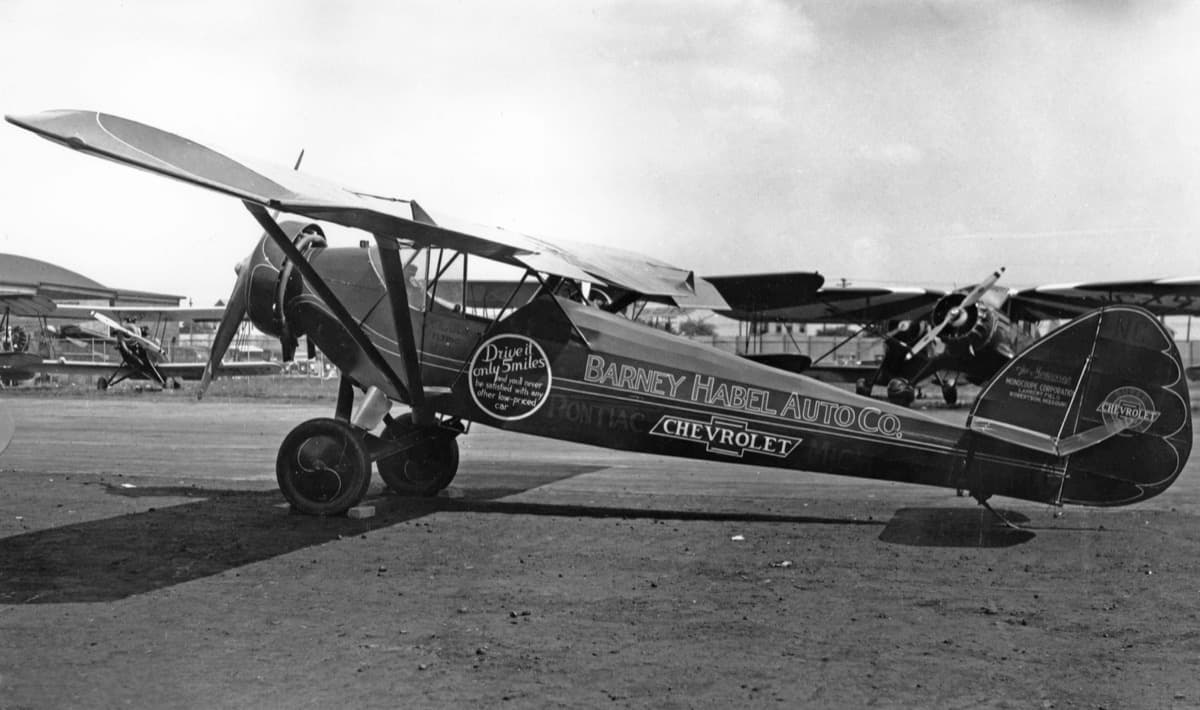
What do you know about the 1929 Monoprep trainer? The “Mono” in its name gives a clue to its relationship to the popular Monocoupe.
I recently encountered an advertisement for the Monoprep in a 1929 Western Flying magazine from my Dad’s collection of periodicals. That started an expedition into the archives to learn more about this forgotten general aviation trainer.
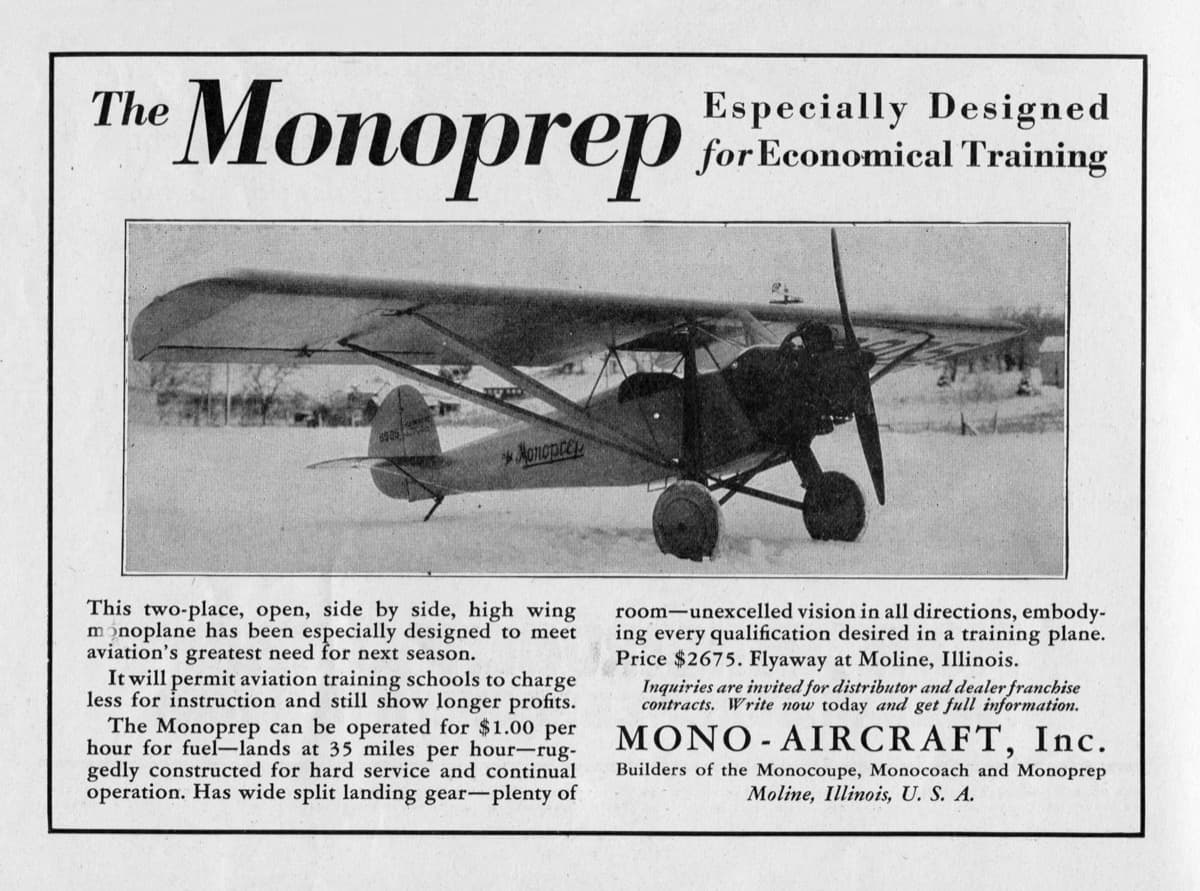
The Monoprep was a prosaic side-by-side trainer created by the same company that brought us the sporty Monocoupe. If you’re of a certain age in the Pacific Northwest, you will recall Freddy Ludtke’s aerobatic act in a crisp white-and-red Monocoupe, a routine he called “4-½ Gs for 4-½ Minutes.”
Where the Monocoupe featured a signature concave sloping of the aft fuselage toward the tail, powerplants ultimately in the 110-145 horsepower range, and a completely enclosed cabin, the simpler Monoprep, intended from the outset as a trainer, was less flashy.
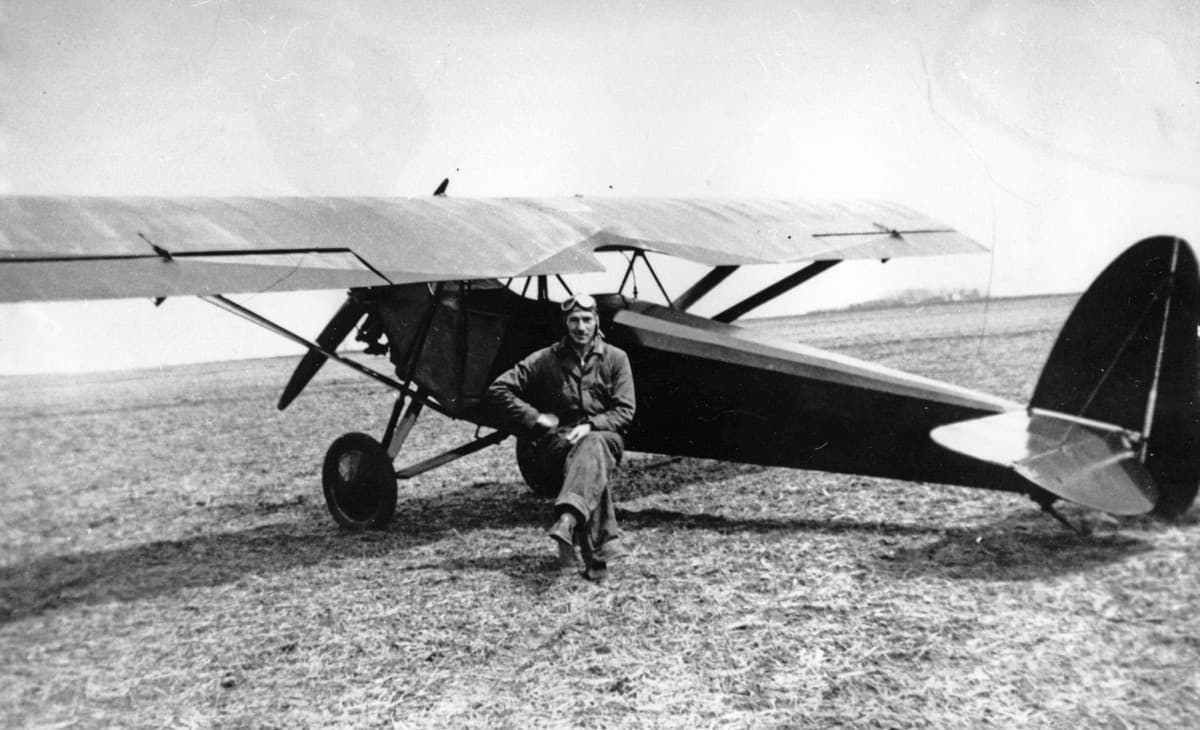
The Monoprep typically rode behind a five-cylinder Velie M-5 radial engine giving 55 horsepower. It was open to the sides, said to be advantageous when teaching students about skidding turns and slips.
Aviation historian Joseph Juptner includes the Monoprep in the category of parasol aircraft, with the wing riding above the fuselage on struts, although the full windscreen of the Monoprep makes this configuration less apparent.
Juptner described the Monoprep as a pleasant aircraft to fly, forgiving of student inexperience. That 55-hp engine delivered a top speed of 92 mph, while cruising at 80 and landing at a leisurely 37. Cruising range at a fuel burn of four gallons per hour was 290 miles.
The Monoprep’s wing used the favored Clark Y airfoil with a chord of 60 inches and a span of 32 feet. Fuselage length was 21 feet, and the Monoprep stood 6 feet, 3 inches tall.
The basis of the fuselage was a rectangular frame of welded steel, contoured with wooden fairing and formers, and wrapped in fabric. Steps and side doors aided getting into and out of the breezy cockpit. Side-by-side joysticks and rudder pedals gave both occupants the opportunity to pilot the Monoprep.
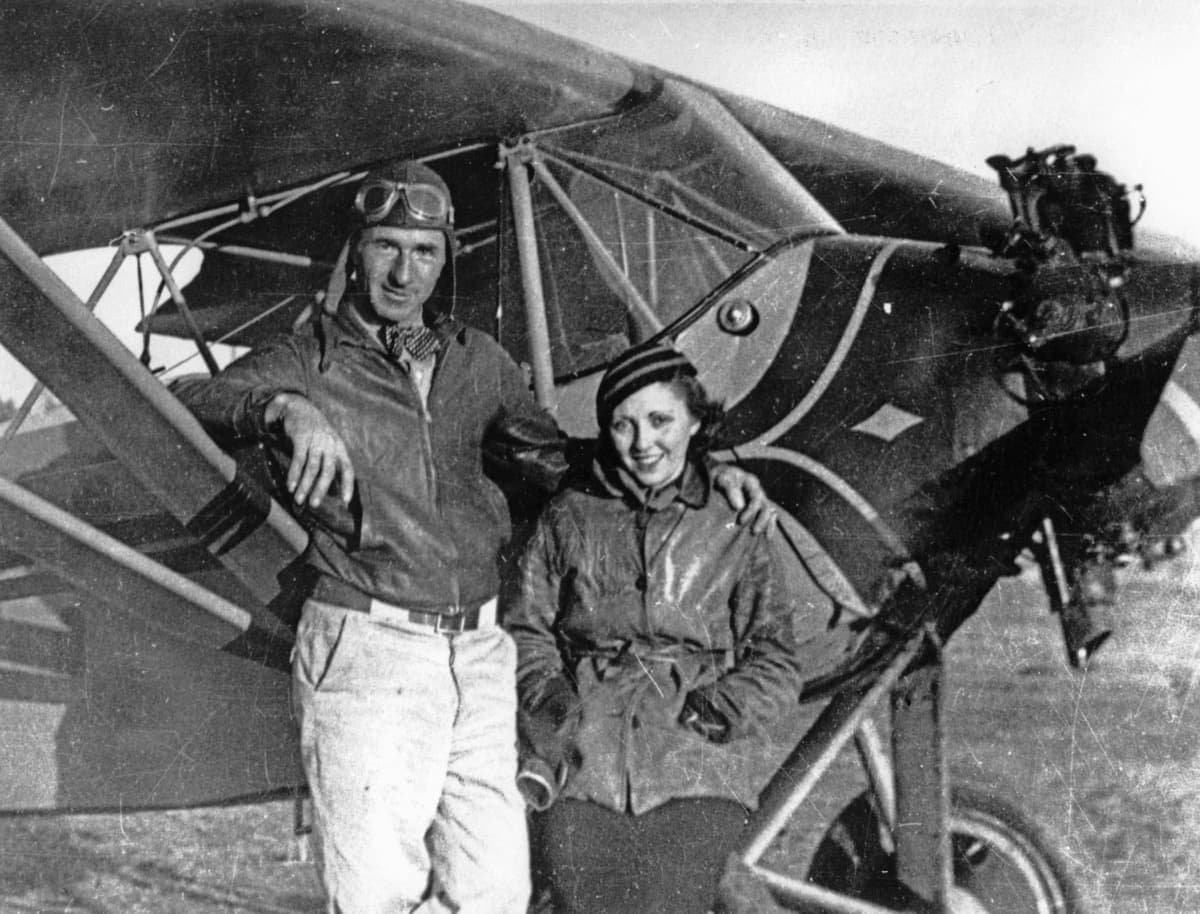
The wing was a spliced one-piece unit built without a separate center section. Spruce wing spars hosted spruce and basswood ribs under fabric. Two gas tanks in the wing used gravity to feed the Velie motor. A wooden Hartzell propeller was standard equipment for turning the Velie’s noise into propulsion.
Grass strips were plentiful and the Monoprep used 26X4 main tires without brakes and a tailskid that was useful in slowing the aircraft once planted on the turf.
Introduced in the spring of the year that would see the autumn stock market crash of 1929, the Monoprep’s factory price of $2,675 soon rose to $2,835, only to drop to $2,575 in the Depression month of May 1930.
The Mono Aircraft Division, Mono Aircraft Company, and the Monocoupe Corporation are but three names under which aircraft bearing the Mono prefix were built. Genesis for these designs is said to be the vision of Donald A. Luscombe (yes, that Luscombe), who favored an enclosed side-by-side cockpit arrangement over the common tandem biplane seating of the 1920s.
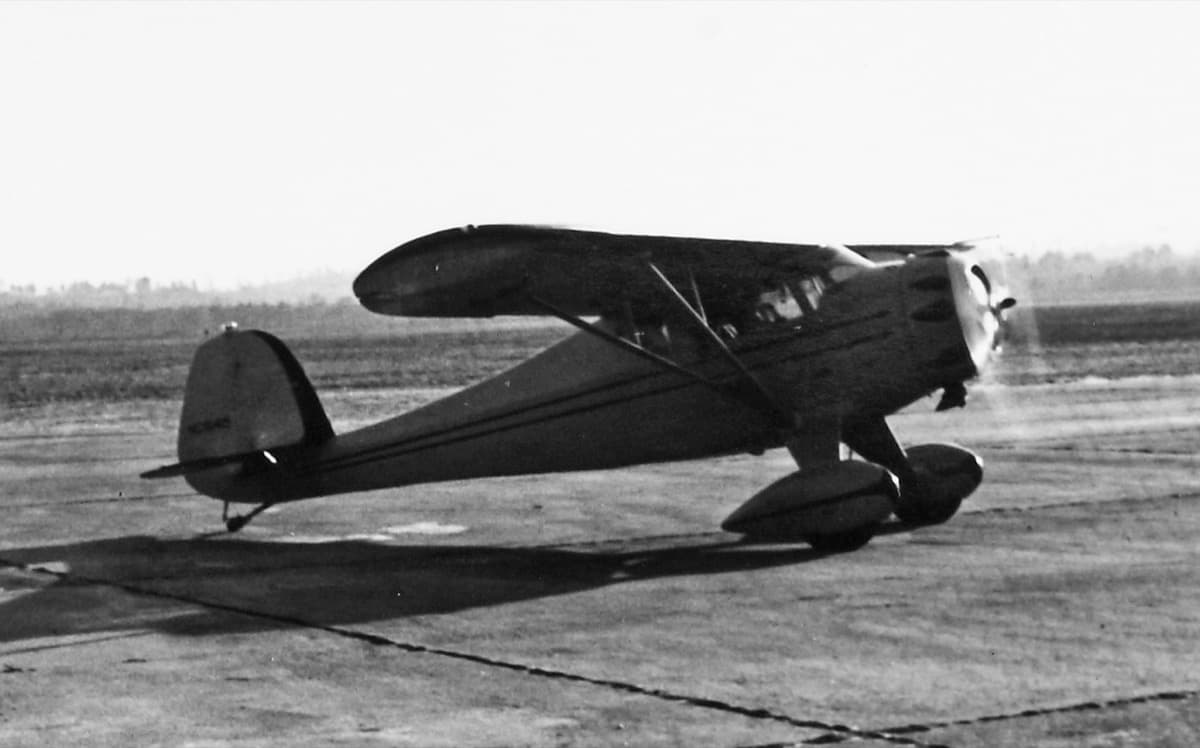
Luscombe secured backers for early production of aircraft designed by Clayton Folkerts of Iowa to bring Luscombe’s vision to life. The lesser-known Monoprep’s construction numbers have been lost to time, but Joseph Juptner’s research places the Monoprep total at somewhere north of 60 aircraft.
The word on the street is that one Monoprep exists, quietly undergoing restoration.

Leave a Reply