

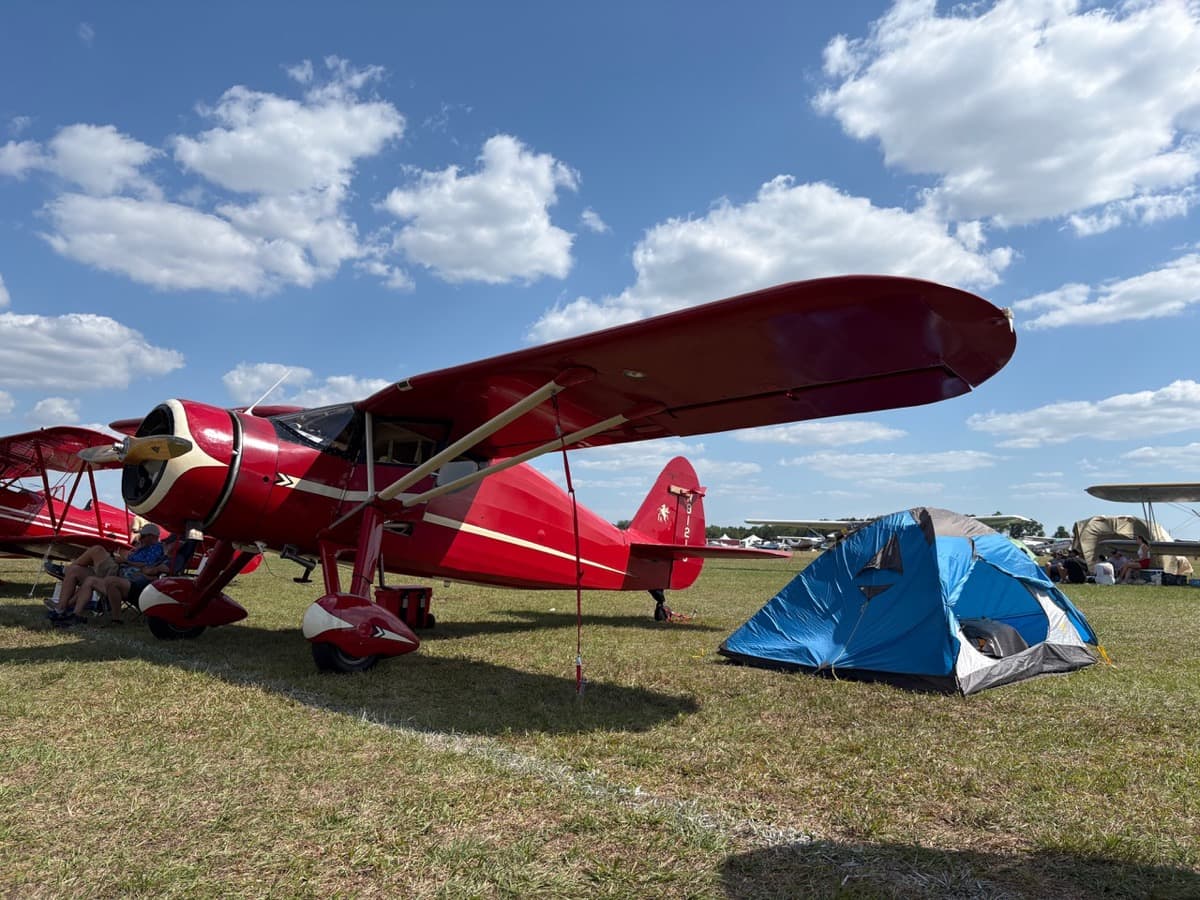
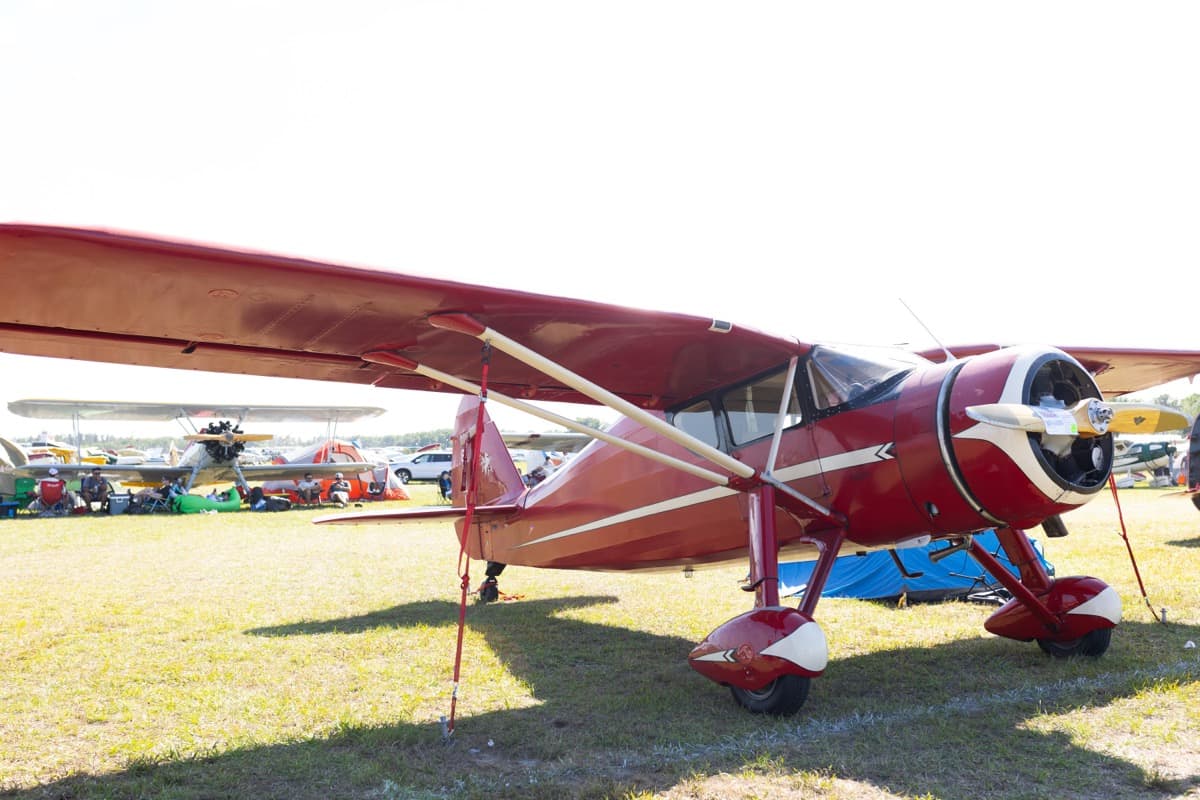
Under the bright Florida sun at the 2026 SUN ’n FUN Aerospace Expo, a two-man tent begins to take shape in the soft grass. Freshly invigorated by a spring rain, the lush greenery stretches out for hundreds of yards in all directions. This pastoral scene is offset by the bright red flying machine tied firmly in place. The airplane is providing much appreciated shade to the still-in-process tent and its owner.
Sitting in a folding chair taking a break is a distinguished-looking gentleman. He is tall, a fact that is obvious even as he’s in a seated position. He wears a ball cap and sunglasses. His hair is gray as befits a man of his age. A neatly trimmed goatee frames his welcoming smile. His name is Mark Peebles.
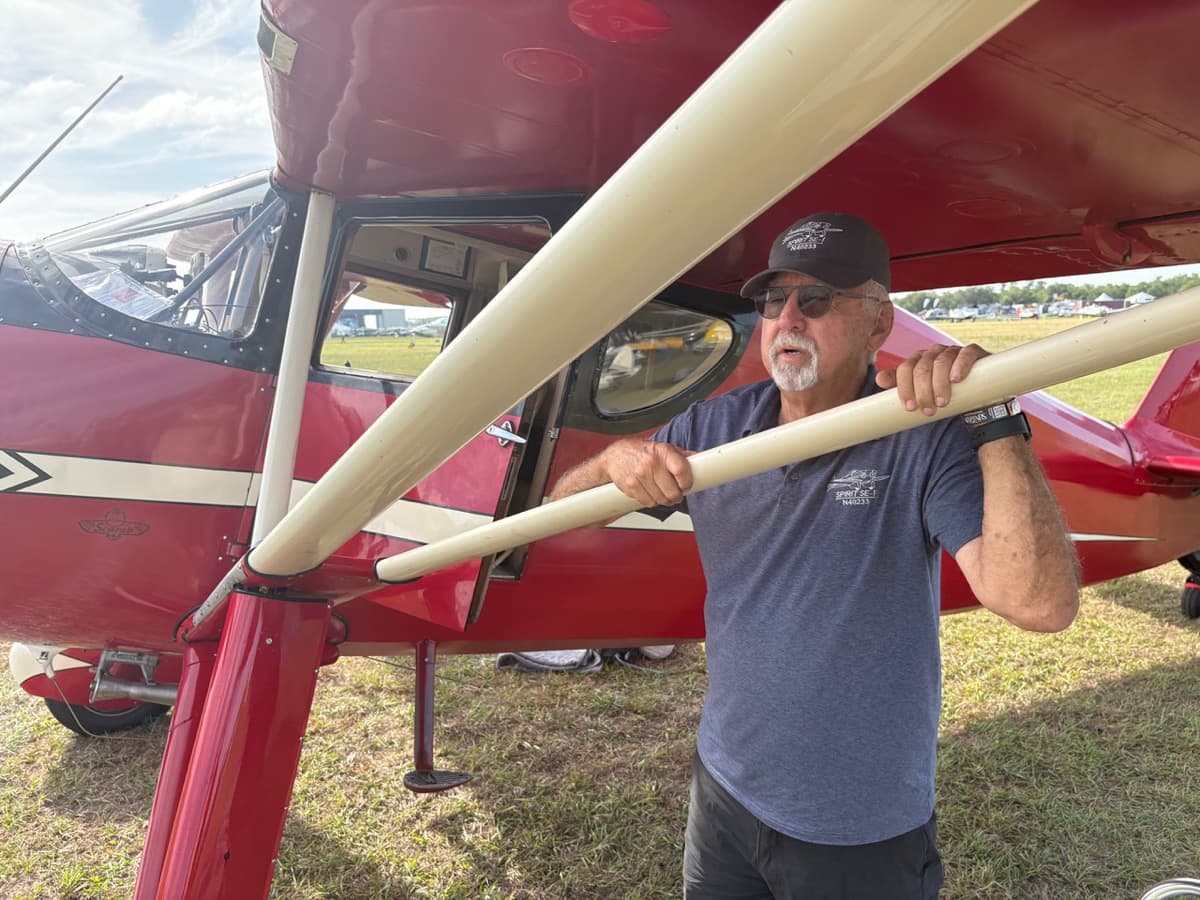
A former corporate pilot who rediscovered the joys of flying recreationally in retirement, Mark is the current owner and caretaker of a piece of American history. A role he takes on with great pride.
The airplane is a 1946 Fairchild 24W. It could reasonably be described as a high-wing, single-engine airplane. Yet, as accurate as that characterization might be, it misses the larger point. The Fairchild comes from a time when aviation was relatively new. It was widely perceived as romantic, a bit risky, and the absolute playground of the rich and famous.
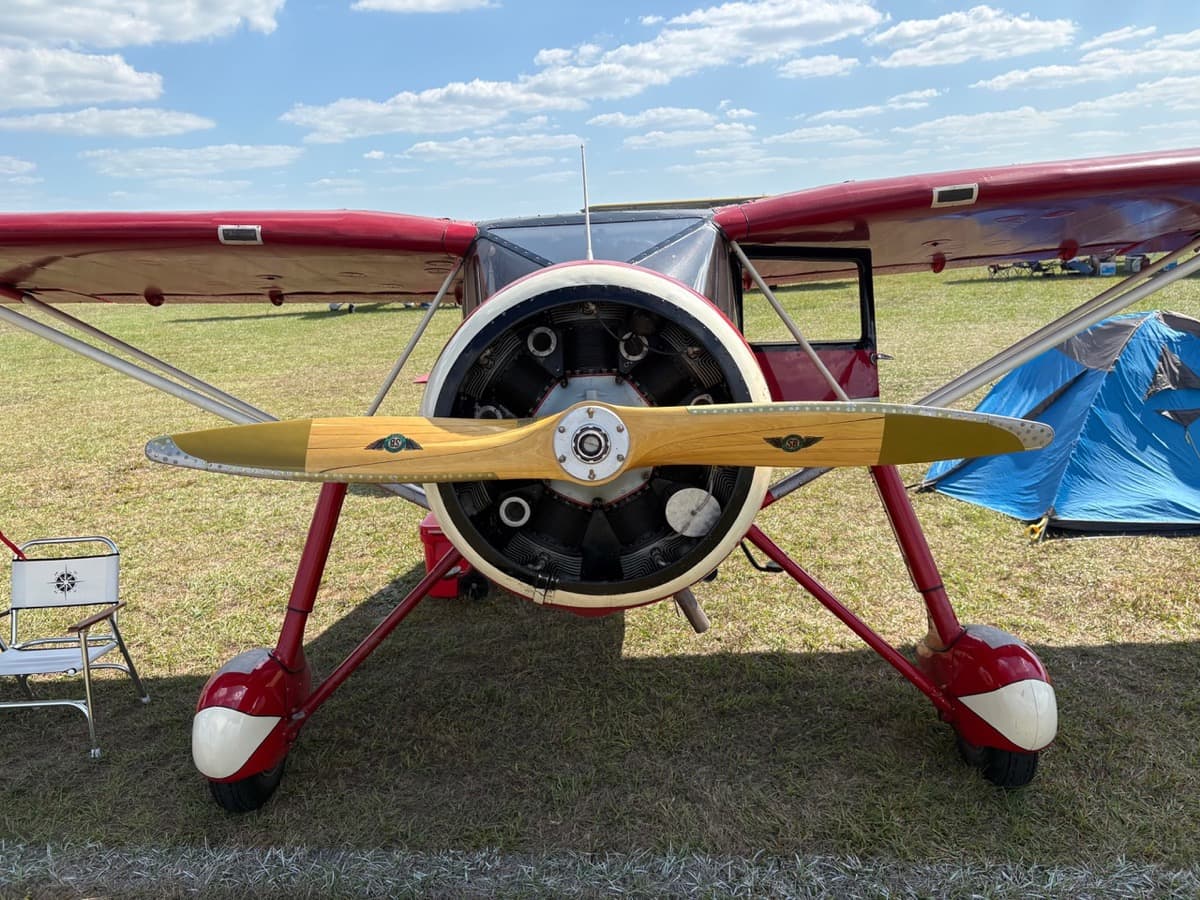
Significantly larger than many modern single-engine airplanes, the Fairchild is fabric covered, with a large tail, a round nose, and an absolutely pristine wooden propeller out front.
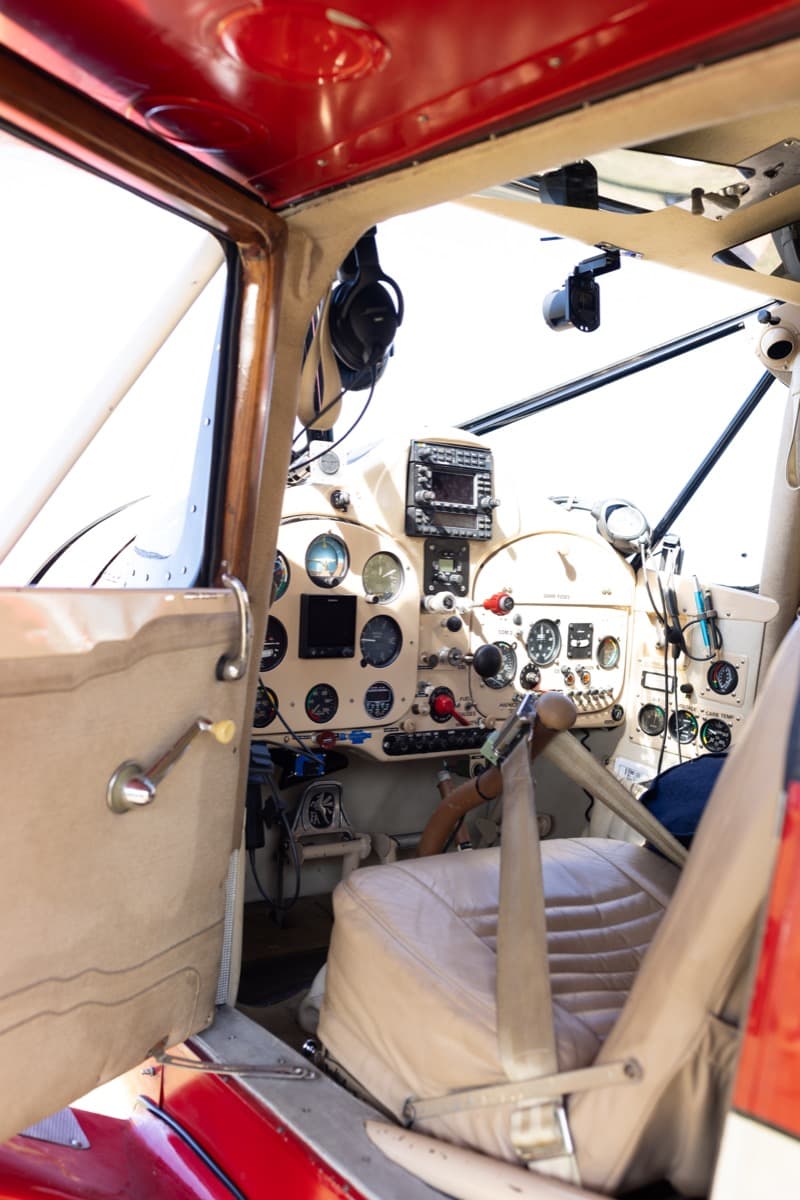
The doors open wide, much like an automobile of the era. They are sturdy and thick. Closing them does not result in the delicate “tink” of a modern spam can door. Better yet are the windows. They don’t pop open an inch or two at the bottom edge, or have a small scoop installed to bring fresh, cool air into the cabin.
“I’ve got crank down windows,” Mark beams as he demonstrates opening the pilot’s side window. “I think the whole mechanism is a 1942 Ford.”
Between the roll-down windows, the sheet steel panel, and the twin control sticks with rounded tops that recall nothing so much as the end of a baseball bat, the cockpit is deeply reminiscent of climbing into the front seat of grandpa’s old Lincoln Continental.
Finding The Fairchild
The search for the perfect airplane to fit his mission was not a quick one.
“I didn’t know what I wanted,” Mark admits. “So every two years I got a different one.”
The journey started with a Kitfox, which eventually gave way to a Marquart Charger. The aerobatic biplane had classic looks but “that wasn’t for me,” Mark acknowledges. Fair enough. Aerobatic flight isn’t for everyone.
Eventually he came upon the Fairchild and knew he’d found his dream machine.
“It’s beautiful to fly,” be beams. “I had to have a stick and a radial. That was my goal.”
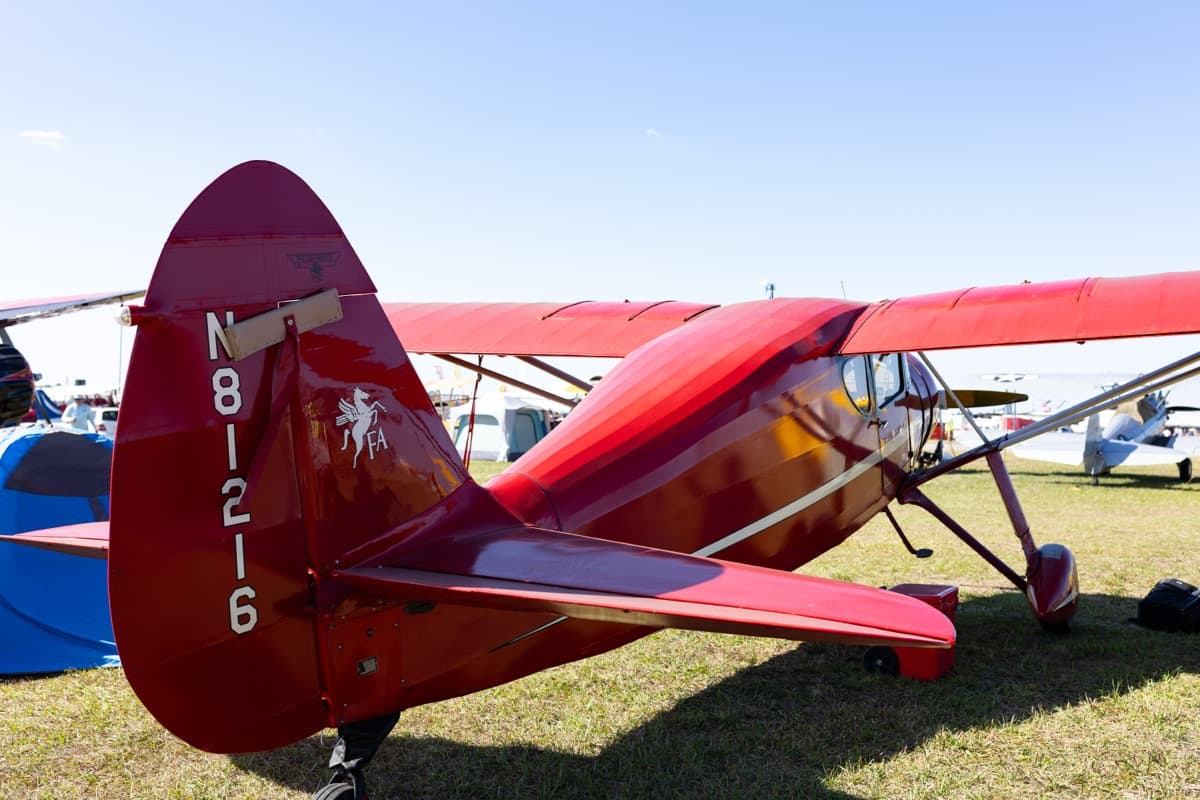
There is no doubt that owning and flying an airplane of this vintage comes with a certain amount of pride. Fuel stops aren’t quick or solitary. Other pilots approach wherever he alights with questions and a desire to get a closer look.
“Everyone says it’s a beautiful airplane,” Mark says. “Then I have to tell them I didn’t rebuild it.” He chuckles at the thought.
This particular aircraft rolled off the factory floor on May 2, 1946. It served its purpose and did a good job of it. But like so many aircraft of that era, it lay fallow for a considerable period of time.
Thank goodness for the drive and workmanship of the previous owner.
“It took him 16 years to rebuild it,” Mark explains. “He’d never rebuilt one before.”
That’s tenacity.
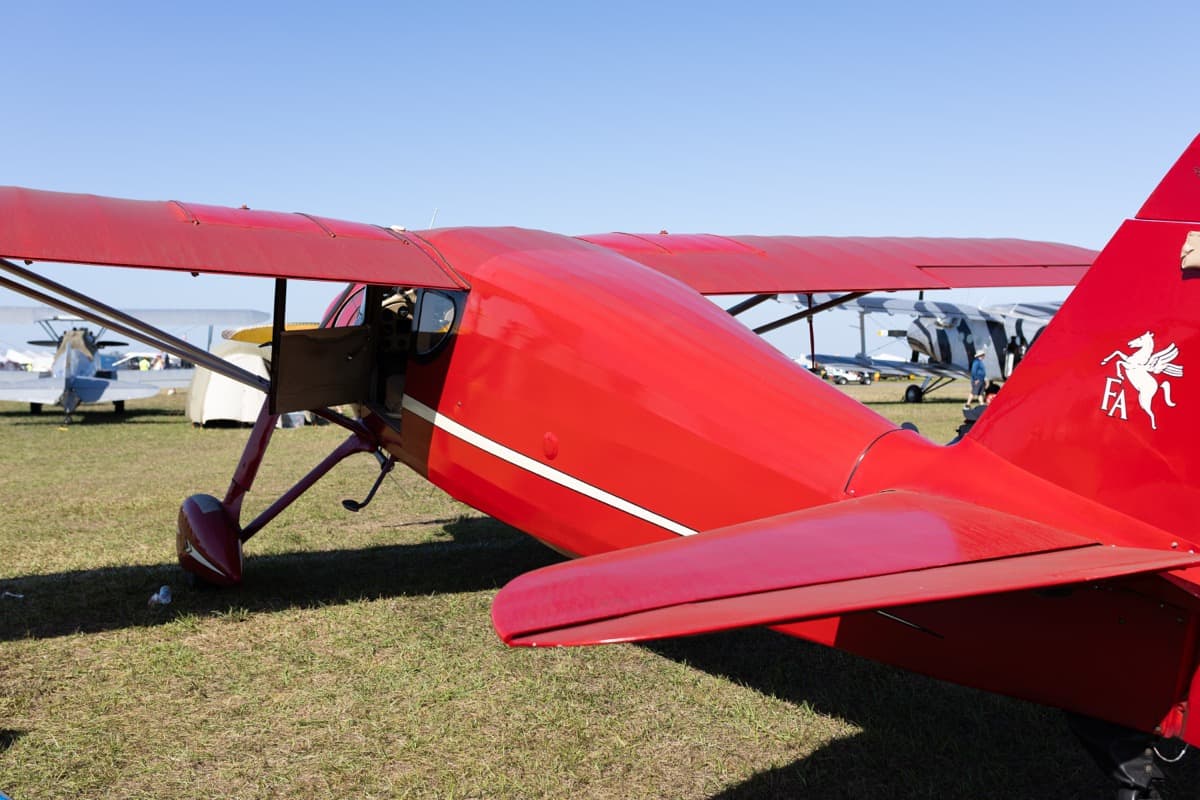
As Mark tells the story, the previous owner decided it was time for an airplane project. Within days of making that decision he confided in a friend that he was looking for a project. The friend responded by saying, “You know my father has an old airplane in the barn.” And that’s where the rebirth of N81216 began.
The Fairchild 24s were originally two seaters. Over time they were expanded to have a third seat, then a fourth. The original 145-hp Warner engine was stepped up to a 165-hp 7-cylinder Warner Super Scarab by the time Mark’s airplane rolled out the door. It was marketed as an efficient and comfortable personal aircraft. A claim that was taken seriously enough that such a luminary as Edgar Bergen, the famous ventriloquist and father to actress Candace Bergen, owned and flew one for many years.
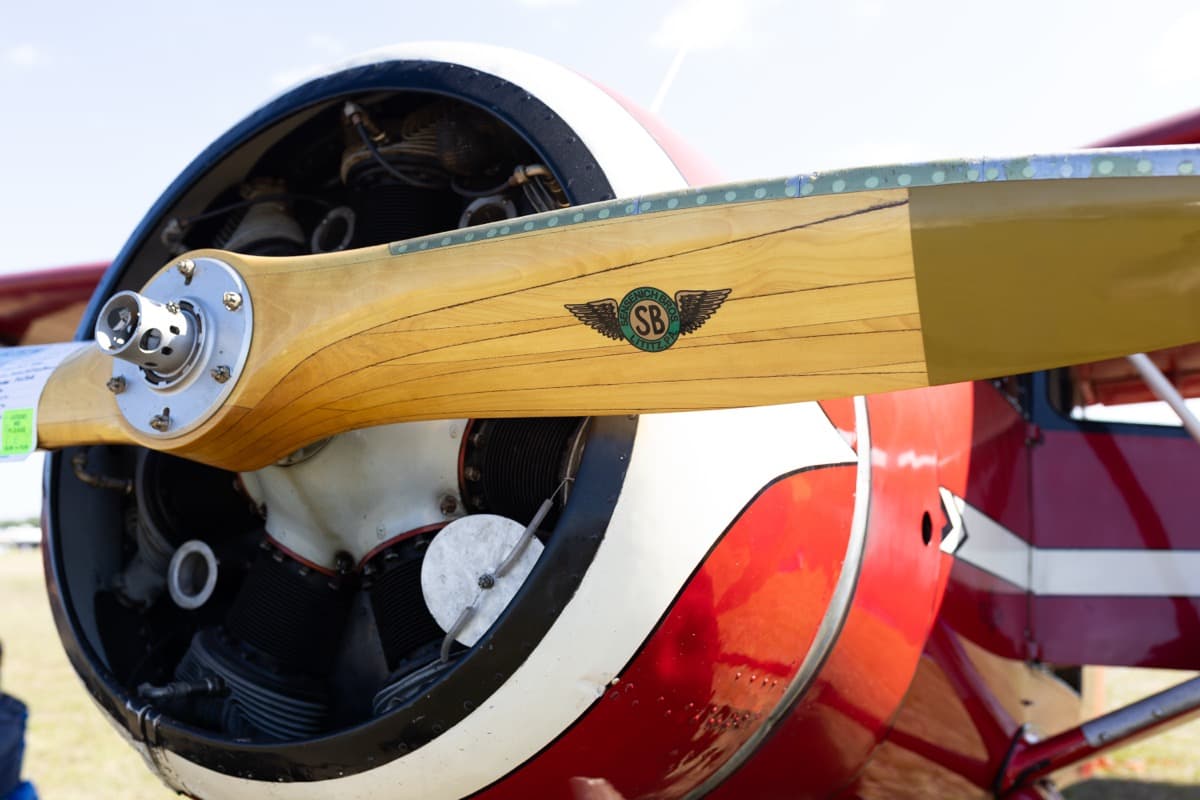
Owning a classic airplane is not for the faint of heart or the owner who eschews maintenance. Anything with moving parts will encounter wear and breakdowns. The Fairchild is no different.
When asked about maintenance, Mark responds quickly, “It’s not that bad.”
The airplane cruises at roughly 100 mph, using 9 gallons of fuel and burning about a quart of oil every four hours. Those are the day-to-day details. But when it comes time to do some of the necessary repair work, things can get a bit more interesting.
Having diligently searched for a shop to rebuild his magnetos, he sent them off and engaged an A&P to work with him to install them on the Warner. Easier said than done.
“You have to take the mag off every time you need to retime them,” Mark explains. “Three days it took us to get these mags right.”
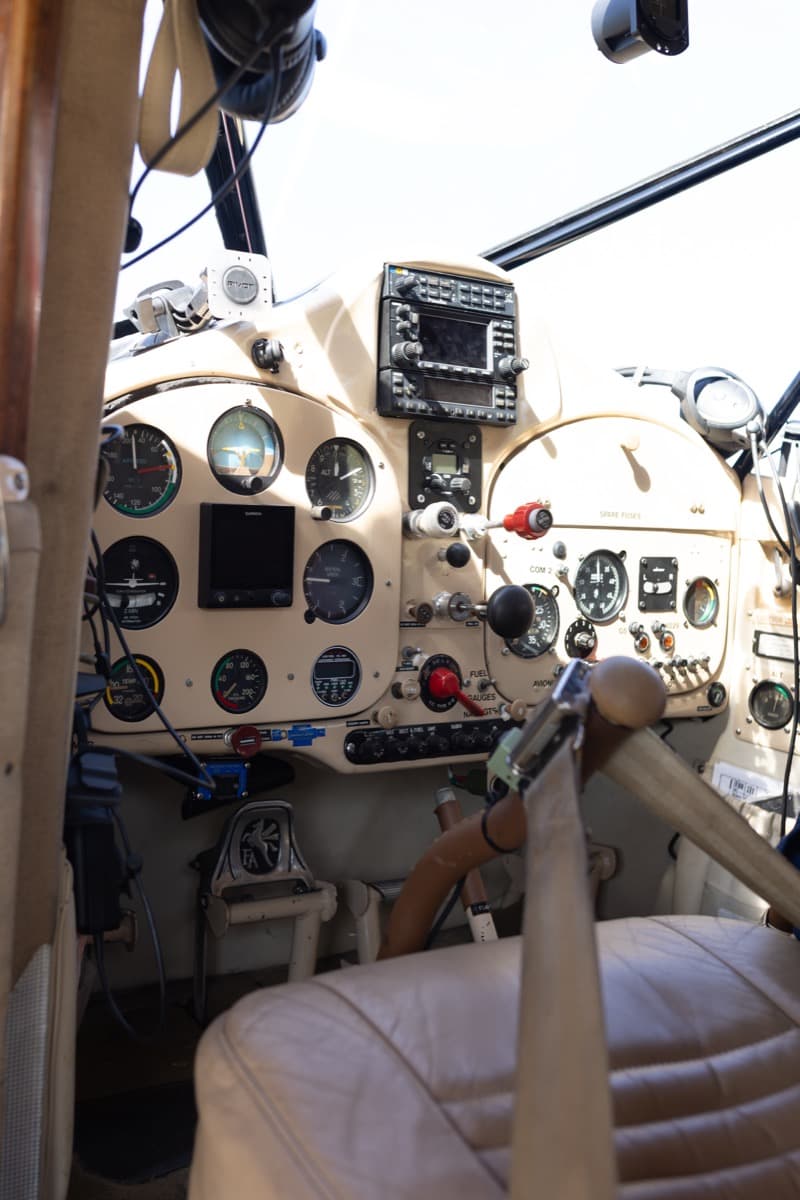
Flying The Fairchild
It’s a wonderful airplane that fulfills his mission and brings joy to his heart. Those missions are not one-size-fits-all, however.
Mark is a member of the Old Farts Flying Club, a Florida aerial institution that flies out to various destinations for lunch to all corners of the state.
Mark also takes it out of state.
“I go to Triple Tree,” says Mark of one of South Carolina’s premiere destinations. “One of the guys I used to fly with has a strip six miles from there. I stay with him.”
The 7,000 feet of golf course quality grass runway is something to behold. As with everyone else who has visited, Mark has come away impressed.
“I’ve taken it to Oshkosh twice,” he says. “It’s very comfortable for two people all the way to Oshkosh.”
Much of Mark’s flying remains relatively local, however. And who could blame him?
He’s flying an absolute classic that turns heads everywhere he goes. It flies like a dream, rumbles like a beast, and brings a welcome sense of nostalgia as it cruises over the vast and varied landscape of the Sunshine State.
In the end, Mark and his Fairchild make their way home. Touching down on the single runway at his home field at the outer reaches of the Orlando Class B airspace, 3,200 feet of grass welcomes their return. Tucking the airplane away in its hangar, Mark is pleased to know his latest acquisition, an SE-1 Spirit, will fit nicely under the wing of its big brother.
“I just live around the corner so I can literally walk to the place,” says the very proud owner of two fine flying machines.
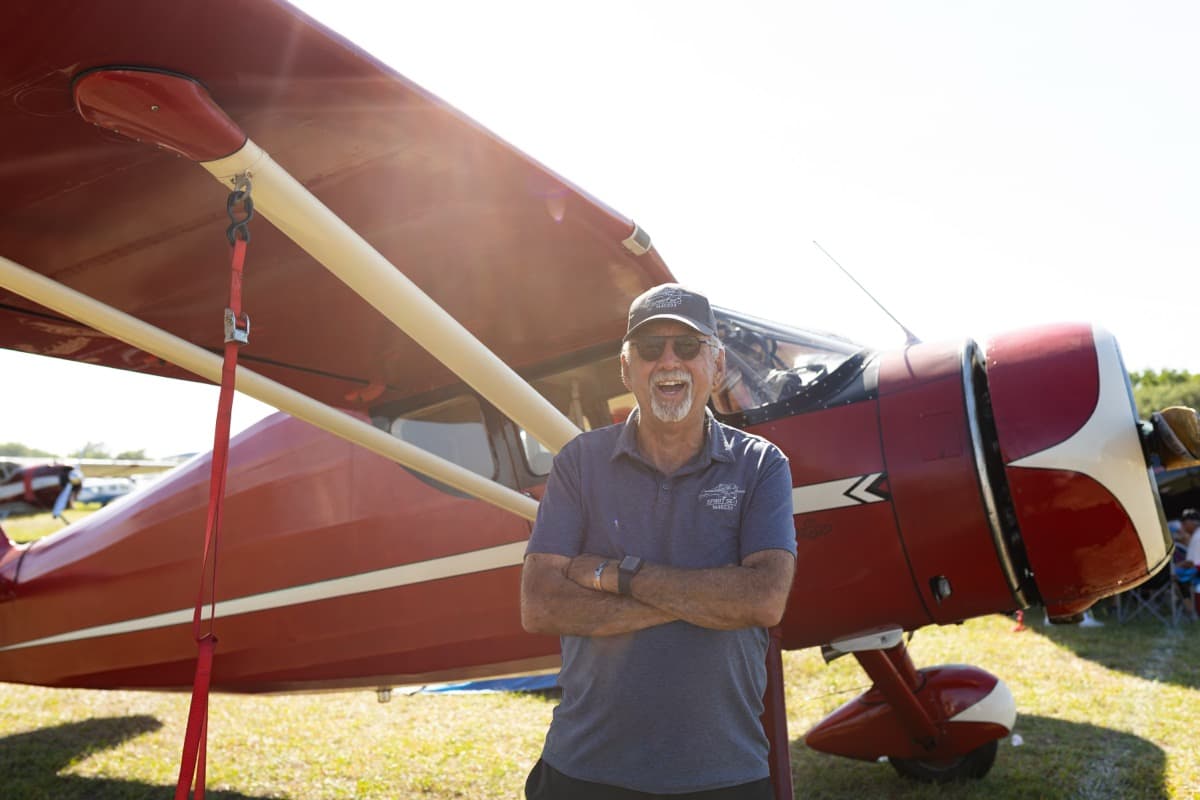
As I depart the field where Mark and his Fairchild have taken up temporary residence, Mark goes back to completing his tent set-up. Later in the day I see him again, sitting in his folding chair in the shade of the Fairchild. He’s not alone. Admirers who are becoming new friends have taken up space beside him.
It’s a good day to be a pilot flying a true classic.

Mark is a very interesting person and has helped with our EAA chapter youth program as well. Good article Jamie!
Mark is also one of the many generous pilots who volunteer their time, fuel and machines to fly Young Eagles at our local EAA chapter. A once in a lifetime experience for many young aviation enthusiasts.
Thank you Mark