

When I was young, impudent, and broke, I had very different tastes. As I aged and became less broke — but every bit as impudent — the creature comforts of life took on a shine I hadn’t appreciated earlier. Frankly, I hadn’t even considered many of them.
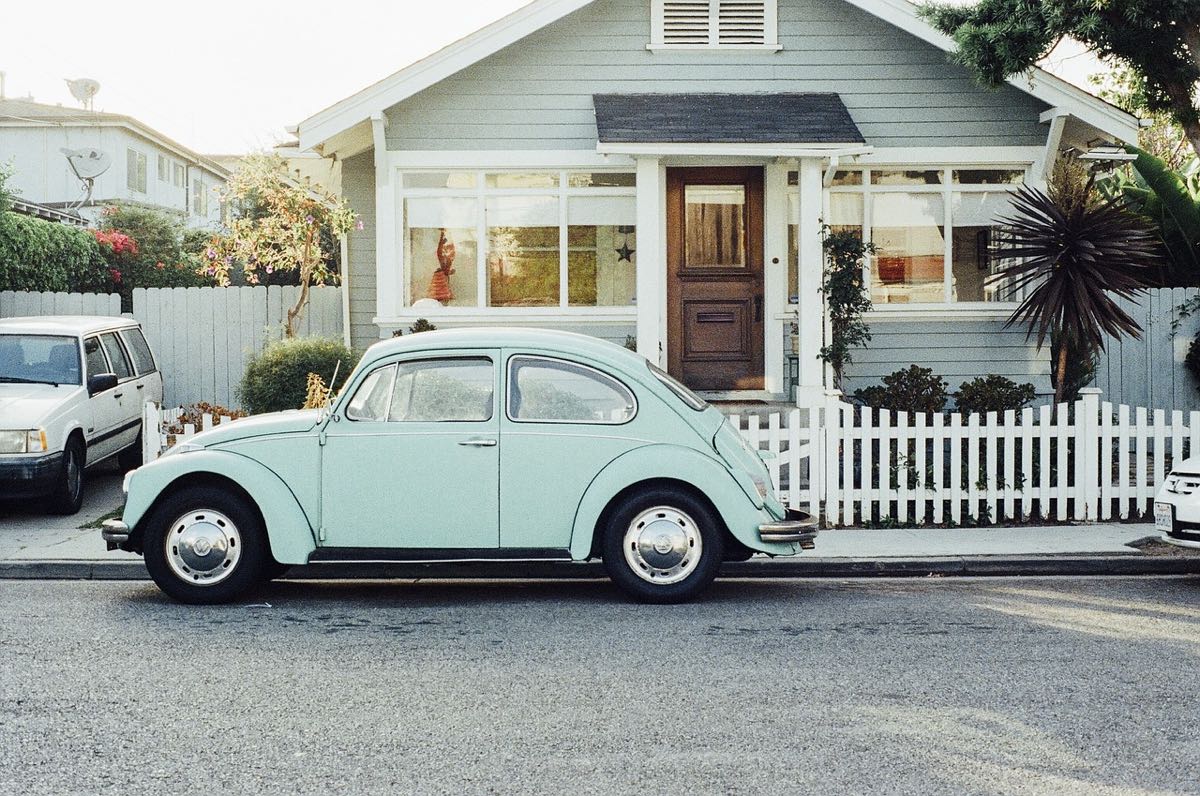
The cars I owned early on are great examples of this. My personal favorite was the air-cooled, dirt-cheap, barely functional Volkswagen Beetle. These classics were the entry level car for a whole generation of Boomers, myself included. By the time I was able to drive legally the early Bugs were plentiful and cheap.
My first was a 1964 model. Pale green with no frills of any kind. It was basic transportation. The heater box was so old and corroded from road salt that I would climb under the car in late fall to wire it open with a coat hanger. In the spring I reversed the process, closing it by hand.
I’ve owned six VW Bugs over the course of my life. Five were of the air-cooled variety. One was the modern version. Personally, I’ll take the 1960s edition of those cars over the newer models that were gussied up with air-conditioning, power windows, and stereo sound.
Mine didn’t even have cup holders. It was bare-bones motoring over the vast American highways and byways. It had an engine, a steering wheel, and a whopping 40 horsepower. I was good to go.
Times change. Technology catches up. I’ve learned to adapt.
My current car unlocks itself when I walk up to it. The driver’s seat readjusts from my wife’s preferences to my own before I can even slide my bulk through the doorway. There is a screen in the middle of the dash that allows me to control all the functions of the car, including software updates. If I’m too lazy for that I can simply pull out my phone and control the car with an app. Heck, I can even make the car drive to where I’m standing so I don’t have to walk through a parking lot in the rain. And it’s pushing roughly 10 times the horsepower of my old Bug.
Today’s ride has a plethora of cupholders, too.
This is the crux of the issue for me. The older versions of the vehicles we owned and loved were perfectly decent machines. They did what they were supposed to do. They did it well. They were reliable. And the fact that so many of them survive decades later suggests they were well designed for the long haul.
Airplanes fit into this discussion as well. The closest aeronautical cousins of the early VW Bugs would almost certainly include the Cub, Champ, T-craft, Interstate Cadet, and the Porterfield. They are little more than a pair of wings and a couple seats mated to an engine. Instrumentation is sparse and minimal. No autopilots allowed. Nothing that could be considered plush has any place in those little fun fliers. They didn’t even have electrical systems for goodness sake. No lights. No radio.
Perfect. Of course, they also lacked cup holders. As they should.

There was a time when creature comforts didn’t even enter the conversation when discussing modes of personal transportation. The idea that a human being could jump into a machine that would travel at the remarkable speed of 60 mph while cruising along hundreds of feet above the ground was simply amazing. Who needs a Coke, or a Slushy, or a Powerade when you’ve got the whole world stretched out below?
Ashtrays? Oh, yeah. We had ash trays. The Cessnas and Pipers so many of us learned to fly in came standard with ashtrays for the nicotine addicted, of which there were many.
On the transport end of the scale things weren’t much different. The Constellation is arguably the prettiest airplane to ever roll off a factory floor. It has a heavy-duty metal ashtray built right into the panel, directly in front of the captain’s seat.
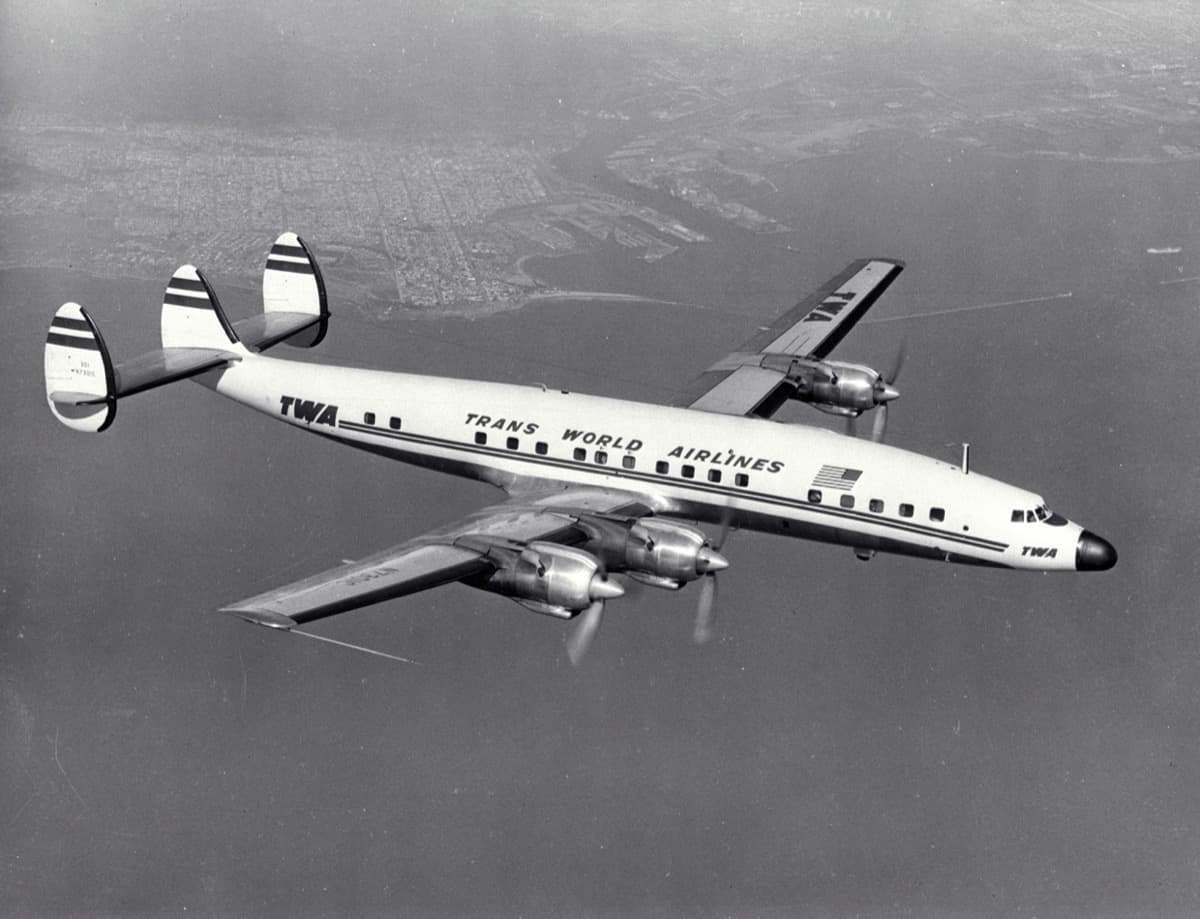
Try that one today and you’ll almost certainly find yourself sitting in HR waiting to have a very uncomfortable conversation about your employment with the company.
I blame cupholders for all this modernization. We used to just fly the damn airplane. Now, we’ve got desires for air-conditioning, glass panels, noise-cancelling headsets, and cupholders. All good things. All highly attractive to buyers. But they don’t make the airplane fly any better or the pilots any smarter.
Now, those of us who fit into the higher tax brackets can buy airplanes that come standard with cupholders. The rest of us can retrofit our aged airframes to include cupholders of all types. From the $75 variety that hook onto the door panel, to the thousand-dollar plus versions that replace our center consoles. Oh, we’ve got cupholders galore.
But riddle me this: If you’re launching off on long flights that require additional hydration, what are you going to do when the system has processed that liquid and is ready to offload the overflow?
Those of us who have ferried small aircraft long distances know this: If you’re going to carry a drink along for the ride, carry a second vessel. An empty one. Because you can’t pull over to the side of the road when you’re at 6,500 MSL over the forests and fields below.
Personally, I’ll continue to dream of the originals. Whether it be a 1964 VW Bug or a classic tube and fabric airplane with only an hour and a half of endurance between stops. I’ll take an airplane with no cupholders, no electronics, no creature comforts beyond a sling seat, a throttle, a stick, and a couple rudder pedals.
Because I like to fly the airplane and look out the window at the world. I can hold off on the beverage until I get to the next FBO or airport restaurant. I like it like that.

I really like this piece. It think it could be applied to people also. We don’t need to try to be everything everyone thinks we can or should be. We only need to be good at what we need to do or like doing. Being our authentic selves.
If you are a traveling plane you probably want all those extras. More horsepower, avionics, autopilot, etc.
If you are a hobby plane that seldom if ever goes more than 70 NM from home, you really don’t need or want much of the extras.
All about the primary role.