

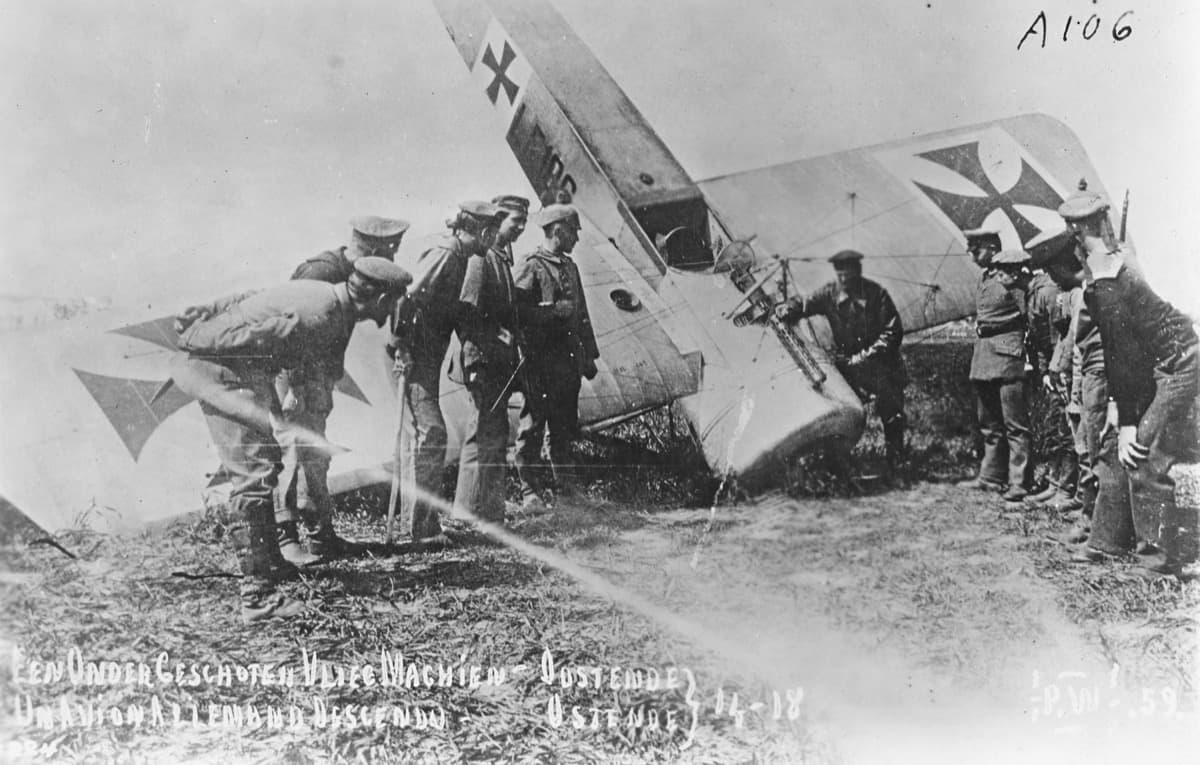
Anthony Fokker’s Eindecker fighter of 1915 briefly gave the Germans a startling edge in air combat in World War I.
With panache, the British press coined the term Fokker Scourge to characterize the era when the Eindeckers were the only warplanes fitted with a synchronizer to enable the fighter’s machine gun to fire through the propeller arc. This revolutionized air-to-air combat.
Before this fire synchronizer, some World War I aircraft inelegantly had steel plates attached to the blades of the propeller to deflect any errant rounds that might strike the prop. The French and British later caught up with gun synchronizers of their own.
The air dominance of the Fokkers was over by mid-1916 as they were overwhelmed by French Nieuport 11 fighters that had maneuvering advantages and placed a forward-firing machine gun on the top wing, mounted high enough to fire with no interruption over the top of the propeller arc.
A dive into the legend and lore of Anthony Fokker yields a still-vague and anecdotal characterization of a man who was acclaimed as a skilled pilot, while also verging on being a P.T. Barnum-esque promoter.
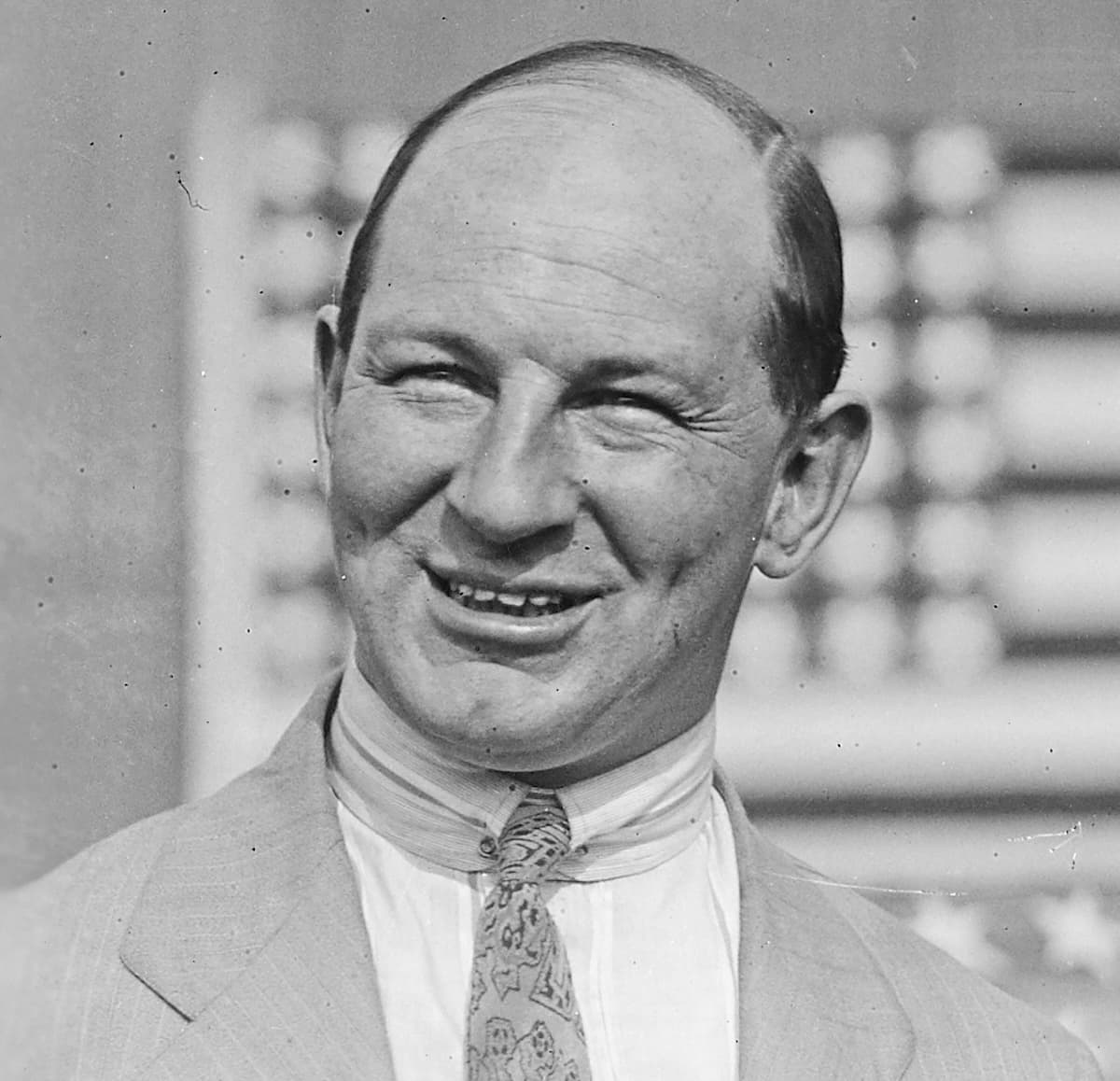
Fokker (whether the man or the company) gets credit for pushing forward-thinking designs like welded steel tube fuselages, minimal external wing bracing wires, and the first successful machine gun fire interrupter. These innovations helped put three of Fokker’s World War I fighters — the Eindecker, the Dr.I triplane, and the D.VII biplane — into the pantheon of warplanes of that era.
But some Fokker aircraft of World War I came under scrutiny for perceived lapses in construction quality. Even the iconic triplane suffered upper wing failures attributed to construction lapses at the time and later believed to be the result, at least in part, of a drastically higher lift coefficient for the top wing.
The Fokker World War I aircraft family tree, following the early success with the short-lived Eindecker of 1915, stumbled through several mediocre designs until the Dr.1 triplane of 1917 caught the attention of German pilots of the first rank, as well as their adversaries.
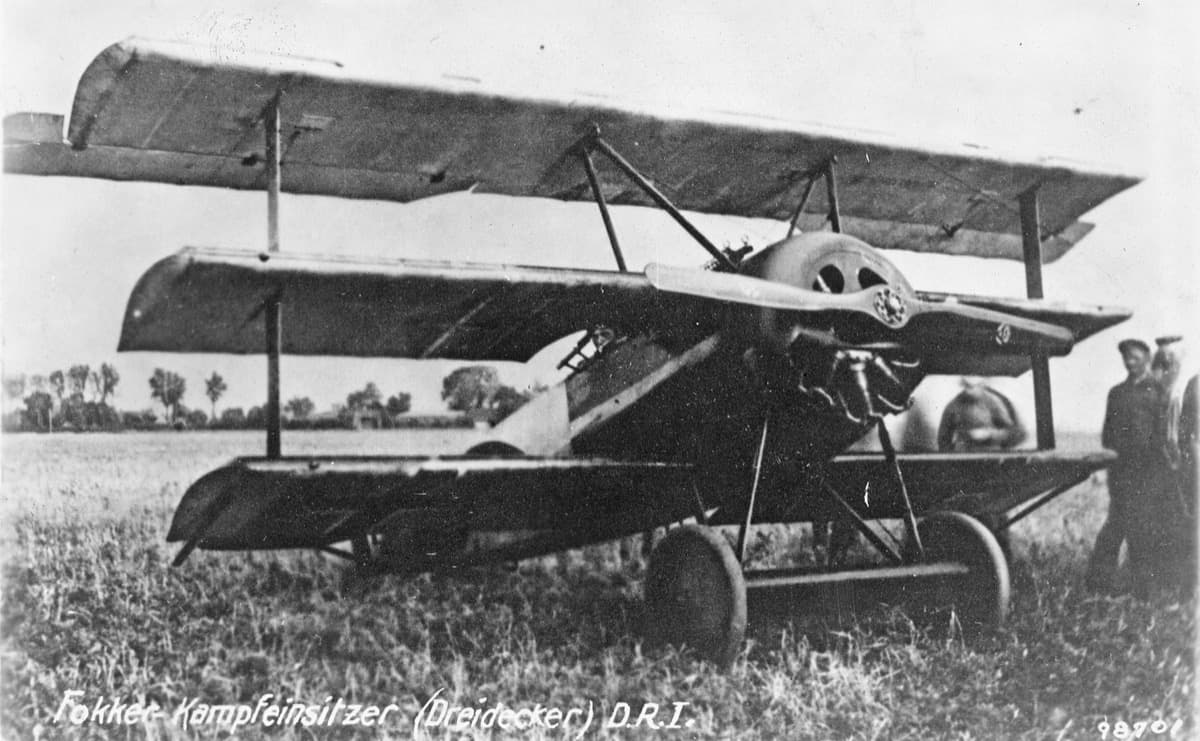
The Fokker triplane was maneuverable and climbed well, but was outclassed in speed. Its two .30-caliber Spandau machine guns, firing through the propeller arc, took their share of Allied aircraft.
Famously flown by Manfred Von Richthofen, the triplane also was the mount of choice for Werner Voss, who tallied a total of 48 victories, many while flying his triplane. A one-against-eight aerial battle that did not favor Voss led to his death on Sept. 23, 1917, with the loss of his Fokker Dr.1 triplane.
Quirks and all, the Dr.1 triplane earned respect for its abilities in the hands of good pilots. Construction of the triplanes totaled 320 aircraft.
The Fokker formula used welded steel tube fuselages and tail surfaces coupled to wooden wings, all fabric covered. Some generally lackluster designs followed the triplane until the Fokker D.VII biplane of 1918 pulled together the right mix of design and components to make a feared fighter in the last year of World War I.
One could persuasively argue the Fokker D.VII was the best fighter of World War I.
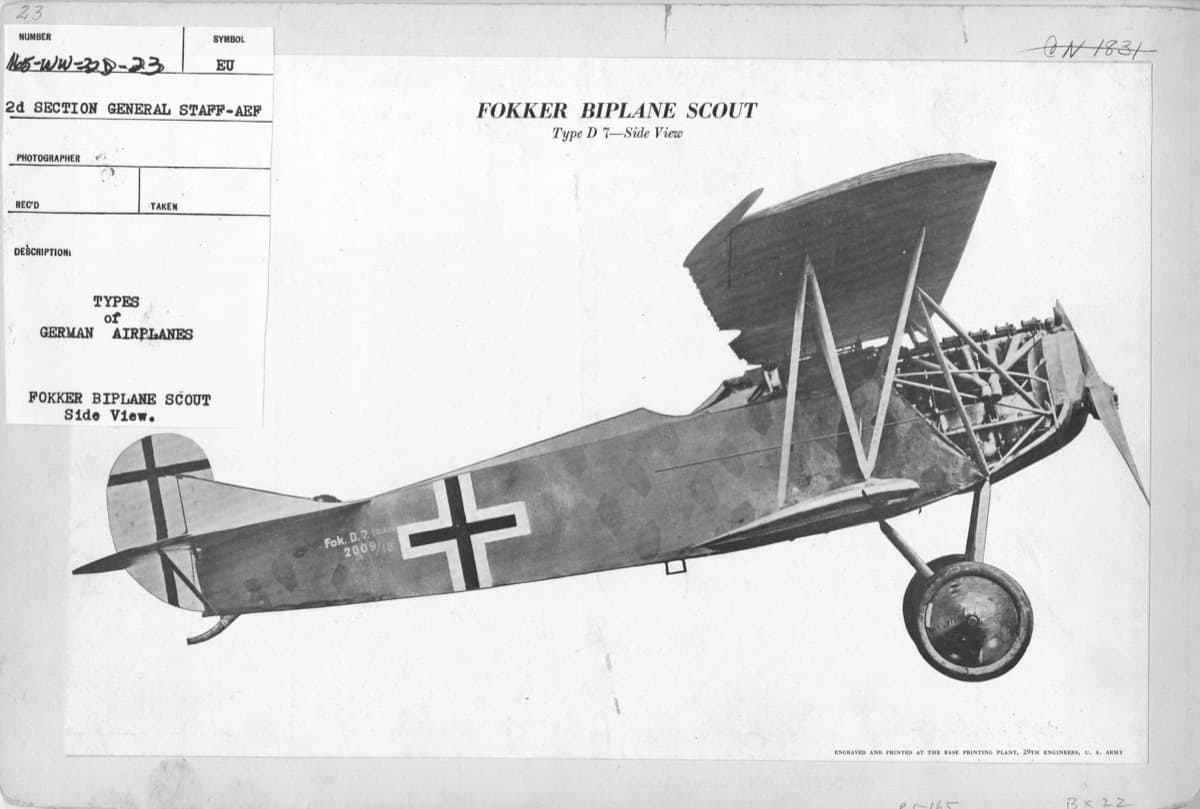
When fitted with a 185-horsepower BMW engine, the D.VII could attain 116 mph. The competitive French SPAD XIII could outrace the D.VIII at up to 130 mph, but the thicker wing airfoil of the Fokker gave it better handling that served pilots well in combat.
It is said the Fokker D.VII made good pilots out of unremarkable ones. That thick wing enabled the D.VII to hang on its prop, lingering longer at high angles of attack without stalling than opposing aircraft of the day. The thick wing structure also allowed for internal strength and minimal struts, with no flying wires needed.
Between 700 and 800 D.VIIs reached the front by the time the war ended in November 1918. Around 150 of them were subsequently appropriated by the U.S. Air Service and shipped to the United States.
The Fokker establishment had one more fighter in mind before the war ended. It was another monoplane, this time a parasol, labeled the Fokker D.VIII. Powered by a German Oberusel rotary engine of 110 horsepower, the D.VIII won a fly-off competition against several new warplanes in April 1918.
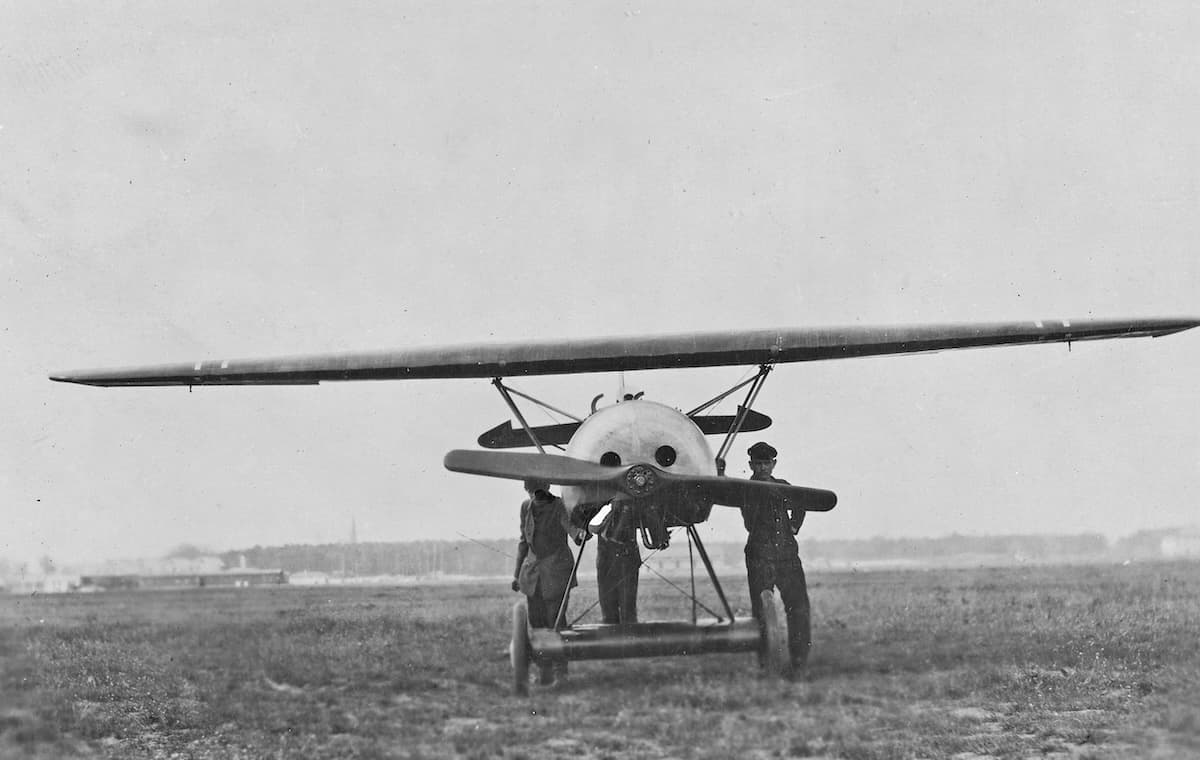
Climb rate, agility, and high-speed dives were in the repertoire of the D.VIII. But this capable late-war fighter suffered from its use of a rotary engine when a wartime shortage of the engine’s necessary castor oil lubricant led to engine stoppages and forced landings.
More vexing to all concerned were three D.VIII crashes due to failure of the parasol wing. Fokker blamed a German Army demand for changes in wing structure, while others said it was due to construction issues at the Fokker plant. The problems were ironed out, and D.VIIIs scored some victories late in the war, but the parasol fighter was soon out of a job with Germany’s defeat.
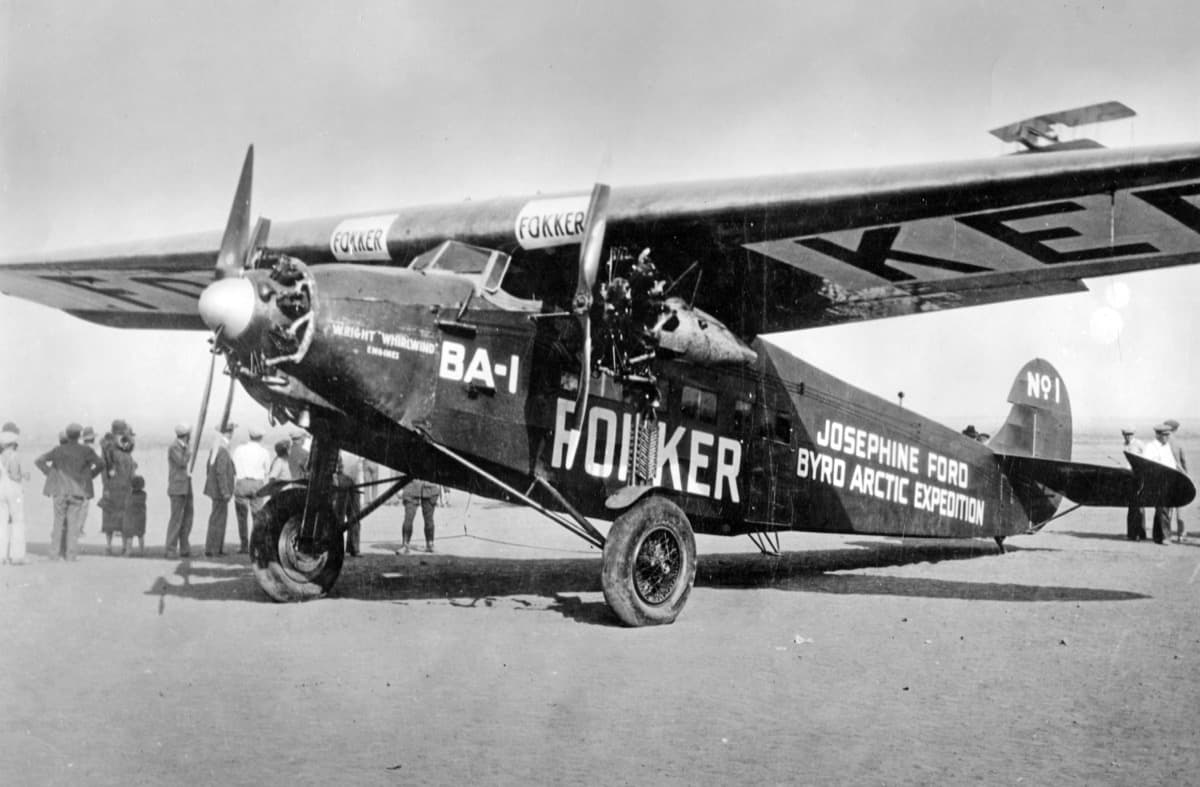
Tony Fokker moved to Holland after World War I, removing trainloads of aircraft and parts from Germany to jumpstart a new venture. By the mid-1920s, Fokker had conceived and delivered the airliner of the era, the Fokker Trimotor. Using Fokker’s tried-and-true formula of welded steel tube fuselage mated to a wooden wing, the Fokker F.VII trimotor and its successors, some built at a factory in the U.S., dominated the airline market in the last half of the 1920s, and gave Fokker a prosperous postwar era.
As stock sales eroded Anthony Fokker’s control over his business, he resigned in 1931. And the era of steel-tube-and-wood fabric-covered airliners was eclipsed by all-metal designs coming into vogue at that time.
Anthony Fokker’s persona and planes fired the imaginations of schoolboys who doodled versions of his trimotor on notebooks, and pondered his contributions.
Peter M. Bowers created this Of Wings & Things column in the 1970s after designing his own successful homebuilt aircraft, the Fly Baby. Pete’s mother told a story about young Pete, as a boy, declaring he wanted to be Anthony Fokker’s assistant. When asked why he didn’t just want to be the number one man, Pete said with the candor of childhood that it was because Fokker can’t go on forever.
Anthony Fokker died at age 49 in New York in 1939. Pneumococcal meningitis claimed the man who had challenged the skies as a daring aviator before World War I.

Excellent article. I study military history after my brief time in the USAF. Fokker sure left his mark. Thank you.
You are very welcome, Joel!