

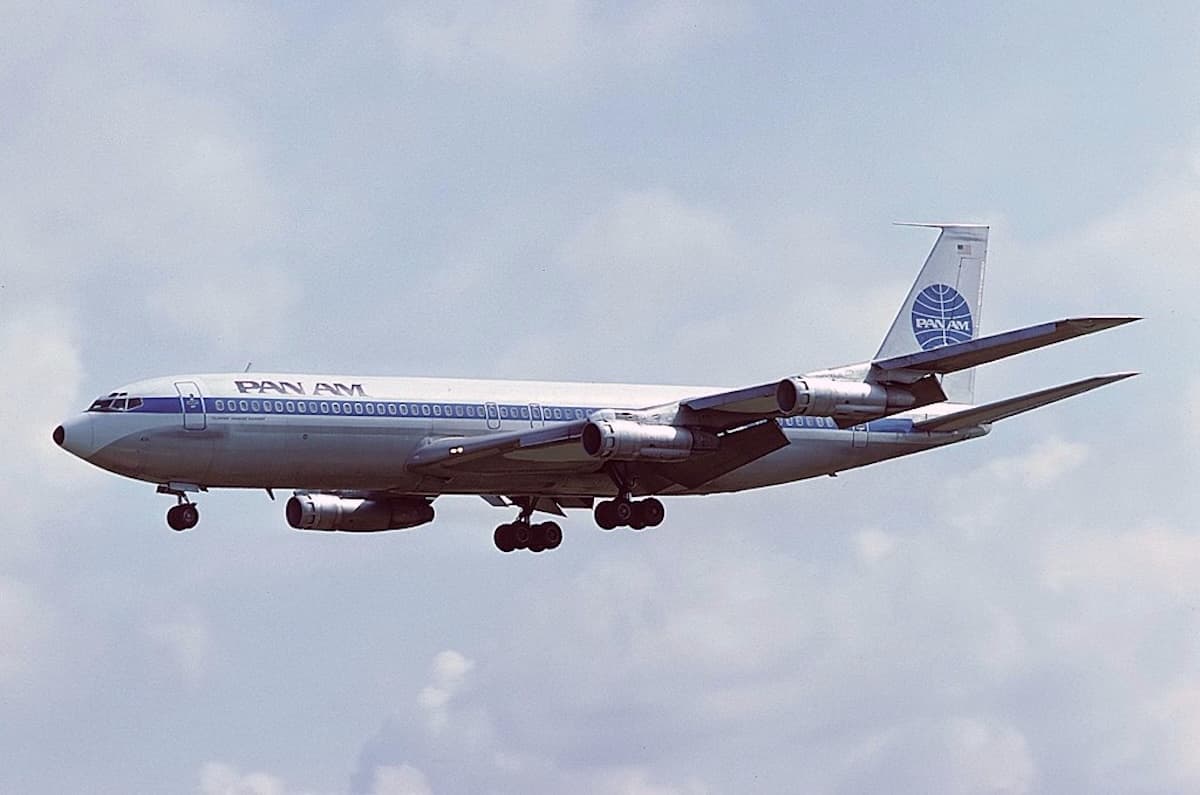
After a few decades in aviation, it became clear to me that machinery was never the real draw of the industry. Not entirely.
Initially I was enamored of the aircraft. With literally thousands of types taking to the skies over the years, I could never understand why everyone wasn’t equally fascinated. Single-engine, multi-engine, land planes, sea planes, taildraggers, tricycle gear, pushers, tractors, the variations seemed endless.
Yet, for all my interest in the aircraft and my absolute love of being airborne, those affections pale in comparison to the thing that really kept me interested and motivated through all these years: The people.
Only a few weeks ago I sat at a kitchen table in western Massachusetts across from an elderly couple and their daughter. They were Ed, Marge, and Marybeth. We drank coffee and told stories of years gone by. Old friends gathering to celebrate our relationship once again. Perhaps for the last time. Probably for the last time.
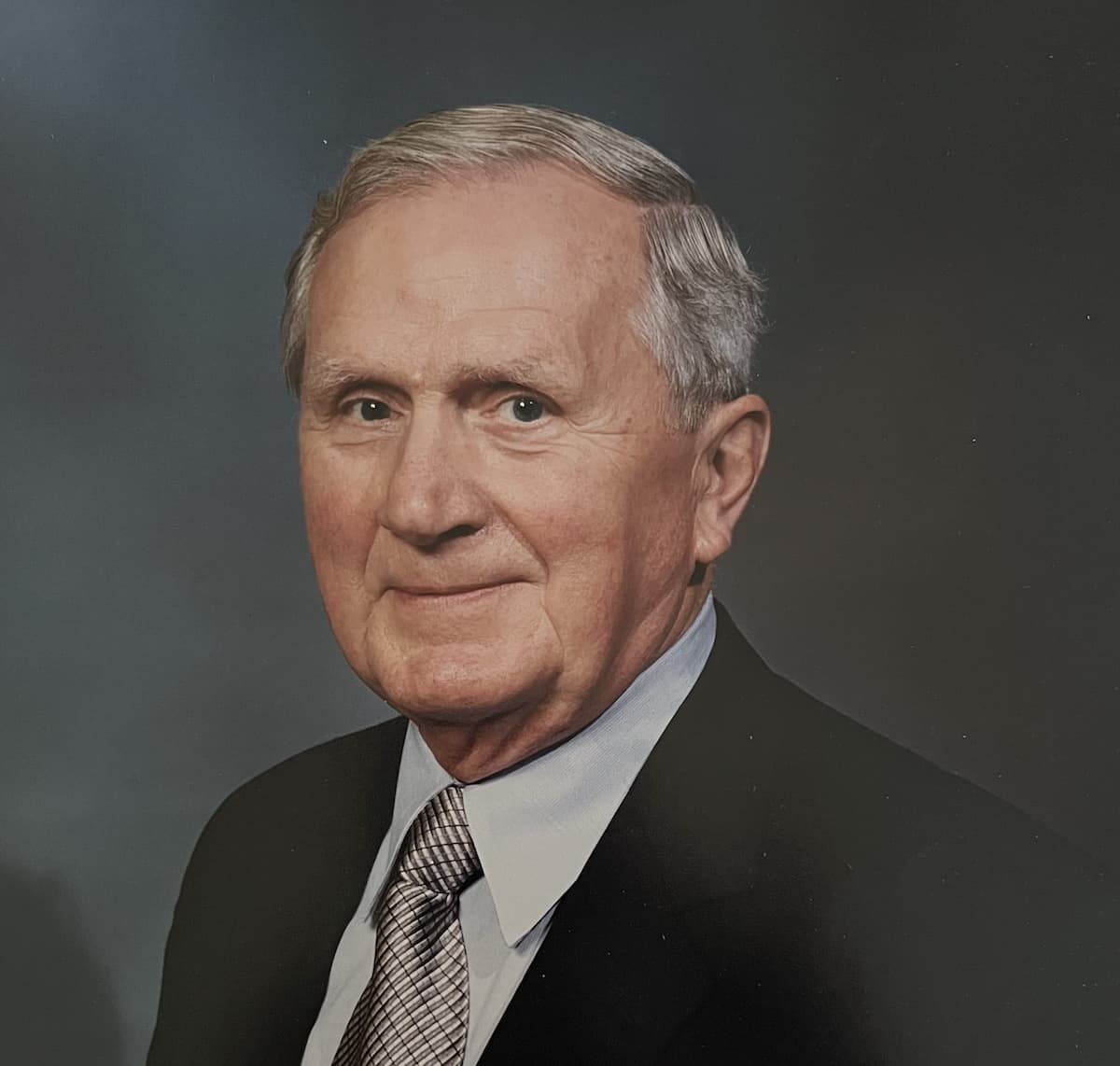
I’ve known Ed since I was a small boy. He flew freighters for the U. S. Air Force in the 1950s. The front seat of a C-119 was his home for a time. The Flying Boxcar wasn’t sexy or fast or comfortable, but it did present a boy from the suburbs of Philadelphia with the potential to do something special. Something interesting. To see the world. Or at least a wider portion than he could see from the porch of a cabin on the Jersey shore.
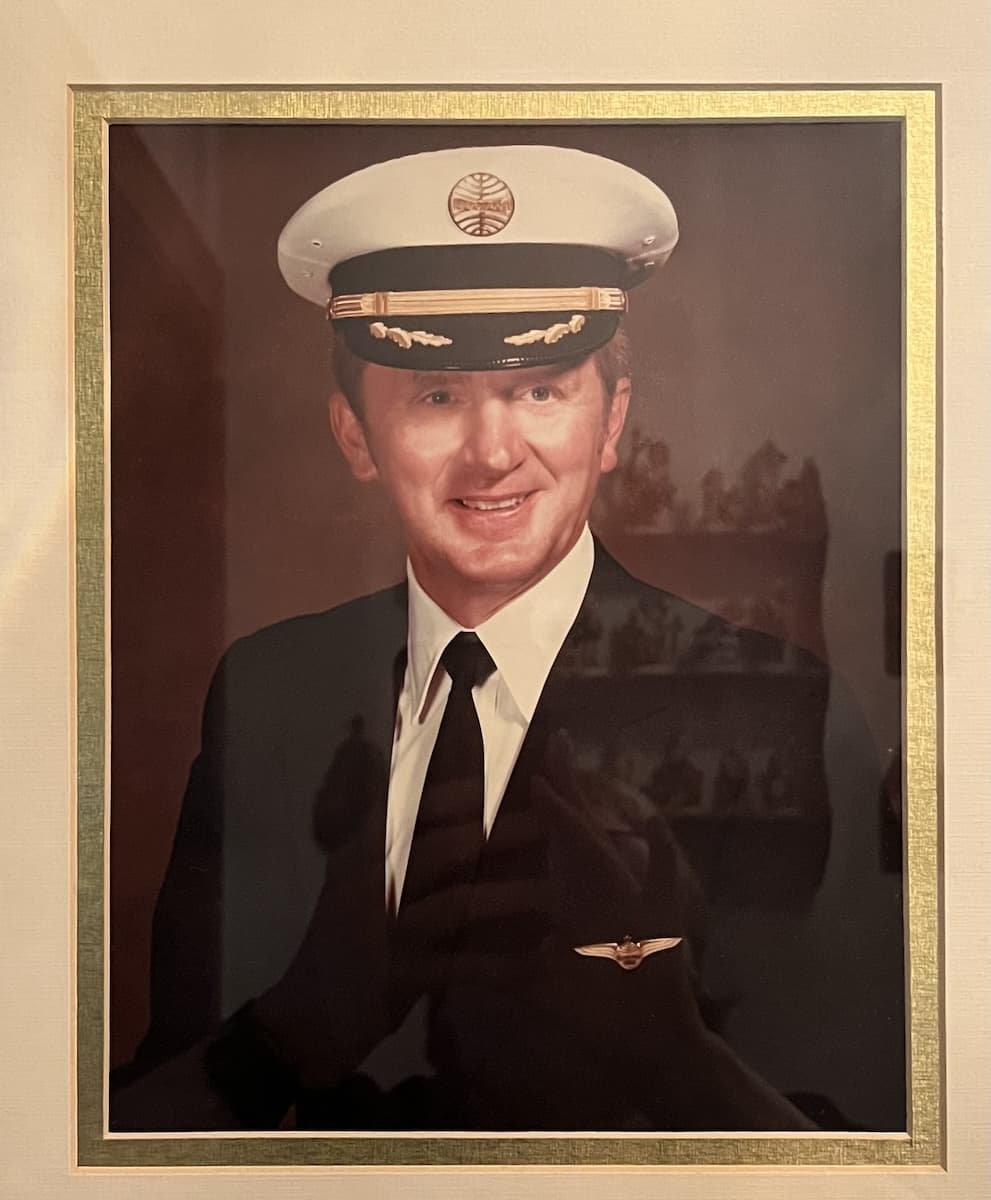
We met a bit later, when Ed went to work as a navigator on the first jet-powered transports wearing the livery of the largest and most exclusive airline in the world. To be wearing the uniform of a flight crew member for Pan American World Airways was quite a thing.
The Beatles flew on Pan Am. Richard Burton and Elizabeth Taylor rode in first class. Marilyn Monroe, Princess Grace, Paul Newman, Led Zeppelin, Harry Belafonte, and so many more flew around the globe on aircraft sporting the Pan Am blue ball.
Charles Lindbergh plotted courses for Pan Am and sat on the board of directors.
That put Ed in a prime position to find himself on the flight deck of a Boeing 707 when a tall man left his seat in the economy section to visit the crew. I cannot imagine the excitement of a young man on his way in the world when he found himself seated within arm’s length of the most famous and accomplished pilot in world history. But Ed can. He lived it.
Incidentally, being hired as a flight crew member for the most prestigious airline on the planet was not synonymous with being fabulously wealthy. Not to start anyway.
Ed was hired for the princely sum of $425 a month. That translates to roughly $50,000 a year today. Not a bad income, but it is well below the national average for all workers. That’s still true today. Starting pay is less than impressive. But over time, with persistence, that rate can increase dramatically.
Time is the great gift we all get to work with. That’s true personally, as well as professionally. My friend Ed made his way from the Boeing 707 to the Douglas DC-8. He rose from navigator to what was then called the co-pilot position, and ultimately to the left seat where he wore four bars on his shoulders.
The last 20 years of Ed’s career were spent in Boeing 747-100, 200, and SP variants. He’s enjoyed the company of celebrities on his flights, as well as the occasional complaints that might arise should an amorous couple be found canoodling in the aft section of economy. These things happen.
He captained Flight 103 from Frankfurt to New York on Tuesday night, Dec. 20, 1988. This intentional scheduling would allow Ed to be home for Christmas and New Year’s with his family. It was a happy time. Unfortunately, that happiness didn’t last.
That day and date may not ring a bell for you, but the same flight on the very next night made international headlines when it exploded en route and fell onto the small town of Lockerbie, Scottland.
That sort of proximity to tragedy can certainly make one reflect. Ed speaks of that time with noticeable sorrow for those lost, including Jim MacQuarrie and Ray Wagner, the captain and first officer of the doomed flight. Men Ed knew and spoke with both after their arrival in London, where Ed was preparing to depart for New York.
There is great wonder in aviation. And there is unanticipated loss. Those of us who have worked in any facet of the industry learn to accept both over time. Although I don’t believe any of us ever get entirely used to it.
Three years later Ed was on a layover in Rio de Janeiro when the news came through that Pan Am was no more. Crewmembers from multiple flights and various home bases were suddenly without a job, far from home, and lacking direction. Being a captain, it was Ed’s mission to gather the troops, load them onto an airplane, and bring them home.
And so it was at 2205 on a sad night in December 1991, Ed landed the last Pan Am 747 to touch down in Miami. The airline that had made the city proud, that had elevated Juan Trippe to international status, was no more.
It is worth knowing the end of an era is not necessarily the end of the road. My friend filled out his career flying for Korean Air Lines. Retiring in 1995 when he hit the magical age that makes an experienced individual too stupid to fly transports any longer, his long career finally came to an end.
I’ve known Ed for decades, as I’ve known so many others. All with stories to tell. All with some wisdom or insight worth knowing.
Yes, I love the machinery of aviation. But I’m absolutely amazed by the people who operate that machinery. We who participate today are all blessed to be counted among that group.

Aviation tales are by those who lived it.
Some are somewhat embellished, but most are true and many are funny spiced in with a few sad occurrences and pilot friends who “bought the farm”.
The planes are great, the people are better.
Flying for the airlines ain’t what it used to be!