

If you fly tailwheel airplanes long enough, you probably know a few tailwheel legends.
I’m not talking about the famous ones. Not the air show performers, social media stars, or the people everyone in aviation has heard of. I’m talking about the local legends. The ones you watched from a distance at your home airport before you ever really knew them. The ones who seemed completely at home in tailwheel airplanes. The ones who made challenging flying look natural and carried themselves in a way that made you want to be a better pilot.
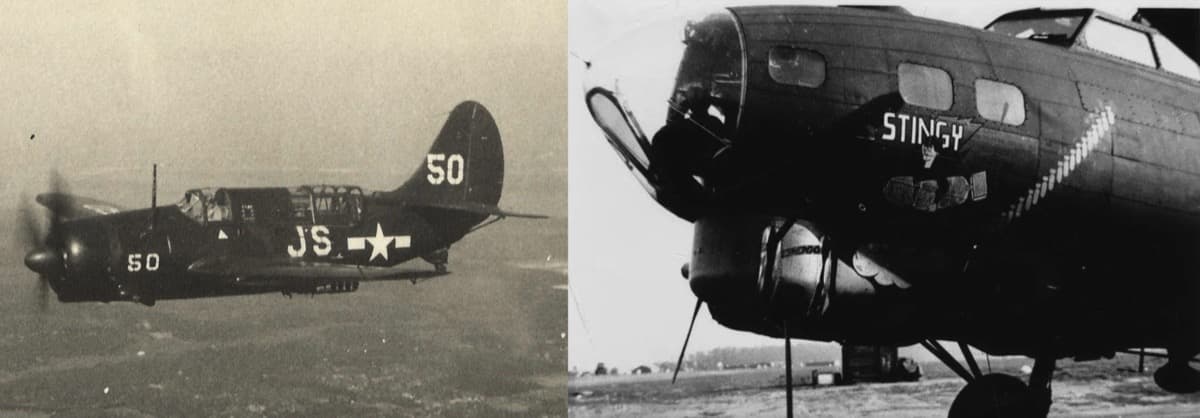
I’ve been fortunate to have met a few true aviation legends in my life. As a teenager working the line at South Jersey Regional Airport (KVAY) in Mount Holly, N.J., in the early 1990s, I got to know Roy Geisert, a retired TWA captain who flew Curtiss Helldivers in World War II. At TWA, he started on Connies and retired off the 747. His gorgeous Skywagon (now owned by his son Carl) always stuck with me and later inspired me to buy one.
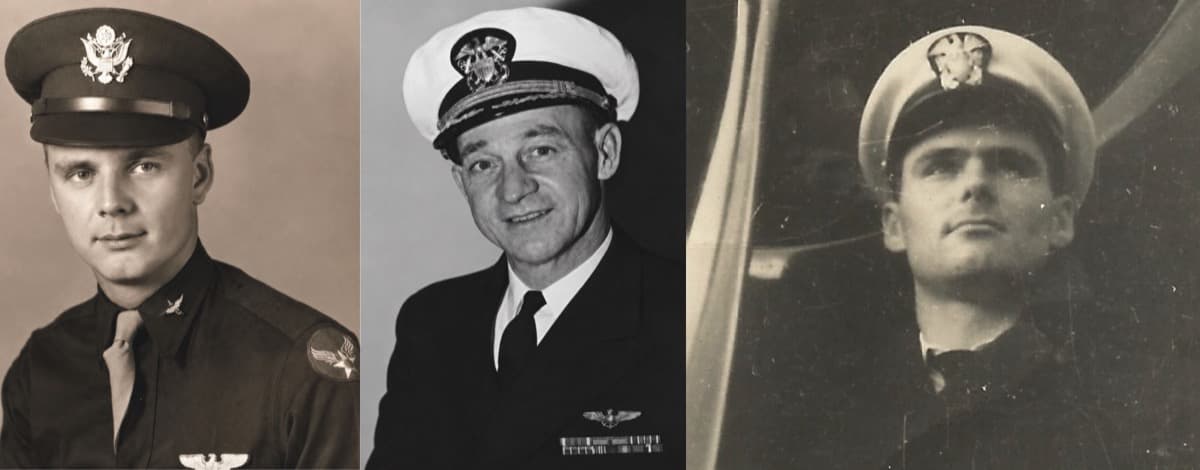
Jack Dalsey was also a regular, a World War II 25-mission B-17 bombardier who often talked about his “intense” second bombing of Schweinfurt. He let me use his airplane for my instrument rating.
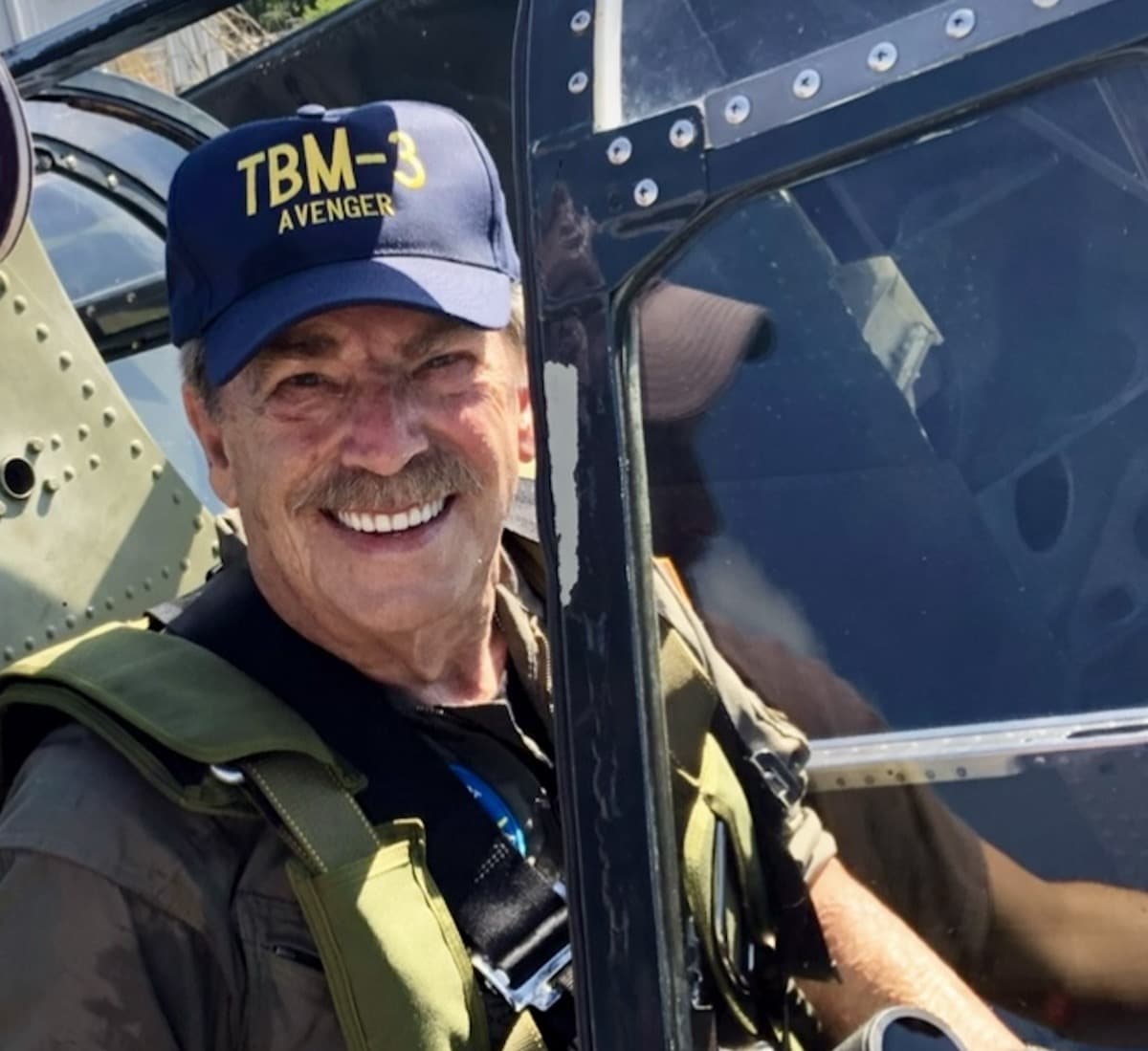
And then there was Bob Mills, who gave me my seaplane rating at the historic World War I Philadelphia Seaplane Base (9N2). Bob was a decorated Naval aviator who flew Avengers and Hellcats in World War II. They’ve all gone west, but how lucky was I that I got to fly with each one of them as a teenager.
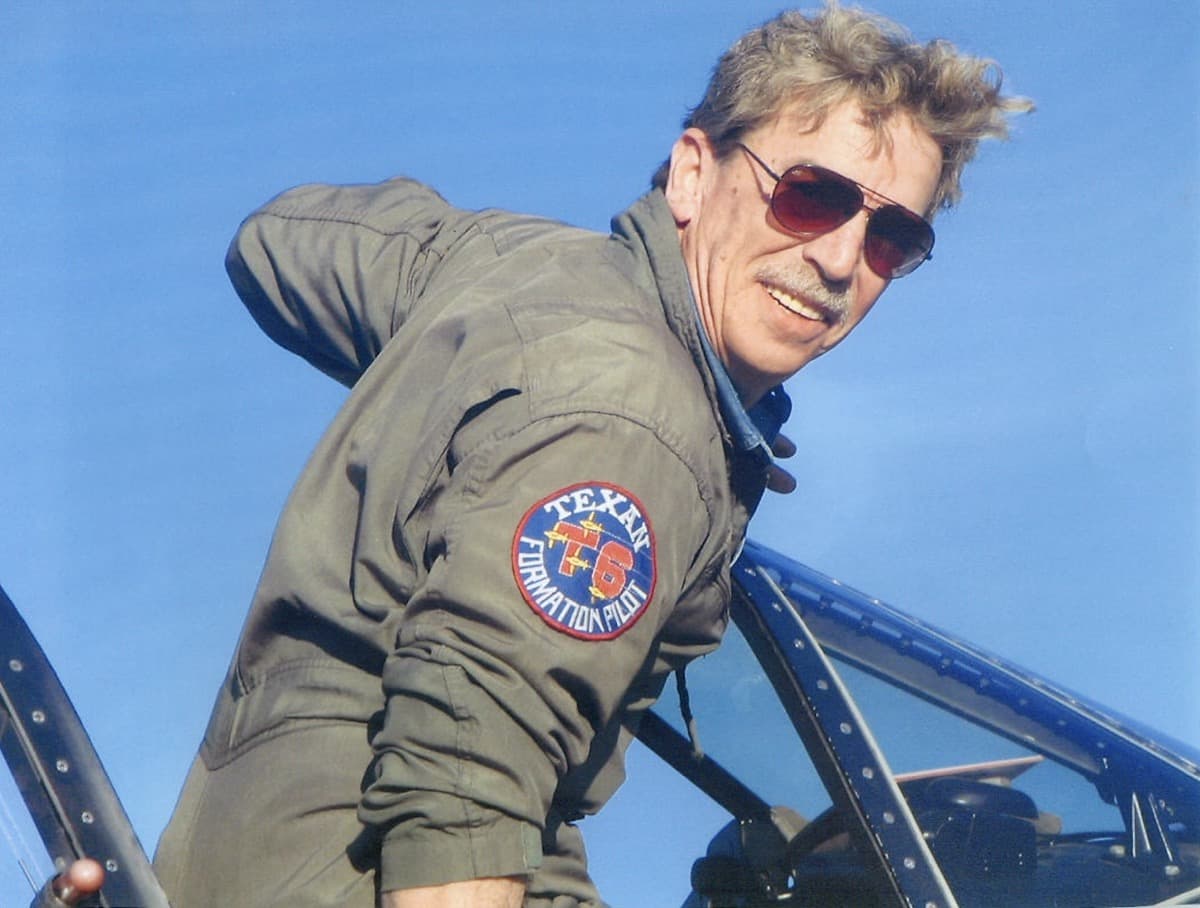
When I think back on how I got started in tailwheel flying, my last story about Jay Worth (The Influencer) naturally leads to another role model in my flying life: Terry Rush. We lost Terry to cancer last year, but I was fortunate to have him as both a mentor and my tailwheel instructor during the early stages of my flight training.
Terry was one of those rare instructors who didn’t just teach you how to fly an airplane — he shaped the way you approached flying altogether.
I met Terry in 1992 when I was a high school kid working line service at KVAY. Terry gave me the opportunity to earn my tailwheel endorsement and wouldn’t accept a dime from me.
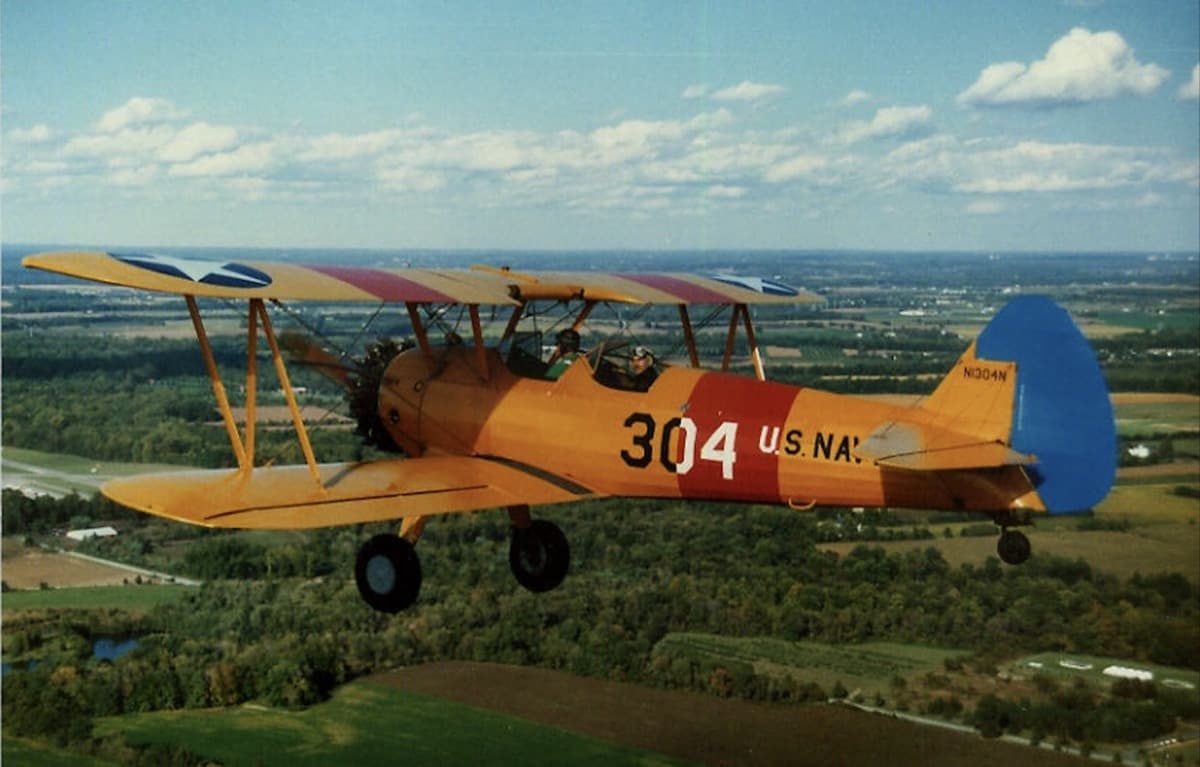
Even then, I knew Terry was the real deal. He had an aircraft maintenance shop, and on his days off from being an airline pilot for Delta, he’d be out there turning wrenches, giving rides in his Stearman, or teaching in a J-3 Cub. He was an aviator.
Terry was an A&P and IA, a warbird pilot, and a Vietnam Marine veteran who had flown as a gunner on a Huey. His father had been a World War II pilot. Aviation was not just Terry’s job — it ran through his veins.
Looking back now, I realize what an honor it was to have Terry as my tailwheel instructor. His tailwheel endorsement signature in my logbook remains one of my most sentimental possessions.
His Piper Cub was a better teacher than a lot of modern airplanes, mostly because it didn’t mask my deficiencies. In many cases, it exposed them immediately. There was no radio, no navigation equipment, no electrical system — so learning local landmarks, keeping your head on a swivel, and looking outside were mandatory.
Even learning how to hand-prop the airplane was simply part of the process. It didn’t have a stall horn or flaps either, which meant stalls and slips were not some maneuver briefly demonstrated, then forgotten. In a Cub, these things were just part of the fundamentals of everyday flying.
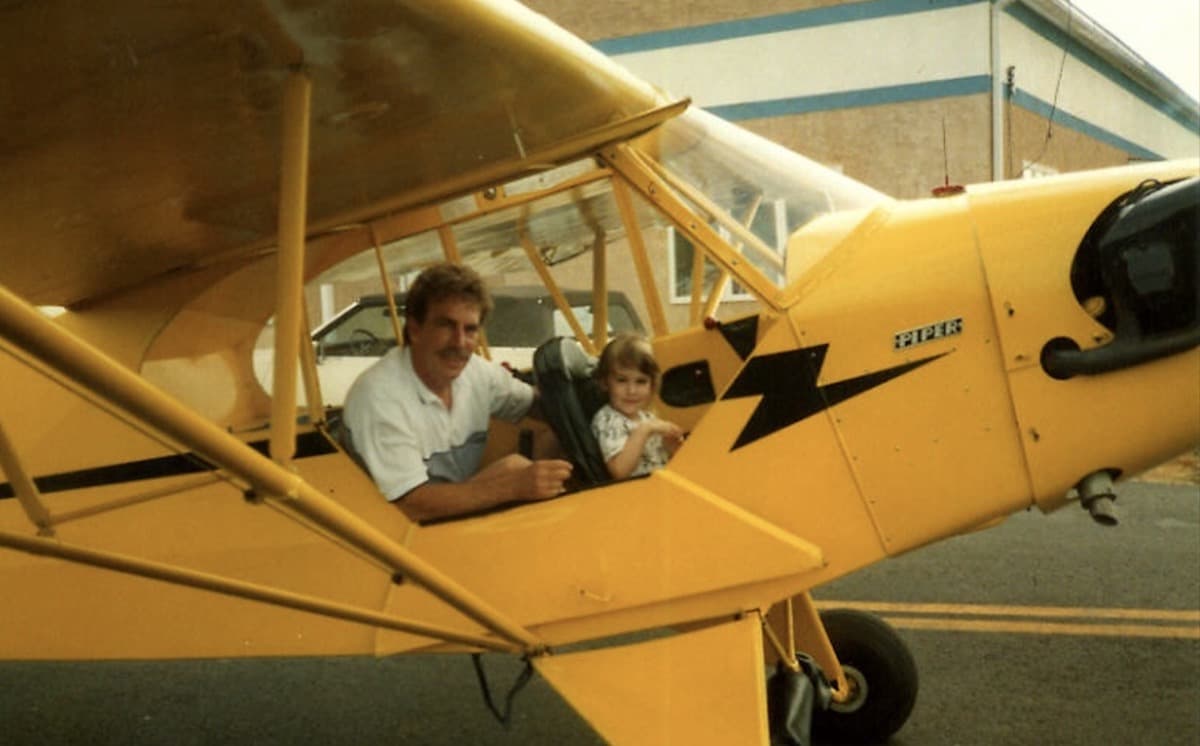
The Piper Cub taught lessons in a way that stayed with me.
One very hot and humid day in August 1993, with that 65-horsepower Continental doing all it could, I remember the airplane barely wanting to climb after takeoff. Terry let the lesson happen. The ball was out of center and the airplane was telling on me. The moment I centered it, the airplane started climbing.
It was a simple lesson, but an important one. Coordination mattered. Efficiency mattered. Energy mattered. Density altitude mattered. Terry was teaching me to feel and understand what the airplane was doing, not just confirm it with a glance at the panel.
Flying from the back seat of a Cub with the instructor in front did not give you much of a look at the airspeed indicator. You had to learn through sight picture, wind noise, attitude, and feel. Terry would say, “Use your butt, kid.” He was teaching me to recognize the cues of what the airplane was telling me and to sense and feel what the airplane was doing. He was transferring his skills and tools to me.
He taught me more than stick and rudder, though.
Terry used to talk about the difference between being a pilot and being an aviator. To him, a pilot could learn procedures and operate an airplane. An aviator embraced the responsibility, discipline, humility, tradition, and lifelong pursuit of mastering the craft.
One night, after working in the hangar, Terry gave me a talk I have never forgotten. I had been messing around too much with my friends, as knuckle-headed teenage boys do, and starting to drift from the seriousness aviation deserved. During a line service shift that evening, he pulled me aside in the FBO office and made it clear he was disappointed that I was not applying myself like someone who said he wanted to make aviation his life. It hit me hard. I was in tears by the time he was done, but it was exactly what I needed. Looking back, that talk mattered every bit as much as the flying lessons.
It pulled me back into focus. More than that, it made me want to become something more than a guy who could just fly airplanes. It made me want to become the kind of aviator Terry respected.
During those early years, Terry was not the only tailwheel hero in my life.
There was also Dave Gidzinski, another local legend around the airport. “Davy” came from the old school. Banner towing. Crop dusting. The kind of flying that was unforgiving and demanded that you stay ahead of the airplane. He was an A&P and had also flown for Pan Am in his early 20s, which only added to the mystique for a younger pilot like me.
Davy’s aeronautical and technical knowledge ran exceptionally deep. When he learned I had been flying with Terry, he also took me under his wing and began teaching me more advanced tailwheel skills in his Cub.
One lesson with Davy is burned into my memory as clearly as anything I have ever learned in an airplane.
He was teaching me about aerodynamics, rudder use, and the consequences of getting lazy with your feet. In a carefully controlled slow-flight demonstration at a safe altitude, he had me keep my feet flat on the floor. As a stall began to develop, he brought in full power. The airplane broke left as the torque, P-factor, and gyroscopic forces all came alive at once, yawing the aircraft left into a spin without any left rudder input forcing it there. I walked away from that lesson with a far deeper respect for coordinated flight and the subtle forces that can have a very real impact on an aircraft.
That was the thing about Terry and Davy. They were not just teaching technique or demonstrating maneuvers. They were teaching judgment, discipline, and respect for what an airplane can do when it is no longer under complete control.
They were teaching standards as well. They understood that this part of aviation gets passed down the old-fashioned way: One airplane, one lesson, one conversation at a time. What made them legends to me was not just that they could fly tailwheel airplanes well, it was that they cared enough to pass it on.
That is true for many tailwheel pilots. Most of us can trace our love of tailwheel flying back to someone who took the time to teach us, challenge us, and humble us. The pilots we looked up to made difficult flying seem effortless, but what stood out most was their discipline, judgment, and respect for the responsibility of transferring that skill to us. They were not just instructors. They became mentors, heroes, and local legends.
The funny thing is that most of them never thought of themselves that way. They were simply passing along what had been taught to them by the generation before. Mine showed me that flying could be more than a race to a dream job. It could be a craft, a discipline, and a lifelong pursuit of becoming a better pilot.
When I think about tailwheel legends today, I don’t think about the famous names. I think about Terry, Davy, Roy, Jack, and Bob. They passed the tradition on to me. These tailwheel legends are a big part of the reason why I love flying tailwheel airplanes.

I flew with Roy Geisert as his copilot many times with TWA on the B707. He was a really good pilot to say the least. I also owned a 1942 J3 Cub that I taught my son to fly at age 16, he then flew Navy F18’s for over 30 years starting at age 20! He is now a senior AA Capt. If you are fortunate to learn to fly in a Piper Cub you will always be a true pilot! I think every pilot needs to be proficient in flying tail wheel aircraft. They need too know that the rudder is your best control device and that includes my more than 25K hours in heavy jets!
Perhaps the best lesson to be drawn from this excellent article is that, while none of us may consider ourselves to be “legends” or anything of the kind, there are many of us who have experience and knowledge gained through decades being in, on and around airplanes.
The younger folks who want to fly and become mechanics all need a mentor. The knowledge they need isn’t going to drop into their laps from some invisible cloud. That knowledge lies within us, the silver-haired generation. It’s up to us to set aside some of our own selfish pursuits so that we may have the resources to mentor the next generation. Sure, we’re all busy and we’re all broke. The reality is we really aren’t so busy or broke that we can’t spend some time sharing our hard-won knowledge with those who wish to follow in our footsteps.
I put my money where my mouth is. Last night I provided a young lady with her first flight experience. I’m mentoring a local lad who hopes to be able to maintain his own amateur-built aircraft.
Giving back has to become something that we do unstintingly.
Very nice story about about one of the originals. My story would be a long one as well.
I am 90 years young today and learning to fly in 1950. Nothing but tail wheel airplanes.
Lessons in a 1950 Cessna 150. Seems most every airplane then was tail wheel. I became commercial pilot and flew 195 for charter. Many years of flying for living. got into sales of all the Cessnas and flew Beech D18, UC78, DC3, Curtis C46. I had a full career
flying for US Forest service. Just loved it all.
You never forget your first solo. It was in a Cub back in 1969……
Great article……too!!!!
Great article. I received my tail wheel endorsement several years ago in a Champ. My flight instructor started with basic maneuvers: turns around a point, S turns etc. and it was a humbling experience. He would call me on every deviation, especially on downwind if I was not parallel with the runway. I realized this was not nitpicking, it was reinforcing how important looking outside the airplane and coordinated control is in an aircraft. Best training I ever received and though I fly a PA 22 Tri Pacer the lessons learned translate to any type of aircraft, including tricycle gear.
The other side of the equation: 11,000+ hours, 10,000+ tailwheel almost all dual given in a variety of airplanes. Don’t let anyone kid you, we TW CFIs learn something from every student we fly. That’s what keeps us coming back.