

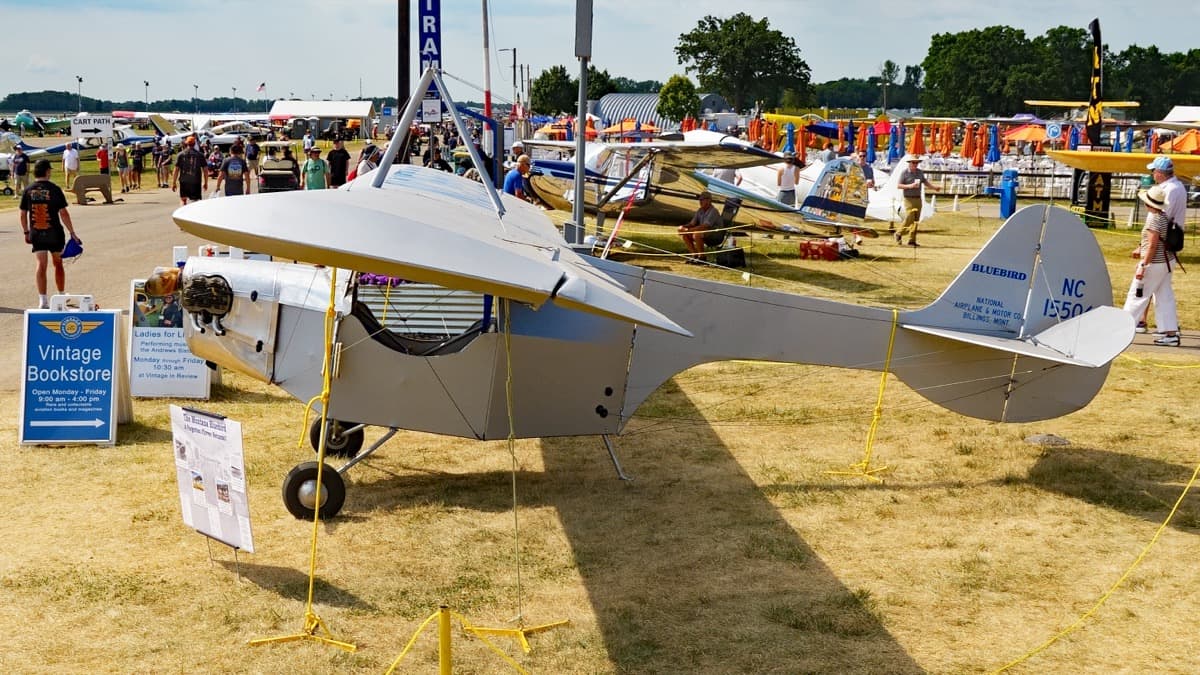
Montana’s Tim Talen has breathed life into the extinct Montana Bluebird, a diminutive two-place airplane that made its debut at EAA AirVenture Oshkosh 2026.
The Curtiss Kingbird: A Forgotten Twin Engine Airliner
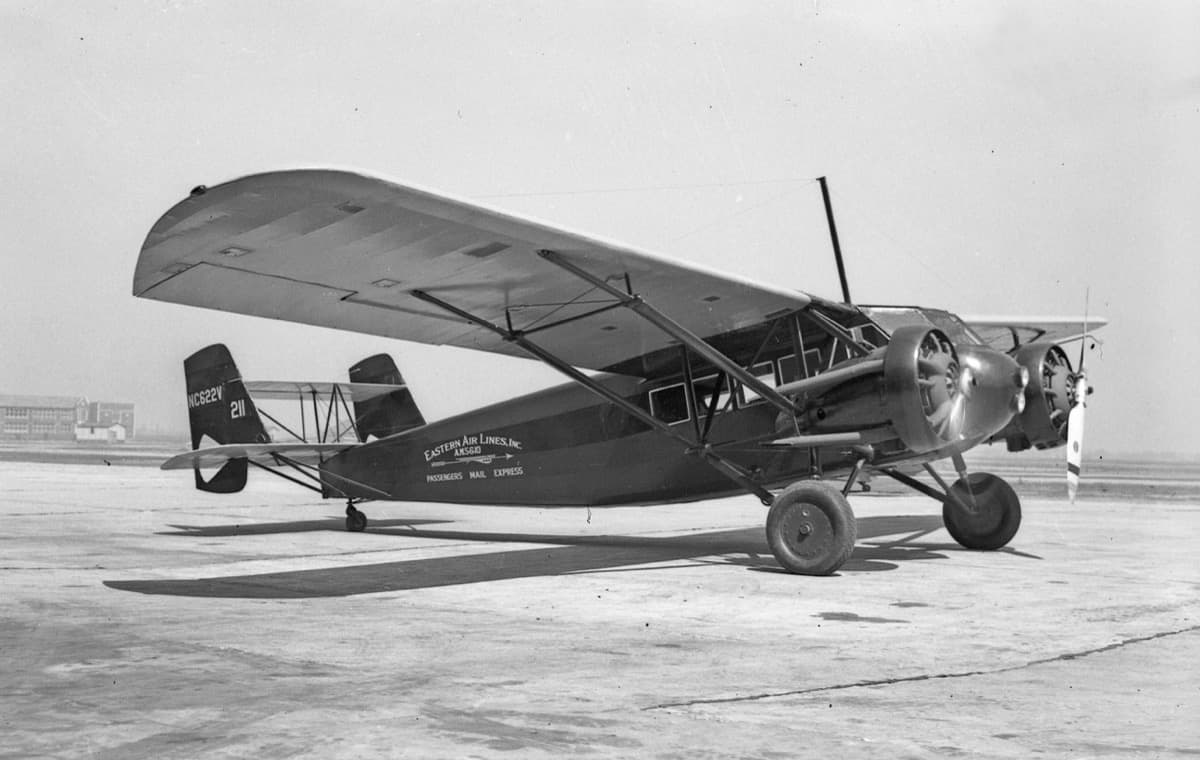
When aviation enthusiasts think of Curtiss aircraft, they rarely remember the Curtiss Kingbird.
Triple Tail Aircraft: Why Classic Airliners Used Three Fins
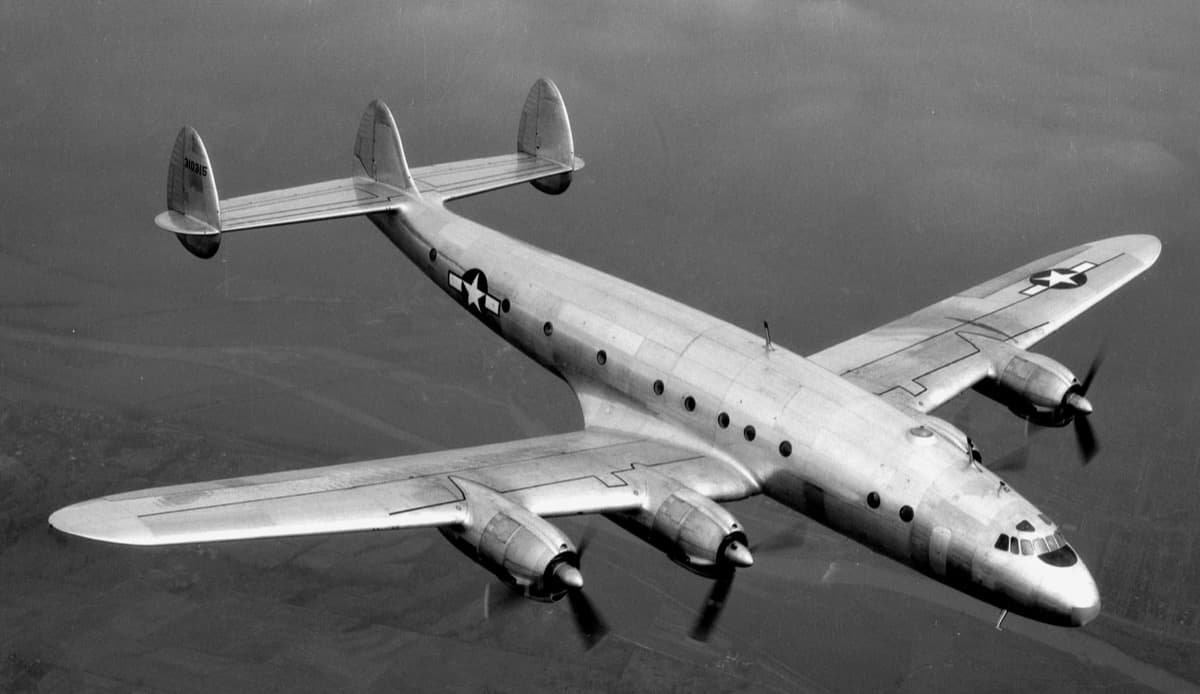
During the late 1930s and early 1940s, several pioneering airliners like the Boeing Clipper and Lockheed Constellation embraced an unusual design feature: The triple tail. Of Wings & Things columnist Frederick A. Johnsen tells us about the fascinating engineering challenges, aerodynamic secrets, and hangar size limitations that inspired these iconic aviation masterpieces.
Gunfighter Skies: A Flag-Waving Start to Air Show Season in Idaho
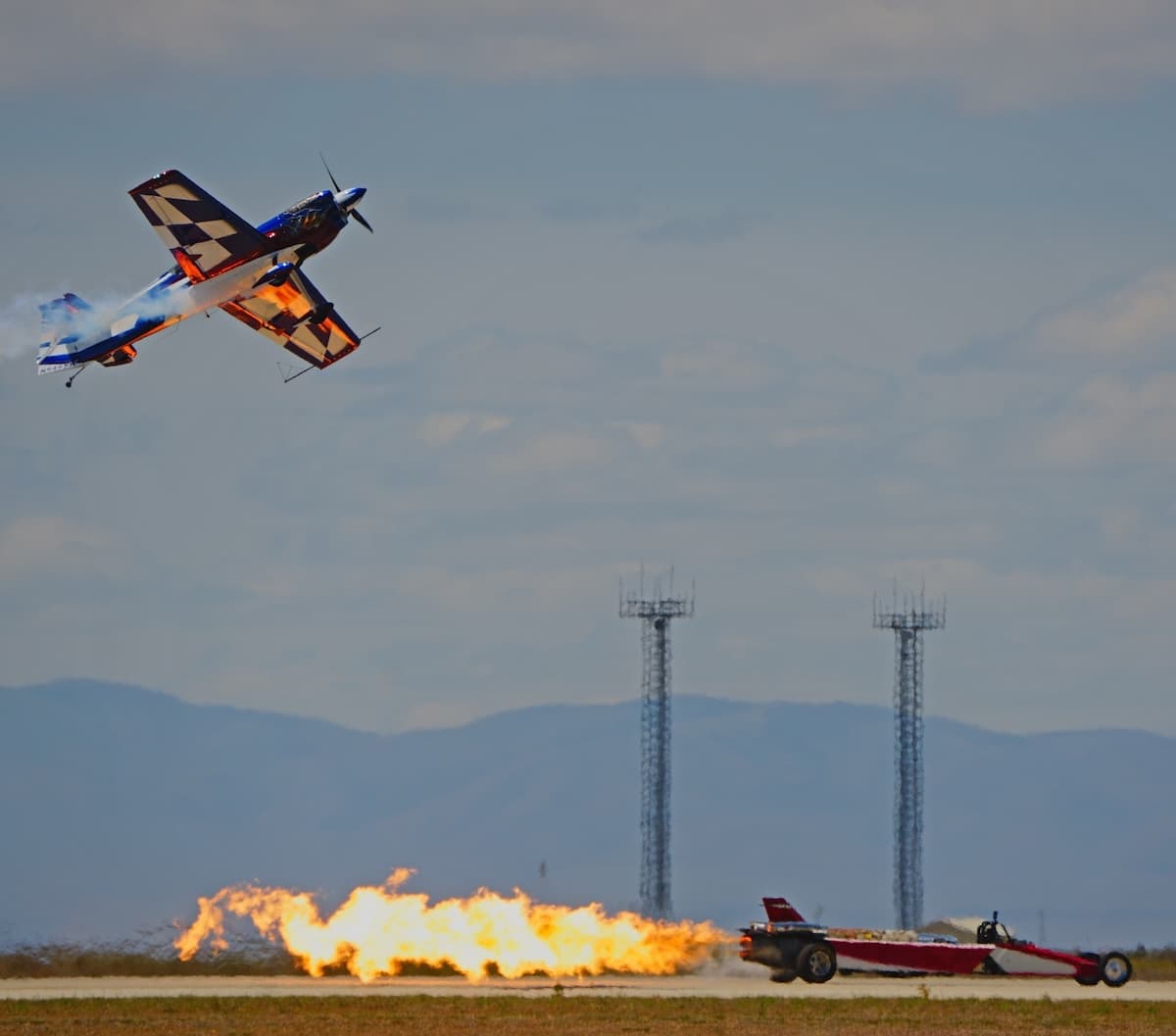
The 2026 Idaho air show season officially kicked off at Mountain Home Air Force Base with the patriotic Gunfighter Skies air show.
The Fokker Scourge
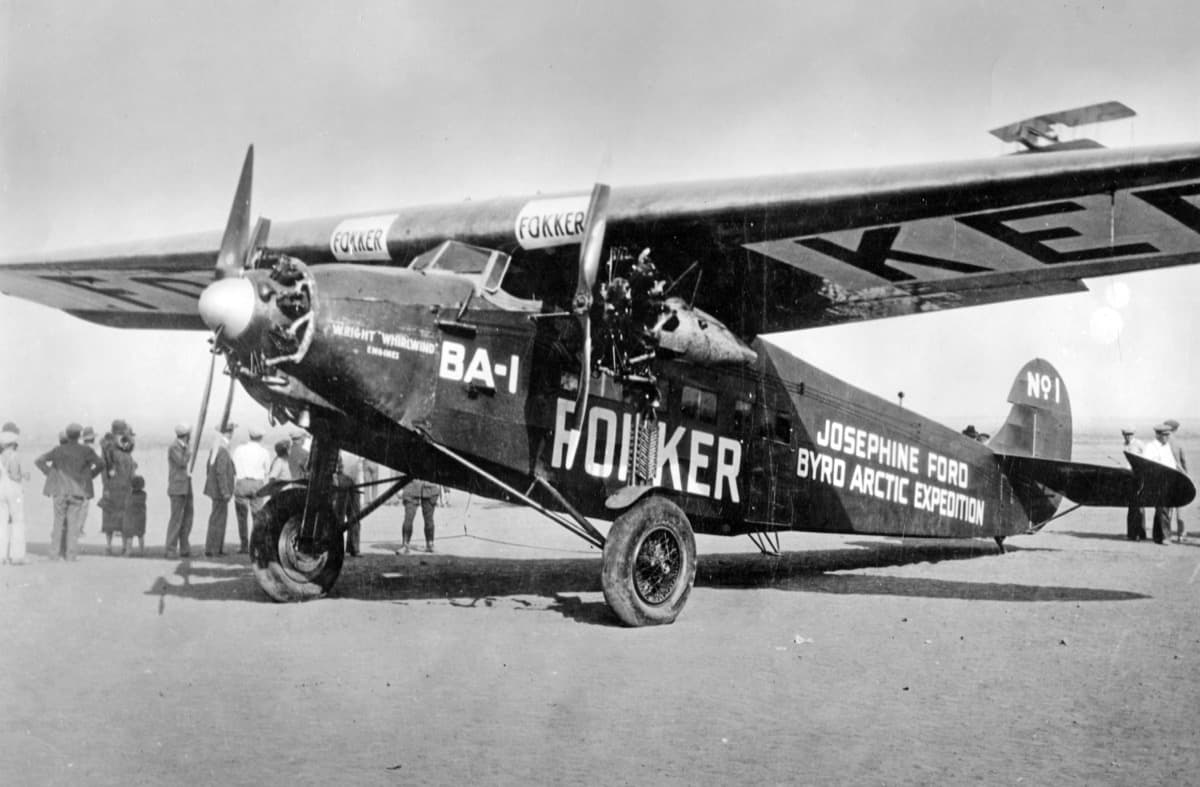
With panache, the British press coined the term Fokker Scourge to characterize the era when the Eindeckers were the only warplanes fitted with a synchronizer to enable the fighter’s machine gun to fire through the propeller arc. This revolutionized air-to-air combat.
The Monocoupe’s Overshadowed Sibling
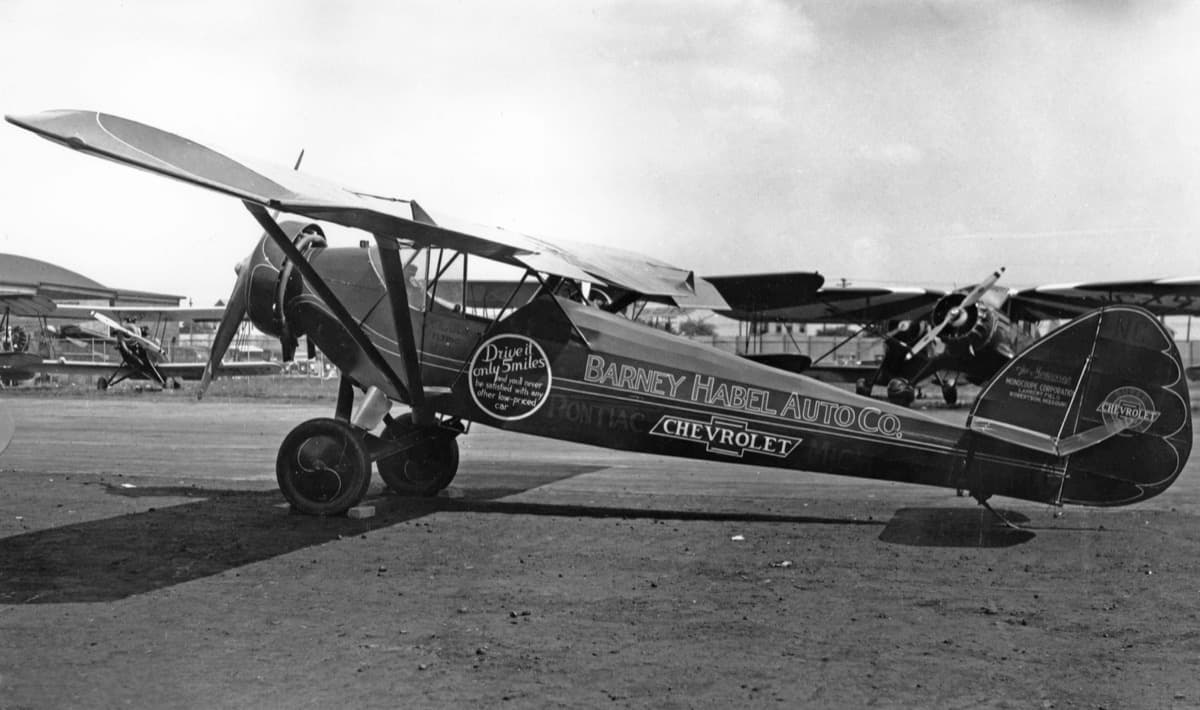
The Monoprep was designed by Donald Luscombe as a side-by-side trainer, offering student pilots a forgiving ride.
Nose-Turreted Liberators: The Rigors of War
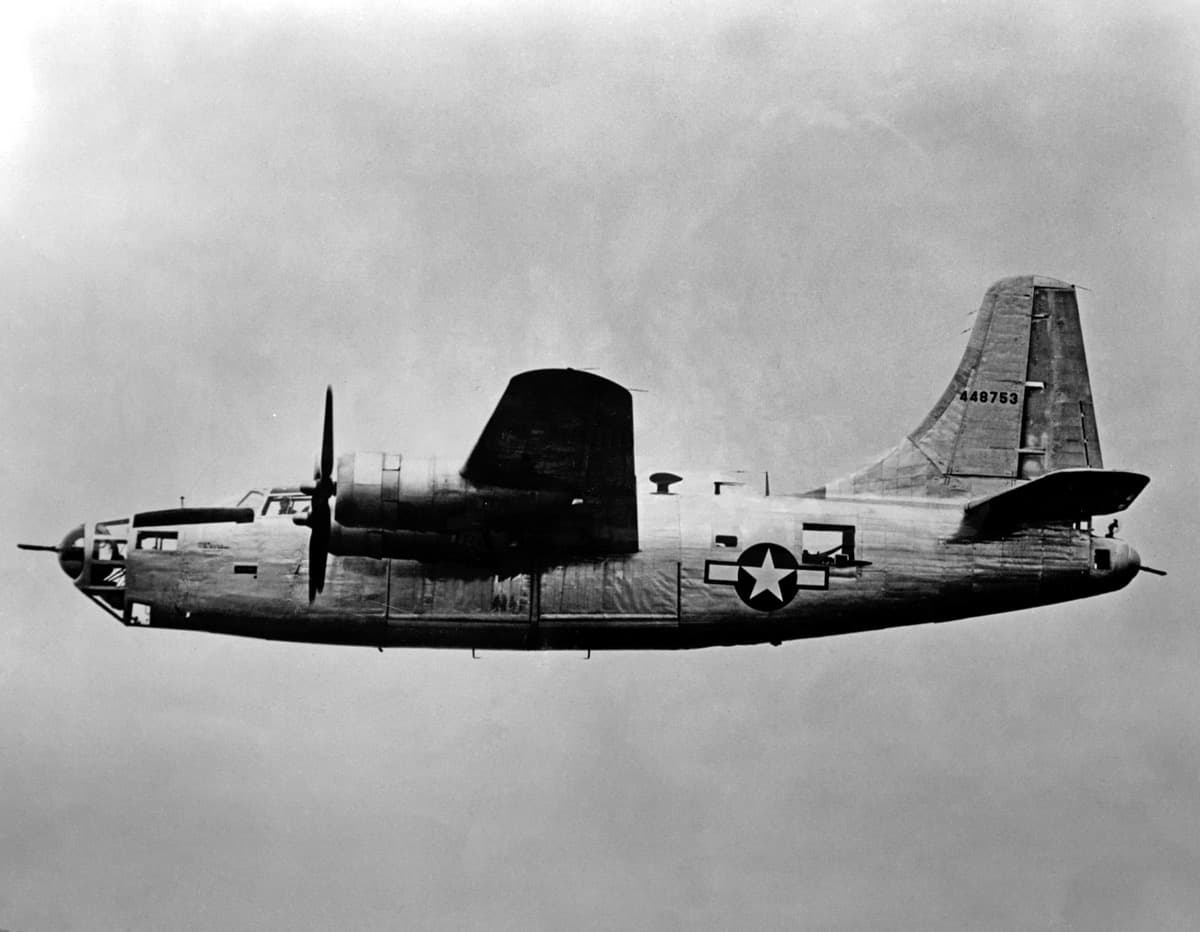
With Japanese and German fighter pilots making head-on attacks with closing speeds exceeding 500 mph, B-24s were modified with a manned nose turret.
The Evolution of Greenhouse Liberators
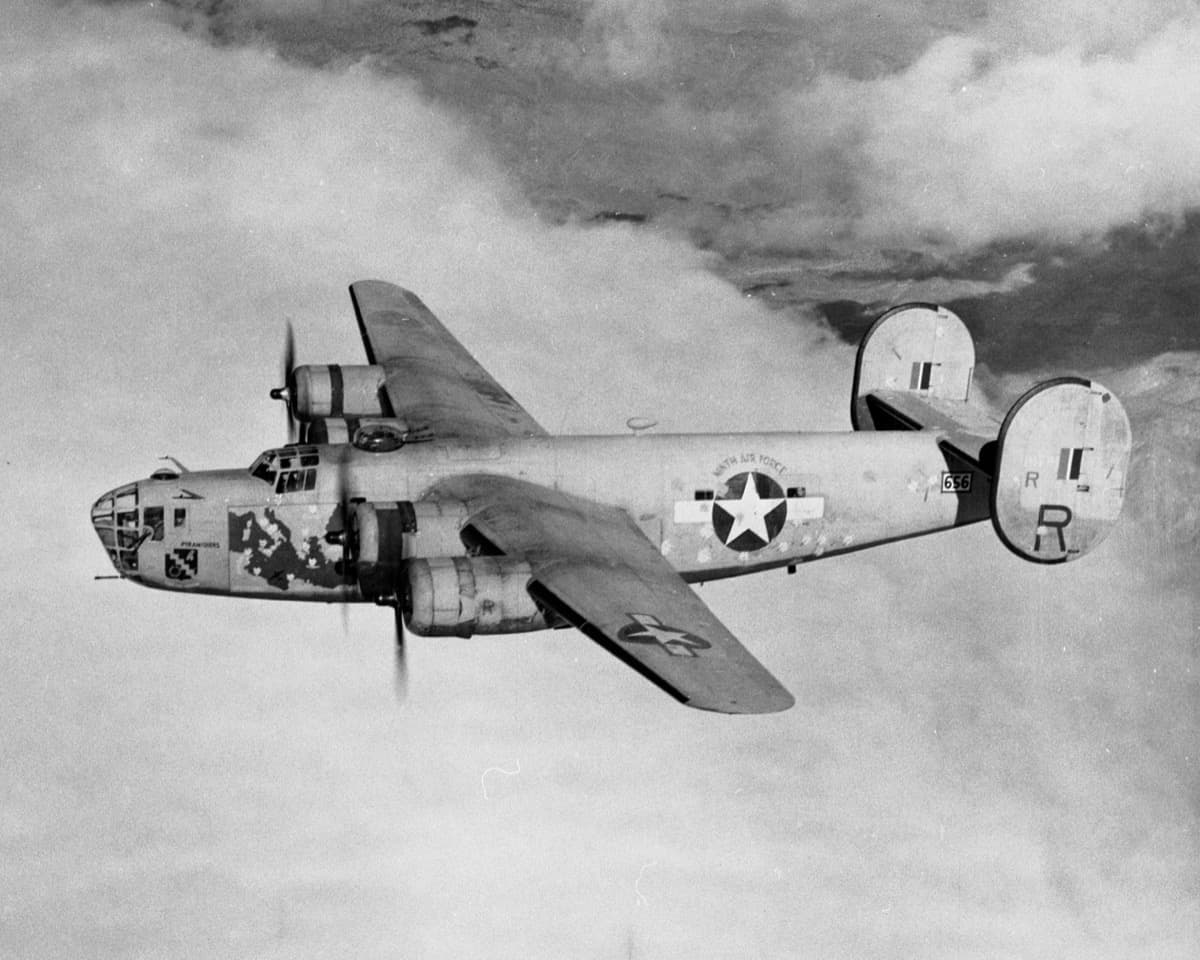
With a crew of 10 — and that number cycling through the system from 1941-1945 — plus thousands more Americans building and maintaining B-24s, the Liberator touched more families in this country than any other aircraft of the war. Chances are, if your family has been in the U.S. four generations or so, you have an ancestor whose path crossed with the B-24 during World War II.
Aeronca: From Airknockers to Warbirds and Beyond
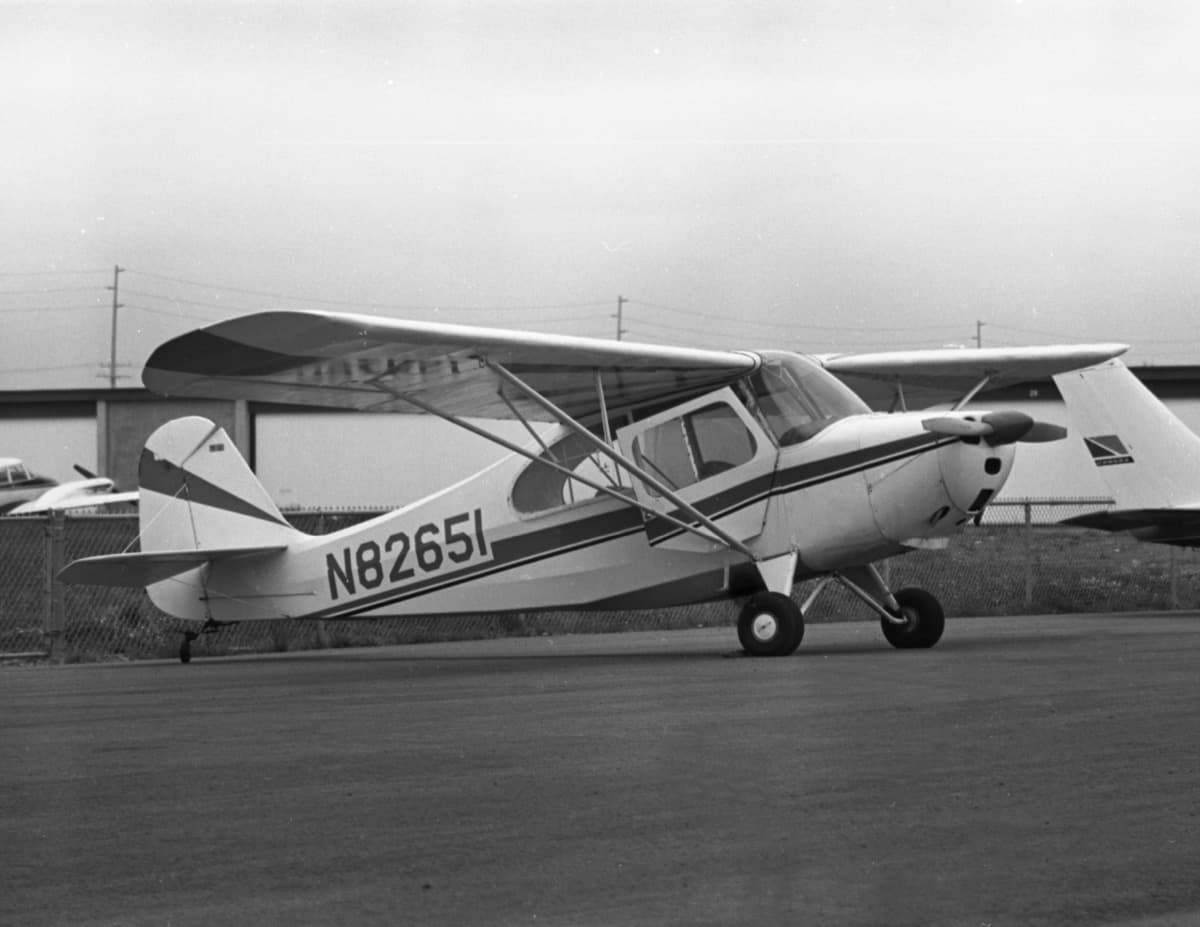
Aeronca earned its place in aviation with the manufacture of more than 17,000 aircraft, including the C-3, Super Chief, and the popular Champ.