

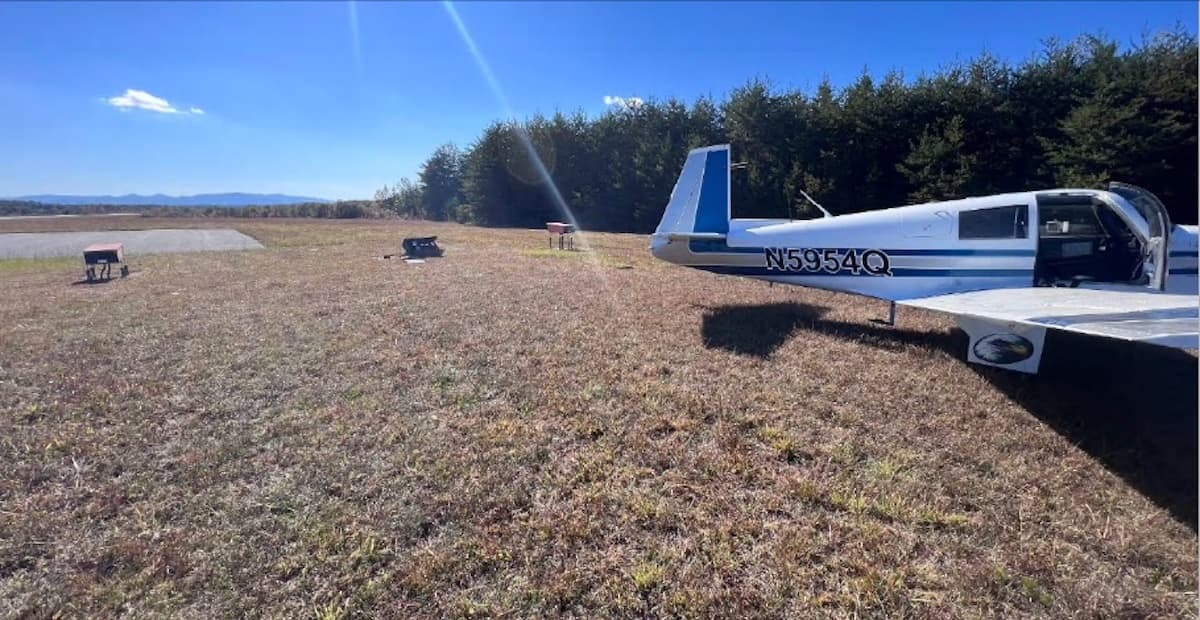
Probable Cause: The pilot’s failure to maintain directional control during the takeoff roll, which resulted in a runway excursion and an impact with the runway’s precision approach path indicator (PAPI) lights.
NTSB Accidents
Seized piston leads to total loss of engine power in plane not flown in 10 years
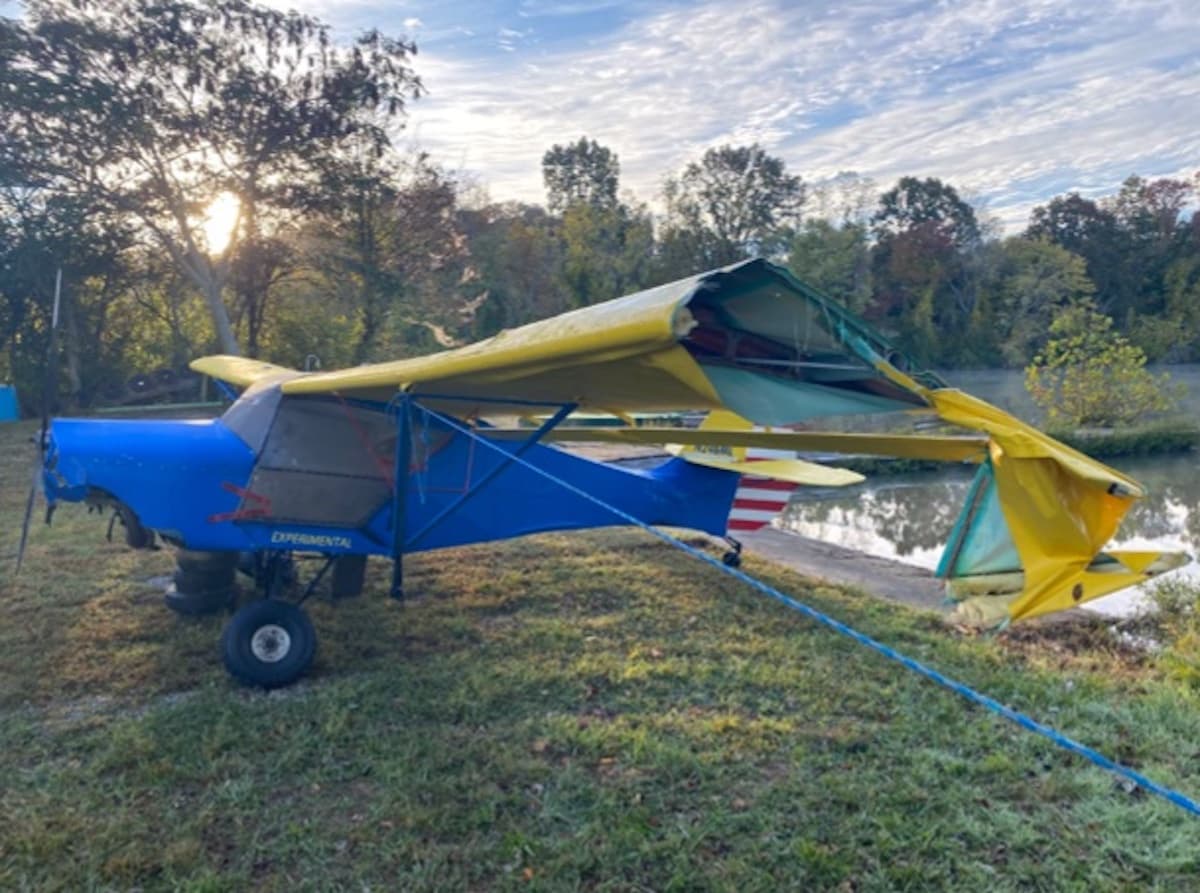
Probable Cause: A total loss of engine power due to a seized piston in the power take-off cylinder.
Pilot seriously injured trying to avoid deer

Probable Cause: Loss of directional control to avoid a deer during landing, which resulted in a runway excursion and collision with a culvert.
Fuel starvation proves fatal for passenger
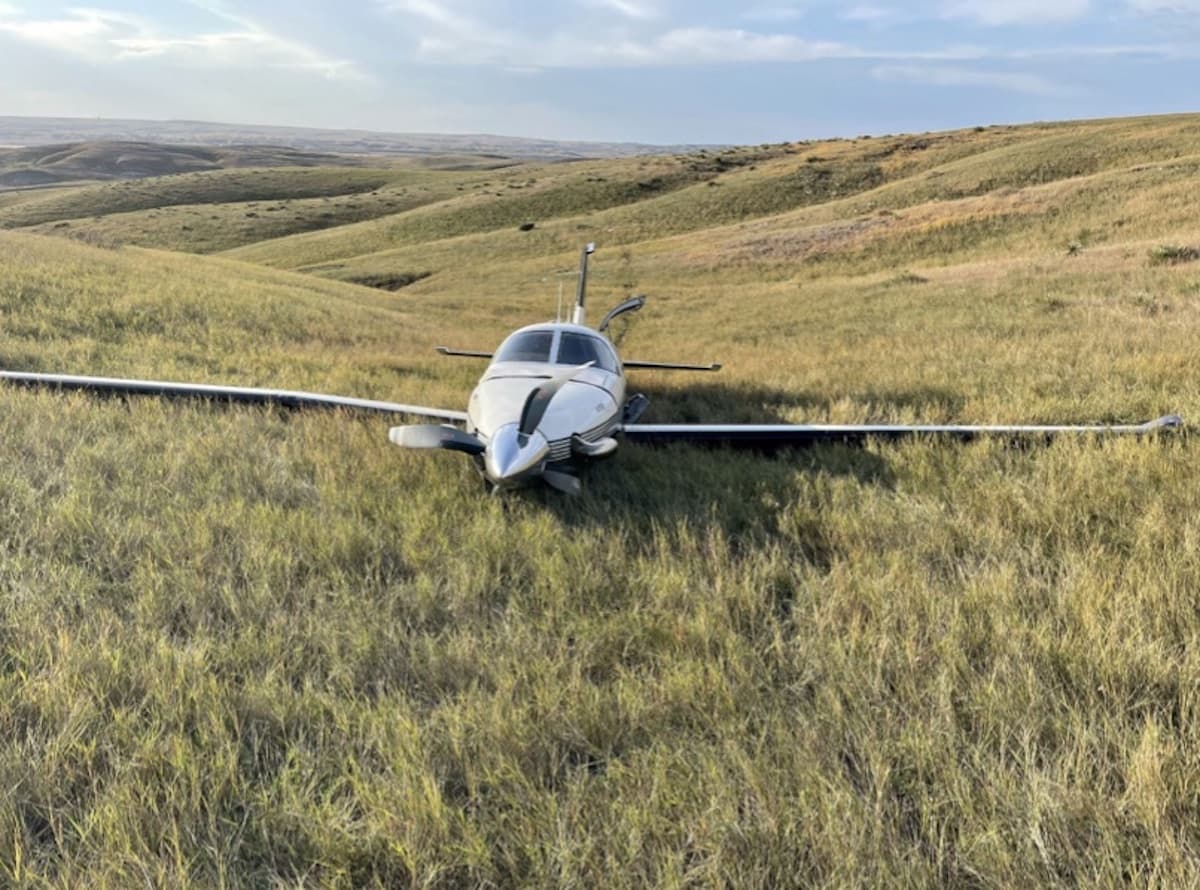
Probable Cause: The total loss of engine power due to fuel starvation as a result of the pilot’s improper configuration of the automatic fuel transfer system. Contributing to the accident was the pilot’s failure to adequately monitor the header tank’s fuel quantity.
Variable wind conditions contribute to crash
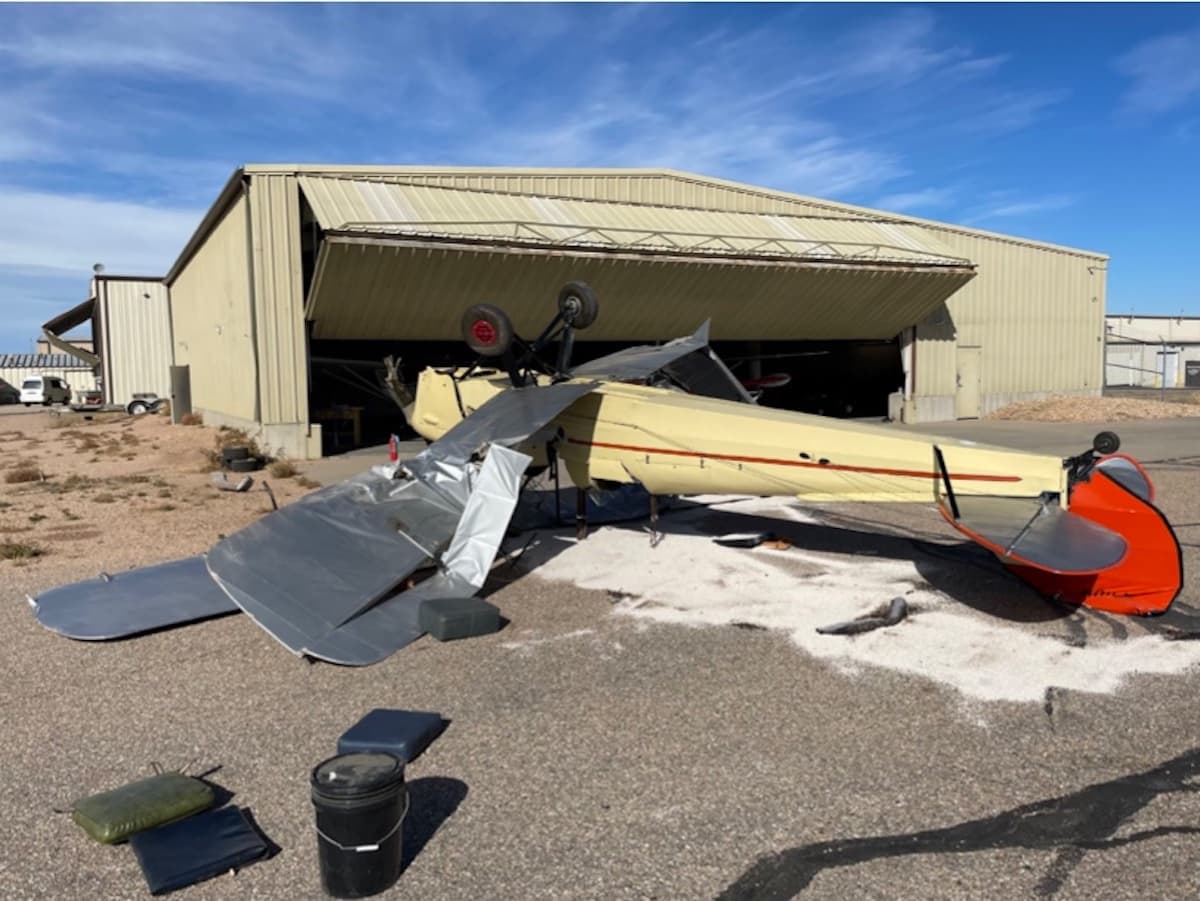
Probable Cause: The pilot’s decision to turn out early during the initial climb and failure to maintain adequate airspeed/angle-of-attack, which resulted in an aerodynamic stall and impact with airport hangars. Contributing to the accident was the variable wind conditions above the hangars and the pilot’s lack of awareness of those conditions.
Improper installation of supplemental ignition system leads to total loss of engine power
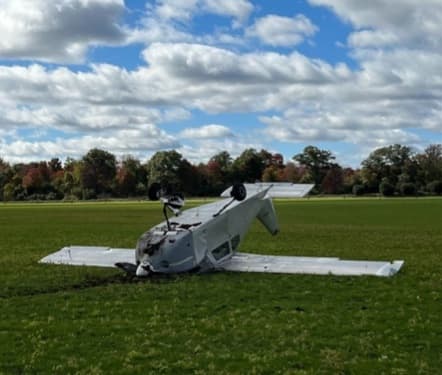
Probable Cause: The improper installation of the supplemental ignition system, which resulted in a total loss of engine power.
Carb ice leads to forced landing in a field
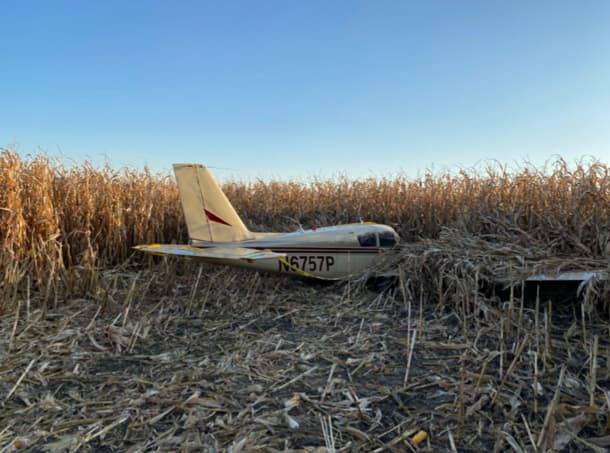
Probable Cause: A total loss of engine power due to the formation of carburetor ice.
Fuel exhaustion ends flight early
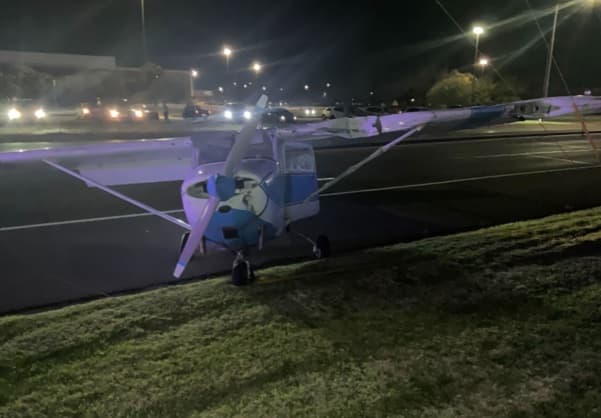
Probable Cause: The pilot’s inadequate preflight inspection and fuel planning and improper in-flight decision-making, which resulted in a total loss of engine power due to fuel exhaustion.
Pilot focuses too much on open engine cover and too little on flying the airplane
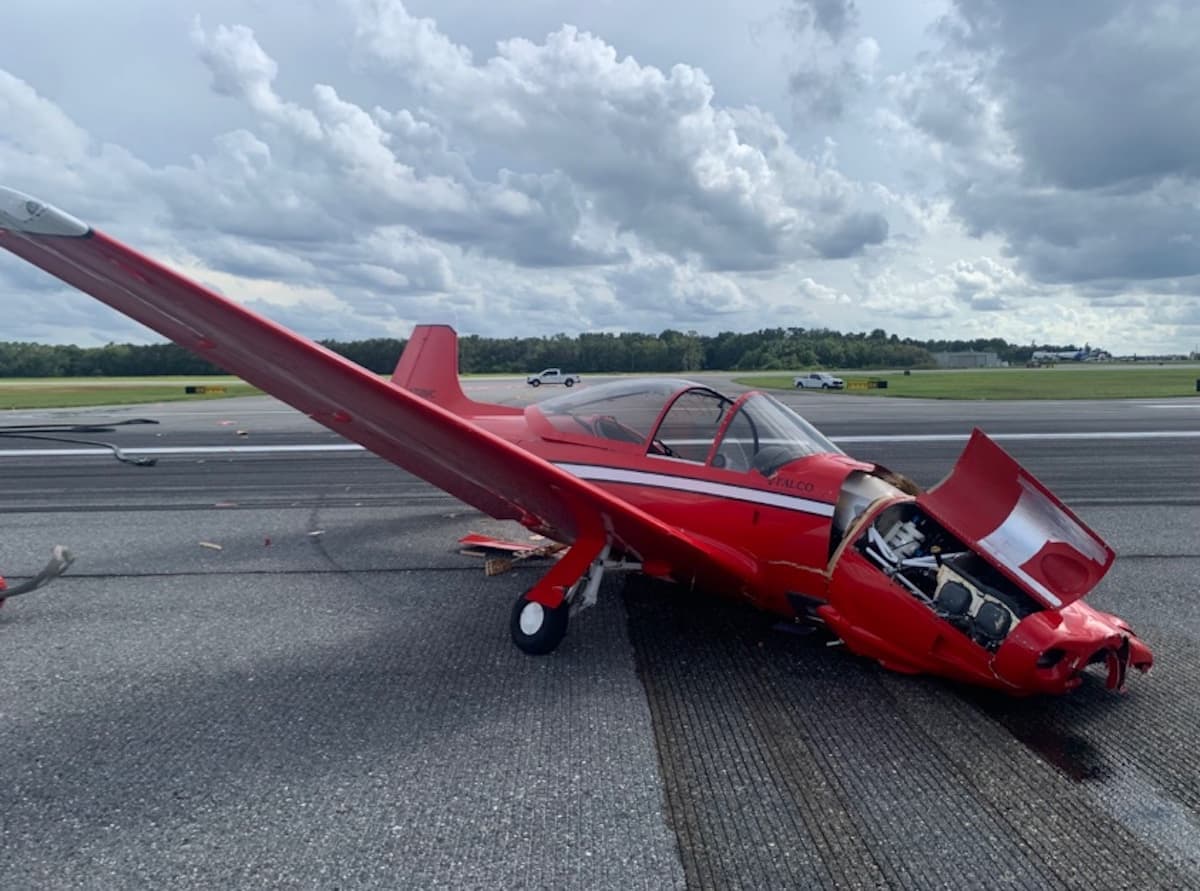
Probable Cause: The pilot’s failure to maintain airplane control after an engine access cover opened during the initial climb.