


A total loss of engine power due to carburetor icing, which resulted from the pilot’s failure to use carburetor heat while operating in conditions conducive to the formation of carburetor ice.
aviation accidents
Improperly installed part leads to serious injuries for RV-10 pilot

Total loss of engine power due to the improper installation of an electronic ignition system connector plug.
Banner tow pilot crashes after missing the pickup

The pilot’s exceedance of the airplane’s critical angle of attack during a missed banner pickup, which resulted in an aerodynamic stall/spin and loss of control at an altitude too low to recover.
VFR into IMC fatal for two
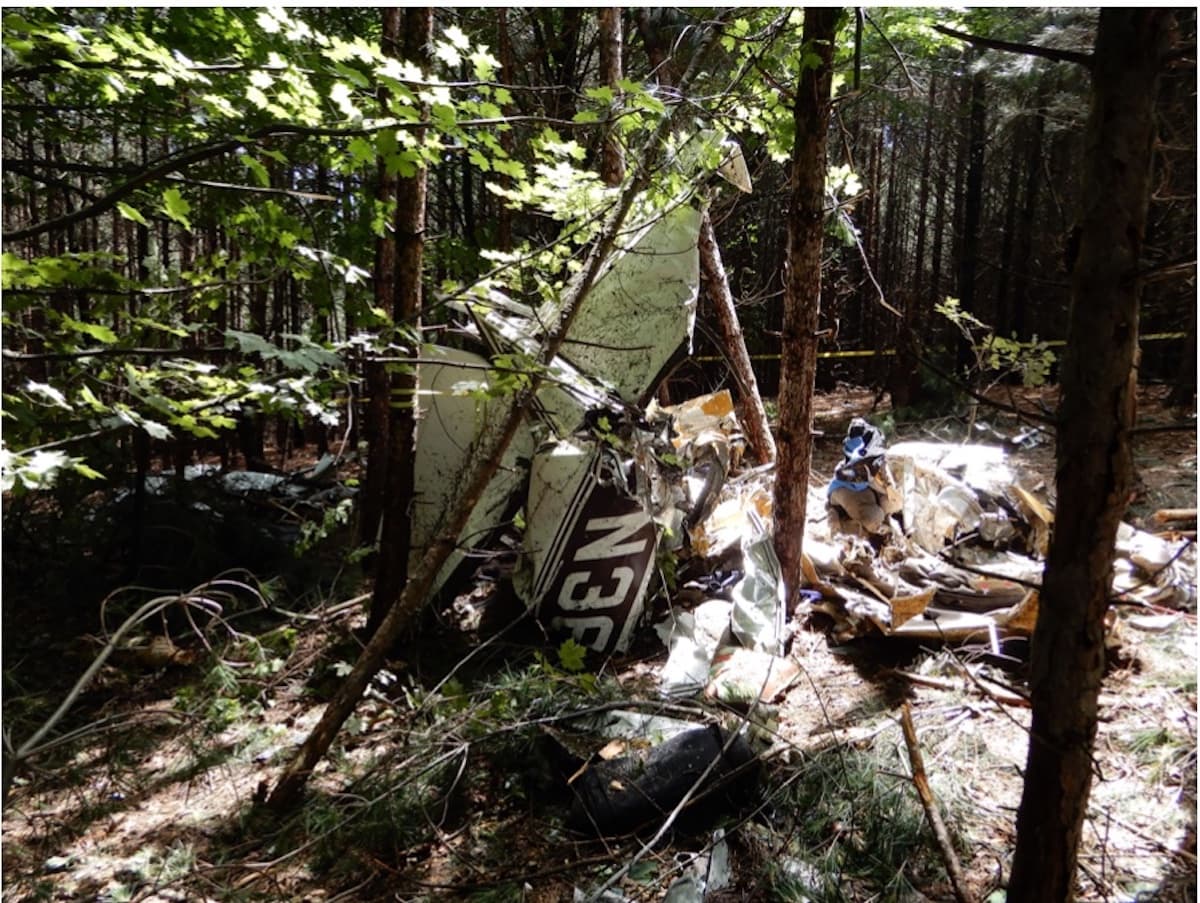
The non-instrument rated pilot’s decision to commence the flight in instrument meteorological conditions, which resulted in spatial disorientation and a subsequent loss of airplane control. Contributing to the accident was the pilot’s self-induced pressure to initiate the flight.
Maintenance error proves fatal for two

Maintenance personnel’s failure to follow the avionics installation guidance for the oil pressure sensor, which resulted in the high-cycle fatigue failure of a line, oil starvation, and the subsequent loss of engine power. Contributing to the accident was the pilot’s failure to perform an adequate preflight inspection of the airplane.
Carb ice leads to forced landing

A partial loss of engine power due to the formation of carburetor ice.
Fuel starvation results when fuel filter inlet blocked by debris

A blockage of the fuel filter inlet by a piece of debris, which resulted in fuel starvation and a total loss of engine power.
Plane bent after owner fails to comply with service bulletin

The failure of the owner to comply with a service bulletin, which resulted in the failure of the left main landing gear torque tube due to fatigue cracking.
Pilot loses control on landing due to fractured brake line fitting

A loss of directional control during the landing roll due to a fractured brake line fitting on the brake caliper.