

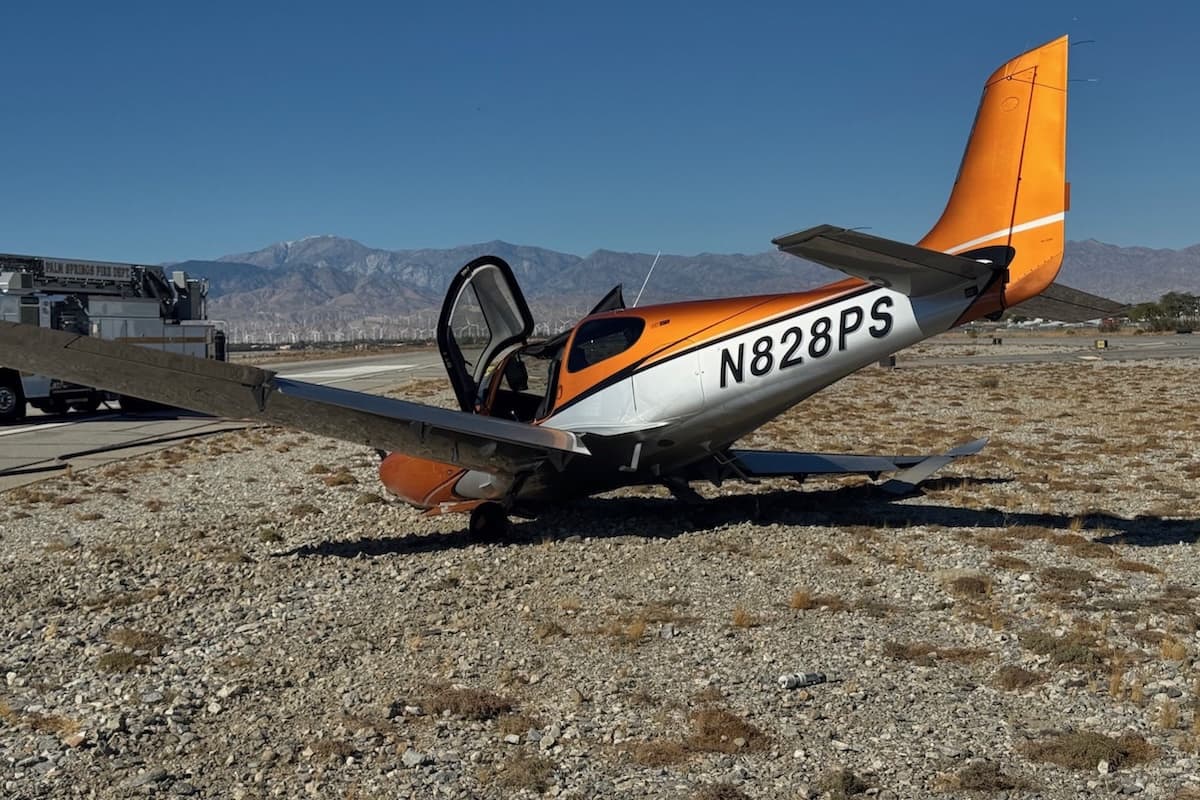
Probable Cause: The pilot’s failure to maintain clearance from a commercial airliner, which resulted in an encounter with wake turbulence and subsequent loss of control, resulting in impact with terrain.
aviation accidents
Human Factors: Running on Empty
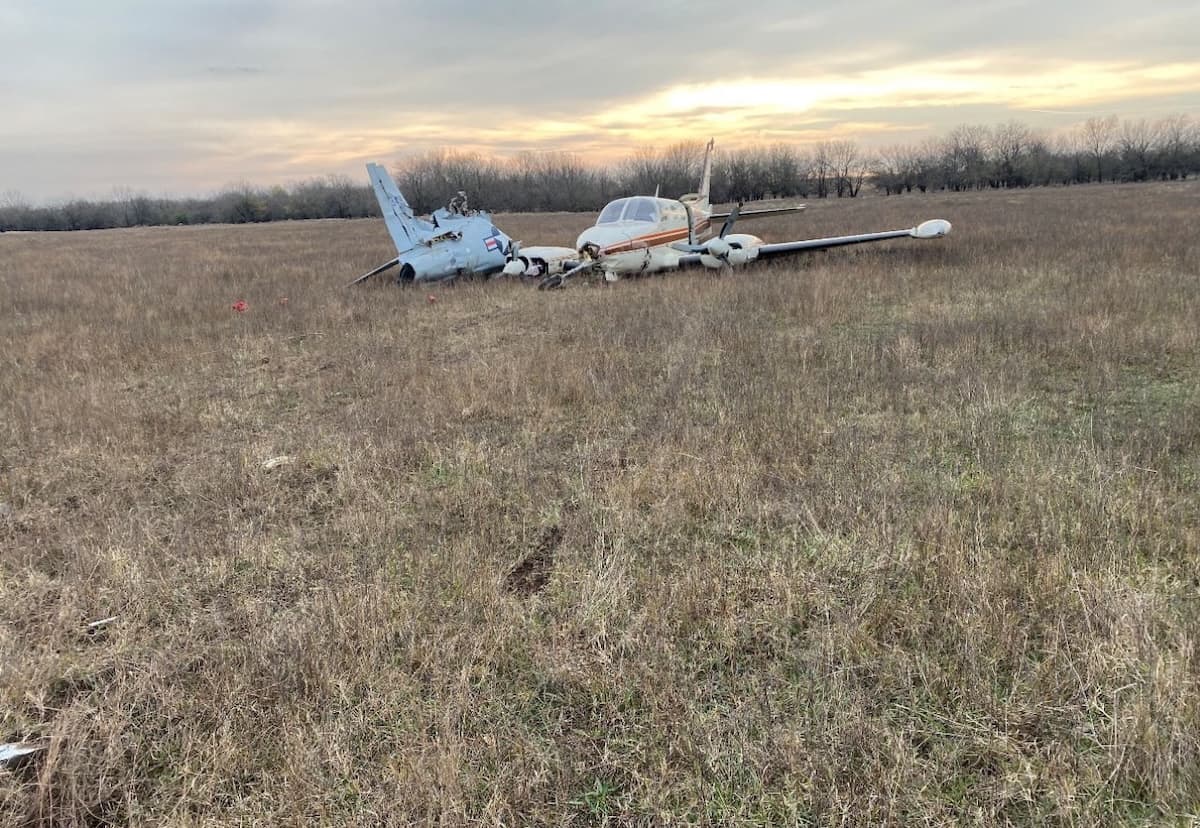
A midnight emergency landing left a Cessna 340 destroyed and a static display T-33 missing its tail after the pilot ran out of fuel short of the runway. What can other pilots learn from this accident?
Inaccurate Fuel Gauge Contributes To DHC-1 Crash
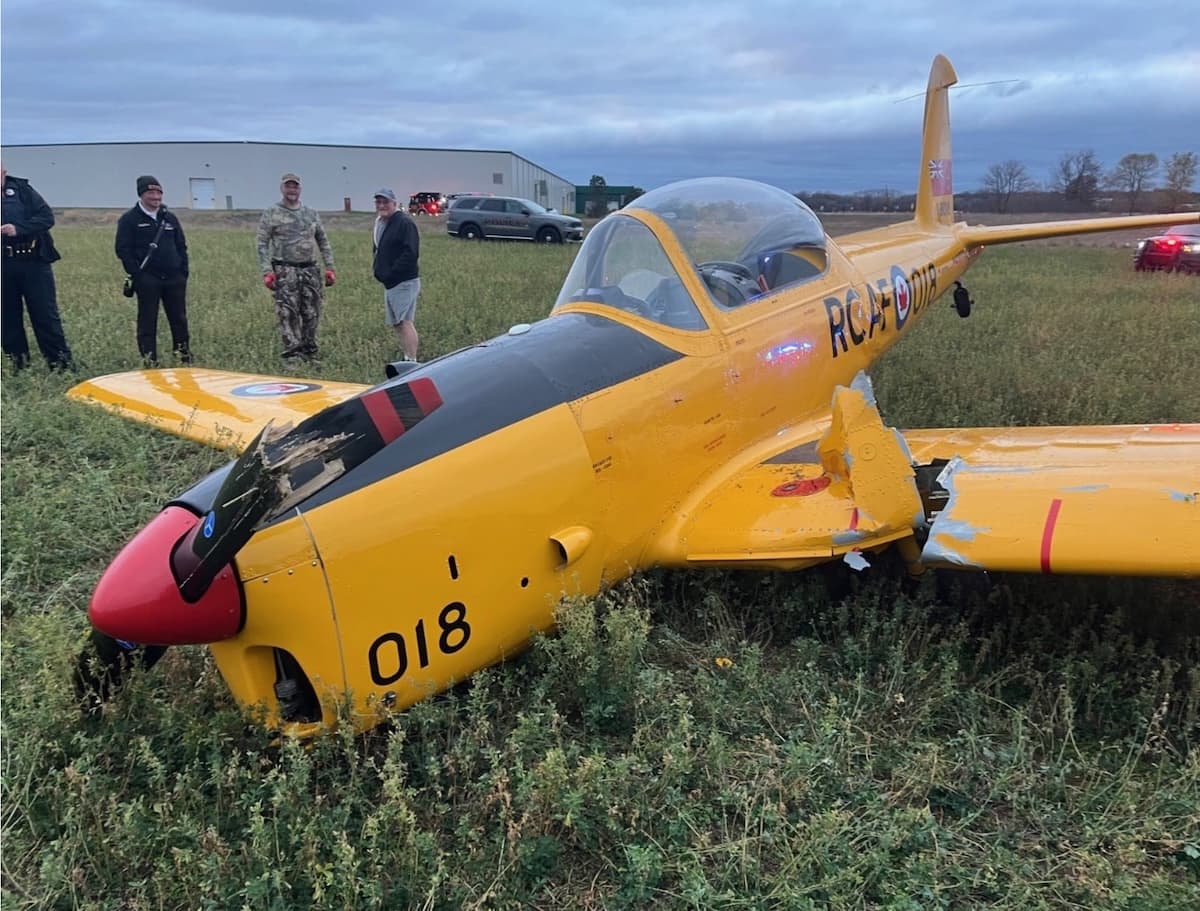
Probable Cause: The pilot’s inadequate fuel management, which resulted in fuel starvation and a total loss of engine power. Contributing to the accident was the inaccurate fuel gauge.
Broken Torque Arm Causes Landing Gear Collapse
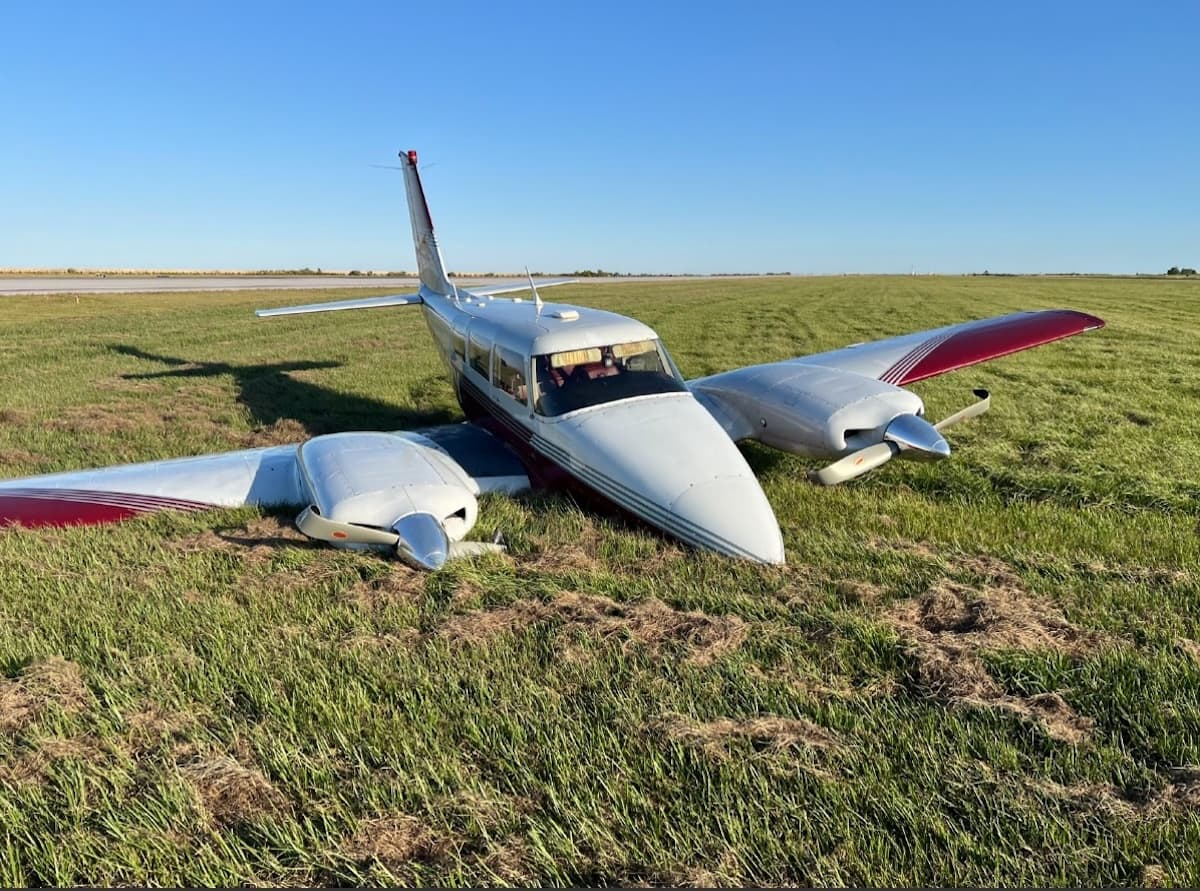
Probable Cause: The failure of a landing gear torque arm, which resulted in a landing gear collapse and runway excursion.
Maule Crashes After Passenger Inadvertently Applies Brakes
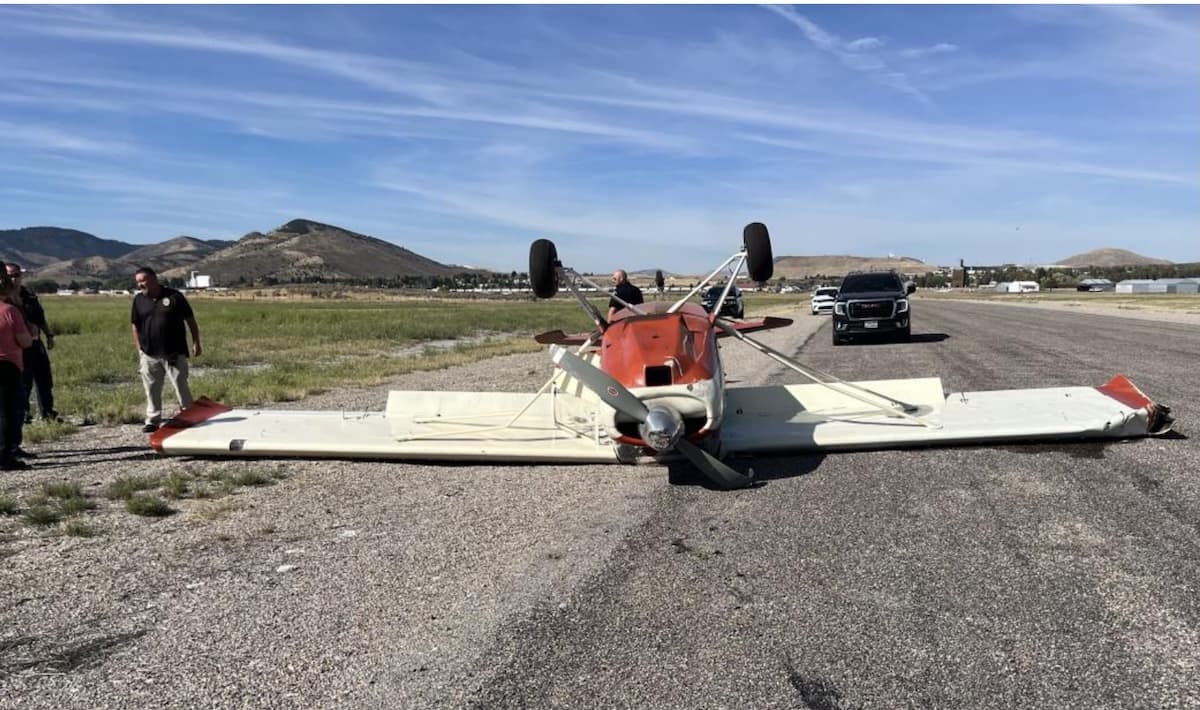
The passenger’s inadvertent application of brakes during landing, which resulted in a nose over.
Pilot Forgets Landing Gear During Routine Landing
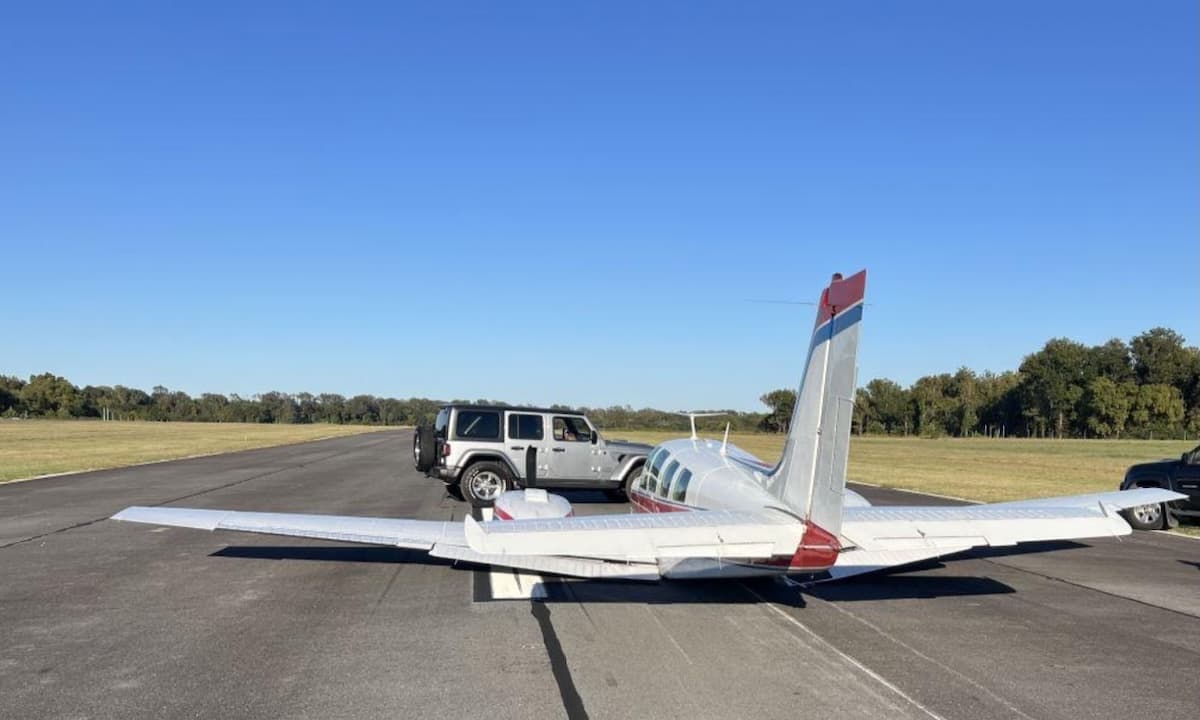
Probable Cause: The pilot’s inadvertent failure to lower the landing gear before touching down.
Use of Mogas Boosts Risk of Carb Ice
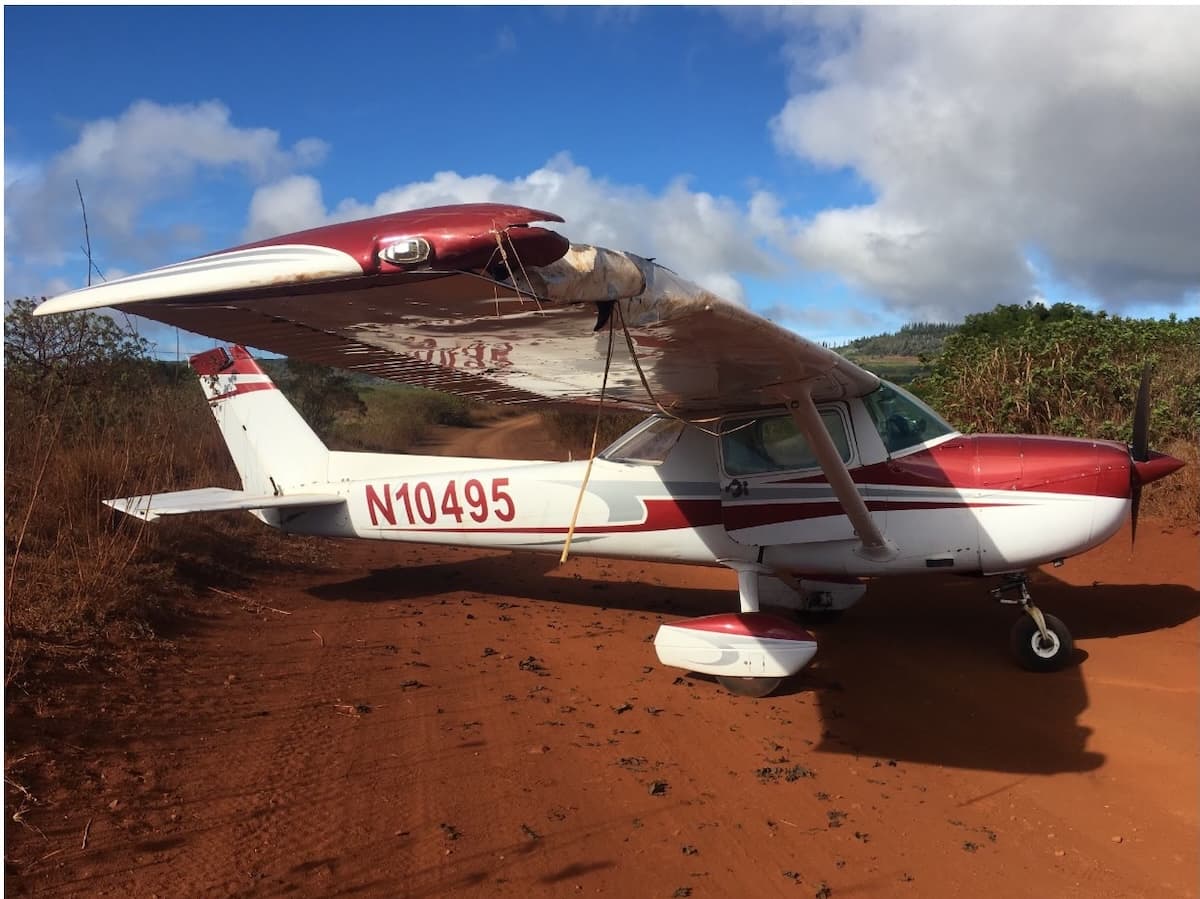
Probable Cause: A partial loss of engine power due to the formation of carburetor ice as a result of the pilot’s improper use of carburetor heat.
Worn Fuel Selector Valve Leads to Fuel Starvation
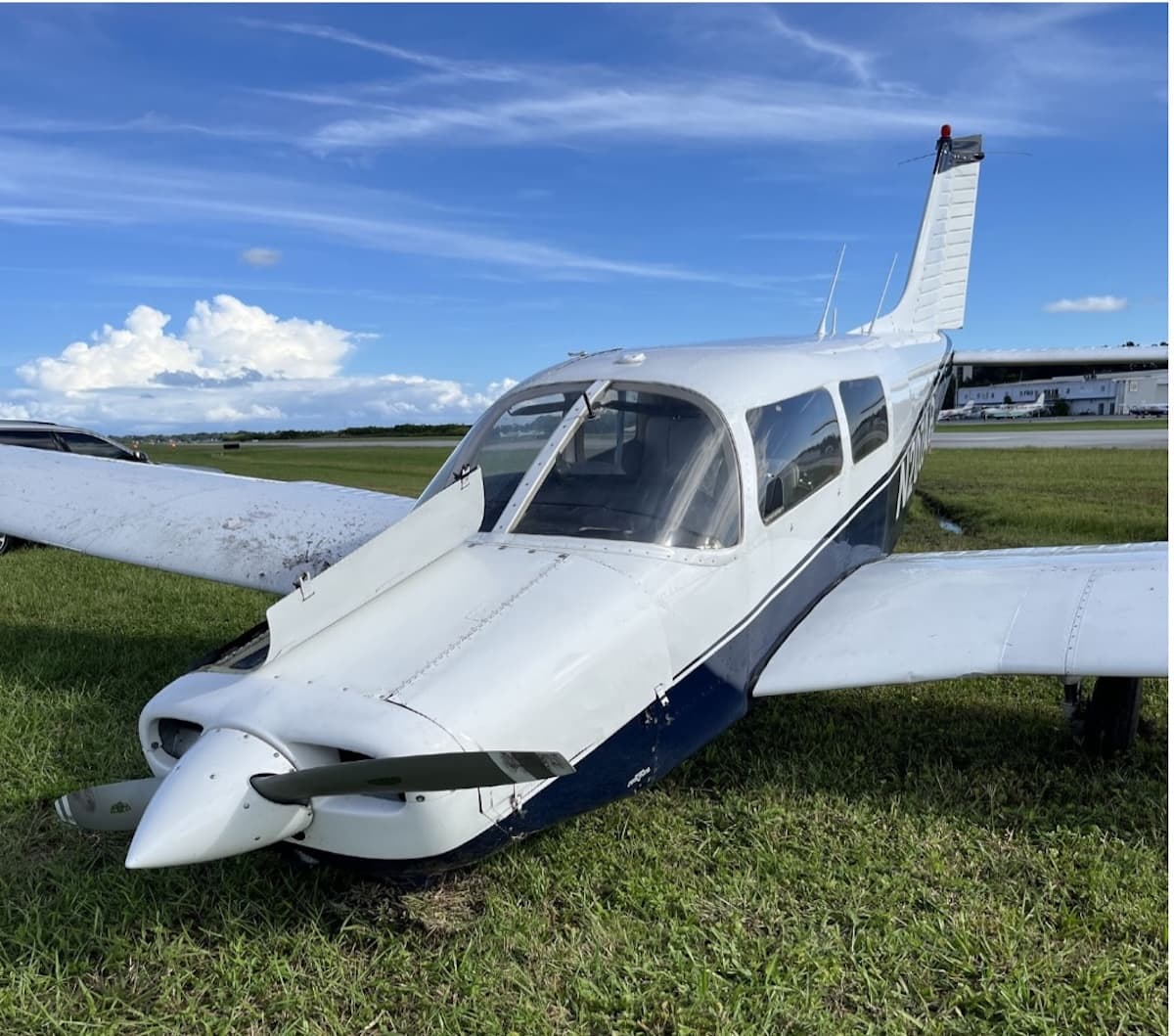
Probable Cause: A worn fuel selector valve, which resulted in a restriction of fuel flow to the engine and a total loss of engine power due to fuel starvation.
Human Factors: A Stake Through the Heart

A pilot’s routine commute in a Bonanza ends on a closed runway. What can we learn from this accident about how mission complacency and pilot fatigue can create a dangerous situation?