

The Eliminate Aviation Gasoline Lead Emissions (EAGLE) initiative calls for an industry and government partnership “to expand and accelerate the actions and policies necessary for a viable high-octane unleaded replacement for the current 100 octane low-lead aviation gasoline (100LL), without compromising the existing U.S. transportation infrastructure system, aviation safety and the economic and broader public benefits of general aviation.”
FAA
FAA tests to integrate drones into national airspace set to begin

The tests, set to launch in the spring of 2022, will examine how to manage drone traffic in real world scenarios.
Laser strikes break dangerous record

The FAA received 9,723 reports of laser strikes from pilots in 2021, a 41% increase over 2020.
FAA: Pilots still confused about sharing flight expenses

General aviation pilots are confused about the legal way to share expenses of a flight, according to FAA officials. In a reminder, they point out two key things to know: If you want to share expenses, you have to have your own reason for traveling to the destination. And the people you are sharing those expenses with are your friends or family members, not strangers you found on a ride-sharing forum or in some other way.
Flight instructor input needed on changes to DPE program

The survey is designed to “help evaluate the current status of the Designated Pilot Examiner (DPE) program,” as well as get flight instructors’ input on proposed changes to the program.
Super Bowl safety plan for general aviation pilots revealed

Pilots must be aware of the latest flight advisories and check Notices to Air Missions (NOTAM) before flying, officials add. Pilots and drone operators who enter the TFRs without permission could face penalties that top $30,000 and potential criminal prosecution.
NTSB to FAA: Require carbon monoxide detectors in general aviation aircraft

“Carbon monoxide is dangerous for pilots and passengers alike — which is why the NTSB recommended that general aviation aircraft be equipped with carbon monoxide detectors in 2004,” said NTSB Chair Jennifer Homendy. “Once again, we’re asking the FAA to act before lives are lost to carbon monoxide poisoning.”
$5 million granted to train next generation of mechanics
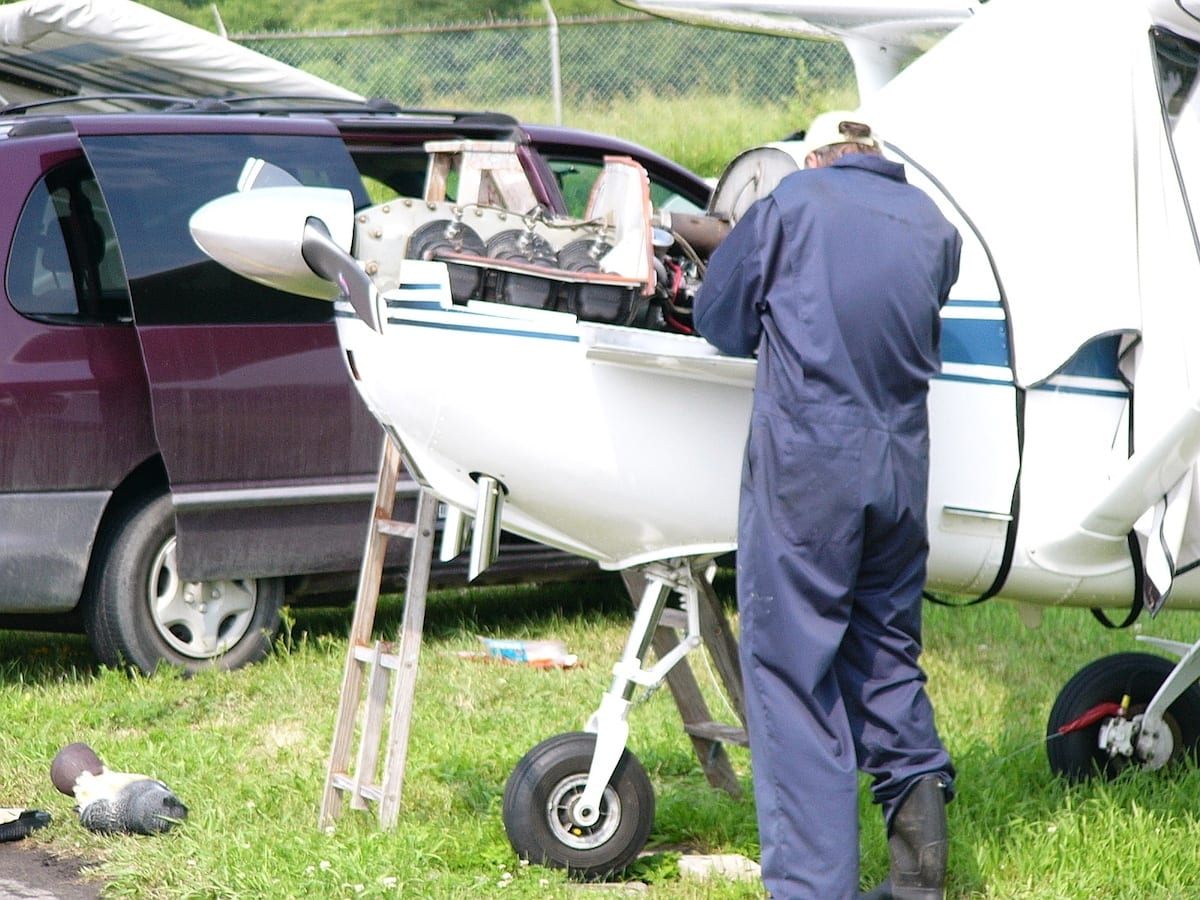
The $5 million will be used to establish new educational program, provide scholarships and internships, and much more.
Video: Train and plan for emergencies before they happen

A new FAA video examines the startle response, which happens when things go wrong, and then shows how training can reduce that response and prepare you to react the right way to unexpected events.