

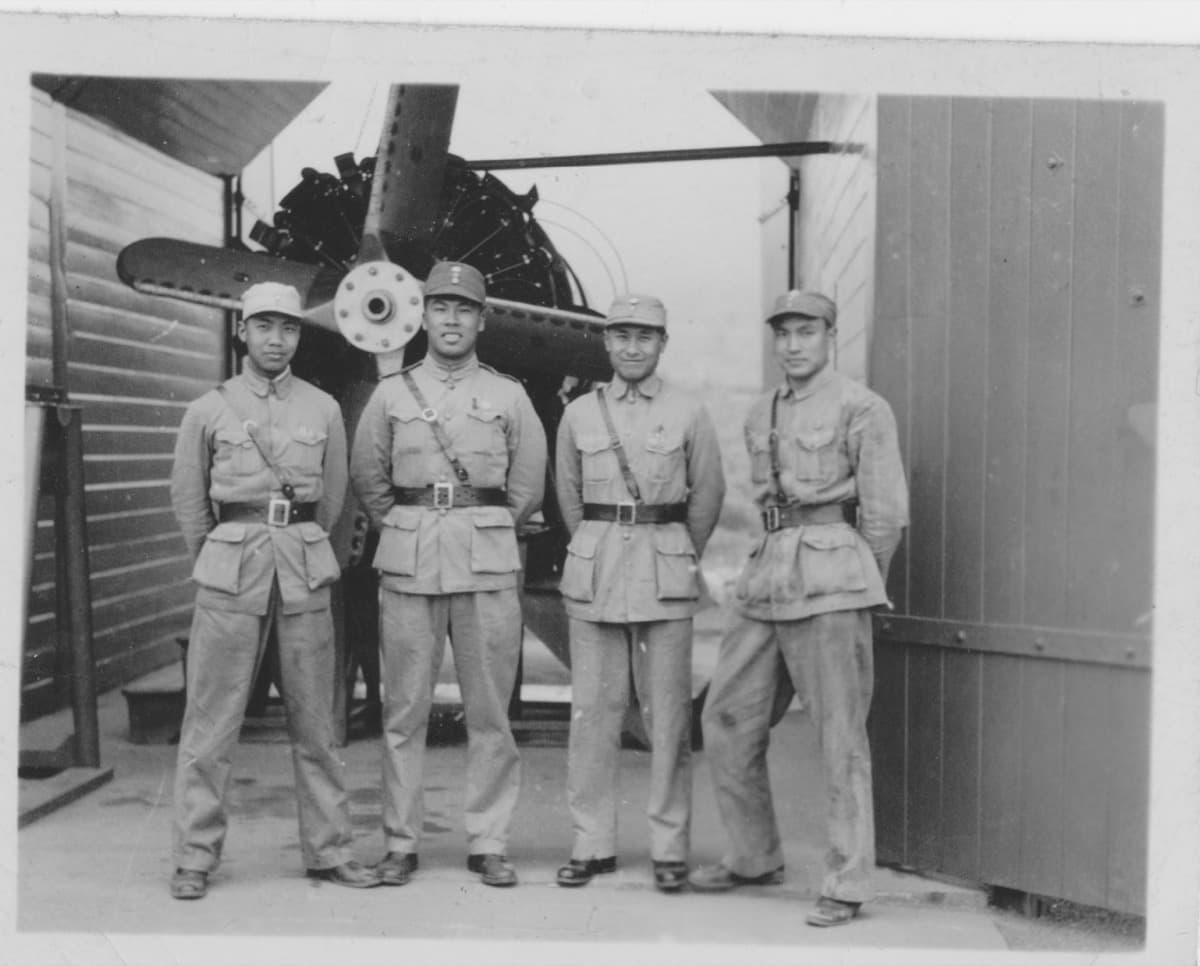
Question for Paul McBride, the General Aviation News engines expert: Hello from Ping Tsao, a retired surgeon in San Luis Obispo, California. I was hoping to get some help identifying a radial engine from World War II. A friend gave me a copy of the March 5, 2026, issue of General Aviation News with your column, “From Sewing Machines to Sky Ships,” which included information about the Lycoming R-680 engines.
Attached are some photos left behind by my late father. He was a University of Michigan PhD metallurgist. He was sent back to China with materiel to build an aircraft engine factory. The location was interior China circa 1944. Can you identify the make and model from these very fuzzy photos?
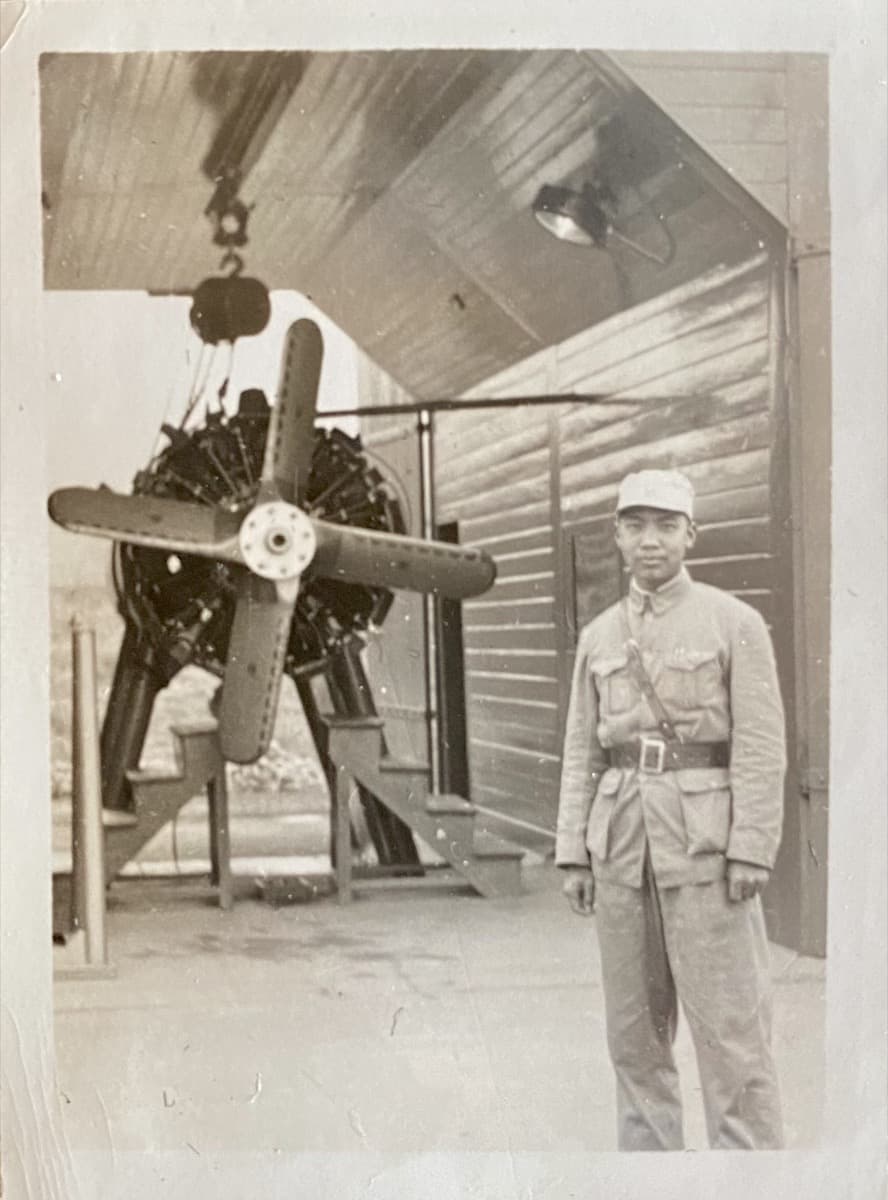
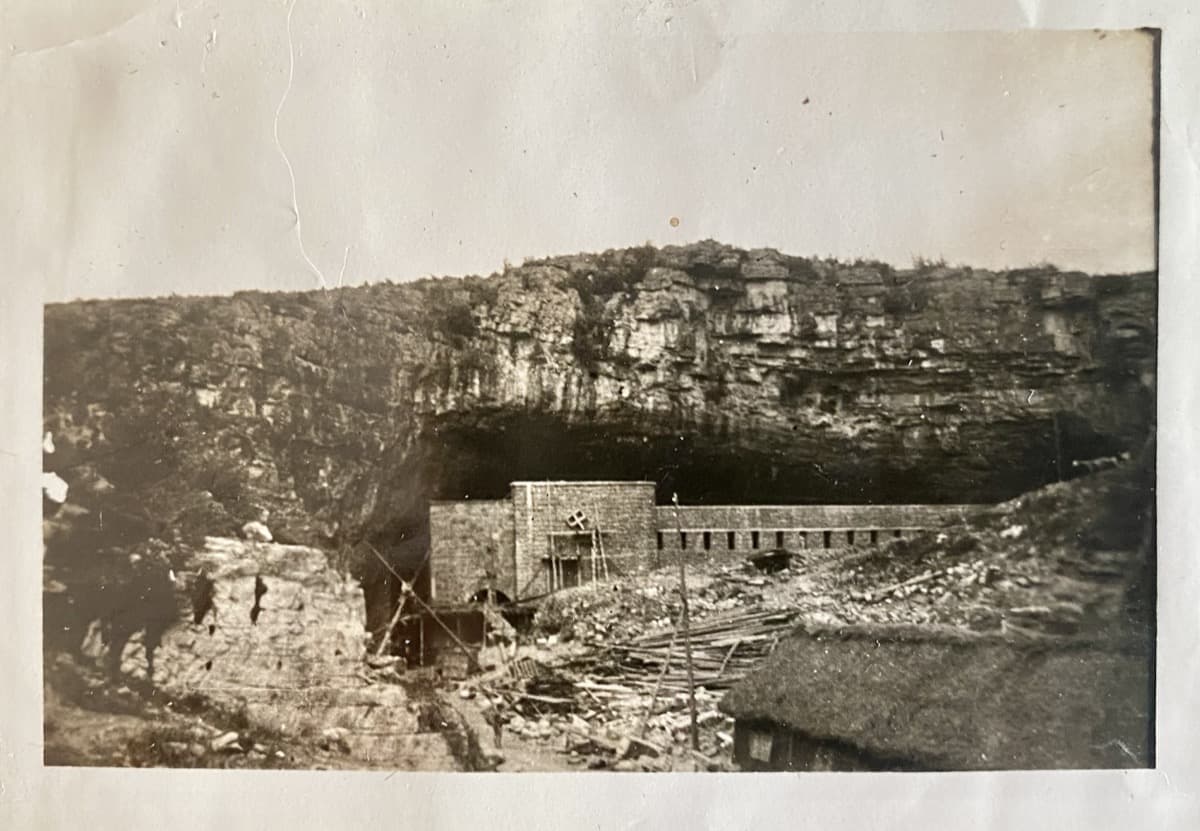
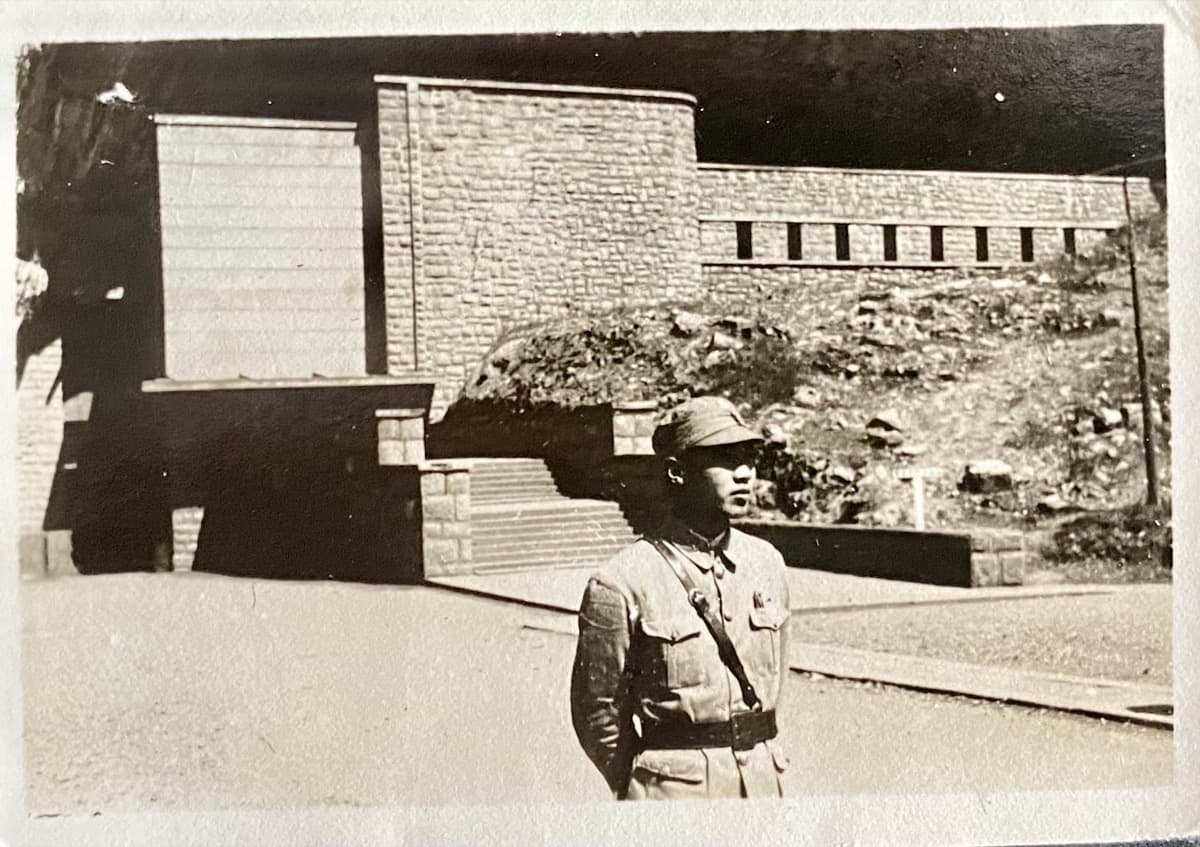
Once proof of concept was done, my father was sent to Washington, D.C., I think, to obtain more materiel. With the fall of Mainland China, he stayed in the U.S. to work on the Polaris, Minuteman, Apollo, and Apache programs.
Paul’s Answer
I have to admit that this is, beyond any doubt, the most unusual submission to my column that I’ve ever seen.
Ping, I can’t tell you what a surprise this is for me. I’m certain that very few people have ever had any knowledge of this in Lycoming’s past history. However, I vaguely recall my father, who also worked at Lycoming, telling me about this.
I can confirm though that there was some kind of a program where several Chinese representatives were sent to Lycoming to learn the various manufacturing processes of an aircraft engine. I’m not certain if this exchange of information was so China could manufacture and produce a Chinese-designed engine or to serve as a licensed offshore manufacturer of the Lycoming engine.
During that time period, the focus was on producing the R-680 engine, which powered the popular Stearman aircraft that was used for pilot training during the war years.
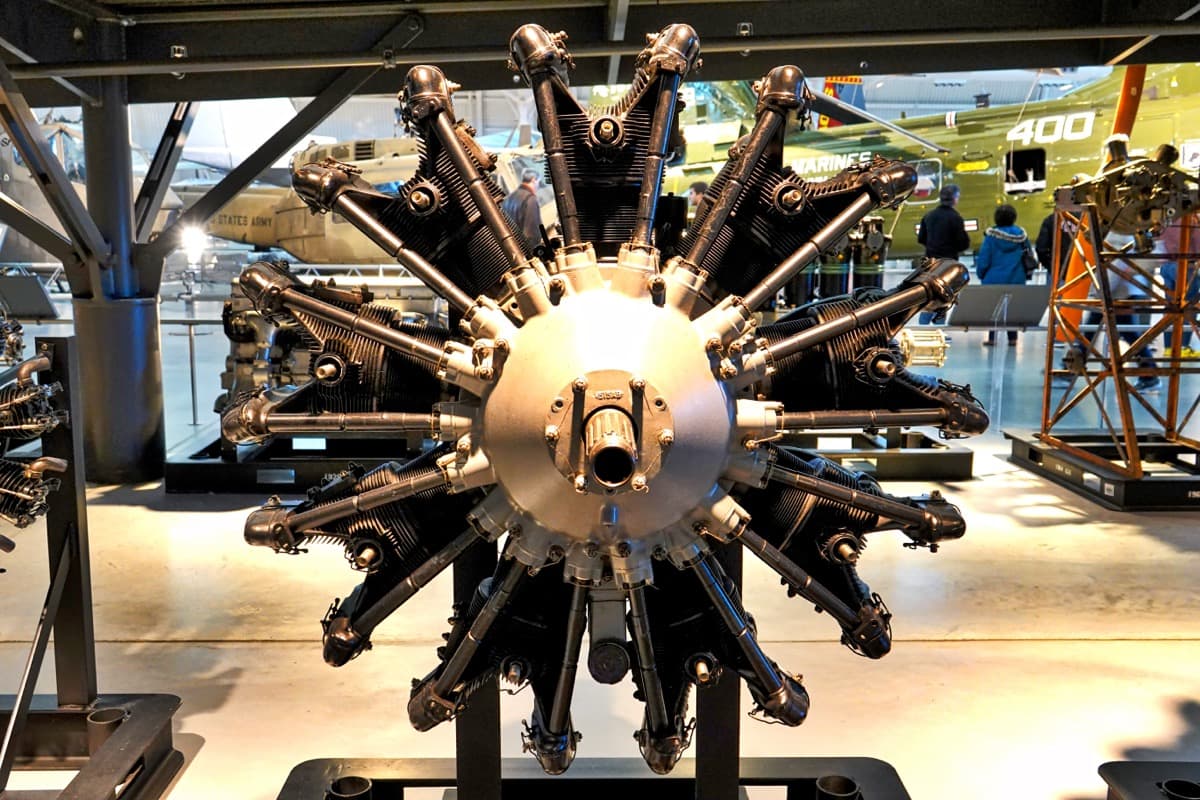
Unfortunately, I’m not able to tell if the engines shown in the pictures you provided are an R-680 or not.
It’s too bad that there isn’t more information regarding this time period in Lycoming’s past. I’d venture to guess that very few, if anyone these days, would be aware that this program took place, so I thank you for bringing this to our attention so that we could share another chapter in Lycoming’s history.
Ping, I’m certain you are very proud of your father, and it certainly is a remarkable part of the past that most people will never know about, so I thank you for sharing this.
Historical Context: The Chinese-Lycoming Connection
While official corporate timelines from Lycoming rarely feature this specific exchange, Ping’s story does align with the historic China-American cooperation during World War II.
In 1944, the Chinese Nationalist Government was working behind the lines in interior cities like Chengdu and Kunming to establish domestic aircraft and engine manufacturing capabilities to fight Japanese forces. Under the Lend-Lease program, the United States sent American engineers to China and invited Chinese technicians, metallurgists, and military officers to U.S. plants, including Lycoming’s facility in Williamsport, Pennsylvania.
The goal was to train them in high-tolerance manufacturing and metallurgy so they could replicate or assemble trainers like the Boeing Stearman.
The photos provided by Ping are rare physical proof of these industrial efforts right before the end of World War II.
A call to our readers: Does anyone have information about the pictured engines?

Paul & Ping – thank you for sharing this interesting bit of history! I hope someone else shares more historical evidence or information in response to your call out to readers.