

The pilot reported that after takeoff from the airport in Roxbury, Maine, he climbed and proceeded to complete a circuit of the airport traffic pattern. While in the traffic pattern, he saw a puff of white smoke, indicative of burned coolant, near the rudder pedals, and he elected to perform a precautionary landing.
On approach to the runway, he was above the glide path but he elected to continue the approach. During the landing flare, the engine lost power completely, and the Bearhawk continued to float about ¾ of the way down the runway before touching down.
As it approached the end of the runway, the pilot elected to force a “ground loop” to prevent the airplane from exiting the runway and going into a river.
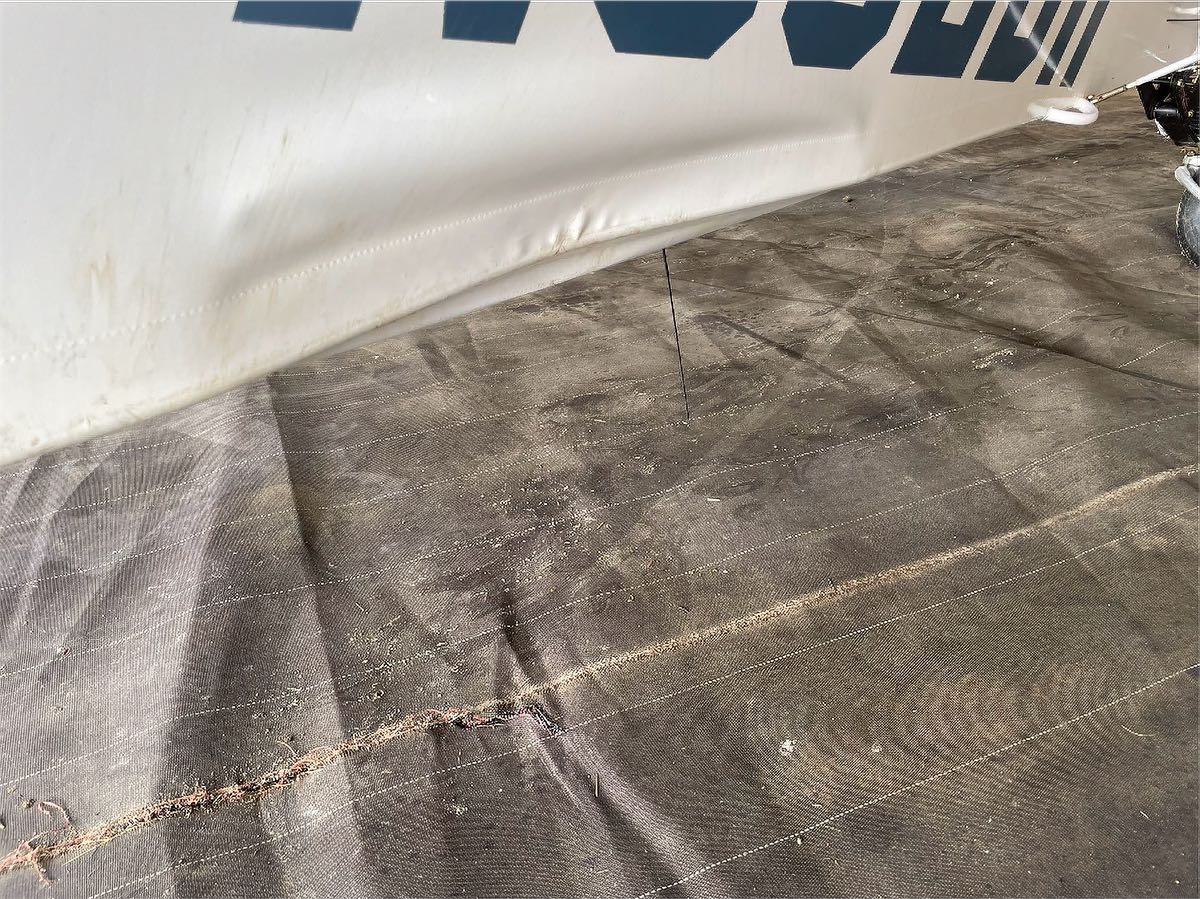
A post-accident examination of the airplane by an FAA inspector found substantial damage to the fuselage from the impact with the river embankment. The inspector also noted that there was residual coolant in the cowling.
The pilot reported that there was also residual coolant around the radiator cap. He speculated that the automotive engine’s rotor coolant seal may have been compromised, allowing air from compression to enter the coolant system, resulting in an overpressurization of the system and subsequent coolant expulsion through the radiator cap.
Probable Cause: The pilot’s unstable approach, which resulted in a landing with insufficient runway remaining to stop and subsequent impact with a river embankment. Contributing was the engine coolant system anomaly.
To download the final report. Click here. This will trigger a PDF download to your device.
This August 2024 accident report is provided by the National Transportation Safety Board. Published as an educational tool, it is intended to help pilots learn from the misfortunes of others.
Don’t they teach forward slips anymore?