

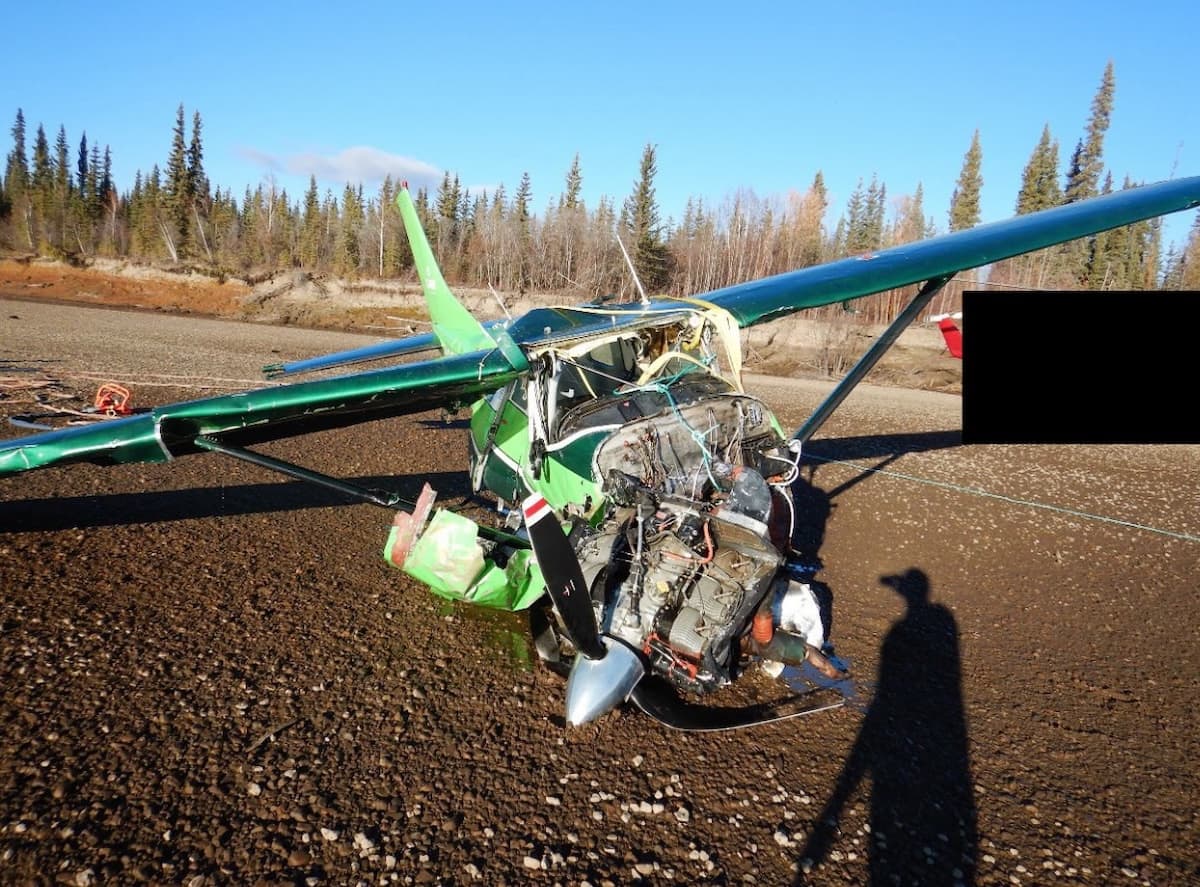
The Cessna 206, owned and operated by Kavik Aviation Services, had departed from Circle City, Alaska, and was transporting fuel to another airplane at a remote location near Chalkyitsik, Alaska. The company owner stated this was the last day of flights for the season and there was a sense of excitement to finally be done. They were also in a hurry to finish up as a storm was coming in.
The Cessna 206 landed on a remote gravel bar adjacent to the Porcupine River, where a remote fuel site had been set up about two months before the accident. There were two hunters at the gravel bar waiting for another airplane to fly them out. They told investigators that they added about 30 gallons of fuel to the Cessna 206 while the pilot loaded fuel containers into the airplane cargo area.
The pilot directed the hunters to use fuel from two 15-gallon plastic fuel drums that were part of the fuel stash.
Earlier in the day, the 15-gallon fuel drums were filled from a 55-gallon metal drum by another pilot. This was done to help the accident pilot, as she was unable to move the large metal drum.
According to one of the hunters, one of the 15-gallon drums was full and one was about ¾ full. They used a pump to transfer fuel from the drum into the airplane. The fuel pump consisted of a hose that went into the drum on one side of the pump with another hose that went into the airplane’s fuel tank. The drums contained blue-colored fuel.
No filters were used, no examination of the fuel drum was done, and the pilot did not sump the airplane’s fuel tank before departure. According to the hunters, the pilot did not discuss the possibility of water in the fuel with them.
The airplane was on the ground for about 12 minutes. The hunters reported that, after the airplane was loaded, it departed to the northwest.
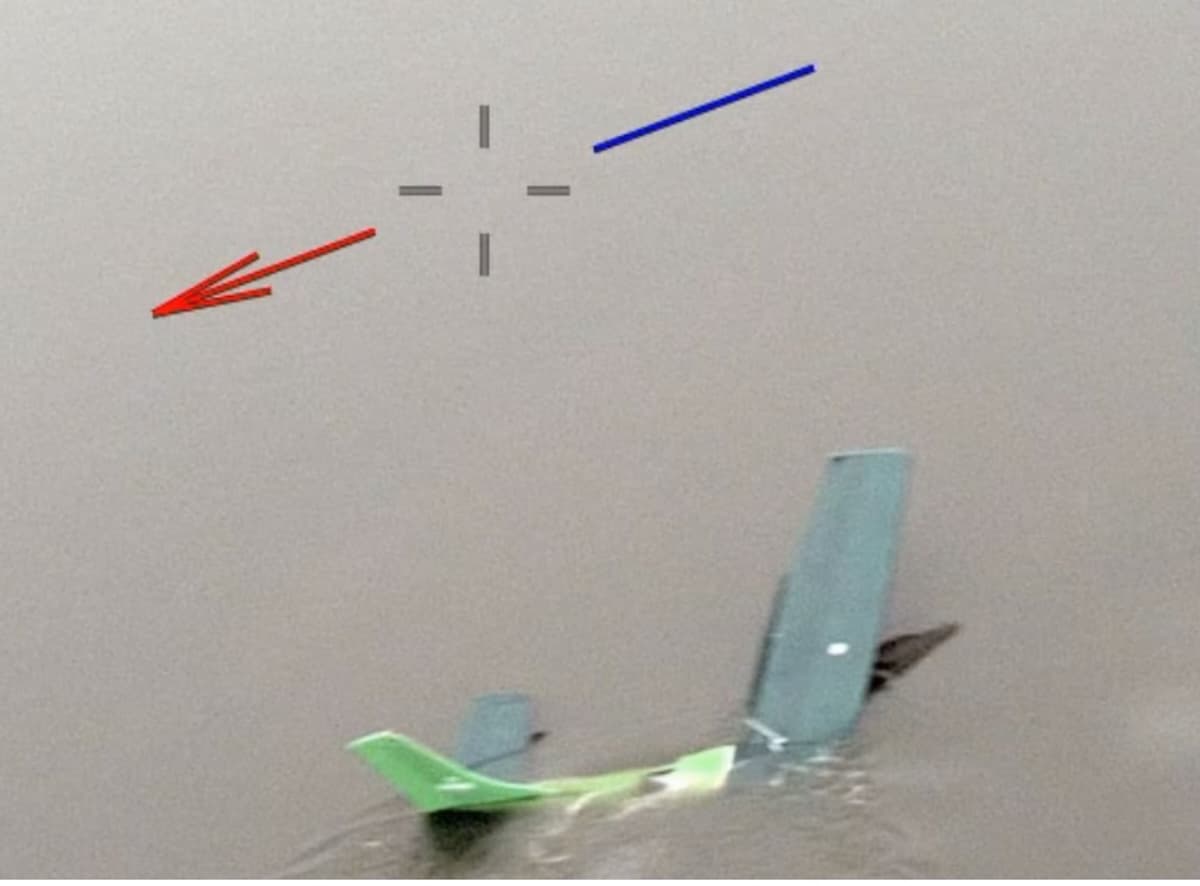
Just after takeoff, they heard the engine “sputtering,” and they turned back toward the plane. They saw it abruptly bank hard to the right and the right wing hit the water. The plane cartwheeled into the river, spinning about 270° before becoming partially submerged.
The pilot died in the crash.
During the removal of the remaining fuel drums at the accident site, a company pilot examined one of the 15-gallon drums, which contained about 8 gallons of fuel. He reported that the fuel contained about a coffee-cup-size amount of water in it, about 8 ounces. This drum was with the same stockpile of fuel that the accident pilot used.
According to the operator, at the beginning of the season there was a fuel filter on the pump and a Mr. Funnel at the fuel stash location. The Mr. Funnel was designed to filter out water, dirt, and debris. After the fuel filter became plugged, they removed it from the pump and never replaced it. The funnel was also lost and not replaced. The operator was aware that there were no filters in use at the fuel stashes.
During the time that the fuel stash was in place, the temperature range varied greatly throughout the day. According to the operator, they had numerous conversations with the pilots about the danger of water contamination in the fuel. They stressed the importance of visually inspecting the fuel, using filters, and sumping the airplane’s fuel tank after refueling.
The accident pilot had complained about the difficulties of sumping fuel in the accident airplane. With a belly pod installed, she said it was very difficult for her to get access to the fuel sump.
The pilot had flown in the area for 3-½ years with more than 600 hours in the Cessna 206.
After the plane was recovered from the river, examination found that flight control continuity was established in all axes (yaw, roll, and pitch). Movement of the flight controls (yoke) produced corresponding movement in the ailerons and elevators, which moved freely. The rudder pedals were damaged consistent with impact and were difficult to move; however, limited movement was observed in the rudder.
The fuel selector was in the right-wing tank position. The fuel pump rocker switch in the cockpit was in the ON position. Mixture, propeller, and throttle controls in the cockpit were all in the far forward position.
Engine control continuity was established from the cockpit to the engine. The mixture control moved freely. Both throttle and propeller control cables had bends from impact, but some movement was visible when moving the corresponding cockpit control. All attachment links and nuts were secure.
Post-recovery examination of the engine revealed the drive coupling to the fuel pump was undamaged. Fuel examined from the unmetered fuel line to the metering valve contained a mixture of fuel and water, with a ratio of about ⅓ fuel to about ⅔ clear water. The fuel line from the metering valve to the fuel manifold contained a mixture of fuel and water, with a ratio of about ¾ fuel to about ¼ clear water.
The fuel injector nozzles were installed in the correct locations and no obstructions were observed. The fuel flow manifold was removed and disassembled, and clear water was found inside.
Air pressure was applied to fuel lines above each header fuel tank in the left and right fuel system. When the fuel selector was placed into the left or right position, fluid was pushed out of the respective header fuel tank. The fluid observed was mostly dirty water. The fuel selector worked correctly. The “last chance” fuel filter and the fuel metering valve filter were clean with no contamination observed. Both wing fuel tank vent screens were clean.
Probable Cause: A loss of engine power due to water-contaminated fuel as a result of the pilot’s inadequate preflight inspection. Contributing to the accident was the operator’s failure to ensure replacement filters were available for use during refueling operations.
To download the final report. Click here. This will trigger a PDF download to your device.
This September 2024 accident report is provided by the National Transportation Safety Board. Published as an educational tool, it is intended to help pilots learn from the misfortunes of others.
This is a concerning reminder of how fuel contamination can create serious risks in aviation, especially when it affects engine performance. Proper fuel testing and inspection before takeoff should always be a key safety step. For those researching related public-safety information, ARRESTS booking data can also provide useful context when reviewing official records. Clear reporting and careful verification can help improve safety awareness and accountability.
Complacency will get you killed. Sad story of the 3 holes in the Swiss Cheese model lining up namely 1. old stored fuel 2. Safety guard rails lost and removed the filters on the pump and the loss of the funnel. 3. The failure of the pilot not to sample fuel especially after being briefed on the high likelihood of being the case. If you can not to the work because of a physical disability either due to strength, back injury ect Get another flying career like a instructor. Then you get the student to do it. But be there to supervise not sit and drink coffee in the club house.