

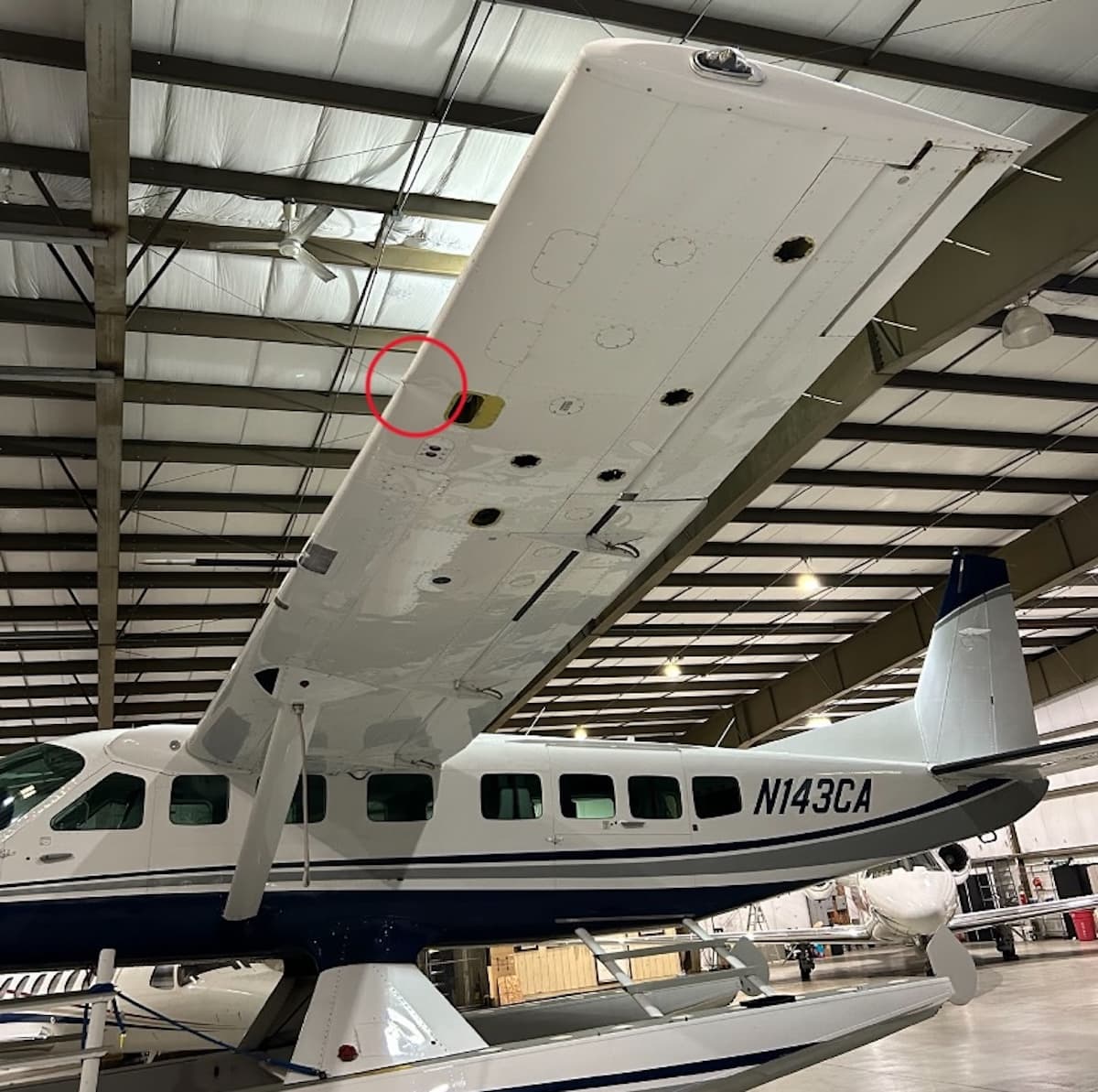
The pilot told investigators that there was nothing wrong with the amphibious Cessna 208B Grand Caravan as he completed his seven previous flights that day and began his eighth takeoff from a river in New York City.
During the takeoff, he said the plane “struck a very strong wake and felt the wing might have hit the wake,” but he continued the takeoff. Once in flight, he saw damage beneath the left wing and diverted to the airplane’s base at a nearby airport. A post-landing inspection revealed that the left wing sustained substantial damage.
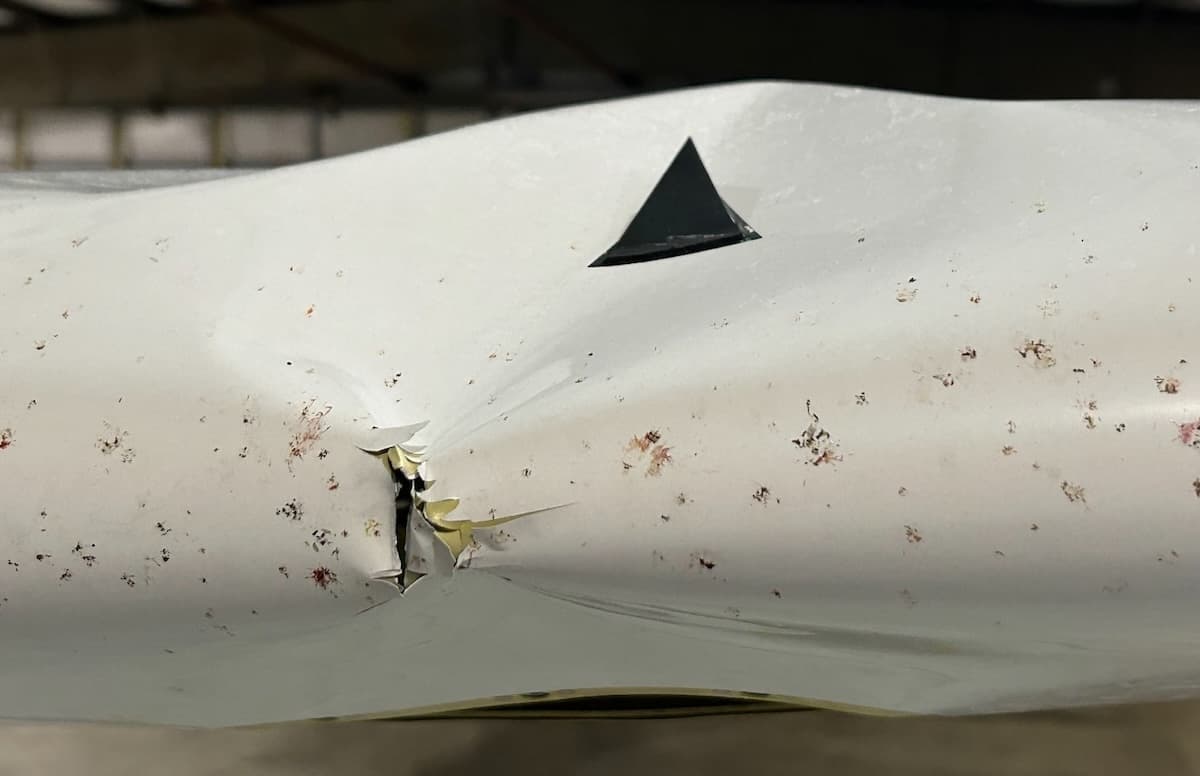
The dockhand said the pilot rushed him to his place in the right front seat in an effort to outrace the wake of a 600-passenger, high-speed ferry crossing their takeoff path. He took his seat and buckled his seat belt when the airplane was “already on the move,” and during the takeoff run, the airplane was “rocked around by the choppy water in the river and hit the wake of the ferry.”
The dockhand said he’d flown in the right seat with several different pilots from the same river location, and that “every one of them would wait for the wake to diminish before trying to launch.”
Probable Cause: The pilot’s improper decision to rush his departure, which resulted in a rough water encounter and collision with the wake of a passing ferry boat.
To download the final report. Click here. This will trigger a PDF download to your device.
This September 2024 accident report is provided by the National Transportation Safety Board. Published as an educational tool, it is intended to help pilots learn from the misfortunes of others.
Leave a Reply