

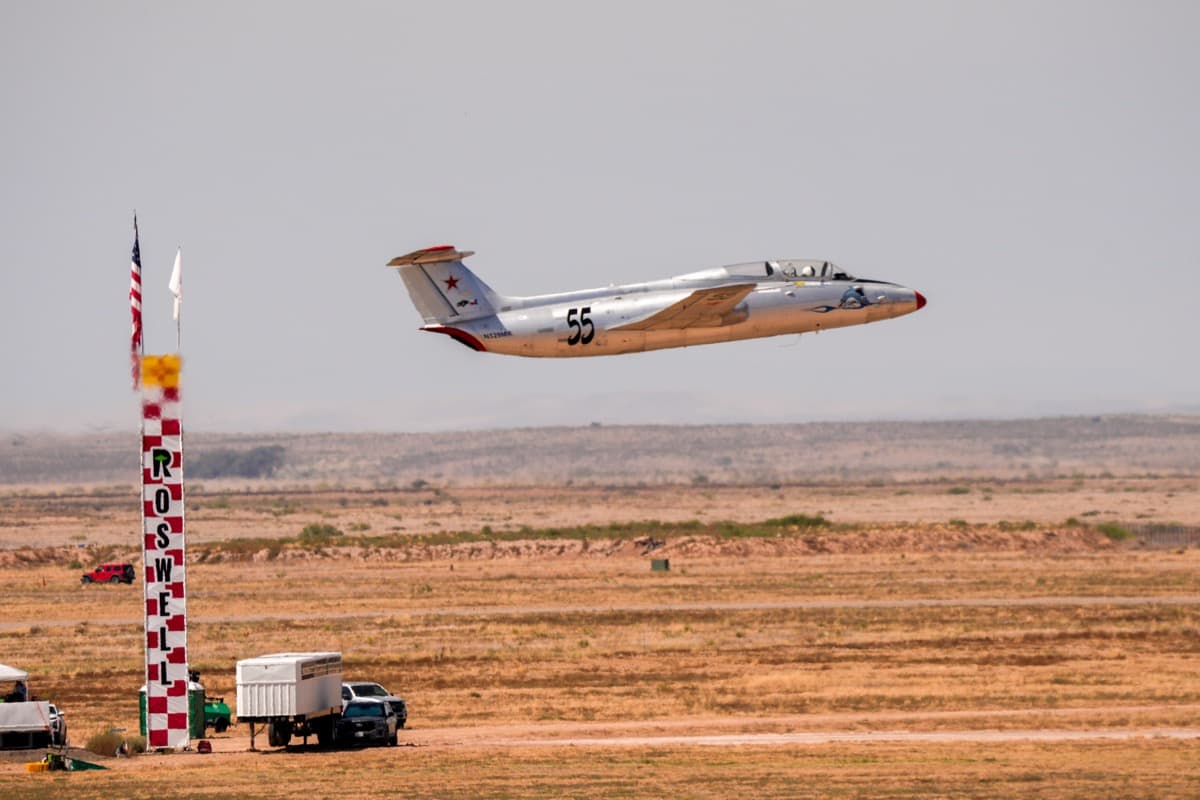
The second running of the National Championship Air Races in Roswell, New Mexico, was bigger in every way over last year’s inaugural races.
After 63 years at Reno-Stead Airport in Nevada, Roswell is now the epicenter of air racing, with more than 67 different airplanes racing in all seven pylon classes, plus 14 pilots in the STOL Drag races. This year’s races, held Sept. 16-20 at Roswell Air Center (KROW), included the Sport and Unlimited classes, which opted to sit out the first year at Roswell.
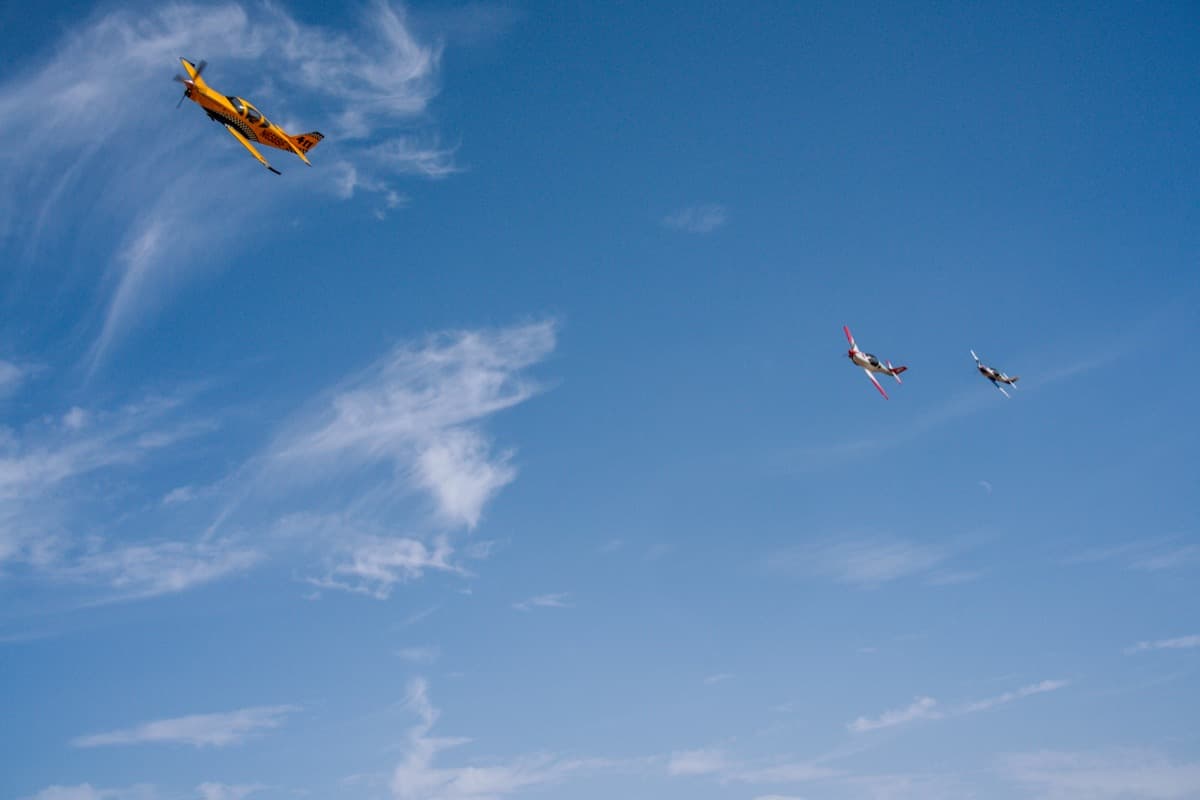
It was hot, it was fun, it was occasionally loud, and everyone seemed to be having a great time. Racers, crew, and attendees were enthusiastic about the “Roswell aliens” theme of the event.
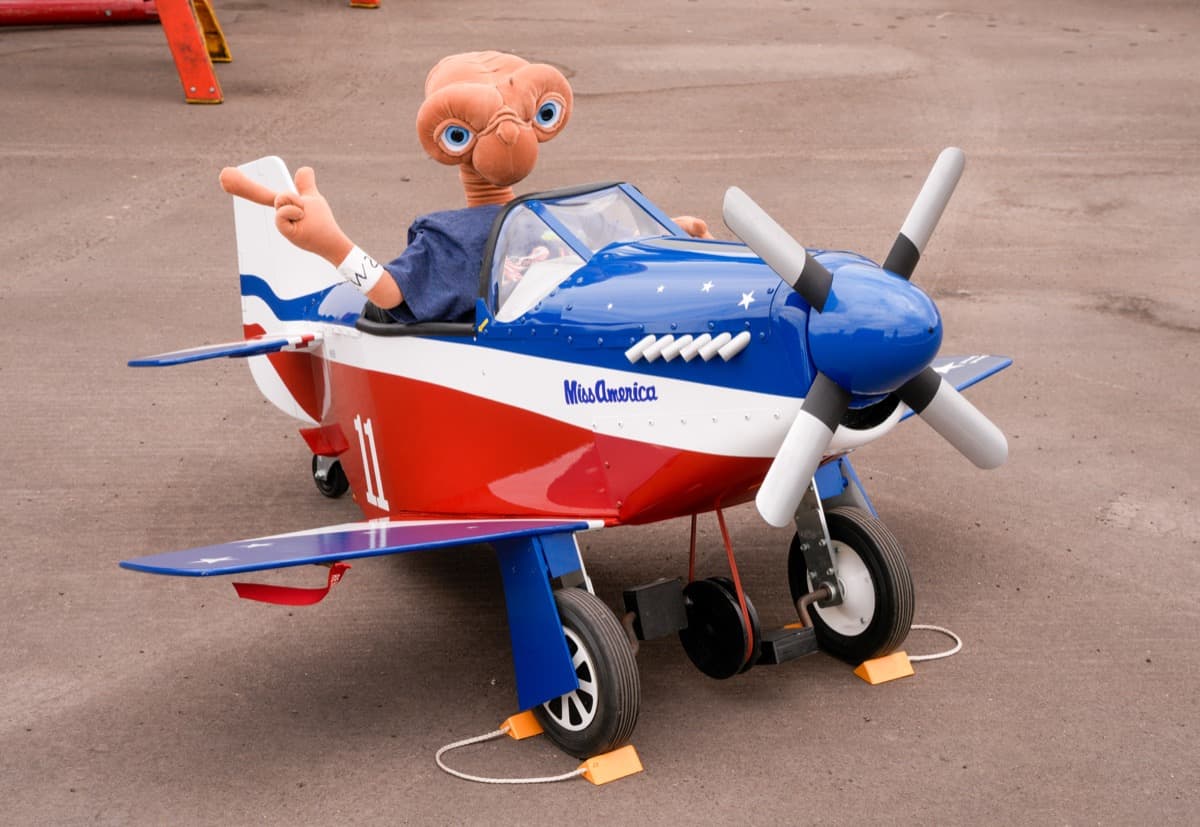
Many longtime fans were there, and the new location brought new fans, too.

“I wasn’t a fan until they came here. Now I am,” said Jeff Thomas of Lubbock, Texas.
One of the most dedicated air racing fans is Brent Wilson.
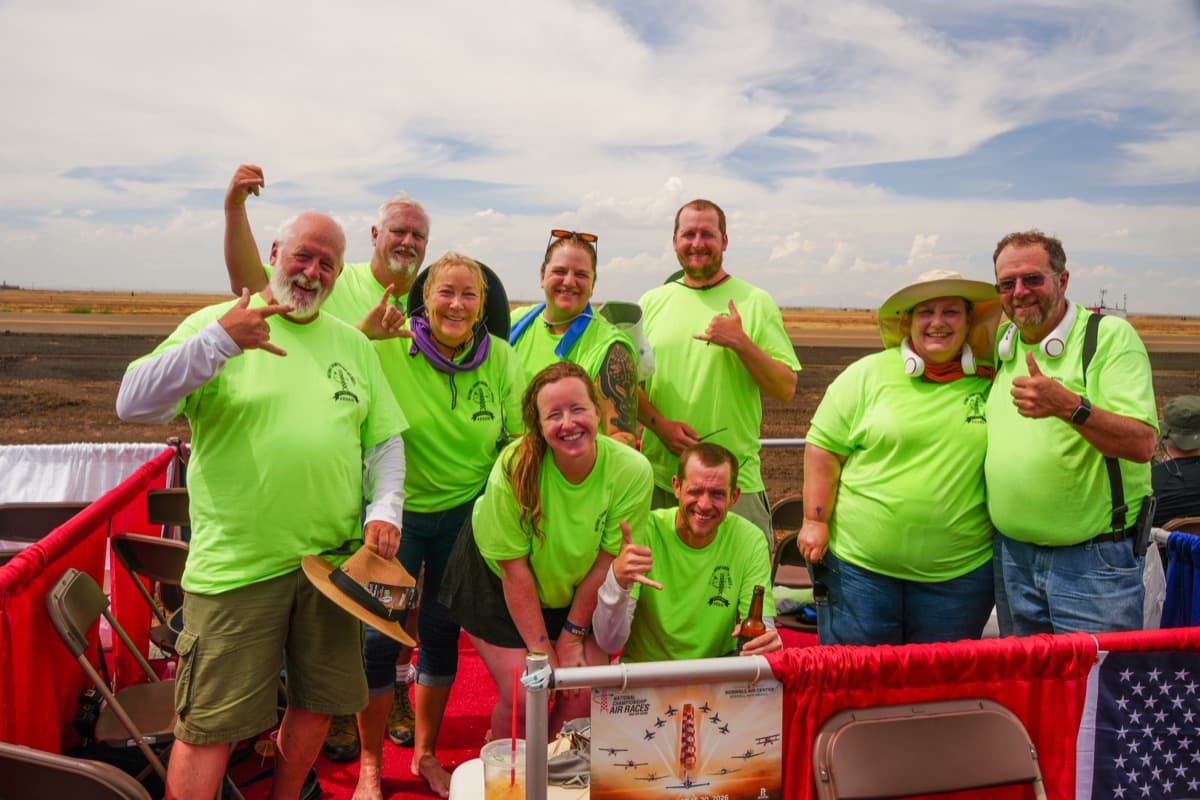
“This is my September family,” he explained as he waved from his box seats on the flight line, surrounded by other neon green shirted fans.
“My first race was 1969,” he shared. “I started bringing my boys in 2001. This is our first year with the gals. It’s been a father-son tradition. Now we added fiancees and girlfriends. It’s been very, very cool.”
Wilson also drafts strangers into attending the air races.
“We find people and bring them in,” he said. “The whole day is on us! We pay it forward. Over the years, we’ve met so many great people.”
A full-circle moment unfolded on the final day of the races when a Roswell native and her boyfriend got engaged at the races. The couple previously lived in Reno, where they attended the National Championship Air Races many times, carrying their connection to the event from its longtime home to its new one.
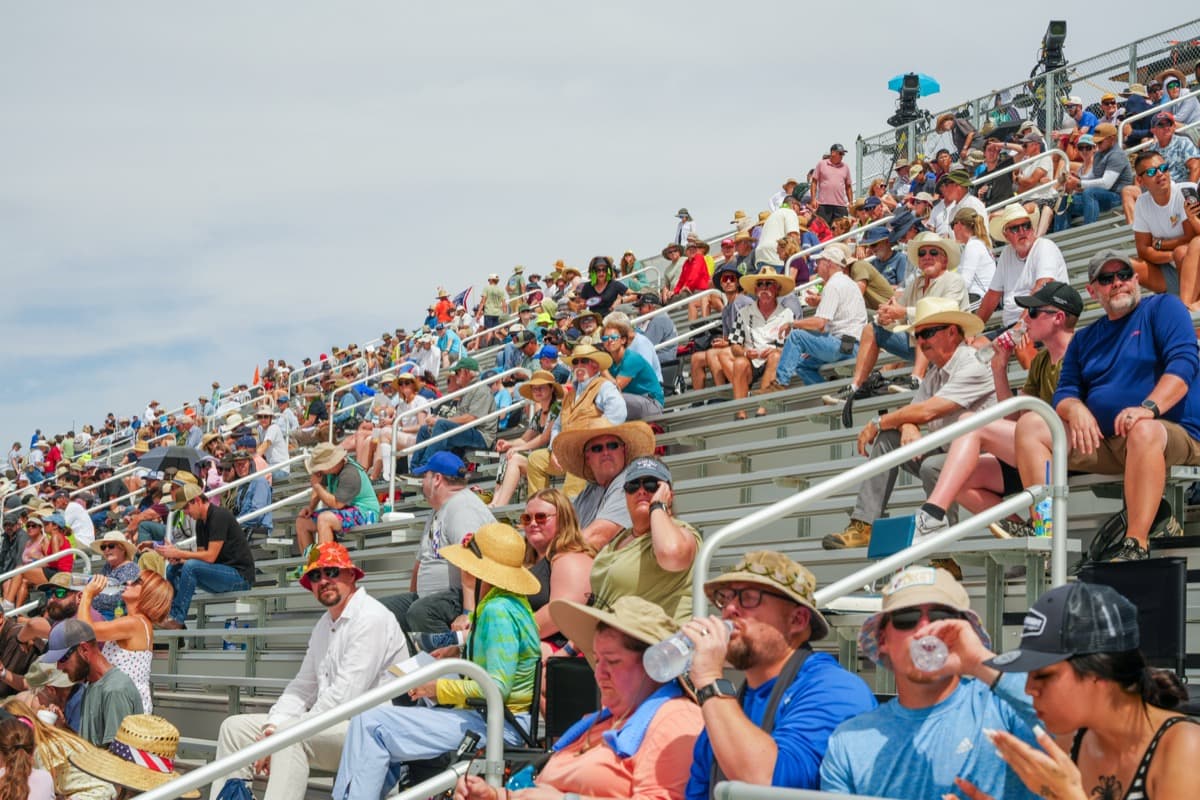
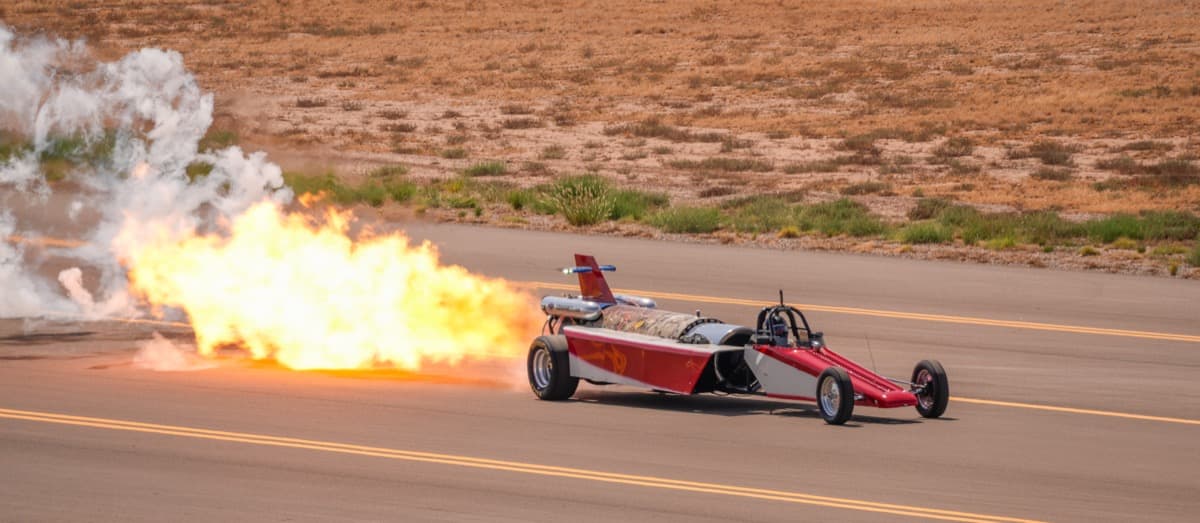
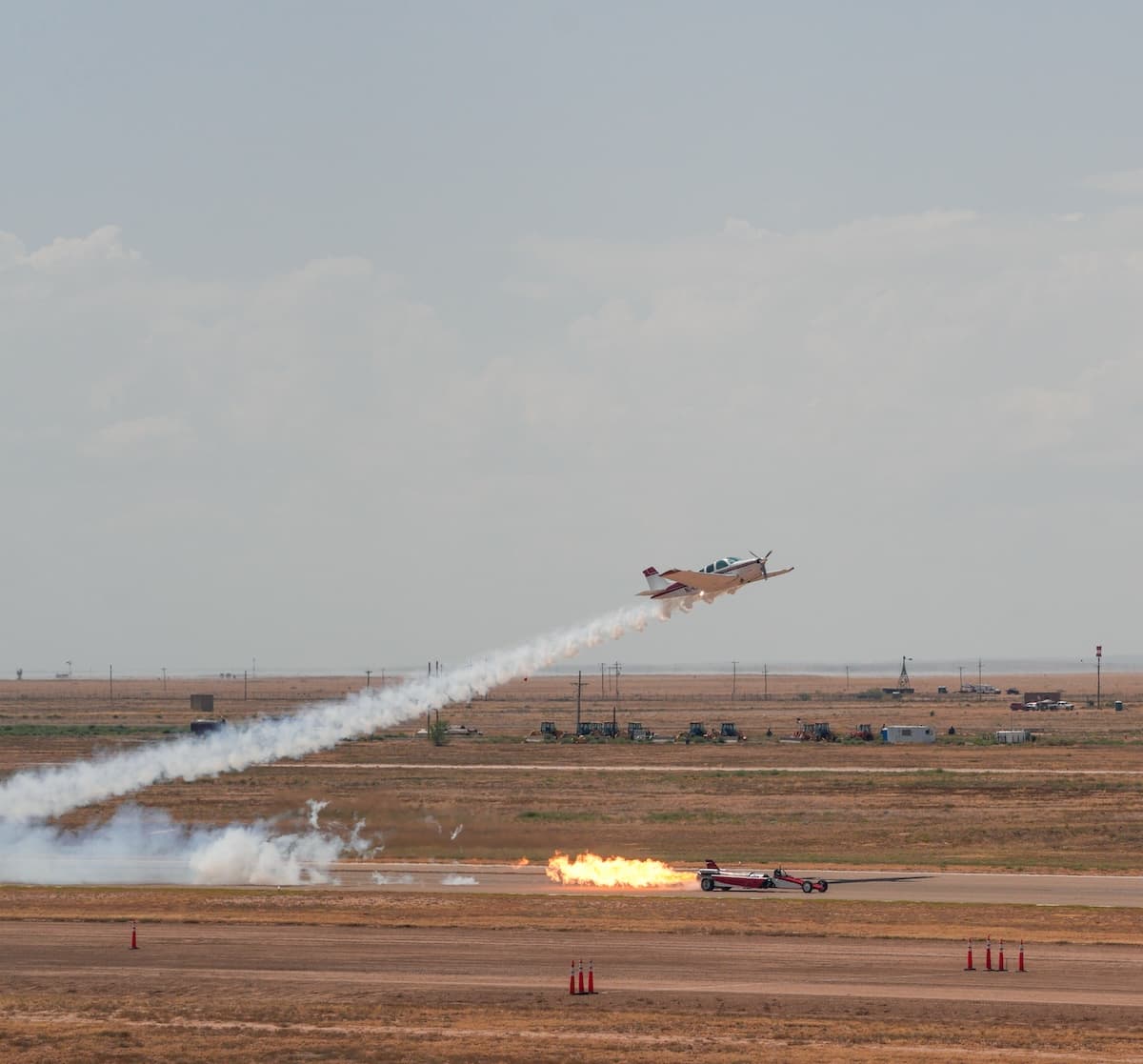
While racing is the main event, the event has grown to include an air show and static displays.
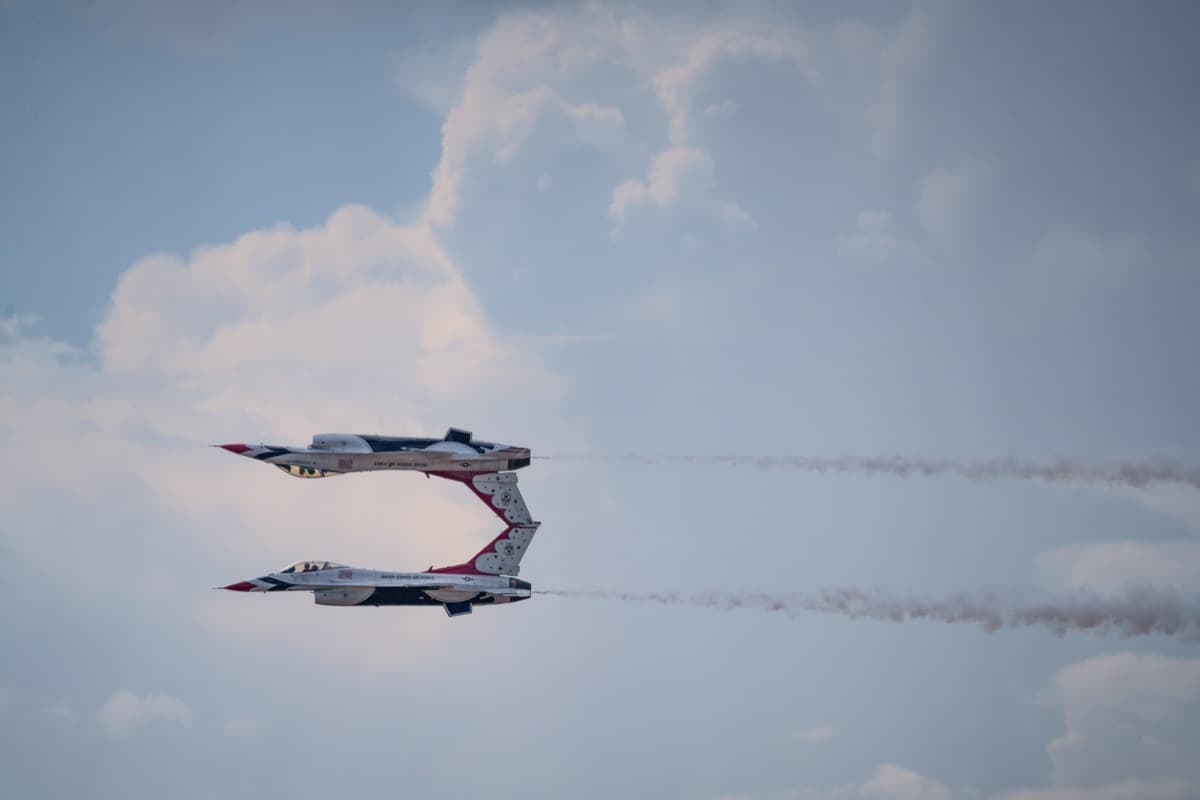
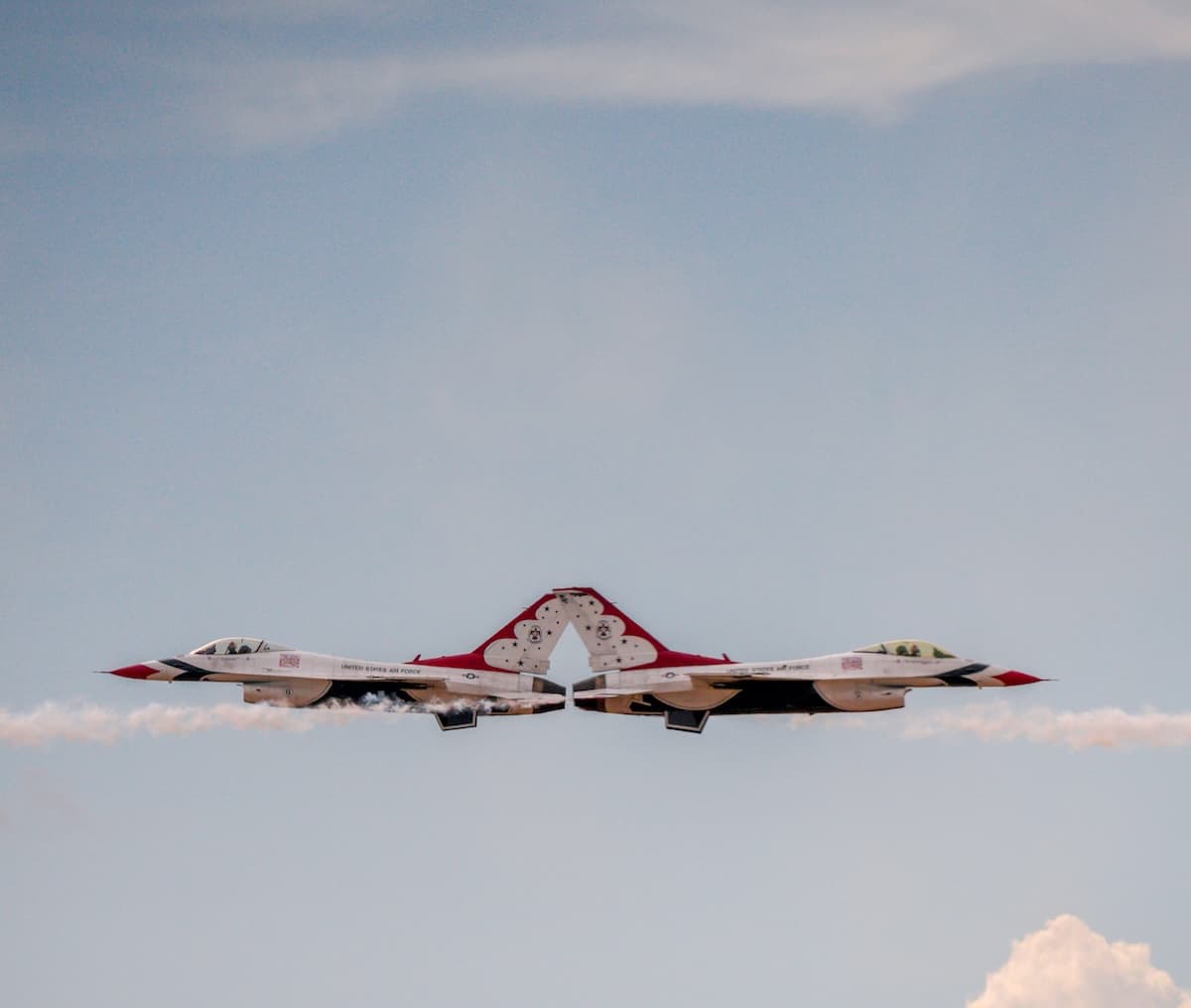
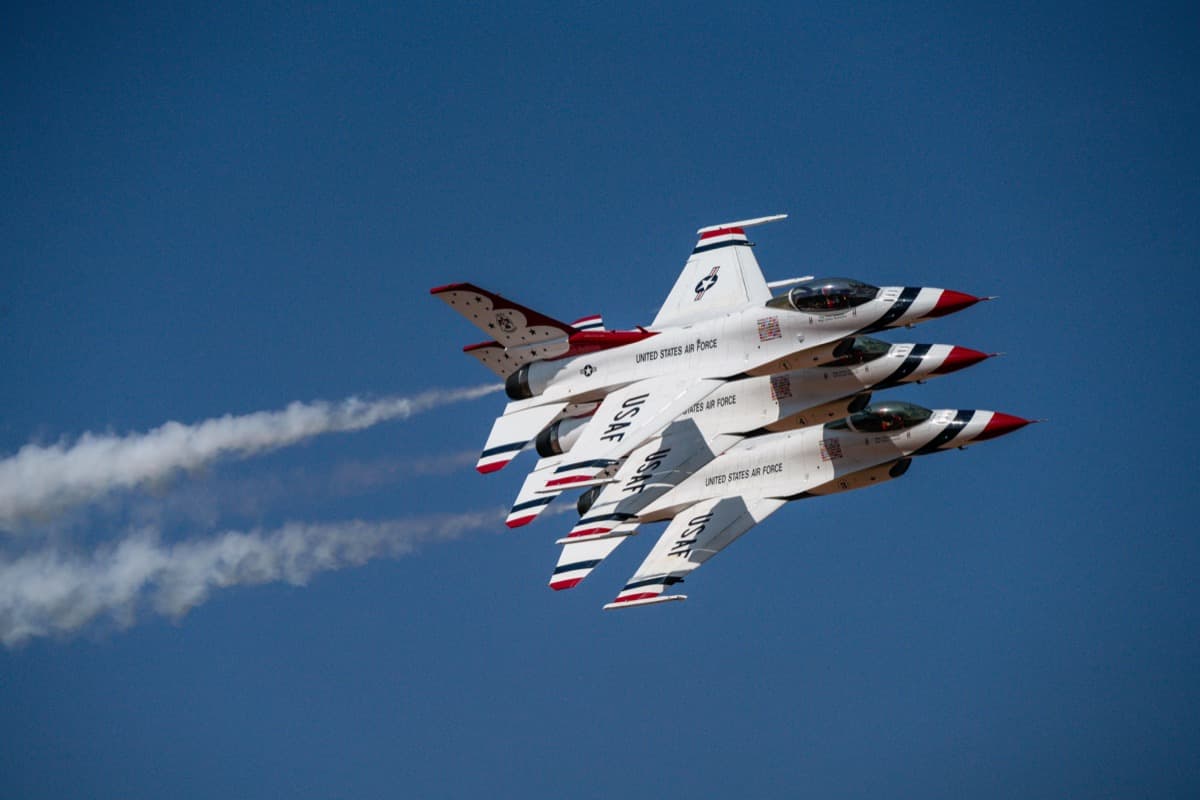
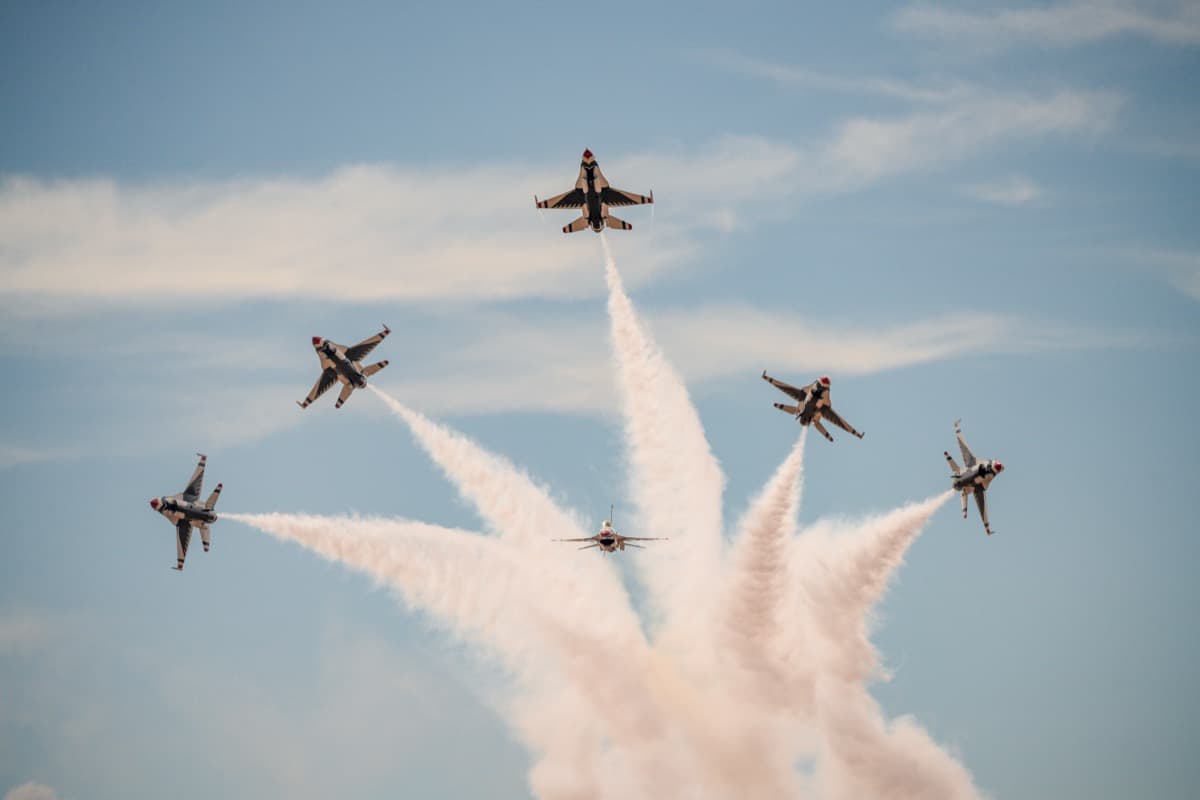
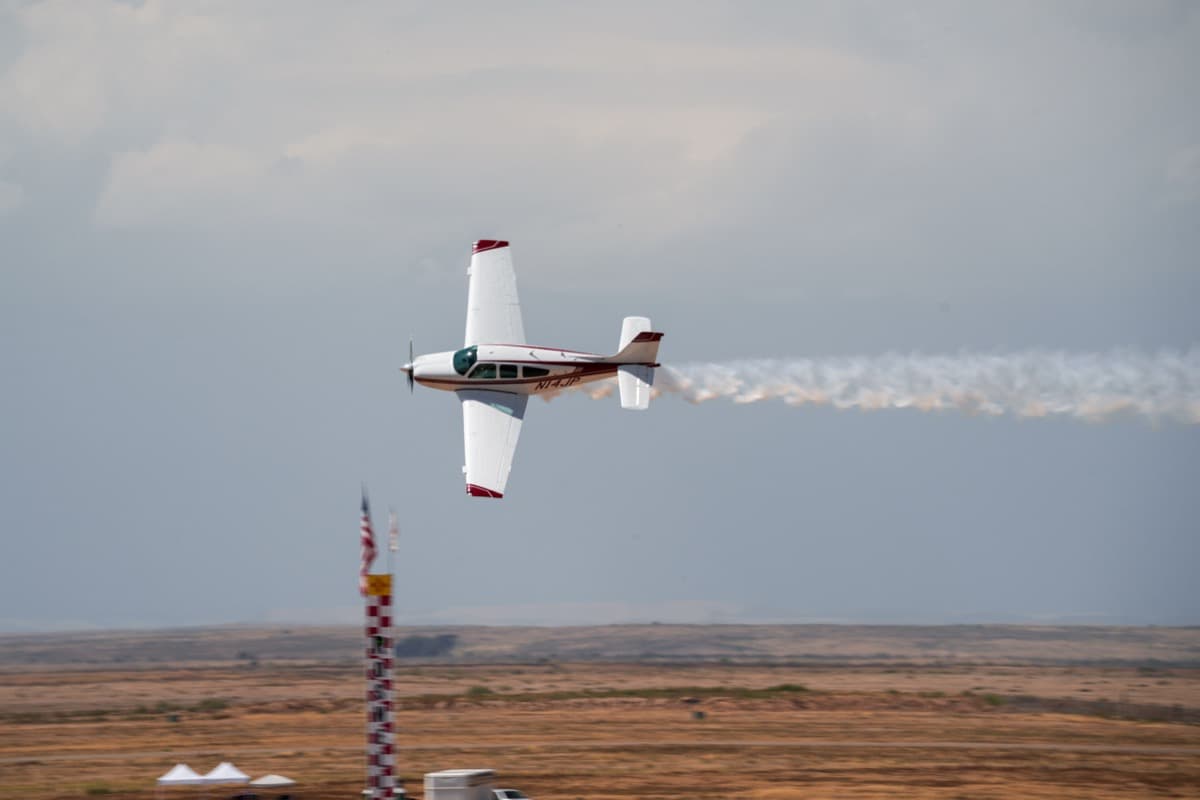
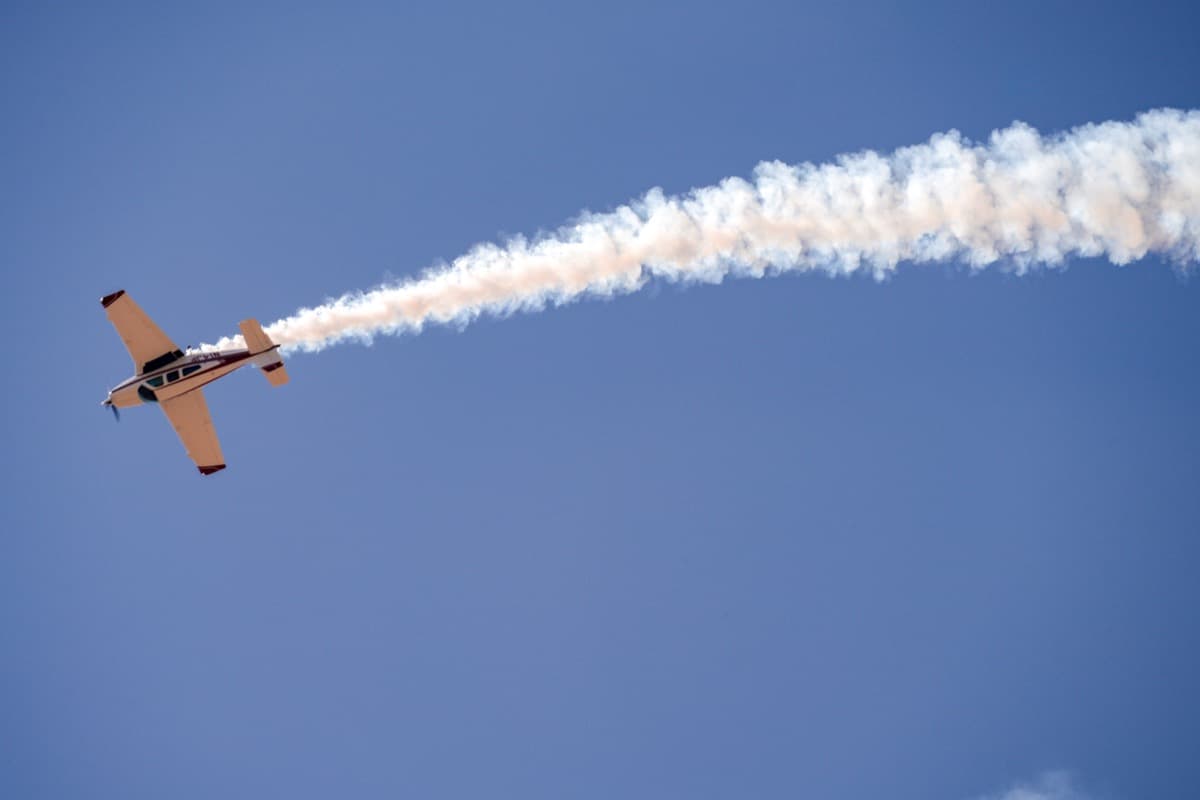
This year featured the U.S. Air Force Thunderbirds, as well as air show performers, including Jim Peitz.
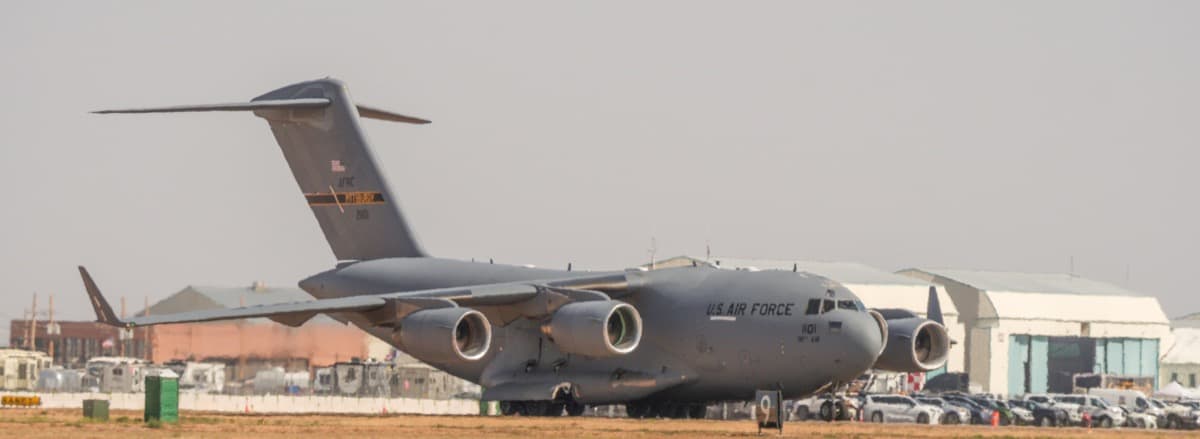
Static aircraft displays included a C-17 Globemaster II, two T-38 fighter trainers, the B-24 Liberator “Diamond Lil,” two Beech C-45s, a unique Spitfire recreation, several historic racing planes, a B-52 Stratofortress, and more.
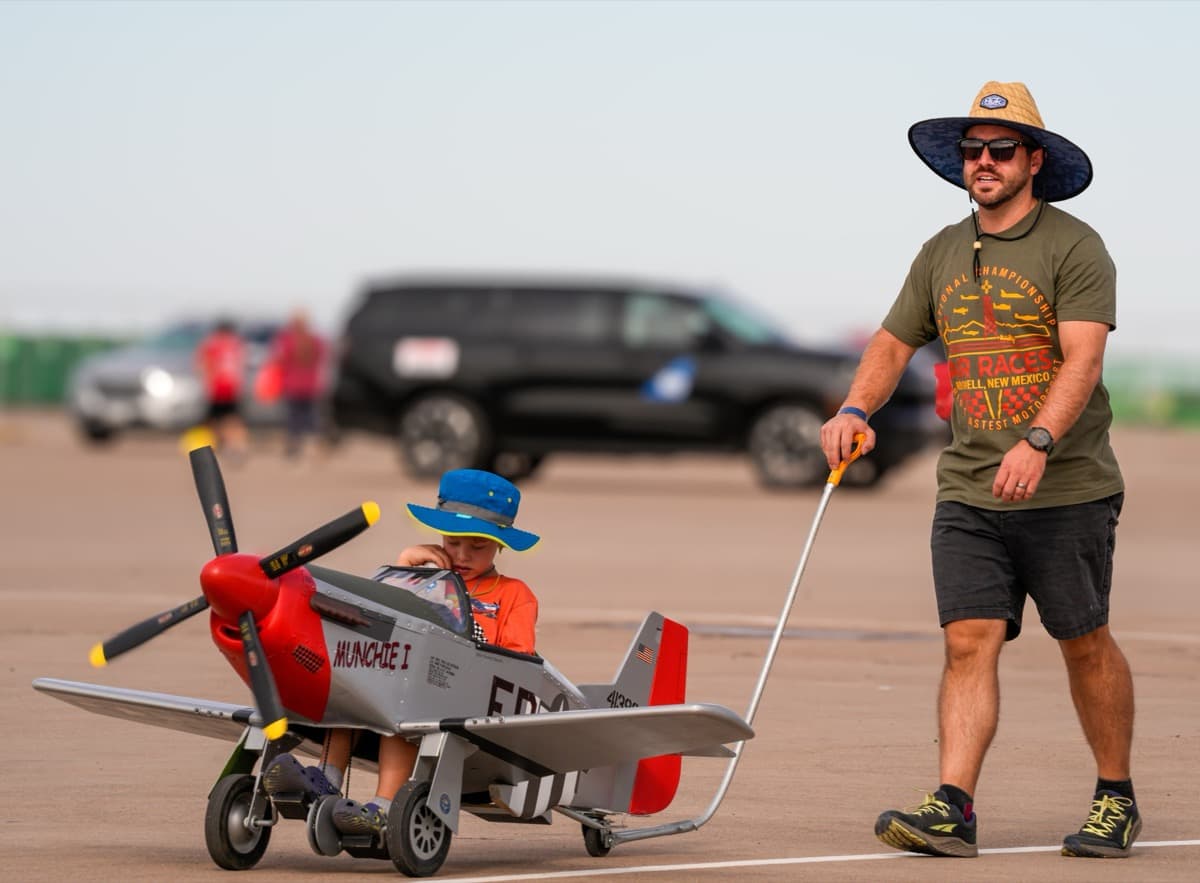
Vendors included a wide variety of food, many types of aircraft-related goods, several T-shirt vendors, and an impressive number of local groups, including the New Mexico Pilots Association.
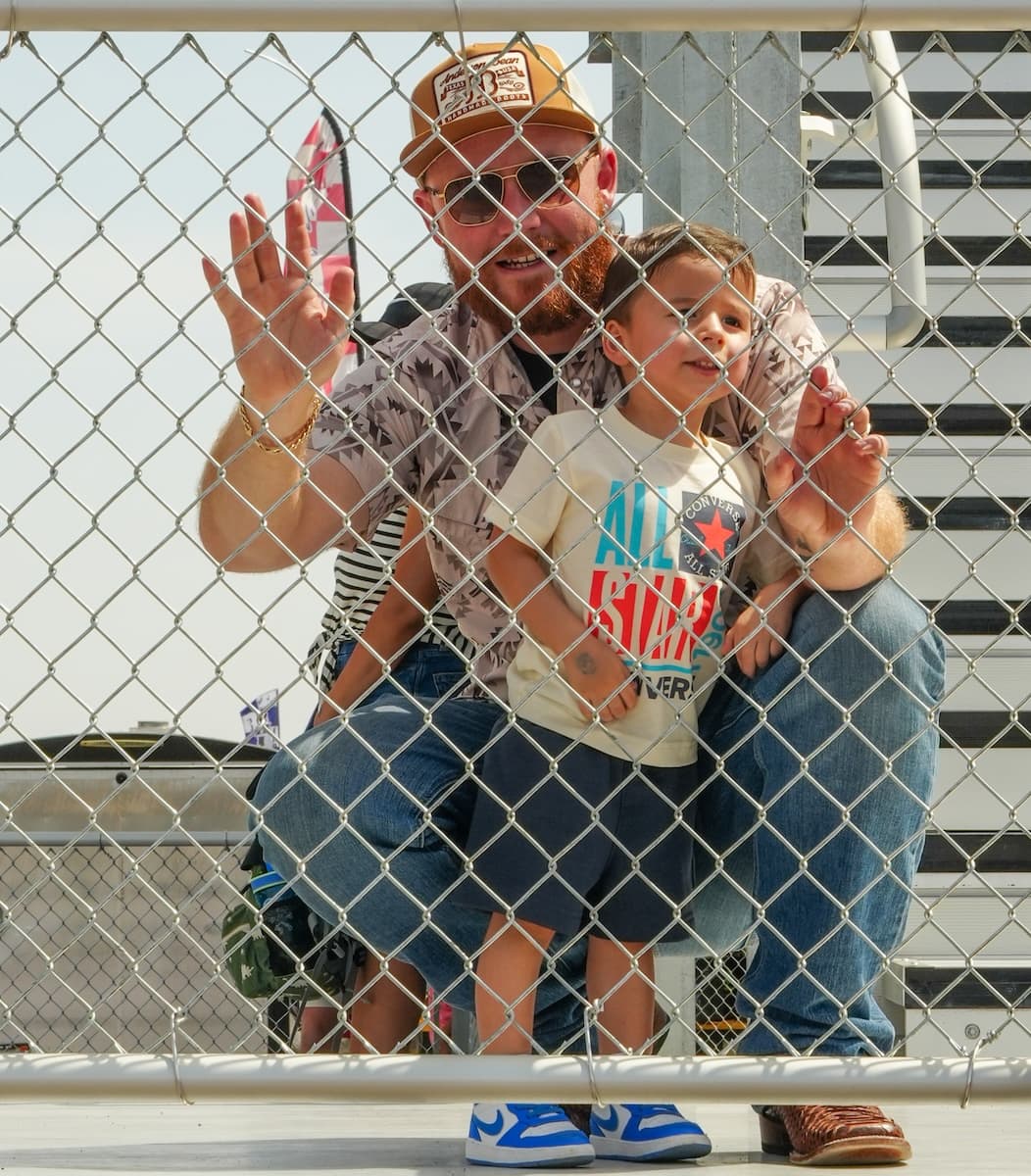
Spectators, volunteers, racers, staff, and city residents all seemed universally pleased with the growth of the races, and have high hopes for the future. All agreed there are opportunities for improvement, with high ticket prices and half-full grandstands top of the list.
The Races
Twelve pilots and airplanes competed in the Formula One class, featuring purpose-built, single-seat aircraft powered by modified versions of the O-200 motor found in GA aircraft like the Cessna 150.
“Our tech specs for this class are strict and we have to meet them,” said multiyear racer Trent Woodworth. His Cassutt uses a fixed-pitch 55-inch by 62° prop that spins up to 3,700 rpm and makes about 150 hp, compared to the engine’s usual 100.
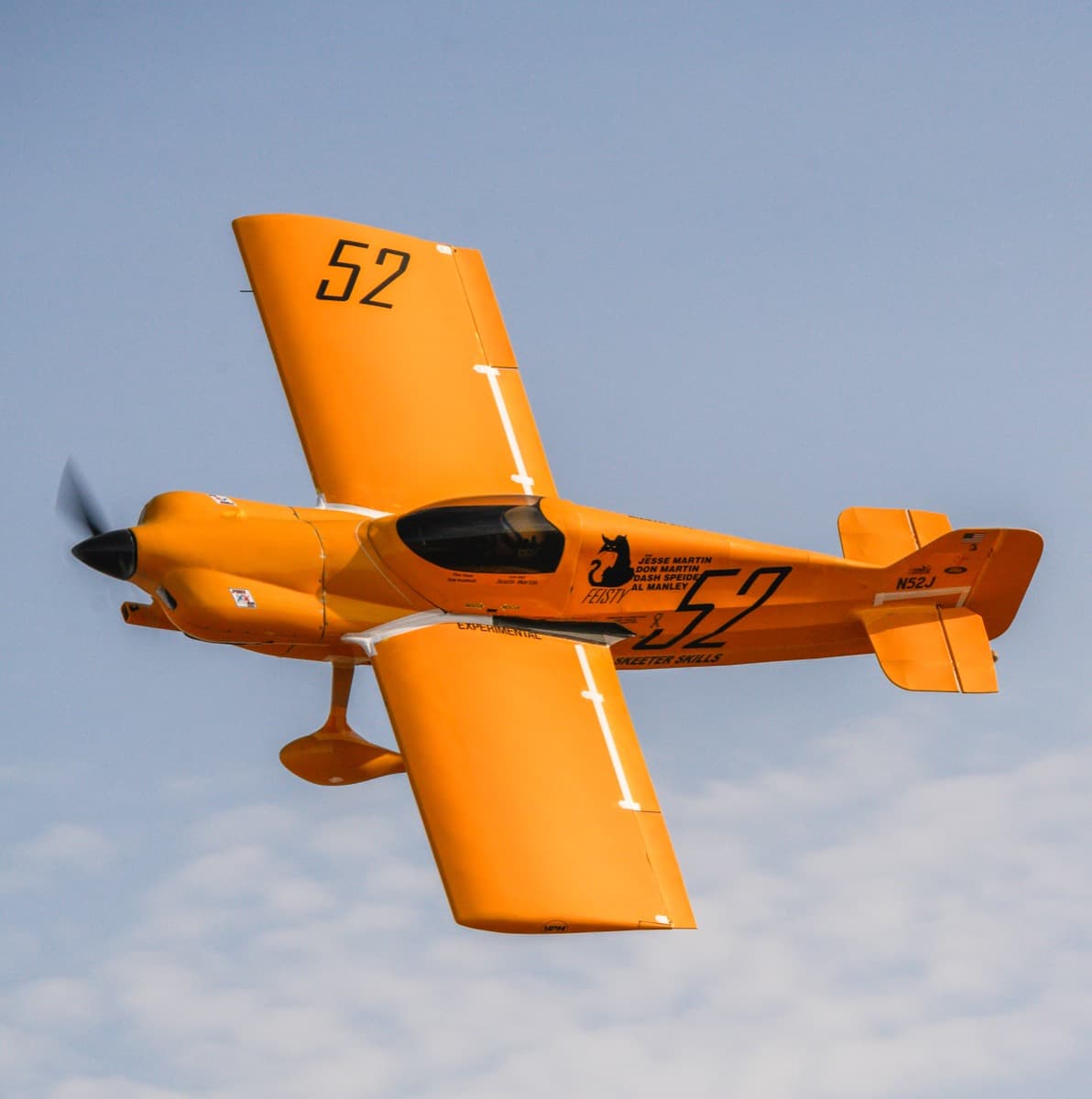
“When wound up at speed, the control forces are literally double a Cessna 172,” he explained.
The planes cross the fence at 100 mph and land at about 90. Pilots regularly sustain 3G and he has seen more than 4, noting that wake turbulence is a handful.
“The adrenaline is highest for me 10 seconds before the green flag drops,” he said with a grin. “You’re staring at the flag and the moment it wiggles…”
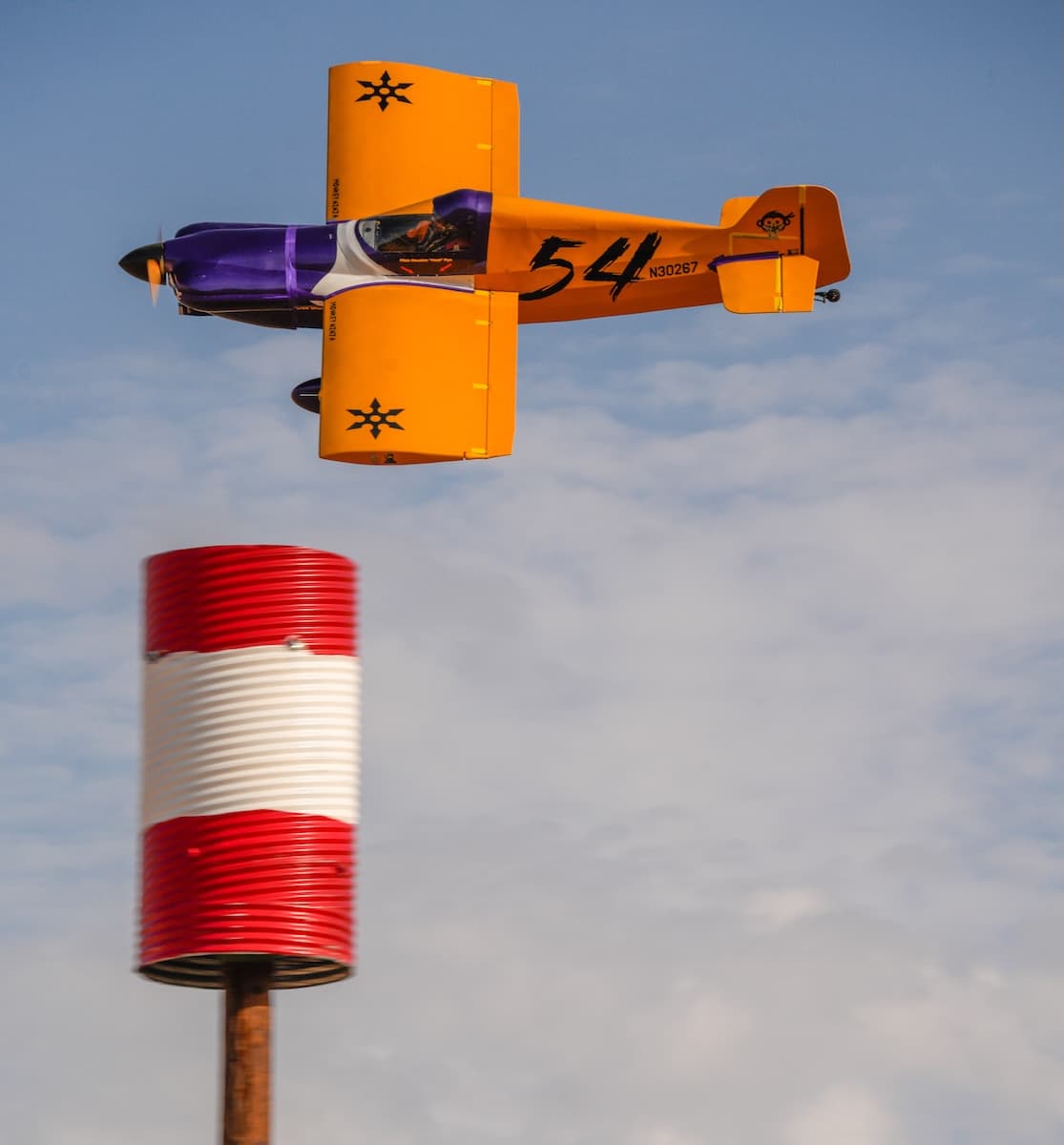
The 2026 Formula One Gold champion was Josh Watson from Wilton, California, in his “Fraed Naught” Gilbert DG2 with a speed of 250.404 mph.
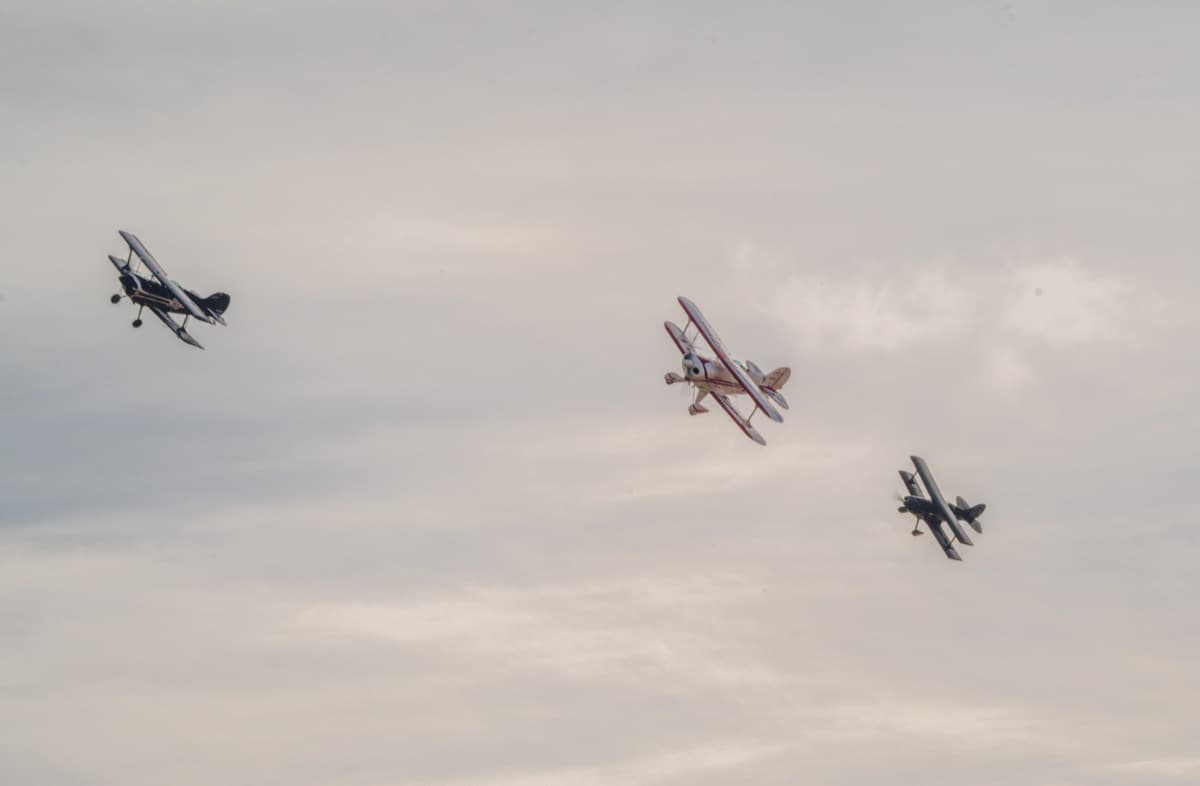
The Biplane class is slightly slower and this year’s 11 competitors all piloted some version of the venerable Pitts biplane. Their stock motors produce about 180 hp with race versions closer to 225 hp. This year’s Biplane Gold champion was Tom Marden from Erwinna, Pennsylvania, in his Pitts S-1C “Second Hand” at a speed of 221.106 mph.
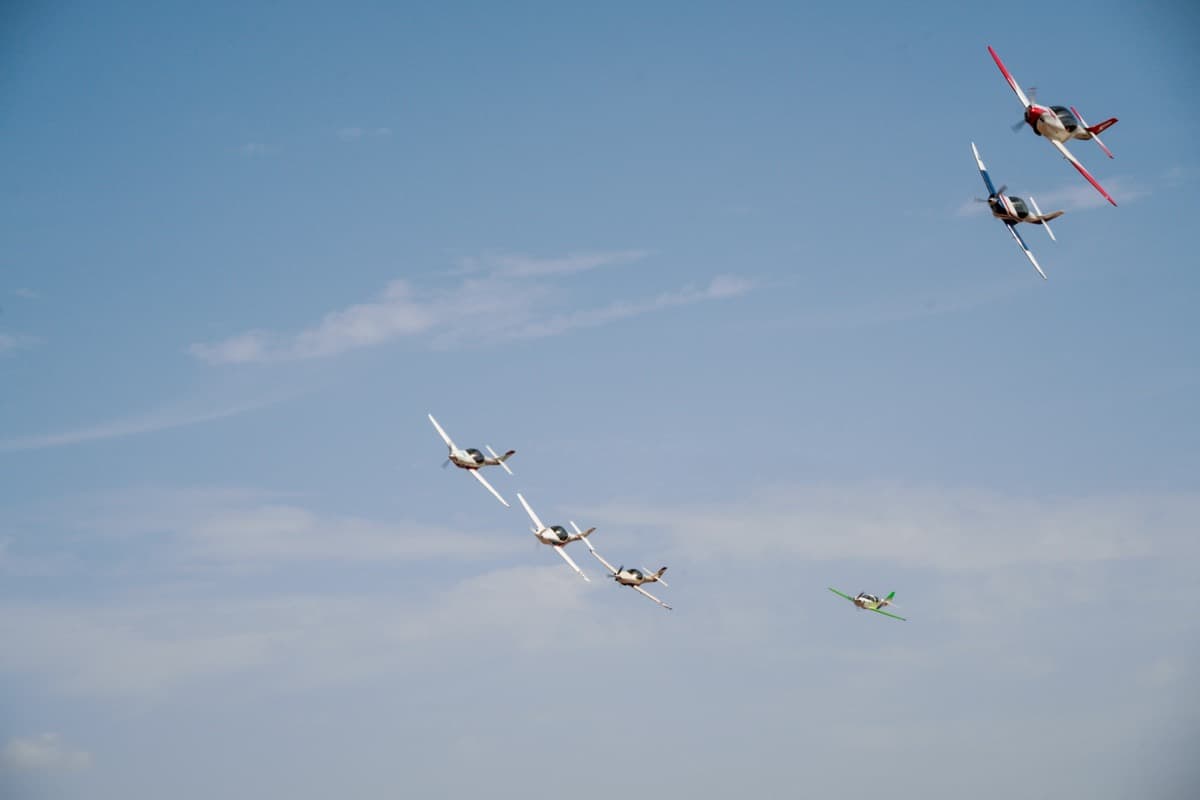
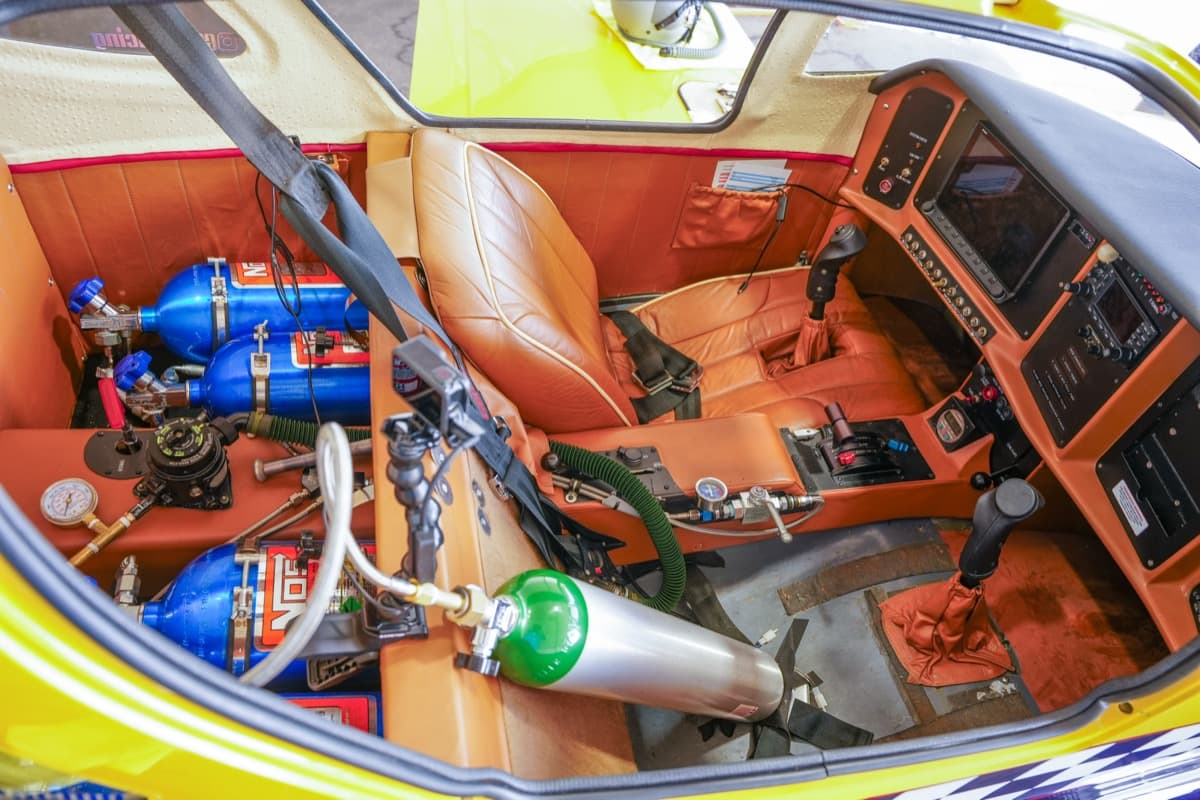
Technology really steps up with the Sport class of 15 heavily modified homebuilts — usually Lancairs or Glasairs with a few RVs. Sport Gold class winner Tom McNerney and his Lancair Legacy “Too Much” from Blue Springs, Missouri, had a solid win at 349.112 mph. Every little bit matters in these aircraft, which feature a long list of innovative and cutting edge technology, including multiple nitrous oxide tanks to richen the mixture.
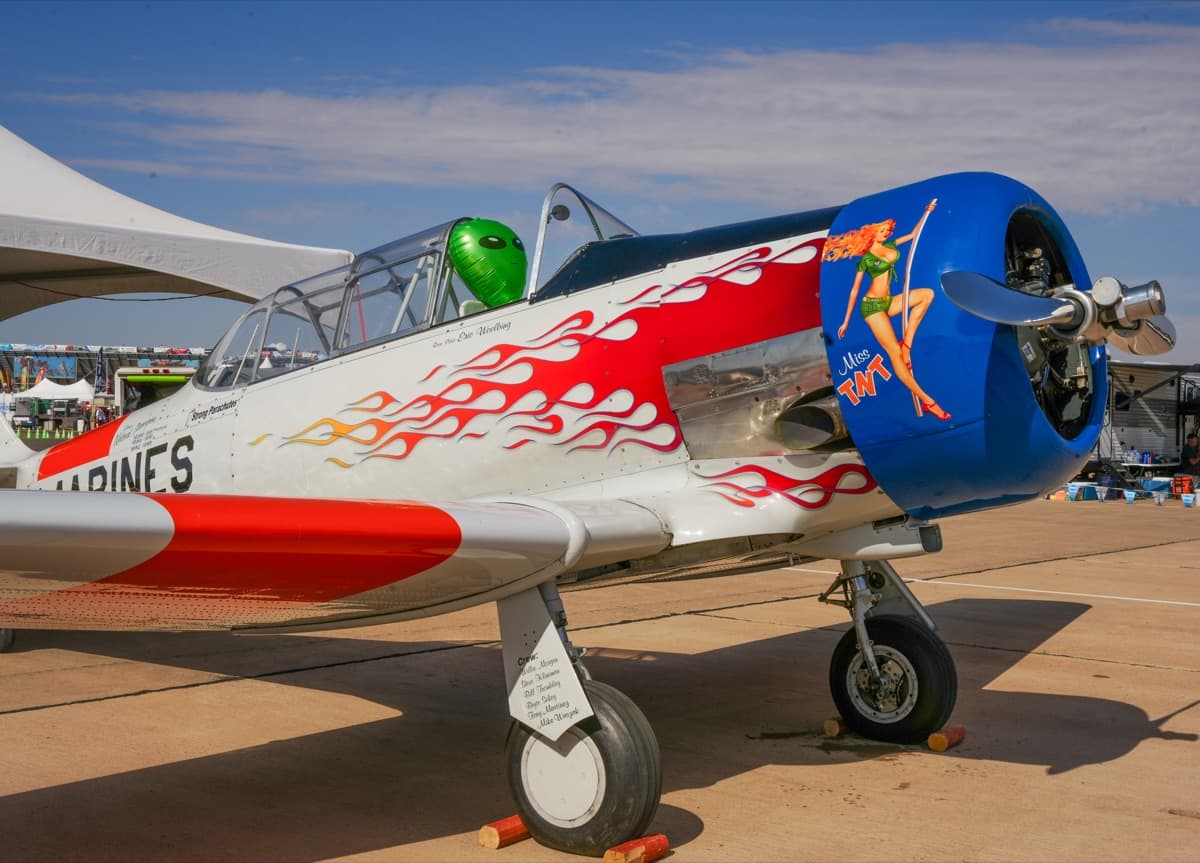
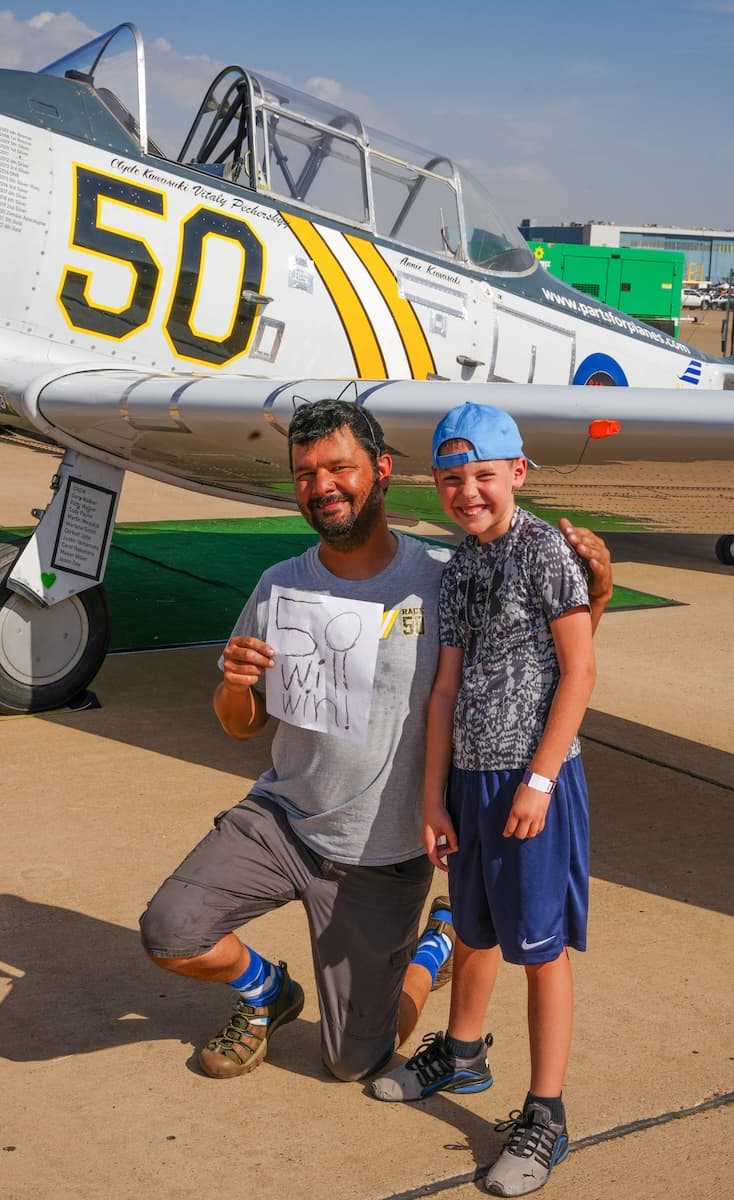
The T-6/SNJ racing class is a crowd favorite due to their closely matching specs and the popular roar of their radial engines. Seven aircraft competed this year, many featuring quasi-military livery reflecting the history of these aircraft as military trainers. The AT-6C “Miss TNT” piloted by Lee Oman of Sequim, Washington, took the gold win at a speed of 233.179 mph.
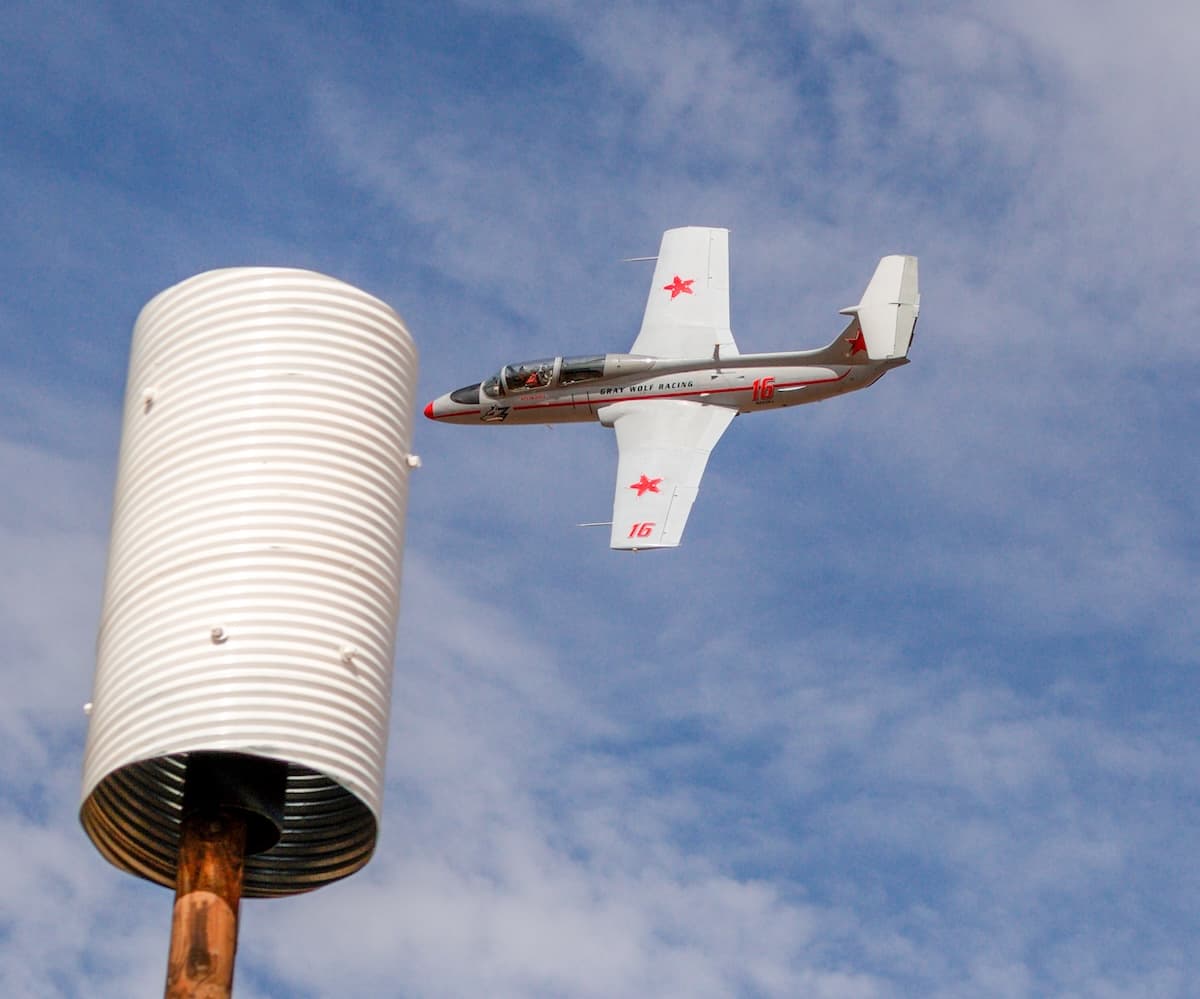
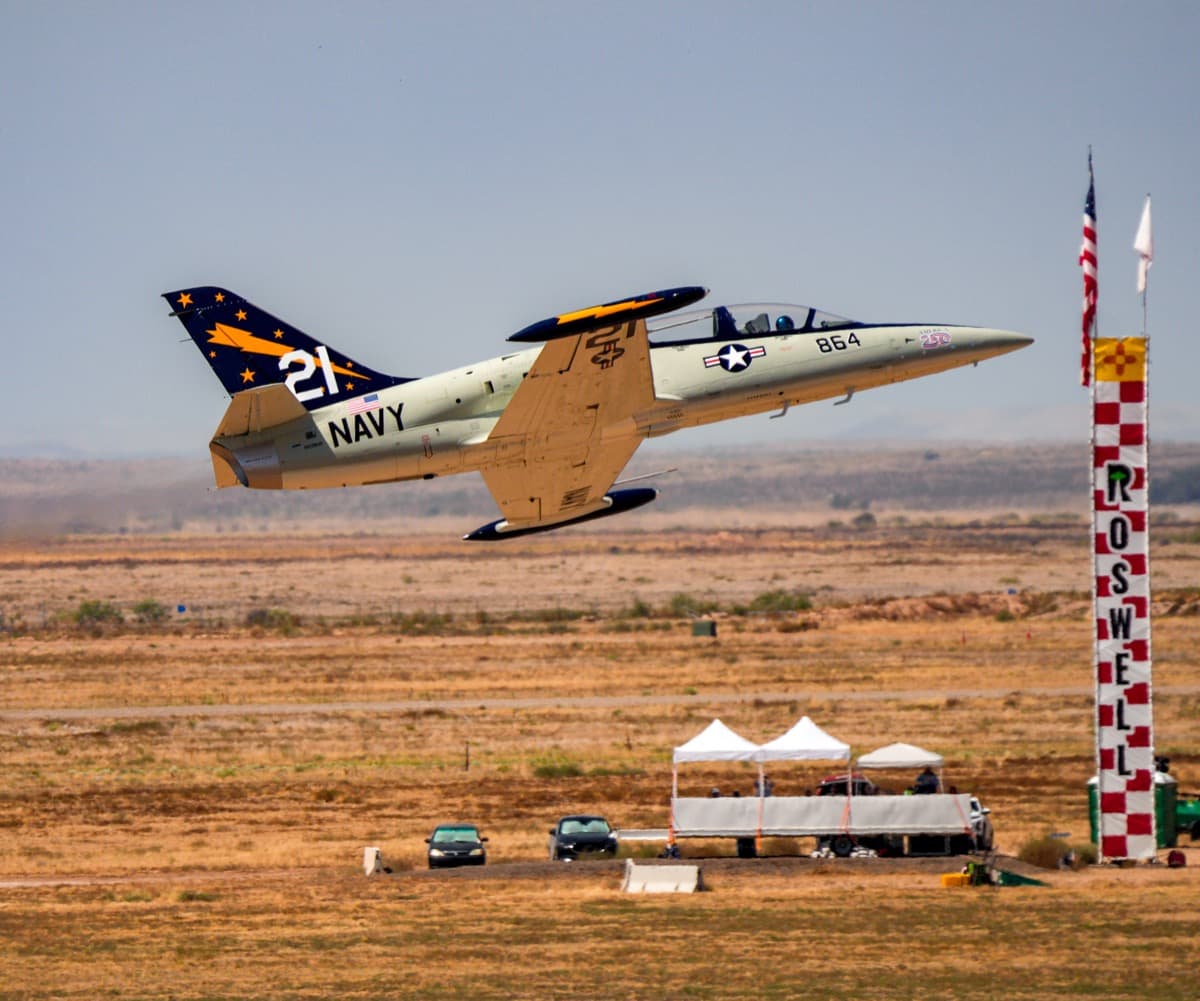
An even split of five each Aero Vochodny L-29 Delfins and L-39 Albatrosses, all military jet trainers built in then-Czechoslovakia, made up the Jet class, with Gold winner Jason Googe from Savannah, Georgia, taking the win at 495.908 mph in his modified L-29, “ArcAngel.”
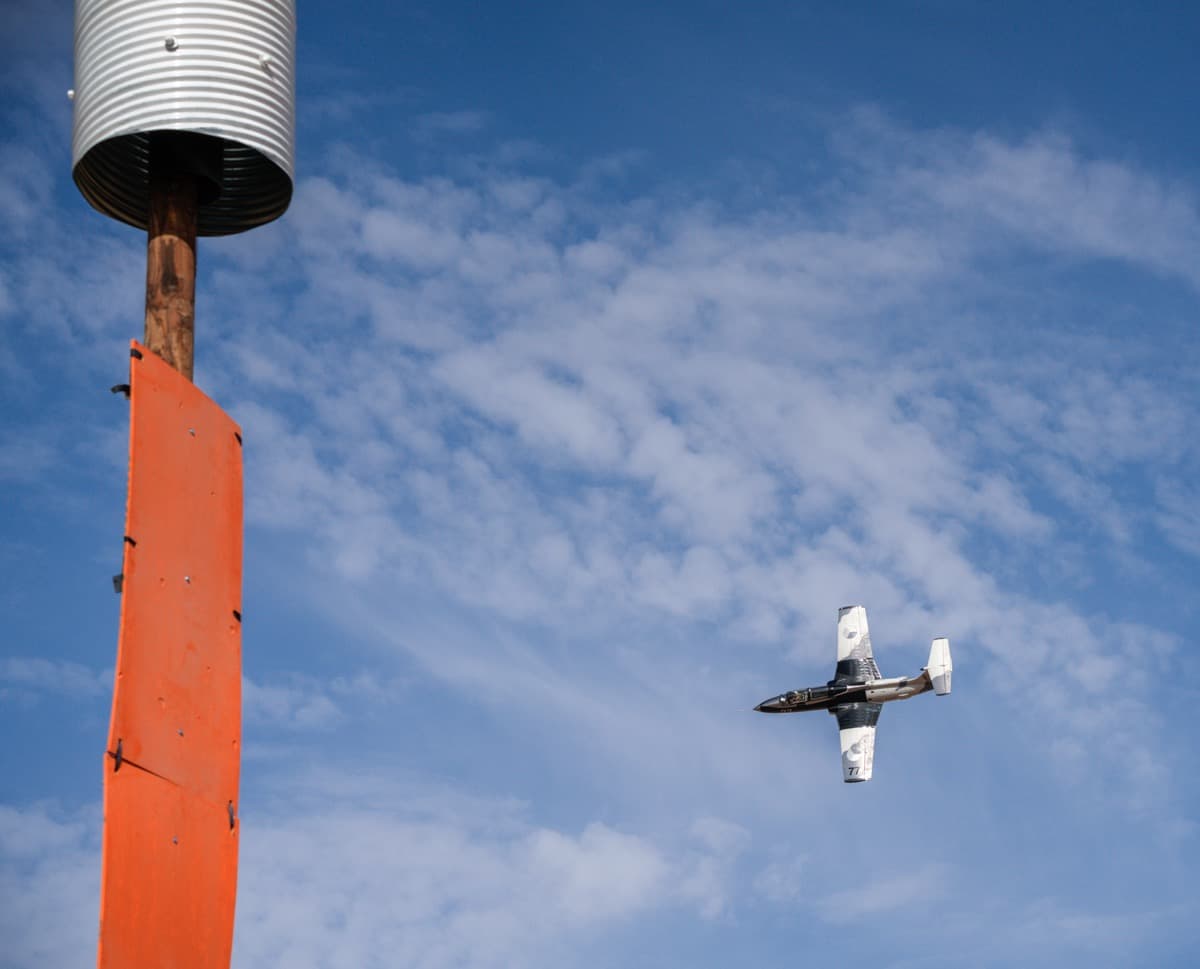
These jets are just part of the reason the National Championship Air Racing is called “the fastest motorsport on Earth.”
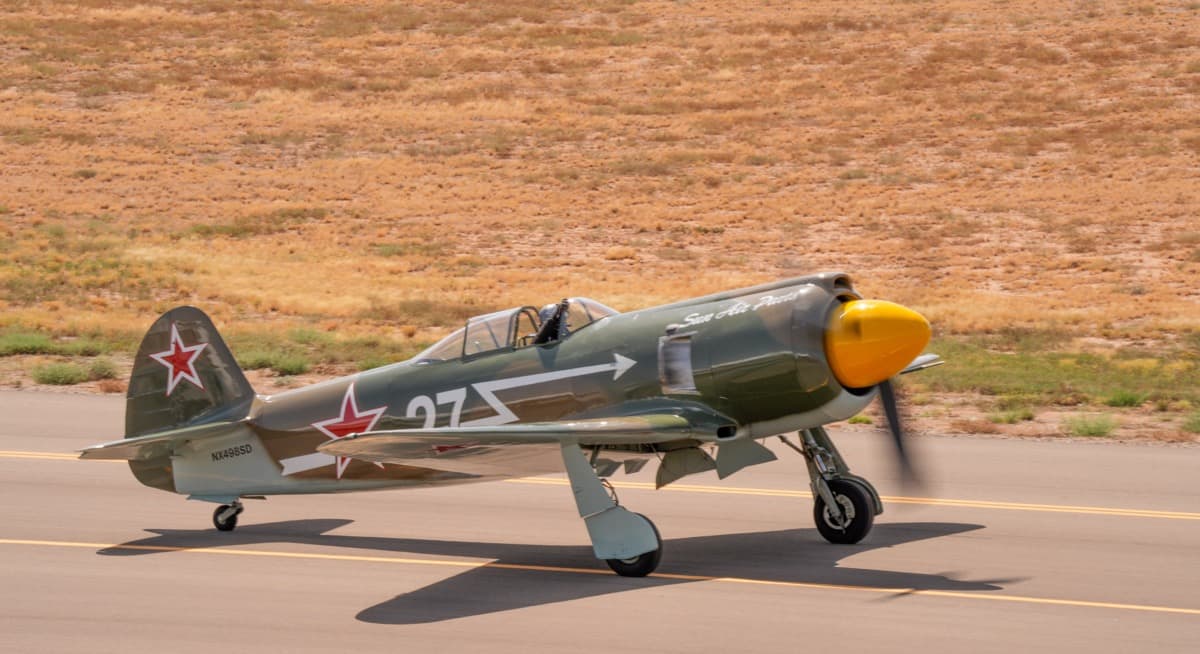
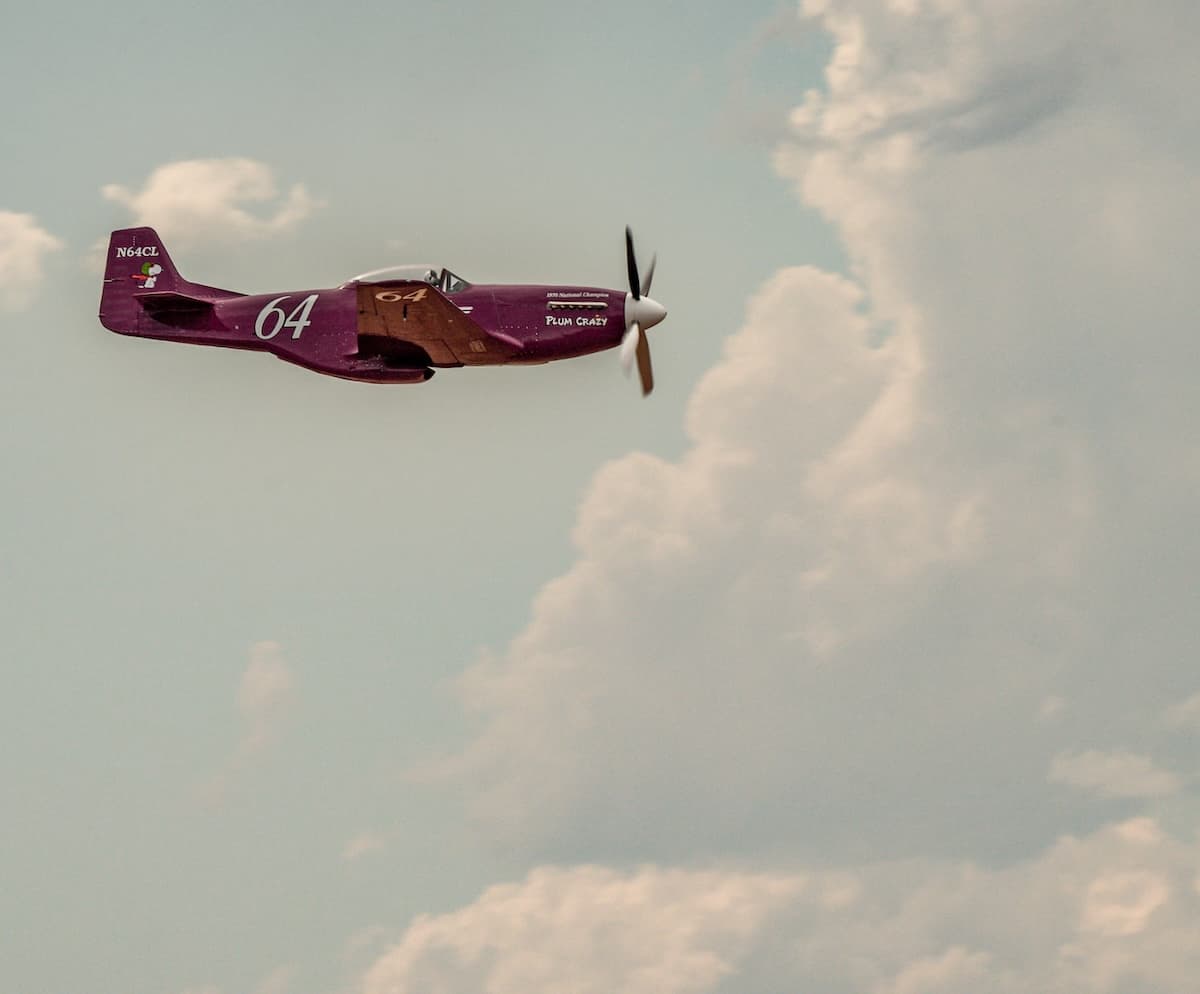
A huge crowd favorite is the Unlimited class, this year made up of 11 P-51 Mustangs, one Hawker Sea Fury TMK 20, and a Yakolev 3UR-2000. These vintage warbirds bring the sound of 12-cylinder and radial motors to an appreciative crowd.
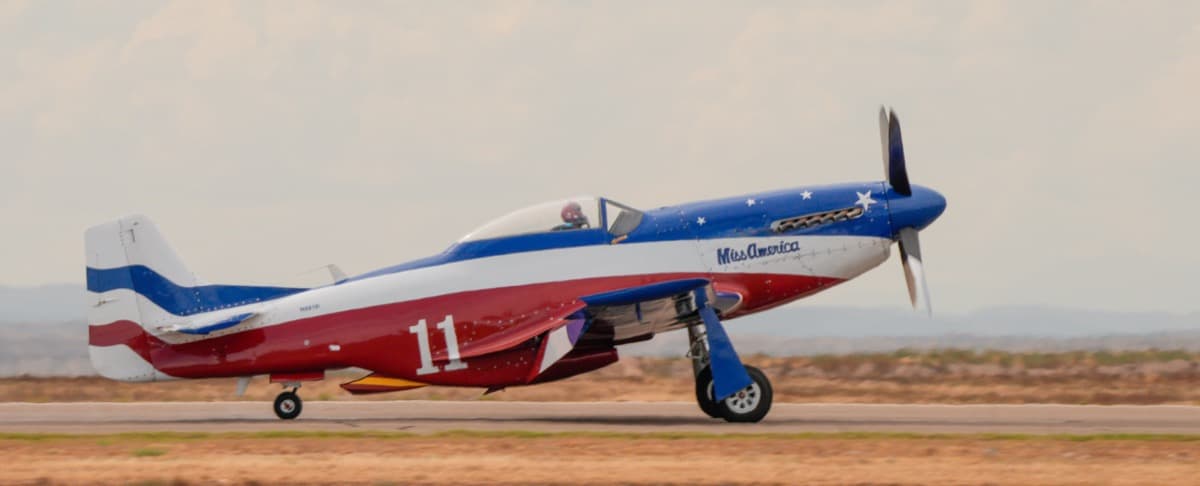
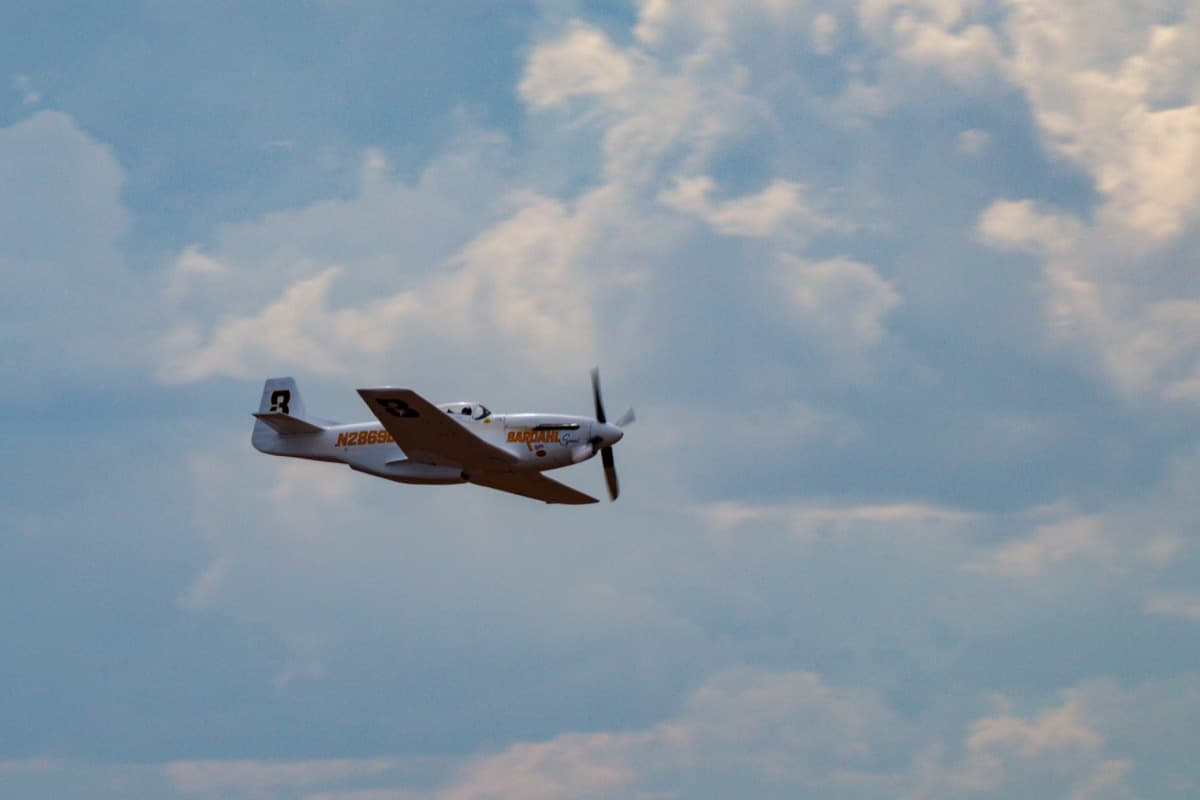
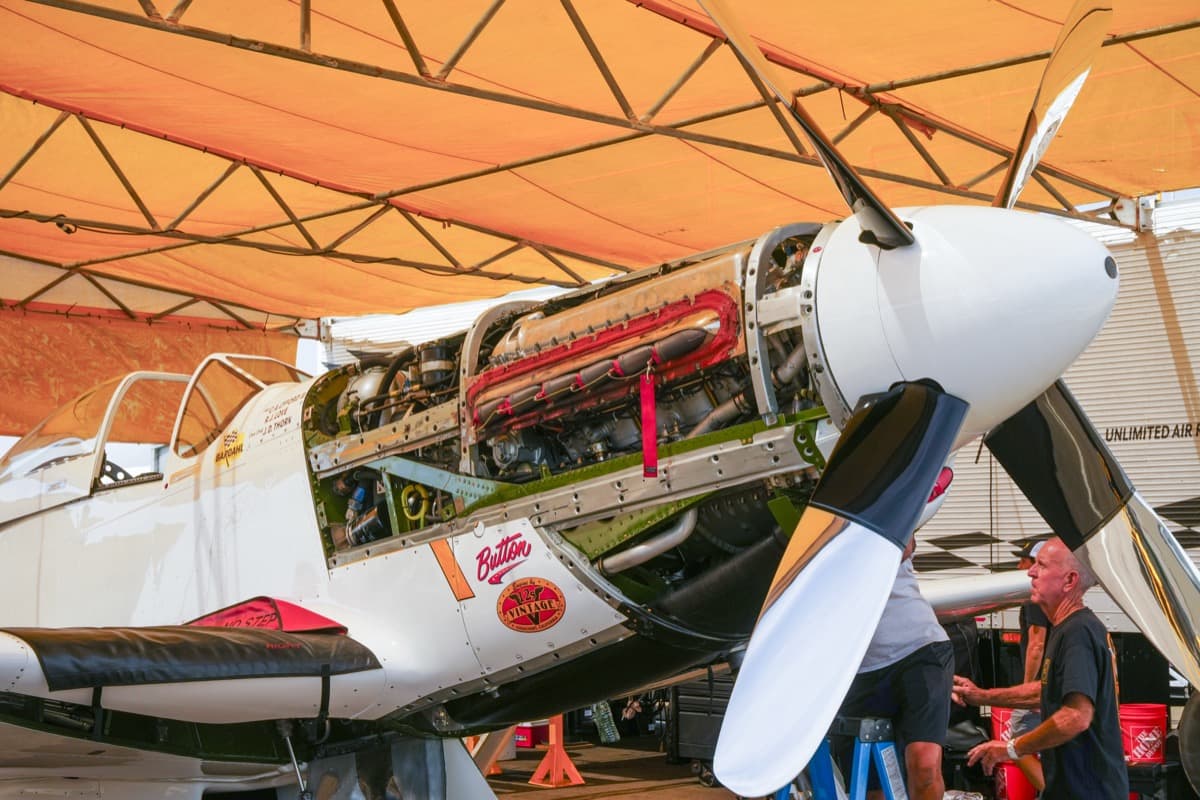
After missing last year’s races, this year’s Gold champion was Steven Hinton Jr. from Chino, California, in the popular “Bardahl Special” P-51D. Hinton won with a time of 432.897, but qualified with an astounding 497.473 mph, an event speed second only to Bob McCormack’s 524.975 mph in the jet L-29C “Athena.” (Both aircraft are substantially modified.)
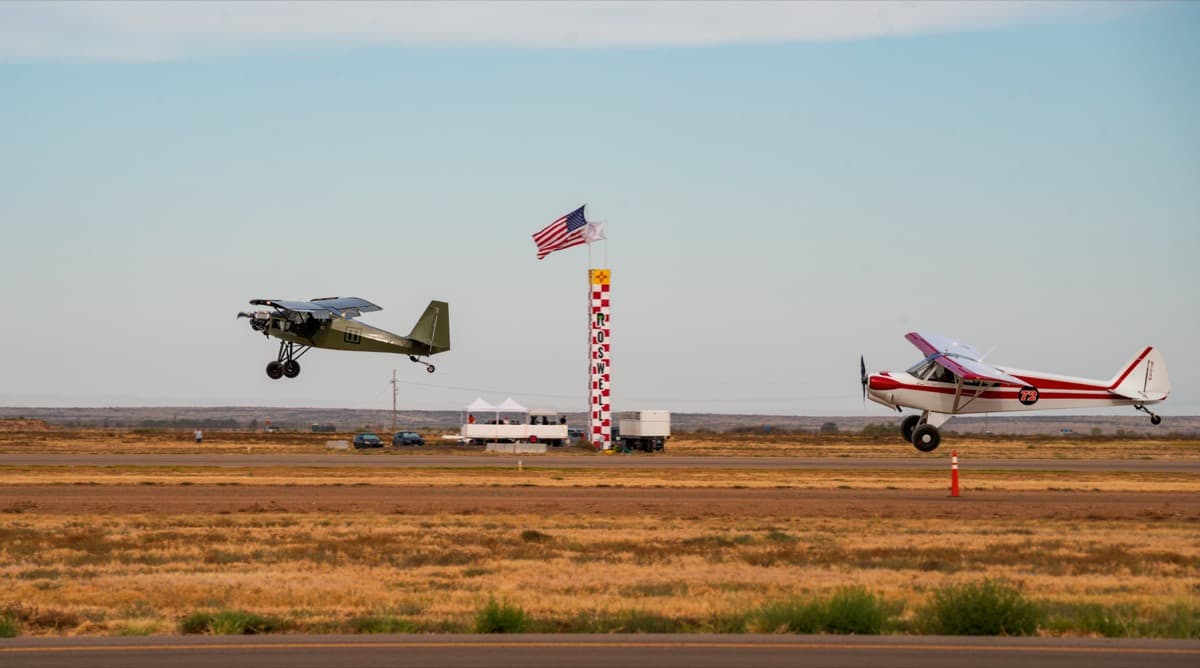
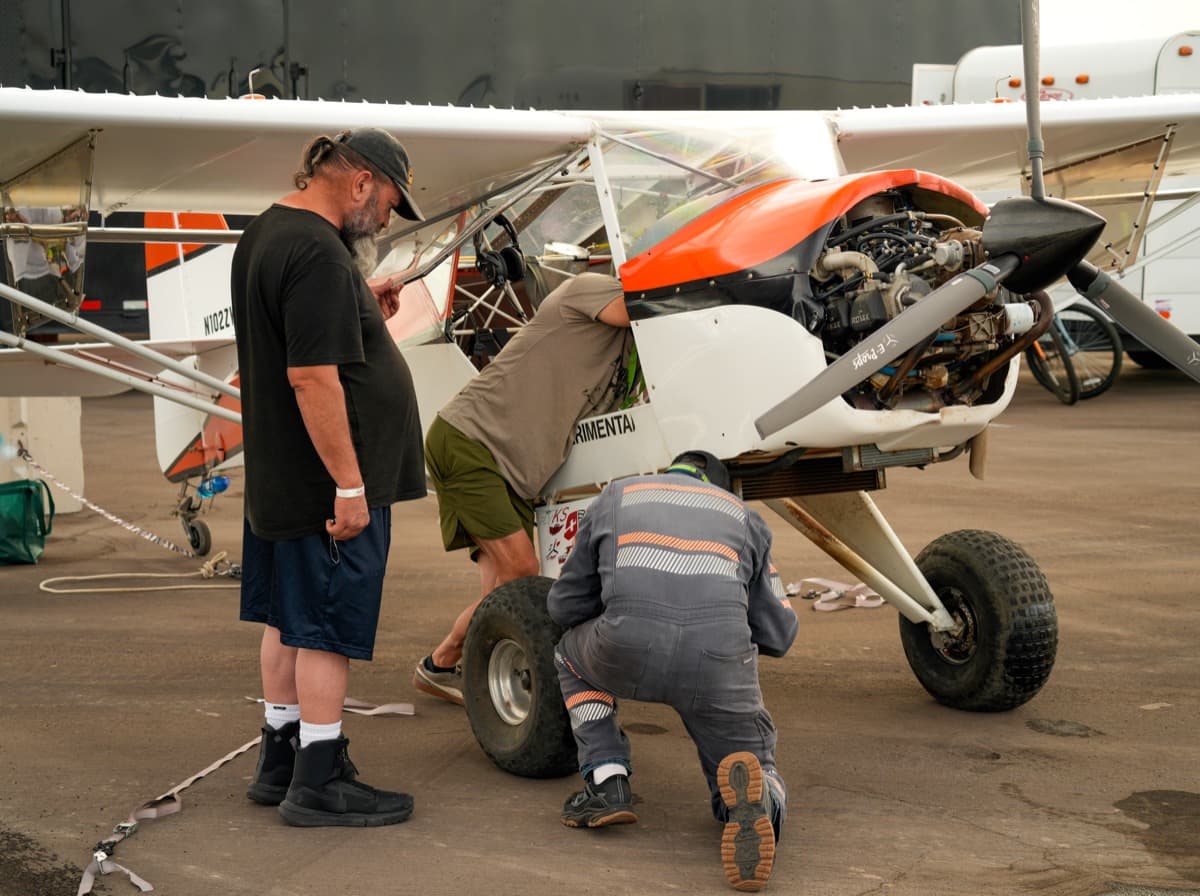
For the STOL Drag racers, racer Rod Hewitt solidified the win in “Angry Kitten,” his Rans S7 that features a modified snowmobile engine.
“The math says I can’t lose,” he explained. “It’s a handful to fly — very squirrely.”
STOL pilots were visibly fatigued after their event.
Complete information on the pilots, their aircraft, and race results is available at Reports.AirRace.org.
For more information: AirRace.org
Leave a Reply