

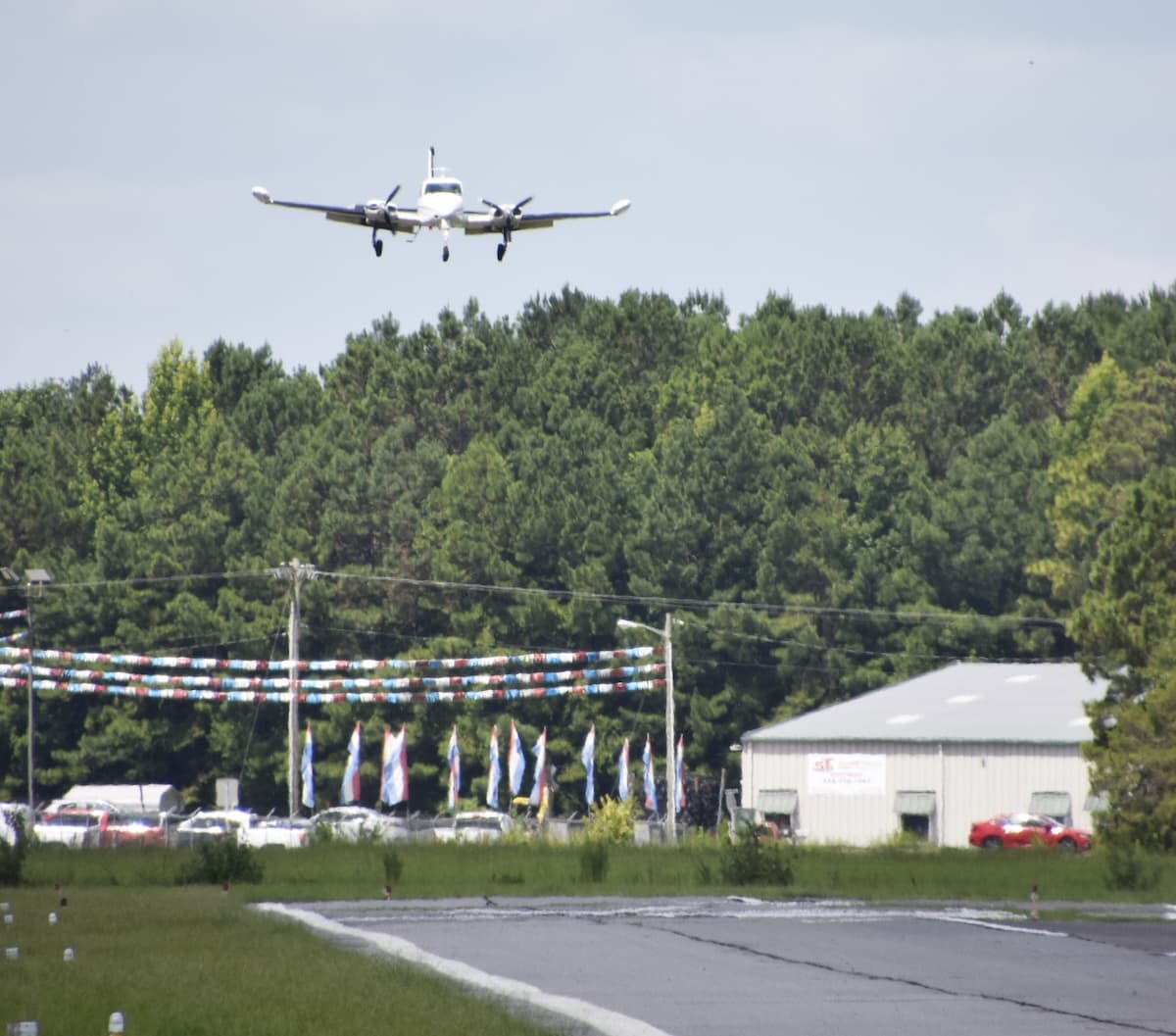
Nearly three months after officials in Horry County, South Carolina, announced the decision to close Twin City Airport (5J9) in Loris, support for the airport from the community, state aviation officials, local pilots, and the airport’s business operators has apparently bought the rural airport a reprieve.
A June 29, 2026, letter from the Horry County Department of Airports announcing the planned closure as a cost-saving measure drew a strong reaction from those opposing the move, including a social media campaign that attracted more than 300 supporters.
Now, more than four months since the announcement, the lines have been distinctly drawn.
On one side are the individuals and organizations who want to save the airport. They are not shy about condemning the closure effort in the absence of public discussion and have suggested compromises and actions they say can save the airport.
On the other side, officials with the Horry County Department of Airports have not indicated any change in its decision to close 5J9. In fact, the Department of Airports is not saying anything. It was asked twice in recent weeks to comment on the latest developments at Loris. No answer was received as of press time.
A General Aviation News story on the proposed closure noted that Loris Twin City Airport is tucked into an agricultural landscape only 20 miles inland from the Atlantic Coast and the tourist-heavy Myrtle Beach Grand Strand area. In many ways, the little airport, with its single 3,694-foot runway, is typical of small-town public airfields across America.
“The airport has managed to survive despite having no restroom facilities, no public shelter for transient pilots, and no fuel,” said Rick Elliott, an influential Horry County realtor who opposes the closure. “It is an orphan. It is also an asset that would benefit growth in the Loris community. Instead of neglecting it, we need to be investing.”

Thirty years earlier, in the late 1990s, Elliot’s father, State Senator Dick Elliott, fought a similar battle to keep the airport open.
“The airport did stay open,” he said, “but they just kicked the can down the road on the support.”
Advocates for revitalizing the airport include the mayors of Loris and neighboring Tabor City, North Carolina, the Loris Chamber of Commerce, area flight instructors, the head of the McLeod hospital complex in Loris, and Horry County Councilman Mark Causey.
“If we figure out how to fund this airport, that’s not the end of it,” Causey said. “We’ve got to give it a fighting chance. Give it a fuel farm. You have to put in bathrooms. If you’re not going to do all that, we’re dead in the water. The location of that airport has so many opportunities. They have a nice facility there. I don’t get it.”
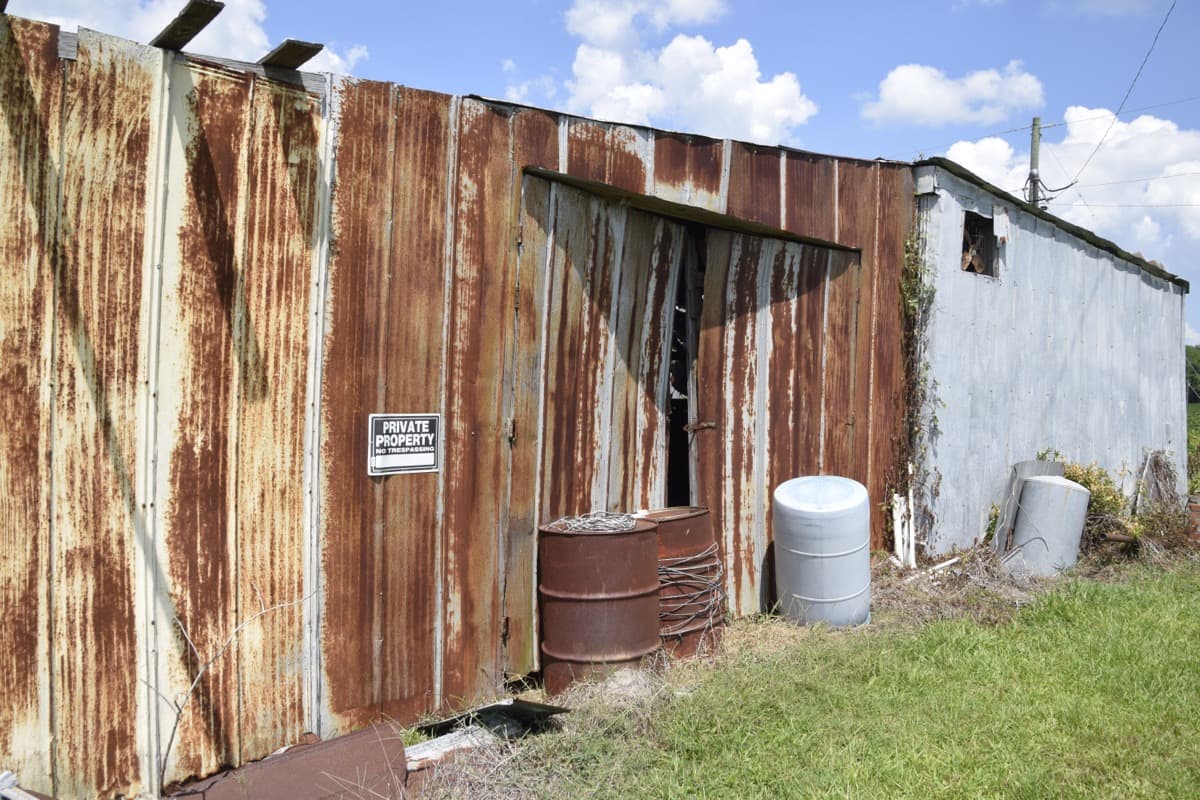
Horry (pronounced oh-ree), the largest county in the state by land mass with an approximately $827 million yearly budget, has been at the national forefront in new home construction and population growth in recent years. But that real estate boom has only recently approached the outskirts of Loris, a town of about 3,000 residents along Highway 9, which leads to Interstate 95, about 30 highway miles distant.
The main complaint by airport advocates is the lack of financial support over the past decades by Horry County Airport officials while the county contributed generously to the other two general aviation airports, including Grand Strand Airport (KCRE) in North Myrtle Beach and Conway-Horry County Airport (KHYW).
The combined state and local funds spent on 5J9 between 1980 and 2026 was $72,754. In the same time frame, KHYW received 15 grants with state funds plus federal and local money totaling approximately $13.4 million. Grand Strand Airport received 19 grants with matching federal and local funds totaling approximately $22 million over the same time period.
At issue is the fact that the hangars, businesses, and landowner parcels at Loris Airport are viewed as through-the-fence individuals or operators despite the fact they are inside the visual airport footprint. That means those aircraft are not counted for the FAA minimum of 10 aircraft for airports eligible for grants and is one reason given by the county for the decision to close the airport.
John Stephenson, who operates Attitude Aviators Flight School at 5J9, took the lead in organizing support for the airport. That included organizing an Aug. 9 meeting of concerned individuals.
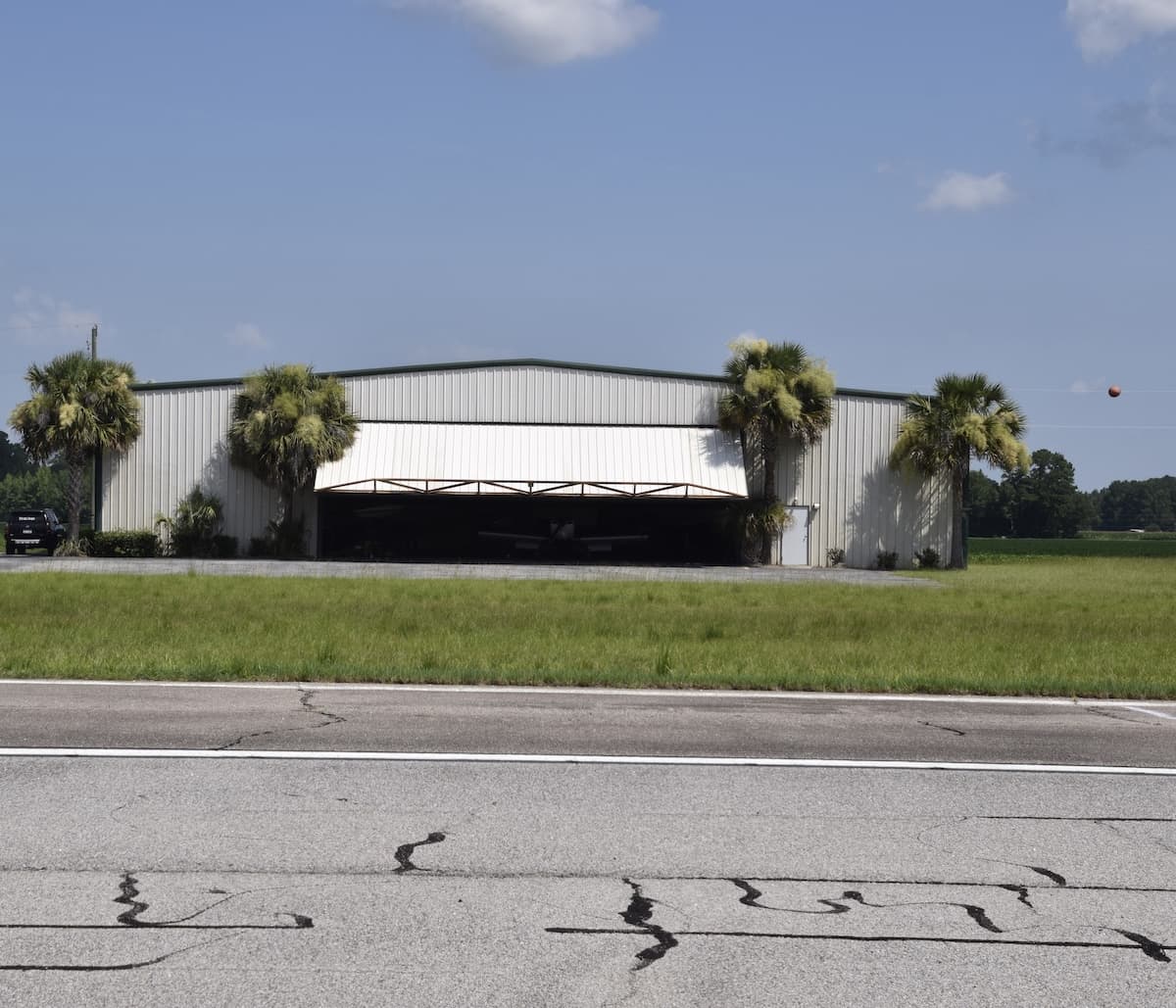
“The constructive discussion at that meeting showed me the owners with hangars and property on the airport footprint are willing to work to find a compromise that works for them and Horry County,” he said.
“If the county is serious it has to add fuel and some type of small fixed base operations building,” added Sam Sarvis, who operates Sarvis Aviation, a maintenance facility on the field. “They only provided six tie-downs here and people are also begging to get into hangars. If we had T hangars, people would come out here. They want to get out of the beach traffic area.”
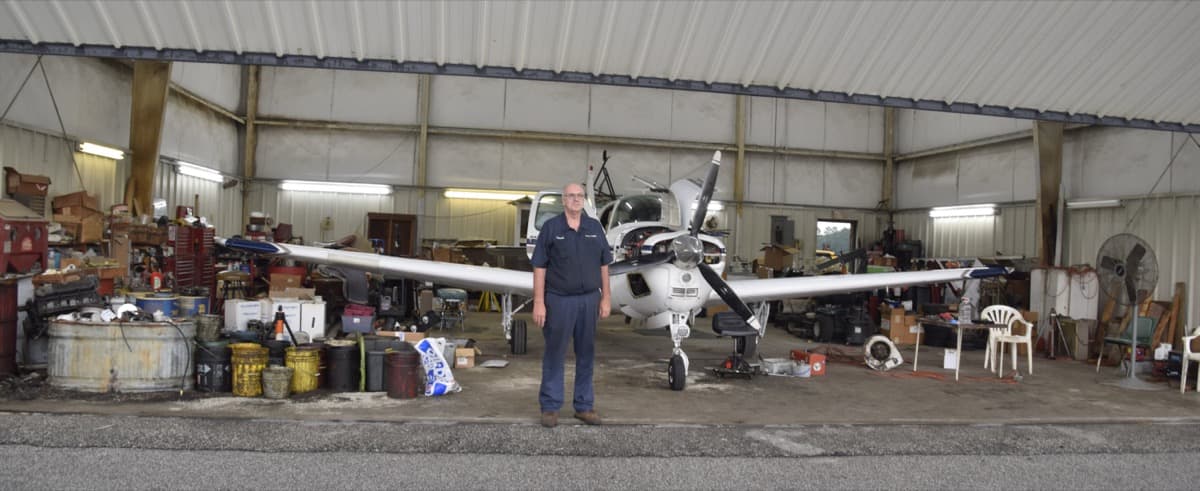
According to South Carolina Aeronautics Commission Executive Director Gary Siegfried, there is “a path forward, but it has to start with a willingness on the part of the hangar owners and Horry County to work together on a solution.”

A key part of that is moving the airport from National Plan of Integrated Airport Systems (NPIAS) Unclassified to NPIAS Basic, which would make 5J9 eligible for FAA funding, he noted.
“To accomplish this, the airport needs to have 10 based aircraft, and unfortunately, the current through-the-fence operators cannot be counted as based aircraft.”
He added that the state has just kicked off a statewide airport system plan and airport economic impact study. This project will take approximately two years to complete, and when finished, it will provide a comprehensive snapshot of the airport system in South Carolina.
“We have asked Horry County to keep the airport open at least until we complete this study,” he said.
“Regarding a future for the airport, South Carolina Aeronautics stands ready to assist Horry County with funding,” Siegfried continued. “In the short term, we can provide assistance with pavement maintenance, with Aeronautics covering 85% of the cost. In the longer term, we can assist with some of the other improvements. Before making significant investments, however, the county and the airport users need to make progress on the based-aircraft issue and the matter of FAA funding. To justify substantial state investment, we would like to see a commitment from the airport sponsor and the hangar owners to work toward a sustainable future for 5J9.”
“With the rapid growth in Horry County, we envision the potential for a vibrant and valuable general aviation airport,” he concluded.
For more information: HorryCountysc.gov/Departments/Airports, AttitudeAviators.com
Leave a Reply