

Take the Big West grandeur of western Colorado at Grand Junction. Add a savvy and down-to-earth executive who likes to talk flying. Mix, then season with engineers and a production team who lean forward and create a light-sport aircraft like no other.
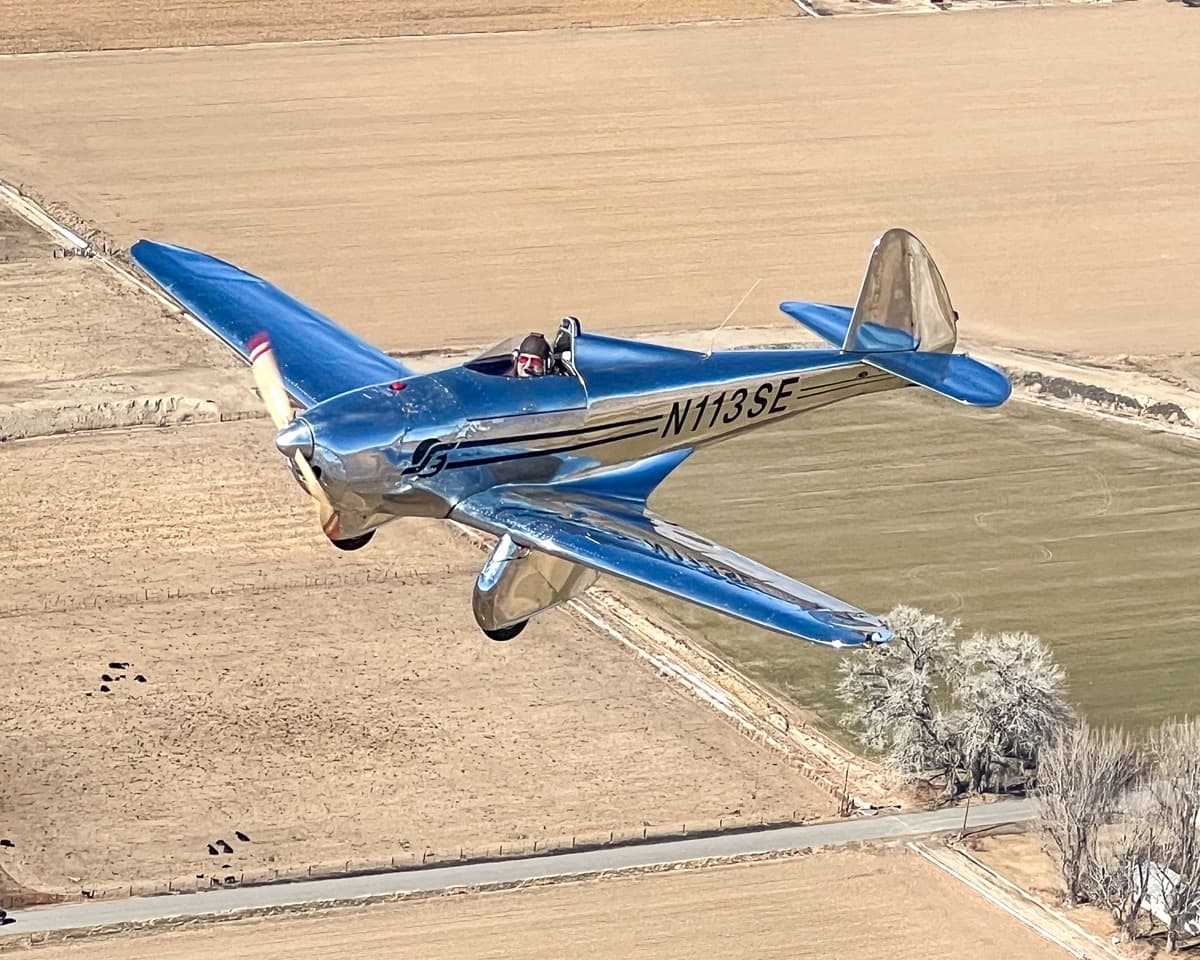
That’s what I get from observing Spirit Engineering and its SE-1, a seductively beautiful aluminum single-seater that looks like the 1930s and is built like today.
As I pulled my lovingly aged pick-up truck into the Spirit Engineering parking lot, I was reminded of something the company has observed: For the cost of replacing my old truck with a new one, I could buy an SE-1.
The SE-1 is the brainchild of Steve Wood, an accomplished pilot and designer who freely credits his small team with making the airplane a reality. The SE-1 is a taildragger that embraces an art-deco sensibility, right up to the place where the iPad mounts squarely in the panel to bring this machine into the 21st century. And that encapsulates the whole SE-1 experience — a quirky mix of tradition and new stuff.
That quirkiness extends to the home of Spirit Engineering, located in Grand Junction instead of any predictable, established metropolis of aircraft manufacturers.
Steve exudes a quiet confidence in what he’s doing. It’s not the brash bravado of a promoter, but the studied observations of an experienced pilot and engineer with an aptitude for teaching conversationally.
Steve’s unwavering belief in the correctness of the Spirit SE-1 comes across when he describes the simple joy of flying it as the ultimate celebration of flight. And then, just when you think he might be an LSA disciple only, you see the rowdy, raucous, and yet refined big ol’ Twin Beech, dripping oil from its radials like it should, that he keeps in a hangar at the Grand Junction airport. Don’t pigeonhole Steve.
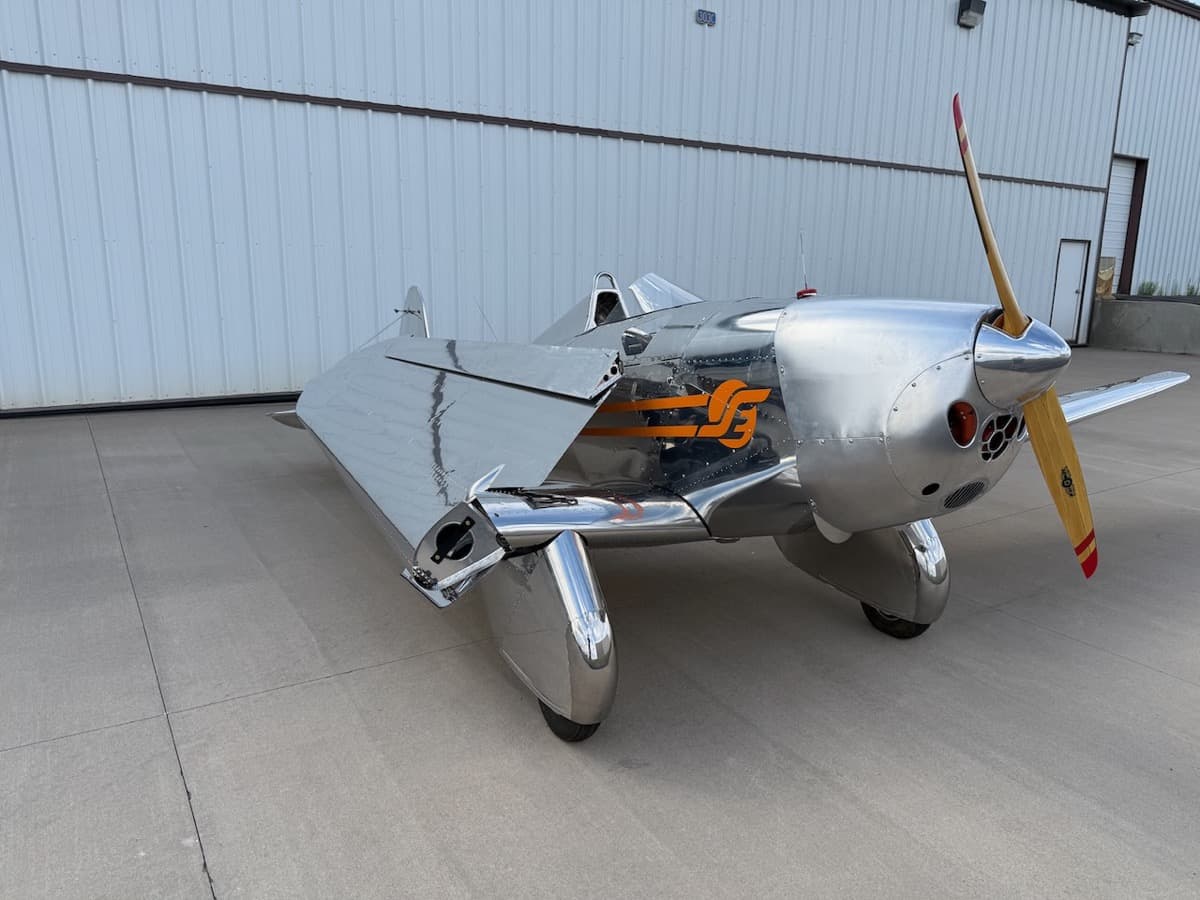
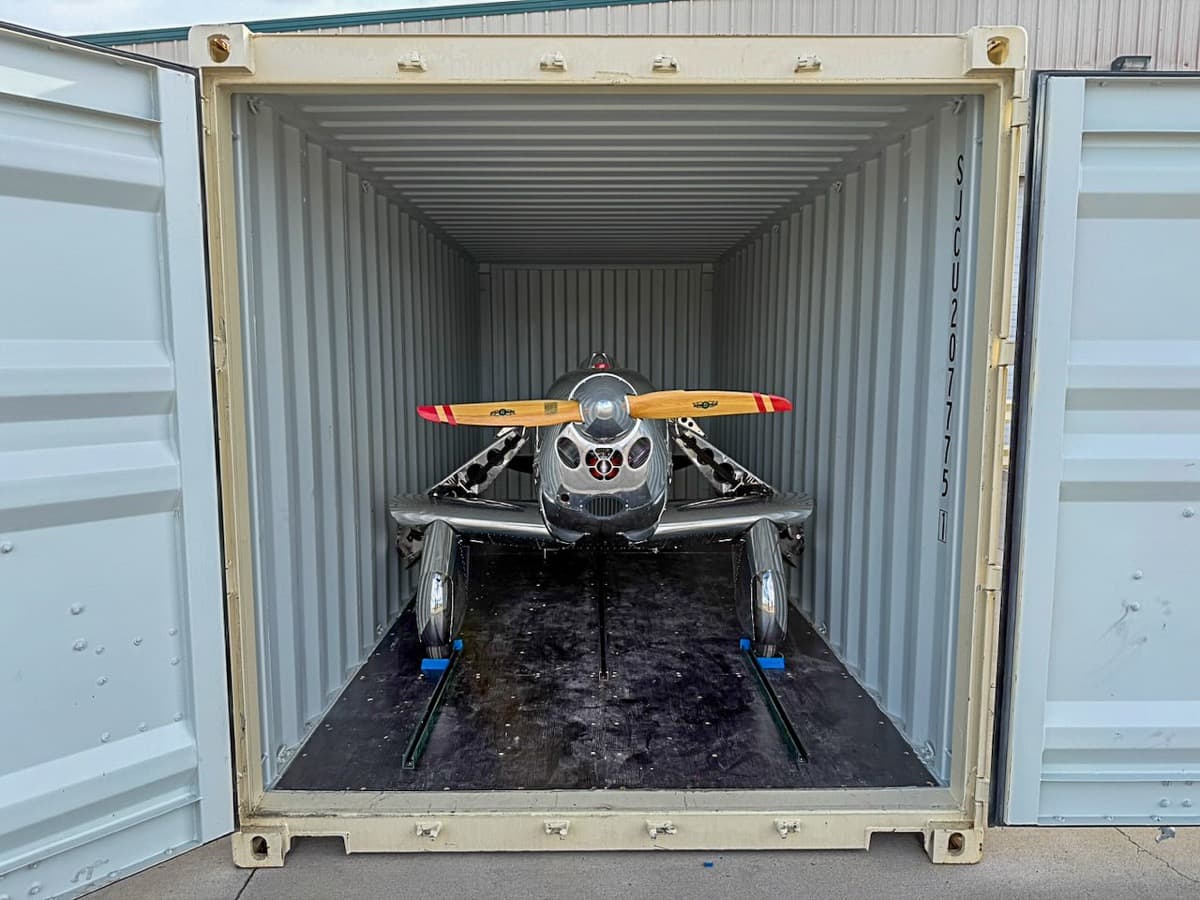
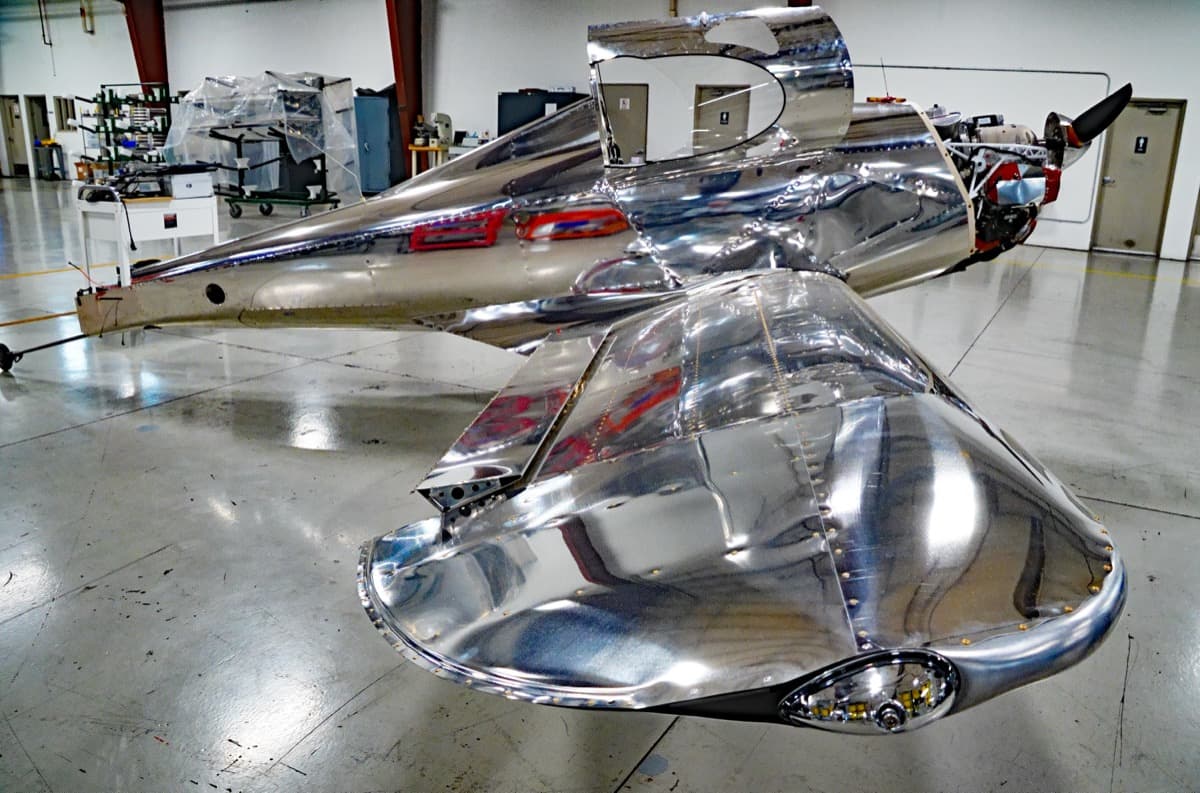
With a simple folding mechanism that places the airplane’s wings beside the fuselage in minutes, the SE-1 can be easily trailered to and from the airport, putting the whole question of parking and protecting the machine in your garage, and not somebody else’s hangar.
This portability means the Spirit Engineering plant can occupy a large light industrial building several miles from the Grand Junction airport. A couple of small hangars on the airport receive the trailered SE-1s for their final checkout before delivery.
Steve greeted me at the plant, ready to chat and show me how his team builds airplanes. That team, he explains, includes nine or 10 degreed engineers — “a couple of Aero and the rest Mechanicals.”
Steve says part of his intended formula for success is to employ generalists.
“I believe the world is overrun by specialists,” he says.
Working at Spirit Engineering, “you get to touch a lot of different disciplines,” he adds.
The plant has a mid-century-looking planning room — the “War Room” — where some of the magic happens around a U-shaped table flanked by whiteboards for informed scribbling.
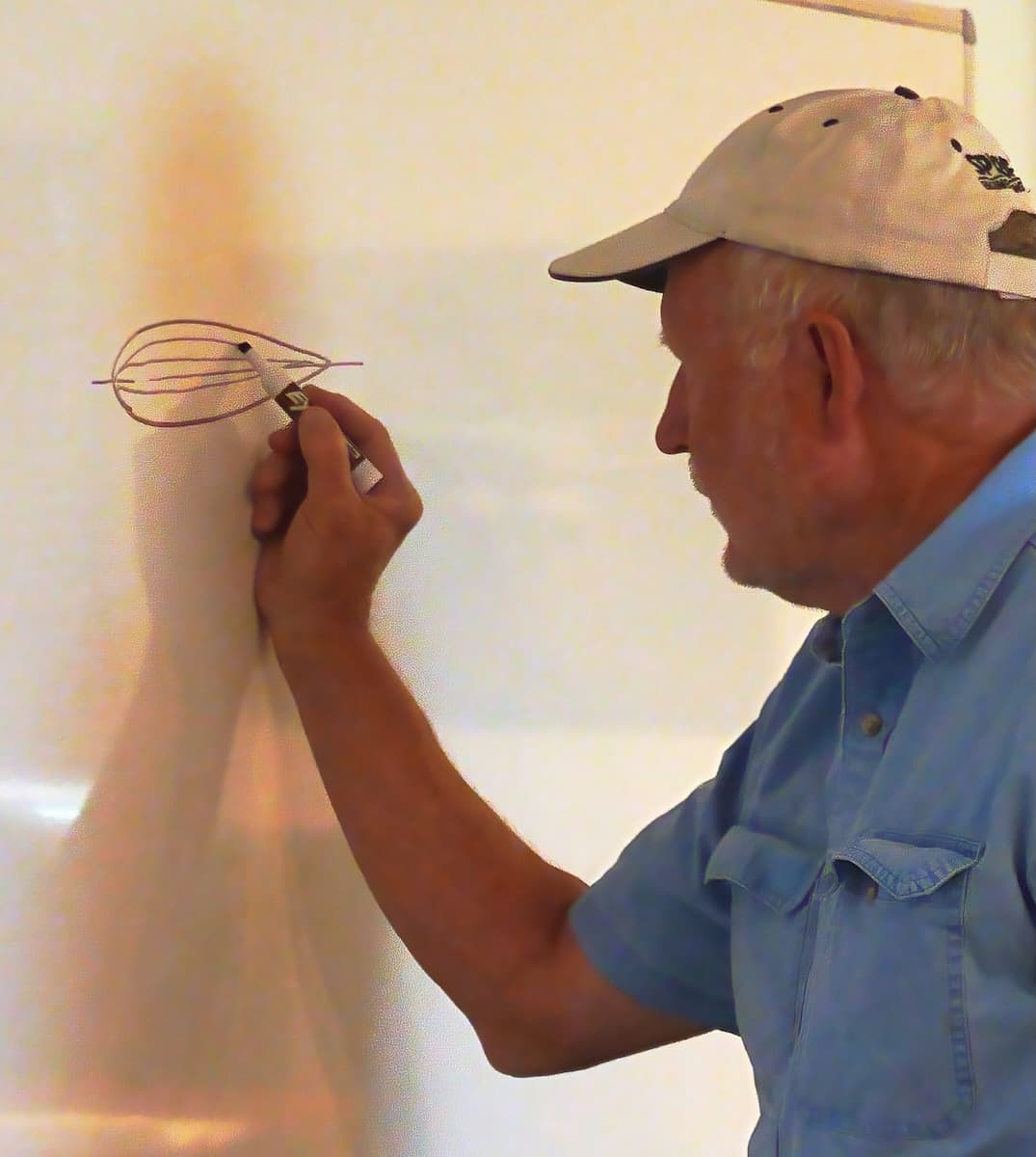
That’s where Steve and the team figured out what to leave in and what to take out.
“Did we trade the right things for the right things?” they asked themselves along the way.
That wing-fold, looking like a baby version of a wartime Grumman fighter, turned out to be a big winner. Steve says a pilot can fold or unfold the wings within two minutes.
The advantages of folding wings reach beyond compact trailering and garage parking to things like a smaller and more wind-resistant footprint when tied down at an airport while stopping for that fabled hamburger lunch.
Don’t mistake the laid-back demeanor of Steve and his team, or the retro beauty of the SE-1, as any new-age arts-and-crafts. Steve preaches the need to optimize span loading, defined as the weight of the aircraft divided by the span of the wing. He and his team started with numbers, like desired performance, size, and weight, and not sketches of pretty dream airplanes. The mechanical demands drove the design, he says. The SE-1 airframe and its specialized two-cylinder engine were 3-D modeled.
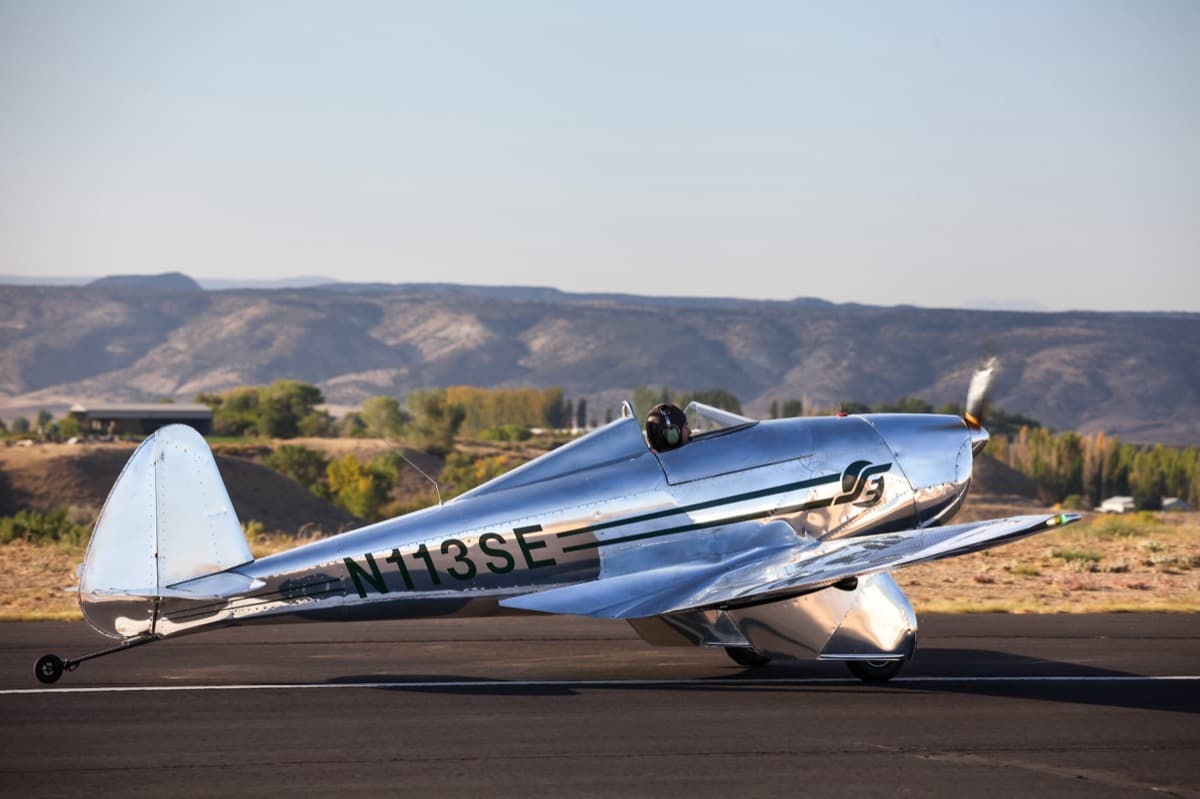
There’s an efficiency of manufacturing the SE-1 that is hard to comprehend when looking at the sleek and seemingly curvy little airplane. Only seven parts, representing just five different part numbers with two of them repeated, have compound curves requiring any type of complex bending, stretching, and forming. That includes the leading edges of the wheel pants and parts of the wingtips, Steve says. Everything else is flat or simple bends, and that makes manufacturing simpler.
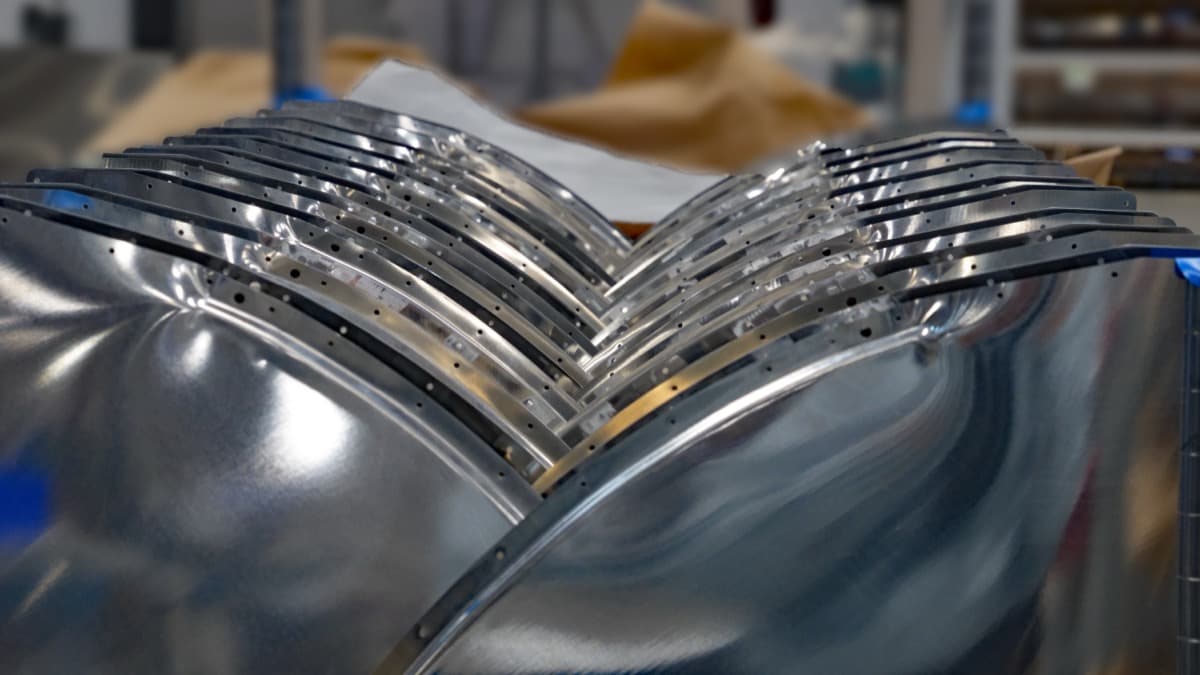
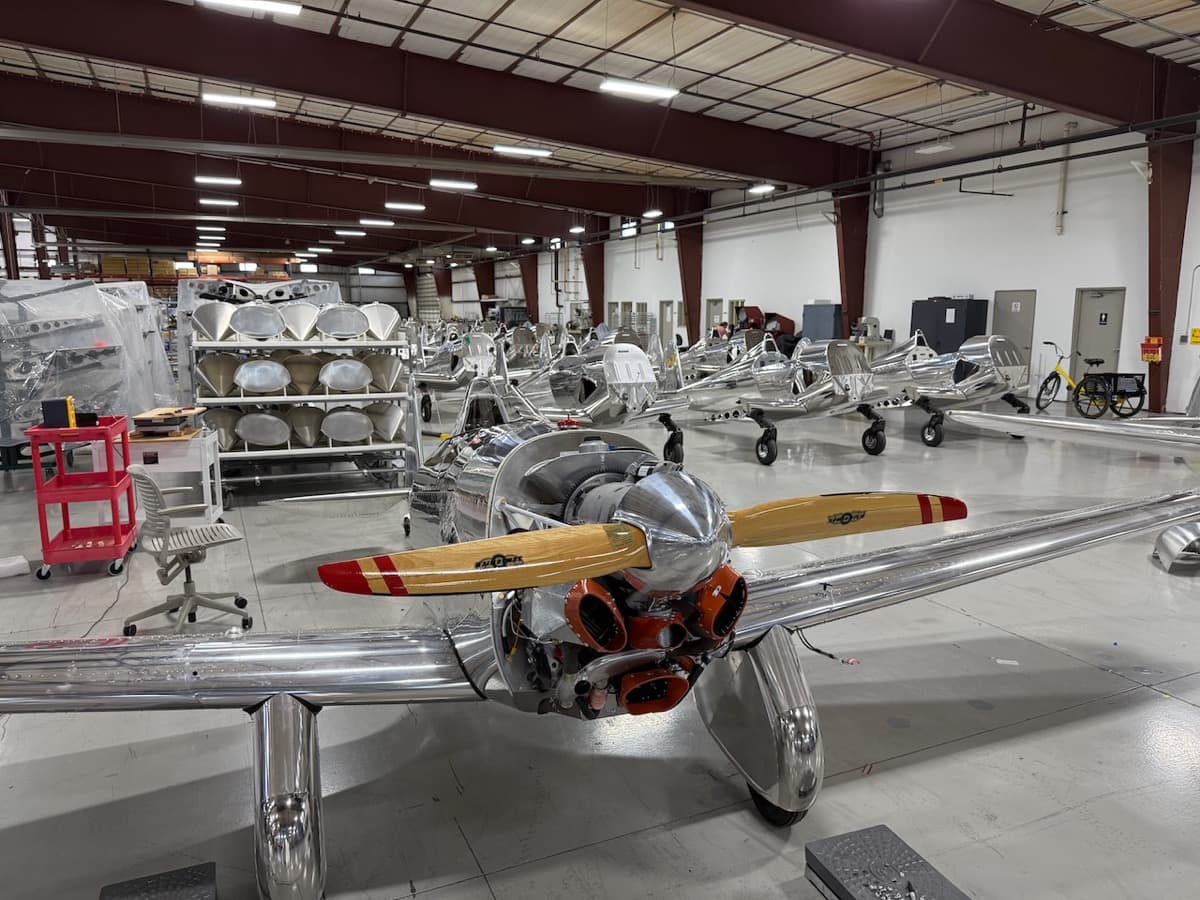
The day I visited Steve at the plant, work in progress was evident with parts racked for installation, pallets of vendor components awaiting placement into Spirit’s inventory, and sub-sections nearing completion.
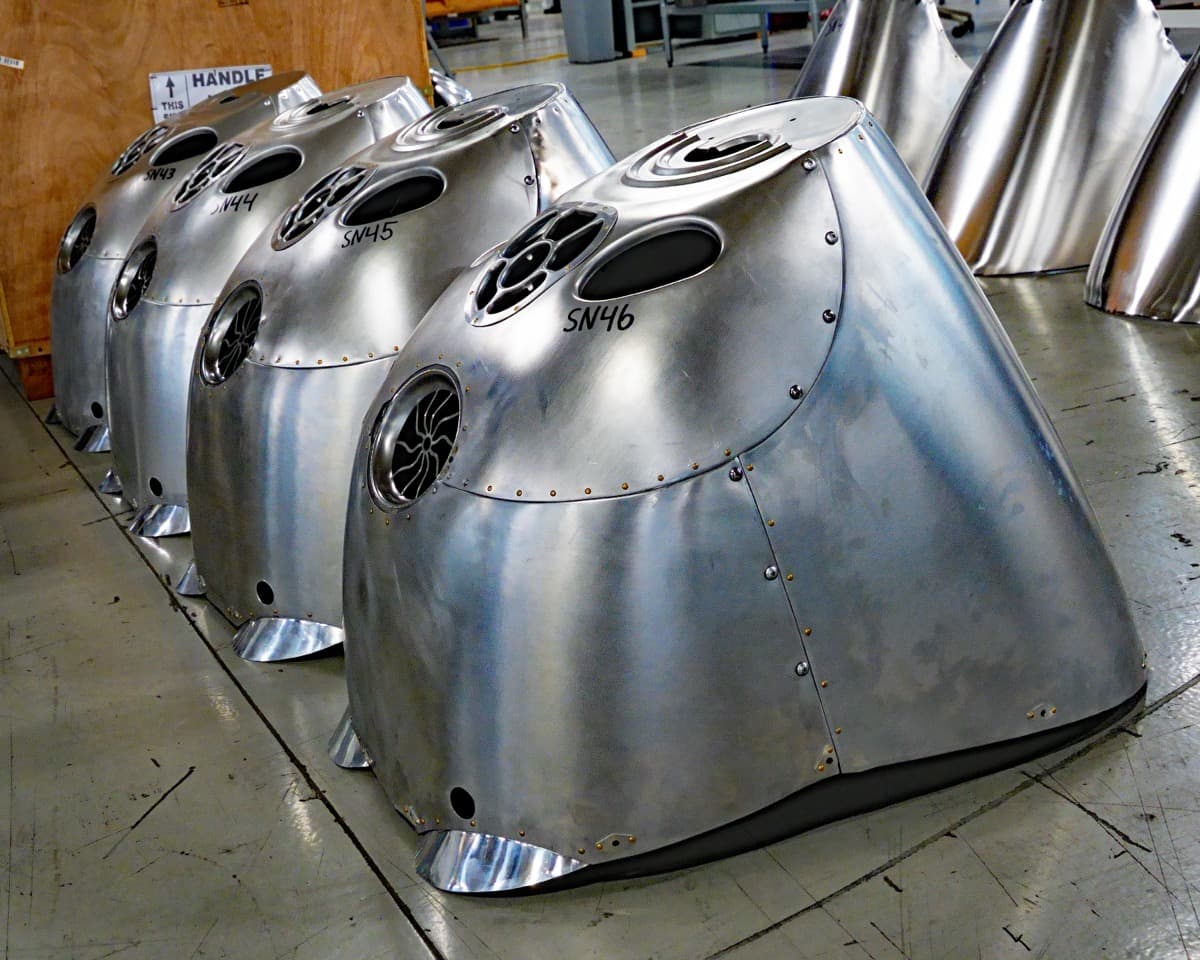
It had the feel of a custom shop where bespoke hand-made airplanes would be created, while actually resonating with a planned sense of repeatability and mass production uniformity that helps ensure consistent quality.
The SE-1’s tapered wing may be aesthetically pleasing, but Steve says it is classic form-follows-function design for drag reduction and structural efficiency. Steve’s bona fides include five years as an engineer at Cessna beginning in mid-1978.
And then there’s the Spirit-designed inverted V-2 engine for the SE-1. Back in the day, Curtiss made motors for its airframes. Spirit has that same kind of stewardship for the powerplant mounted to the SE-1 airframe, after some initial tests with somebody else’s motor.
Looking at the Spirit Engineering 42-hp Model V2 engine, one might think of a motorcycle engine. But the Spirit team, understanding that an airplane needs steady-state RPM endurance over low-end torque when starting up, fine-tuned the best in V-2 technology to create an engine intended for cruise flight, not gravel-spewing motorcycle getaways from some roadhouse parking lot.
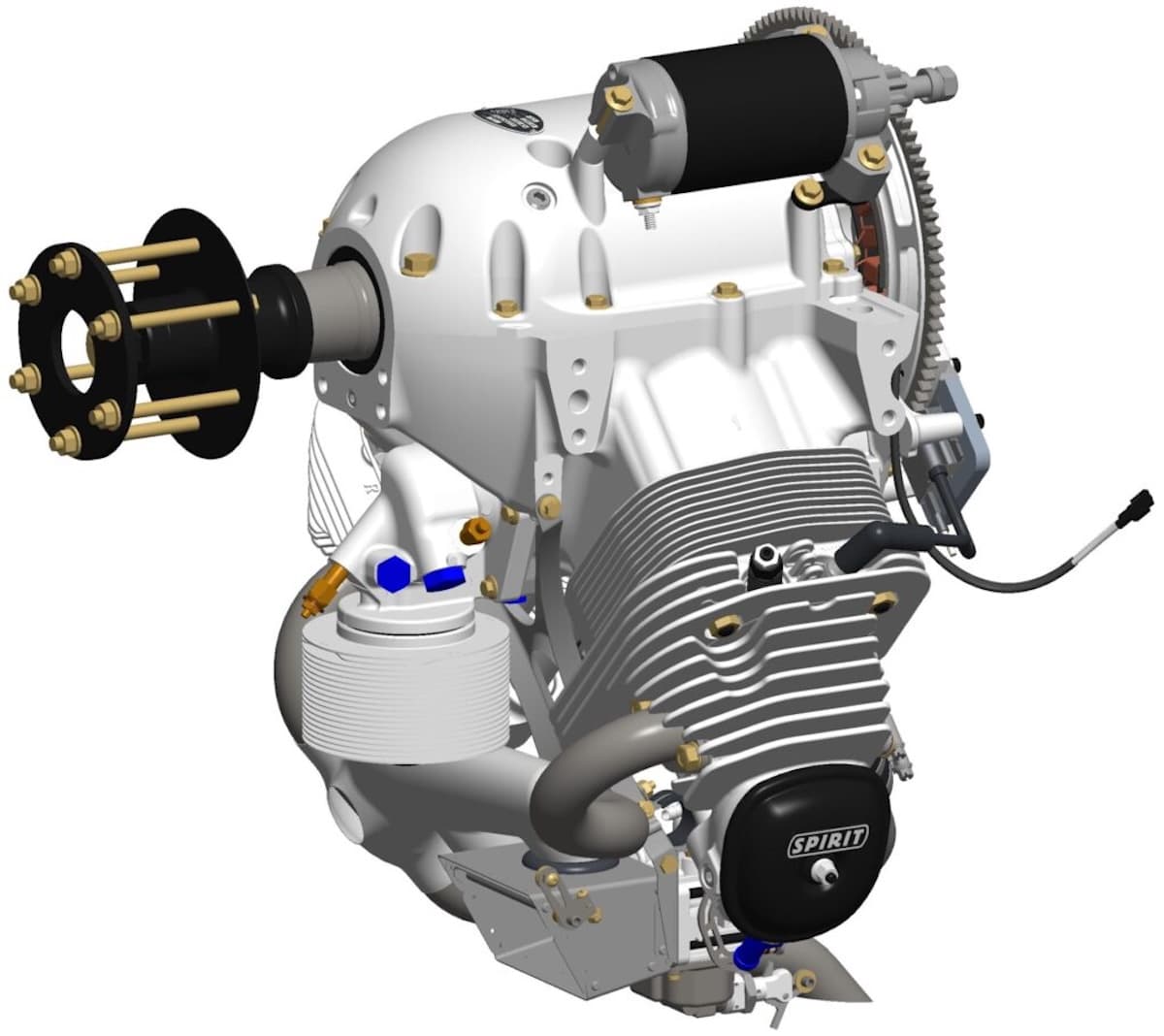
Steve says the SE-1’s engine can burn 100LL, and “it loves 91” AKI (Anti-Knock Index) unleaded mogas. The engine was designed, prototyped, and developed by Spirit Engineering. Parts of the V2 engine are created in-house. But other components, common to short-block General Motors automobile engines, are bought from vendors.
According to Steve, “the engine is much more of a procurement task” than the airframe because the manufacture of many engine components requires highly specialized processes. A marine engine starter is one of the off-the-shelf components.
Thousands of test runs in Spirit’s in-house engine test cell, including hundreds of hours of torture at maximum RPMs, and higher than real-world cruise settings, confirm Steve’s confidence in the diminutive V2 powerplant.
“It just goes out there and runs,” he says.
The SE-1 is easily rolled around on its main gear by one person holding the tailwheel aloft. Empty weight of the aircraft is 440 pounds, with a useful load of 300 pounds. That purpose-built 2-cylinder engine gives the SE-1 a cruising speed of 100 mph, with a stall speed of 45 mph. The SE-1 has a service ceiling of 17,500 feet.
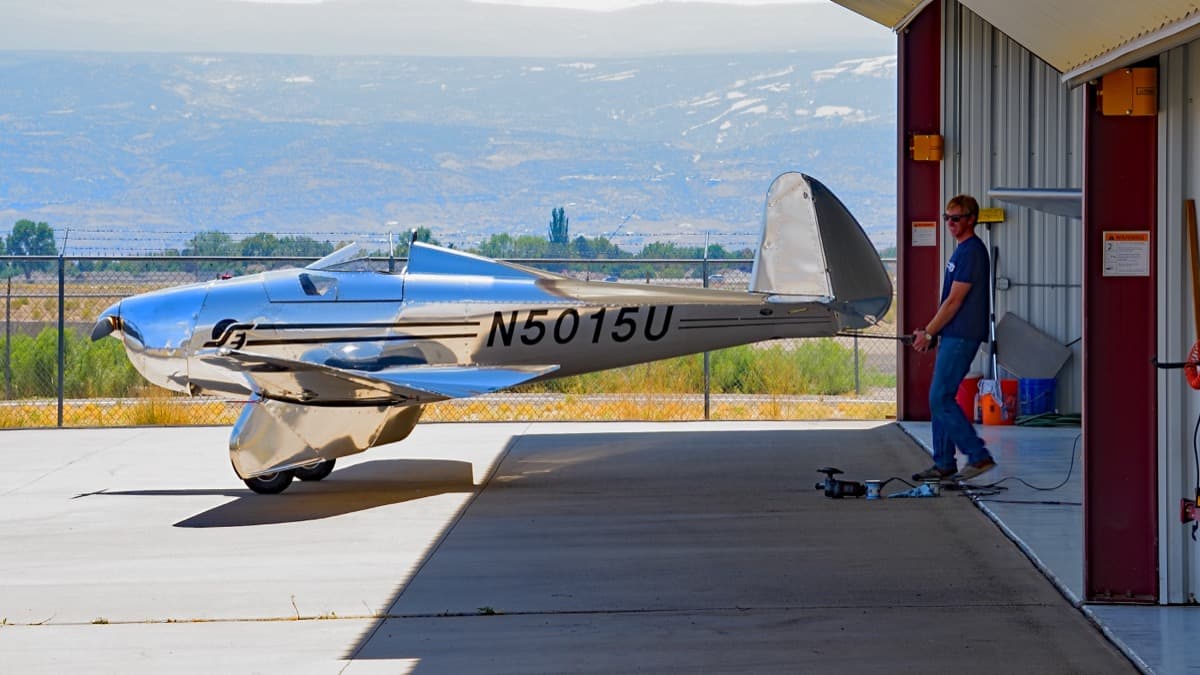
Steve is proud of the SE-1’s gas tank that holds eight gallons, and can deliver it all, without any unusable fuel that can’t reach the engine. With cruise consumption running between 1.8 and 2.2 gallons per hour, a flying leg of three, maybe four, hours duration is reasonable to expect.
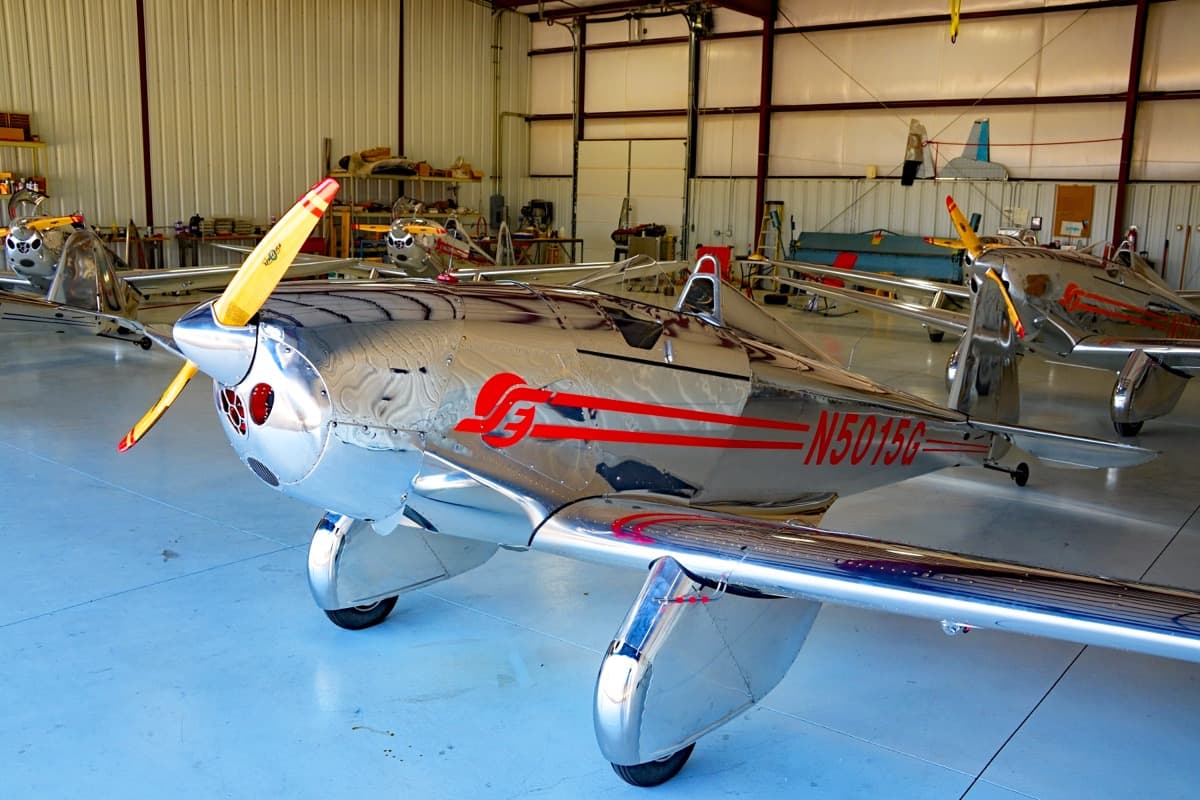
As this is written, Spirit Engineering has delivered between 40 and 50 SE-1s to customers and continues to trailer them out the door at a rate of four to five airplanes each month. And the company is ramping up that delivery rate. Depending on options, prices can range from about $69,500 to around $77,000.
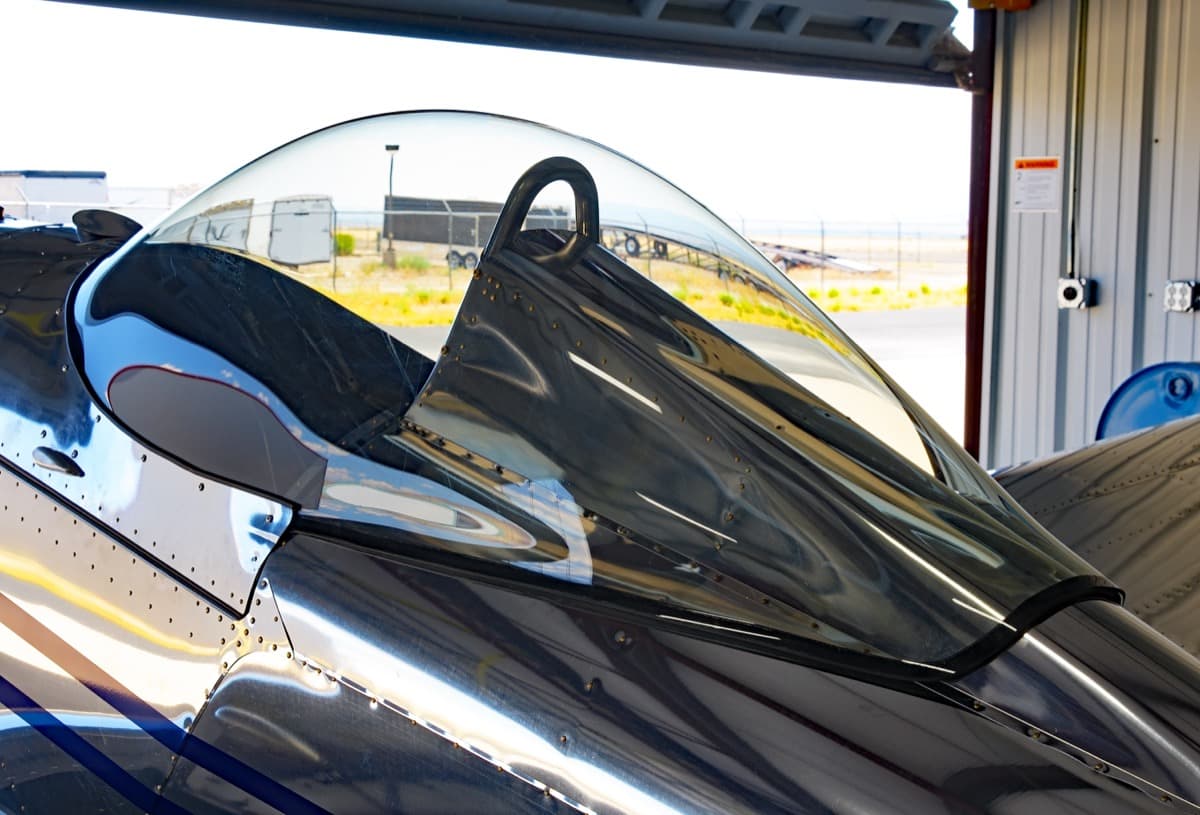
On its website, Spirit Engineering says its team launched more than a decade ago with “the sole purpose of designing and producing the best looking, highest quality, and most affordable light-sport aircraft in the world.”
That’s the spirit.
For more information: SpiritEng.com

Leave a Reply