
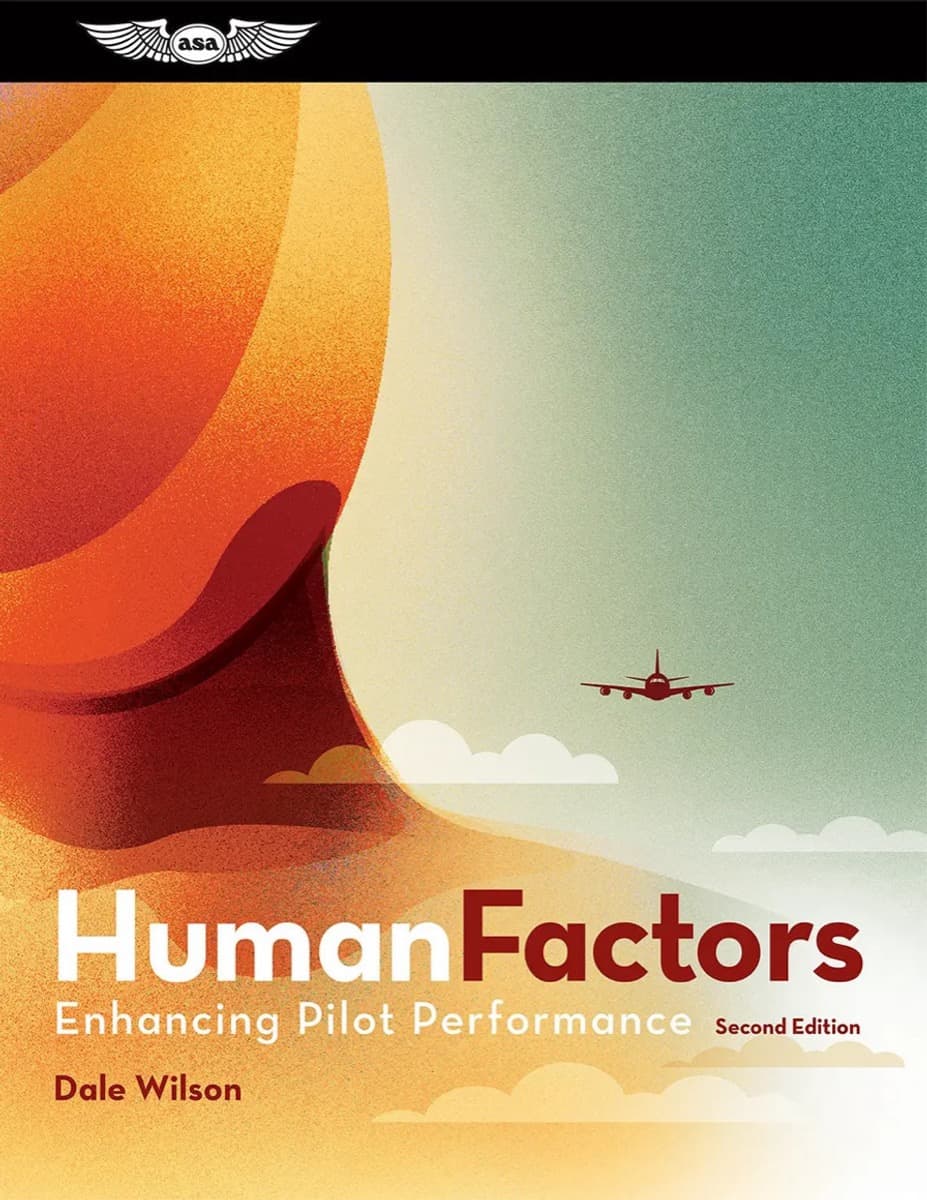
Drawing upon the latest scientific research, aviation safety studies, and accident findings, author Dale Wilson explores the nature of human limitations and how they affect flight.
Flight Training
New partnership creates leasing program for flight schools

The new fleet acquisition and management program has been created to enable colleges and independent flight schools to update their training fleets with new Diamond Aircraft and simulators at fixed monthly costs comparable to buying pre-owned aircraft, company officials explained.
Confronting Loss of Control In-Flight: A practical path forward for general aviation

GA pilots should stop treating Loss of Control In-Flight (LOC-I) as an unavoidable statistic, say officials with the Upset Prevention and Recovery Training Association International. To help achieve that, the association is holding a free safety summit to lay out its plan to save lives by eliminating the LOC-I threat.
What separates a calm cockpit from catastrophe?
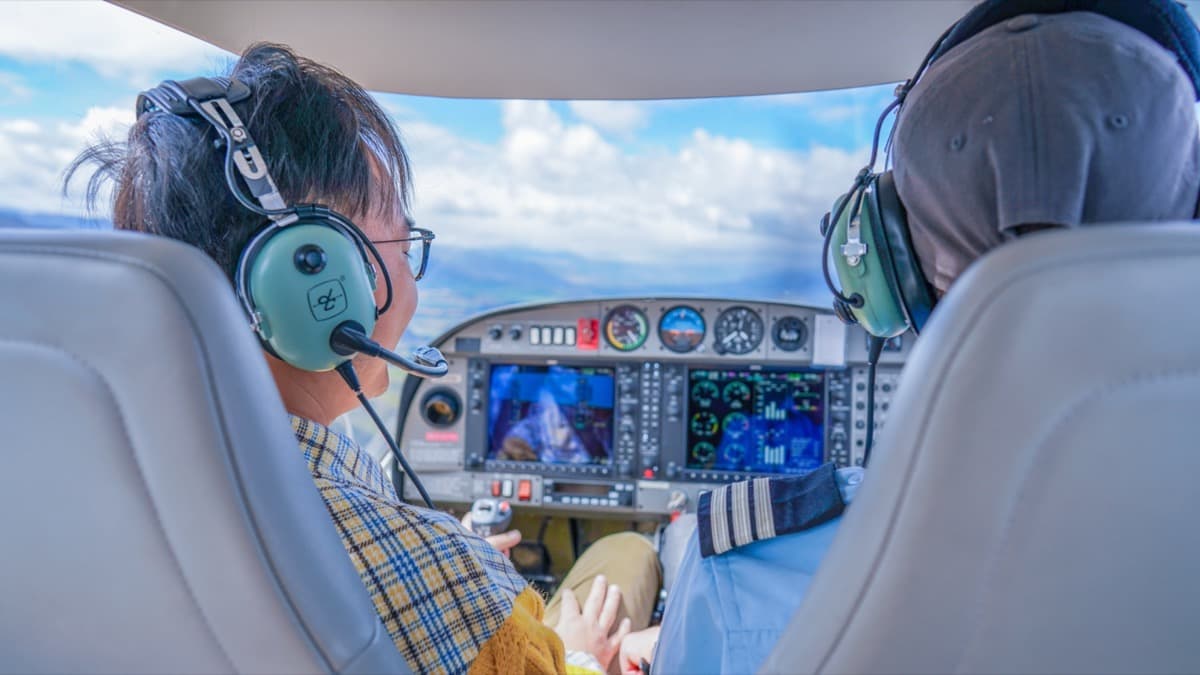
A recent study out of Griffith University in Australia is shedding new light on why some pilots handle in-flight emergencies better than others.
DPE test rates jumped in 2025

Designated Pilot Examiners conducted more than 153,000 practical tests in fiscal year 2025, up significantly from just over 129,000 in 2024.
Safety summit aims to eliminate threat of Loss of Control In-Flight

The free virtual event will feature experts from across the aviation industry to share best practices, new strategies, and the association’s plan to save lives by eliminating the Loss of Control In-Flight (LOC-I) threat.
Picture of the Day: Grandson and my Discovery flight
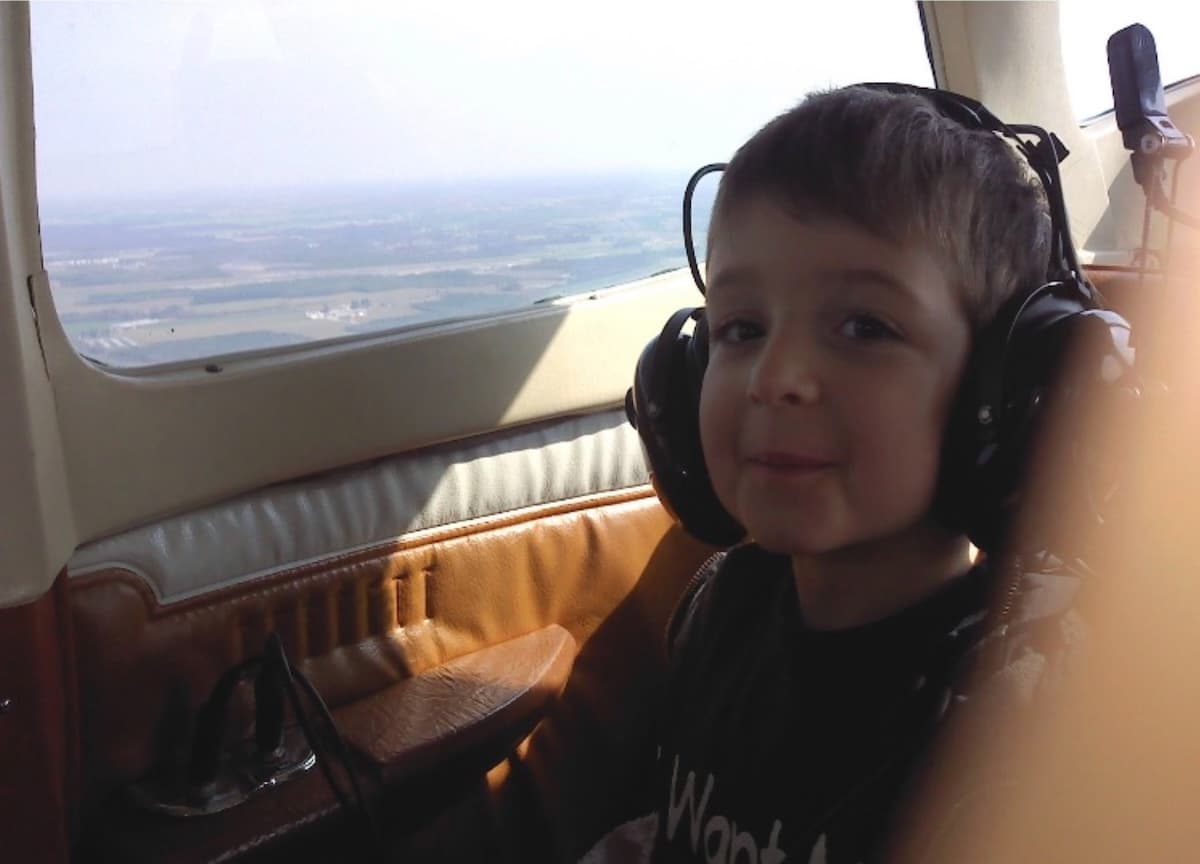
Jim Mauro submitted this photo and note: “My grandson Maddox, 6, and I took a Discovery flight in 2012 in a Cessna 172 out of Goldsboro, N.C. Two years later I started my private pilot flight training in Kinston, N.C., at age 71, and completed that same year. Fulfilled a long time desire. He enjoyed that and many subsequent flights with me. Best memories!”
Questions from the Cockpit: Strength is relative

Staci, a student pilot in Arizona, asks: Why are airplanes less strong when it comes to negative Gs than positive Gs? Our “normal” trainers are said to be OK to 3.8 positive but only 1.52 negative. Even aerobatic airplanes, while stronger on both sides of the scale, are still weaker in the negative G area. It would seem to me you’d just build an airplane to be the same strength all the way around. I’m hoping you can tell me why there is a difference in strength between positive and negative.
New partnership developing pilot training kit for Apple Vision Pro

The companies are developing LoftHOME, an at-home pilot training kit.