

By MICKI SHARP
The A&P certificate stopped with him. The standard didn’t.
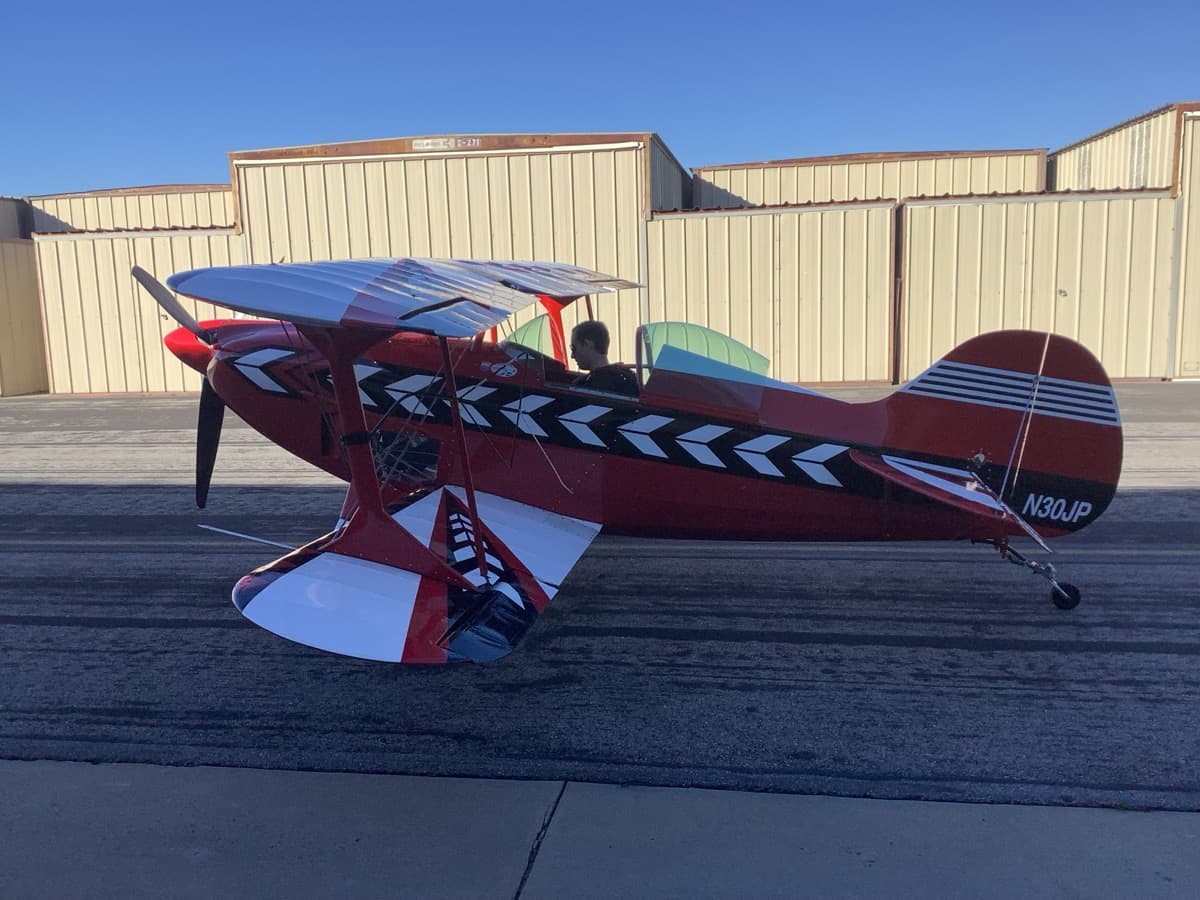
There are two airplanes in our family hangar at Camarillo Airport (KCMA) in California. One is a Van’s RV-7, red and black with gold trim, registered N320CP. The other is a Pitts S1B, red with white chevrons, registered N30JP. The RV-7 belongs to my father, John Philpott. The initials on its tail belong to his grandson, Connor — who owns the Pitts parked beside it.
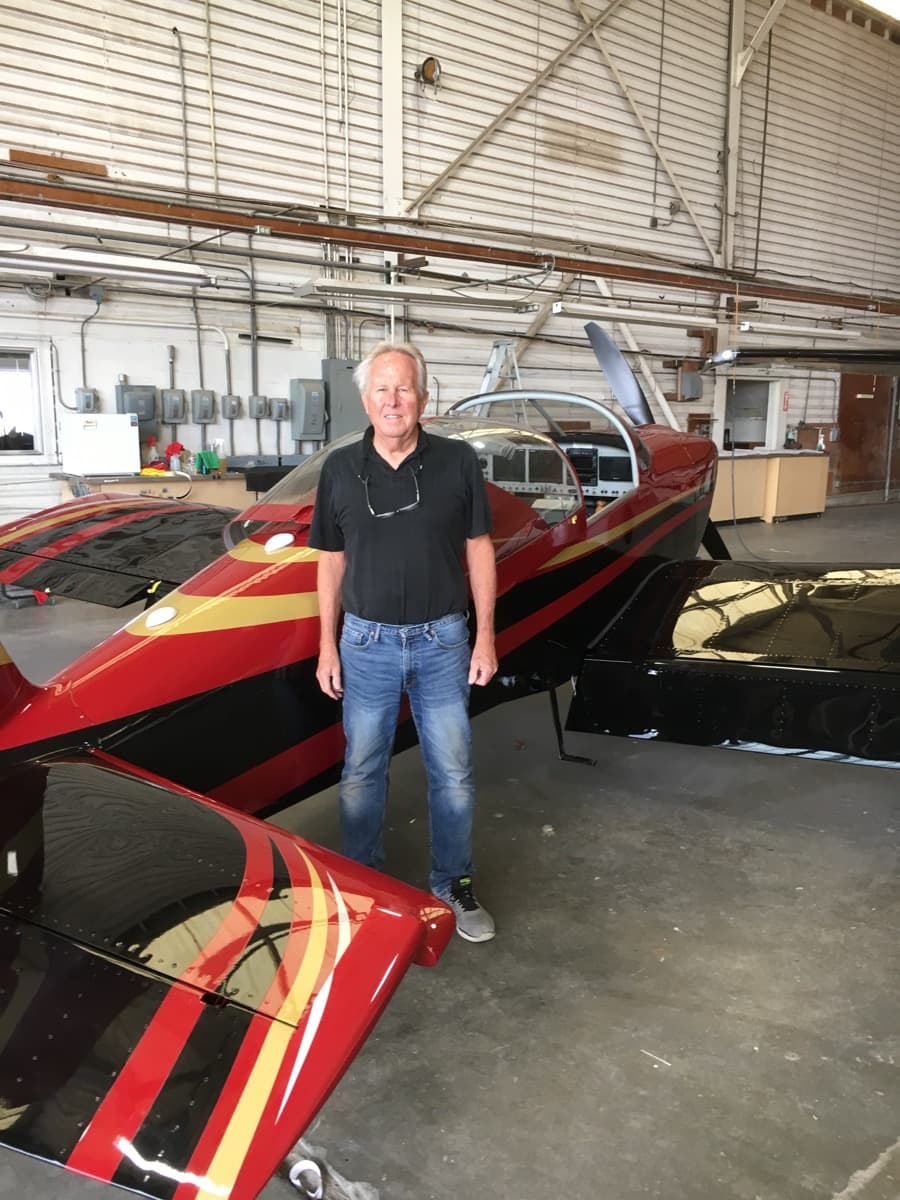
Every airplane my father bought for himself carried his own initials. This one carries Connor’s. That tells you most of what you need to know about how my father thinks about airplanes and about family.
The rest is a rule and the rule explains everything else: “If you fly it, you should be able to fix it.”
His father said that to him decades ago and my father did not treat it as a saying. He treated it as a syllabus. He earned his Airframe and Powerplant certificates, and then he spent 50 years taking care of the family fleet.
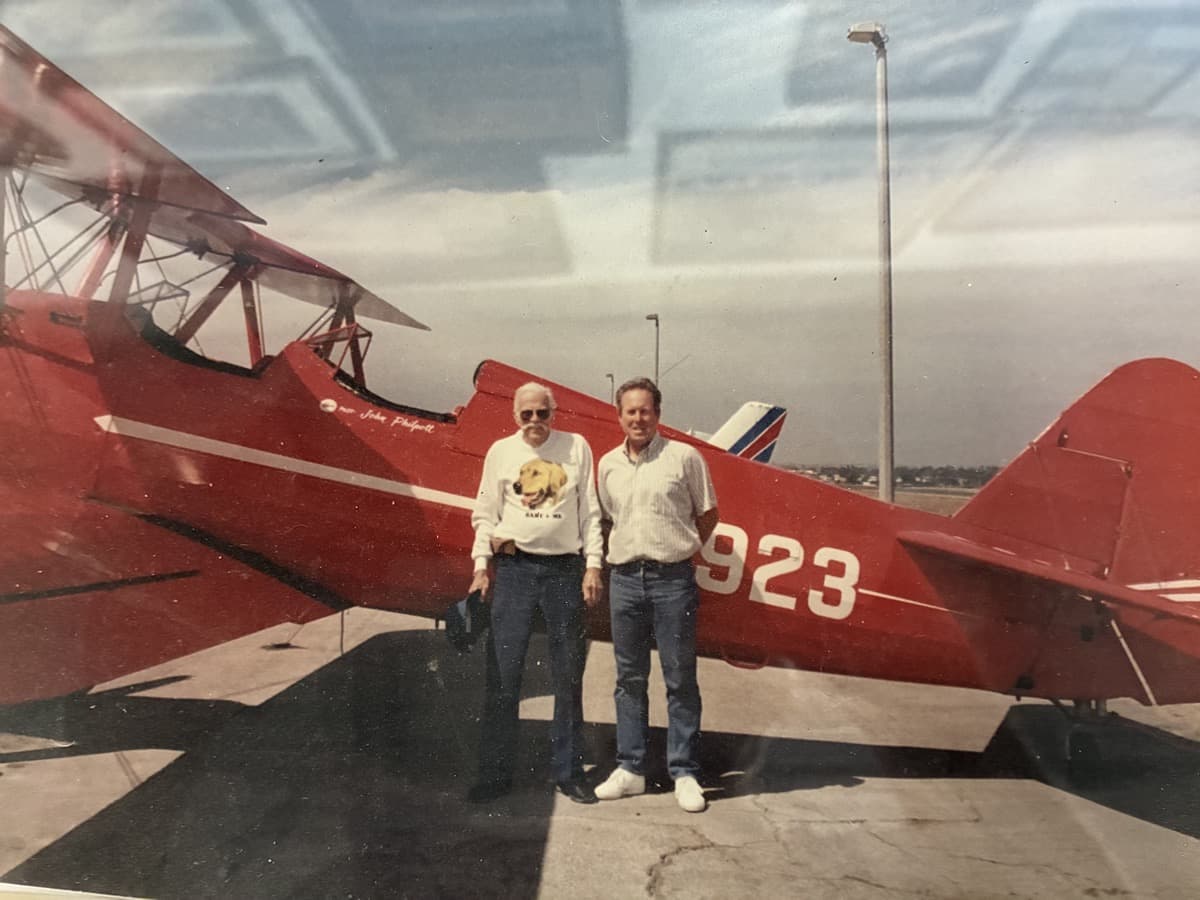
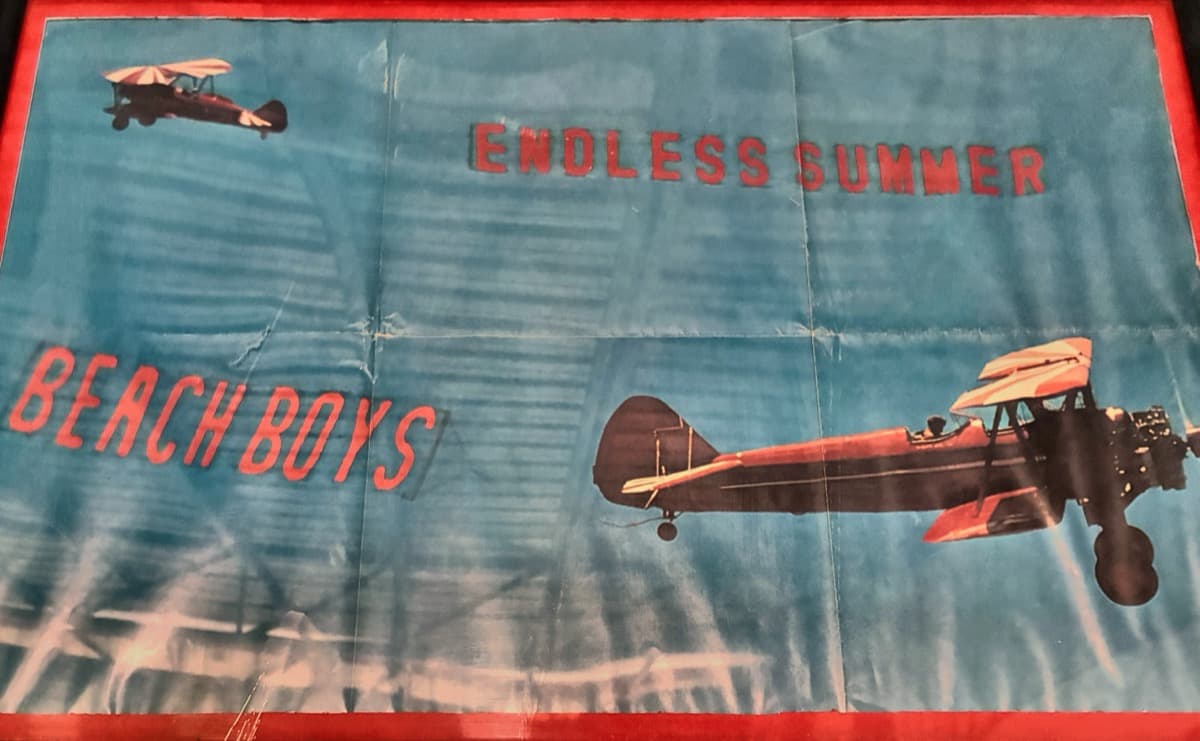
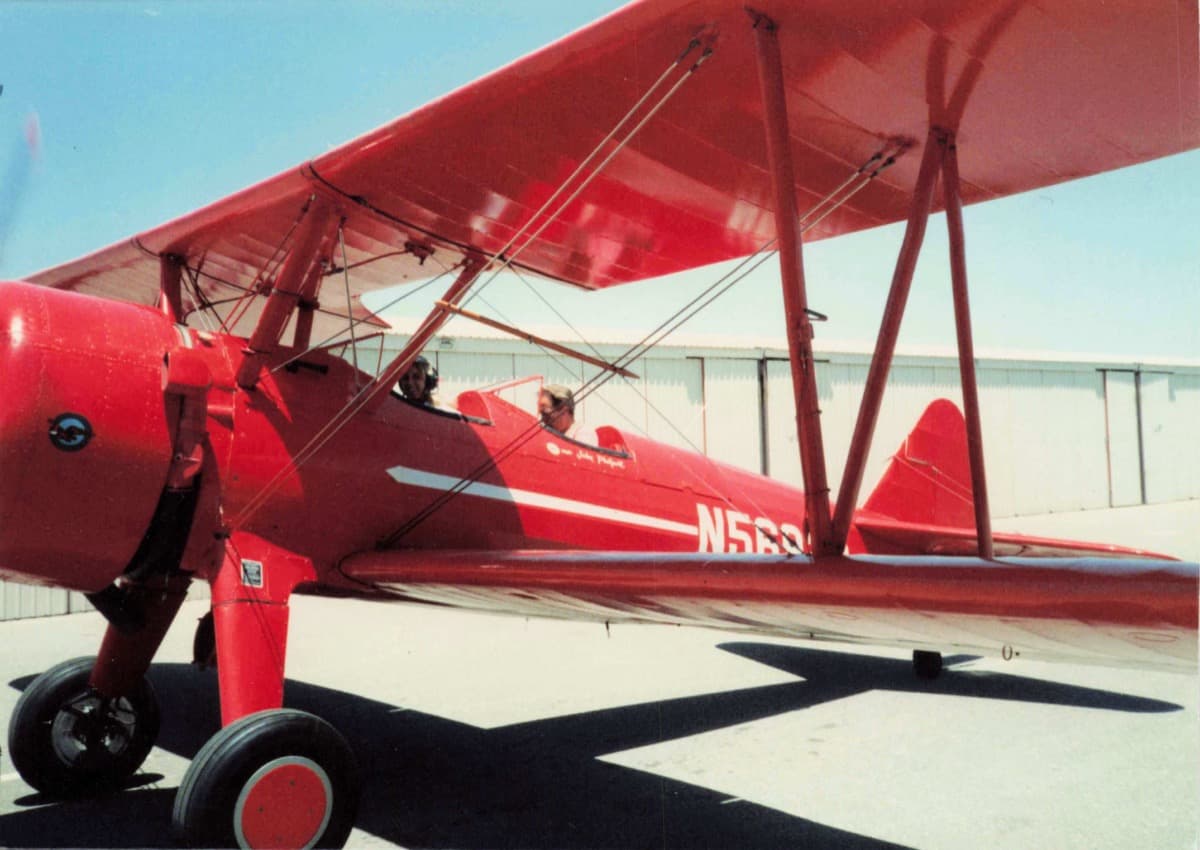
The proof started with two 450-horsepower Boeing Stearmans. The family flew them in the aerial-advertising days, towing banners over the Southern California beaches. Both biplanes ended up on the fold-out poster in the Beach Boys’ Endless Summer album, which is the kind of thing that happens when your airplanes work for a living.

On that poster, my father’s Stearman is the one towing “Beach Boys” and Ray Reynolds, a pilot who came with the aerial-advertising business my grandfather bought, is flying the other.
That pair flew in 1974, when I was four — but a few years later, once I was old enough to be useful, they put me to work on the banners. A nickel for every letter I helped clip together. Child labor, technically.
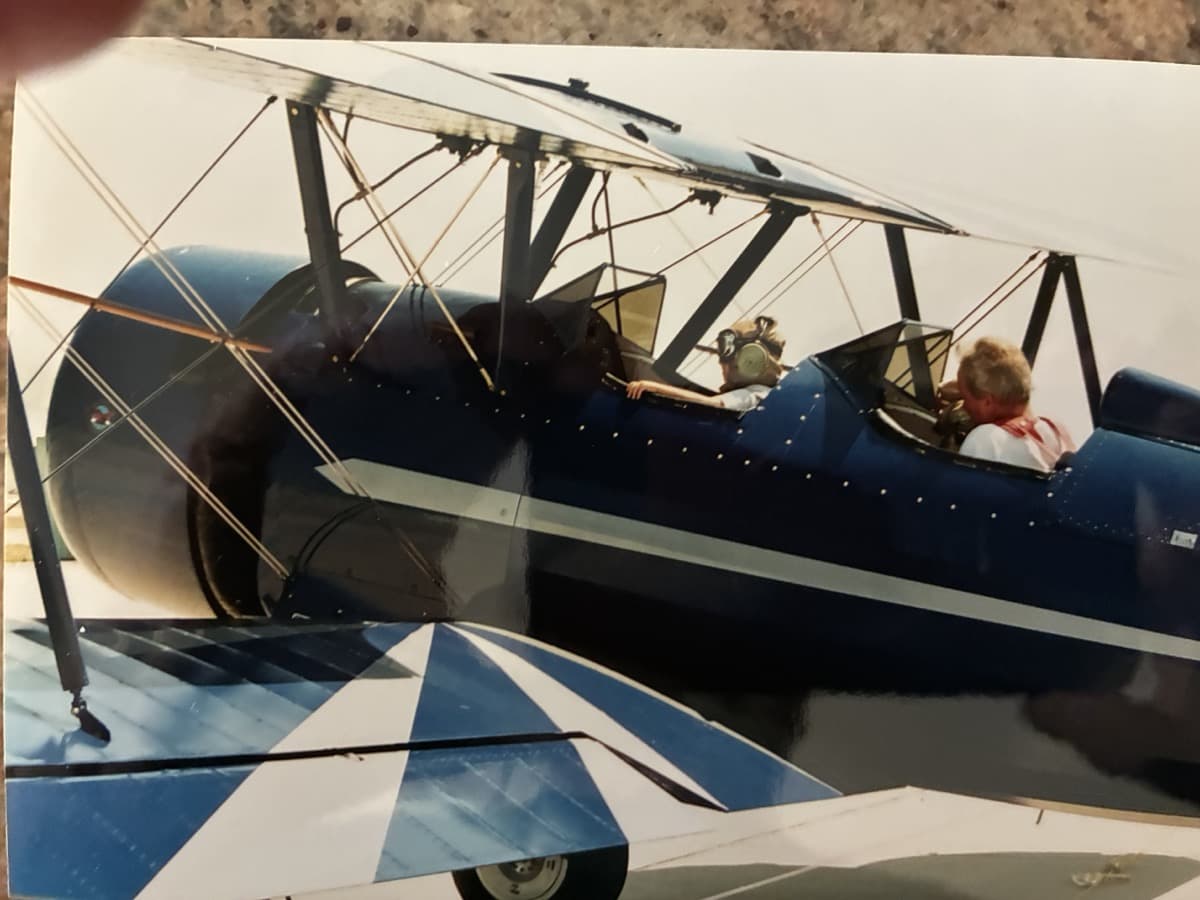
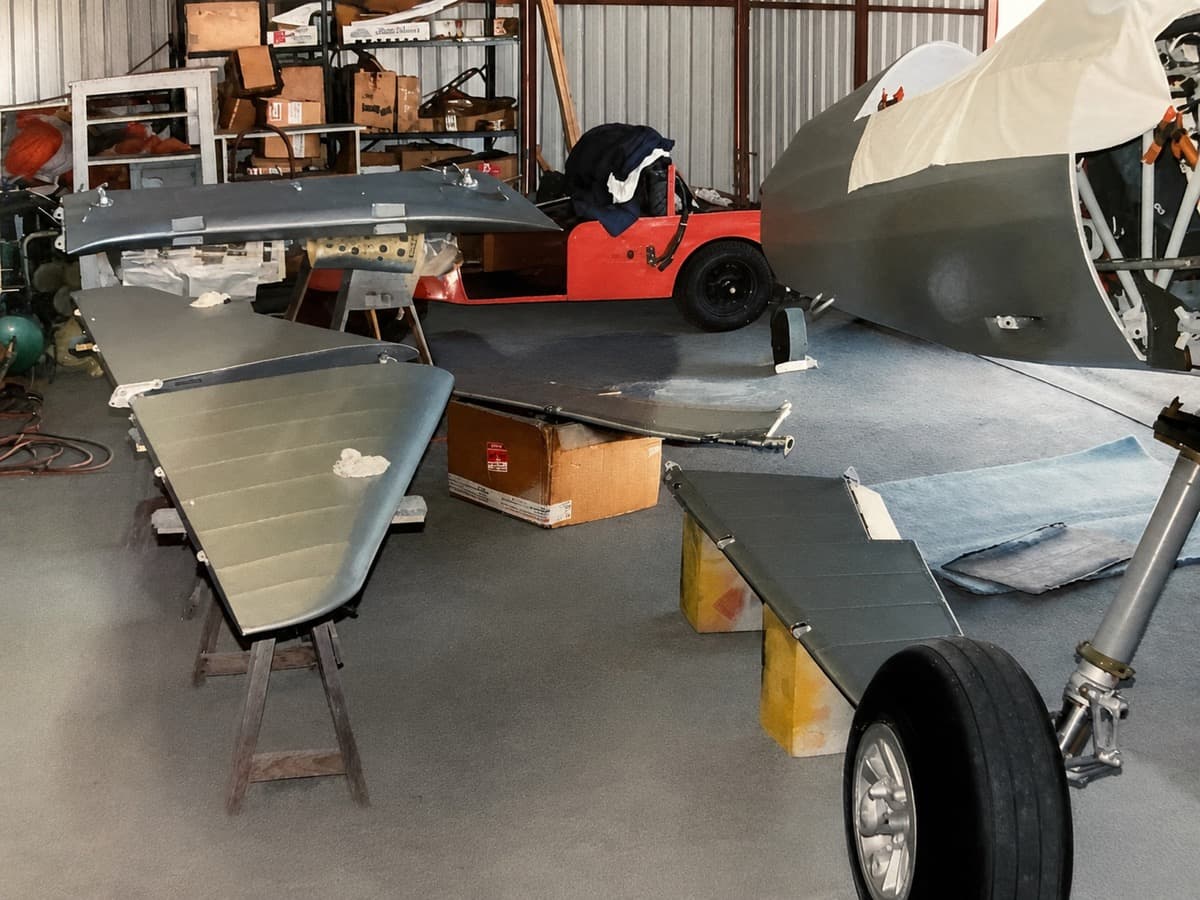
When the fabric on one Stearman reached the end of its life, my father stripped the airframe down and re-covered it himself. Fabric, dope, paint, recertification.
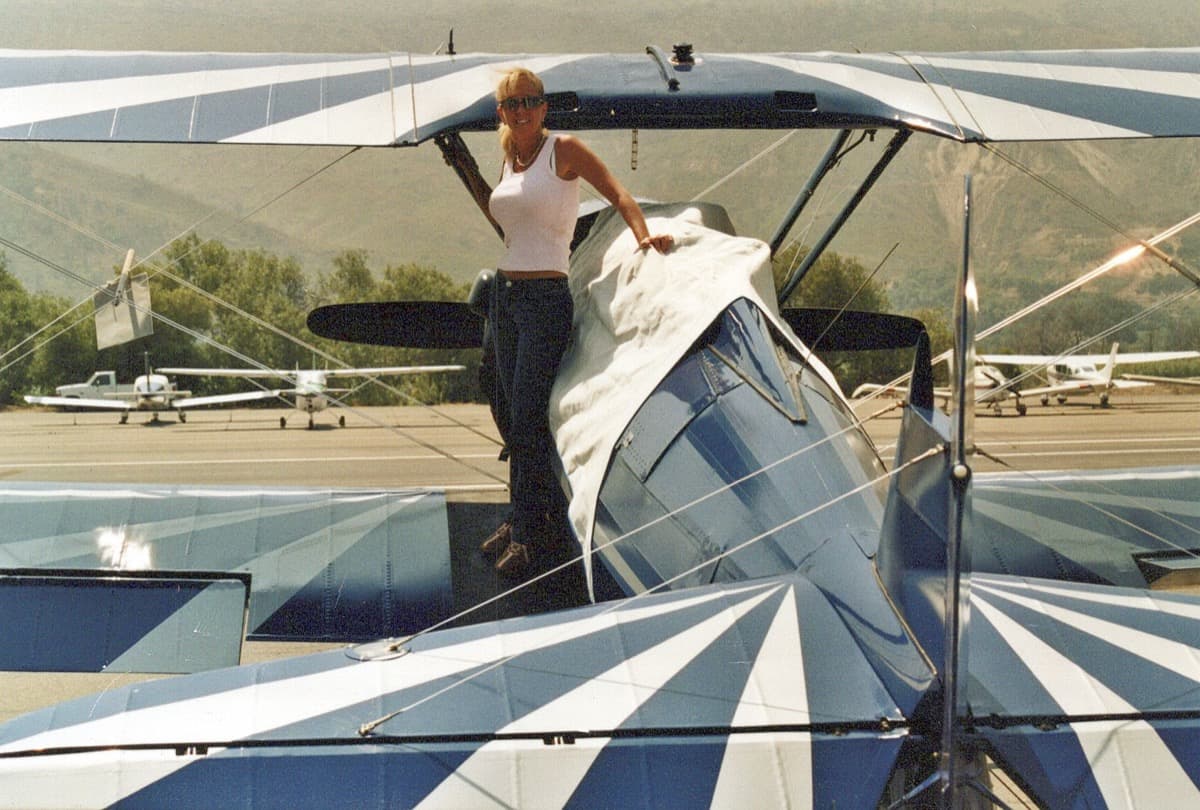
While he was at it, he changed the scheme from red and white to blue with silver sunburst stripes. The hangar doubled as his paint booth, and it wore remnants of that blue for years afterward — there was blue everywhere. There is a photograph of me standing on that wing root, and I can tell you the paint looked even better in person.
Then there was the Cessna 150 — N704JV, the one airplane he never marked with his own initials. He bought it for one reason: So his three daughters could learn to fly. It worked, on his terms. When I was a teenager and not doing what I was supposed to, my father didn’t ground me with a speech. He changed the combination on the hangar lock. I’d find out when I came down to fly. Message received: Straighten up and fly right.
I got N704JV in its character-building years, when the engine was high-time. On student cross-countries over the mountains, the oil temperature would creep right up toward redline — so I’d level off and circle until it cooled, then climb a little more, stair-stepping my way up until I could clear the range into the desert. Sometimes it didn’t want to start, either. The fix was to rap the voltage regulator with a screwdriver.
People at airports along my cross-country routes would watch a teenage girl with long curly blond hair clanking on something under the cowling — and then the engine would fire, and she’d fly away to the next airport like that was normal. Because for us, it was.
By the time my sisters Kristen and Angie started training, Dad had overhauled the engine. It ran cool and perfect for them. Timing is everything.
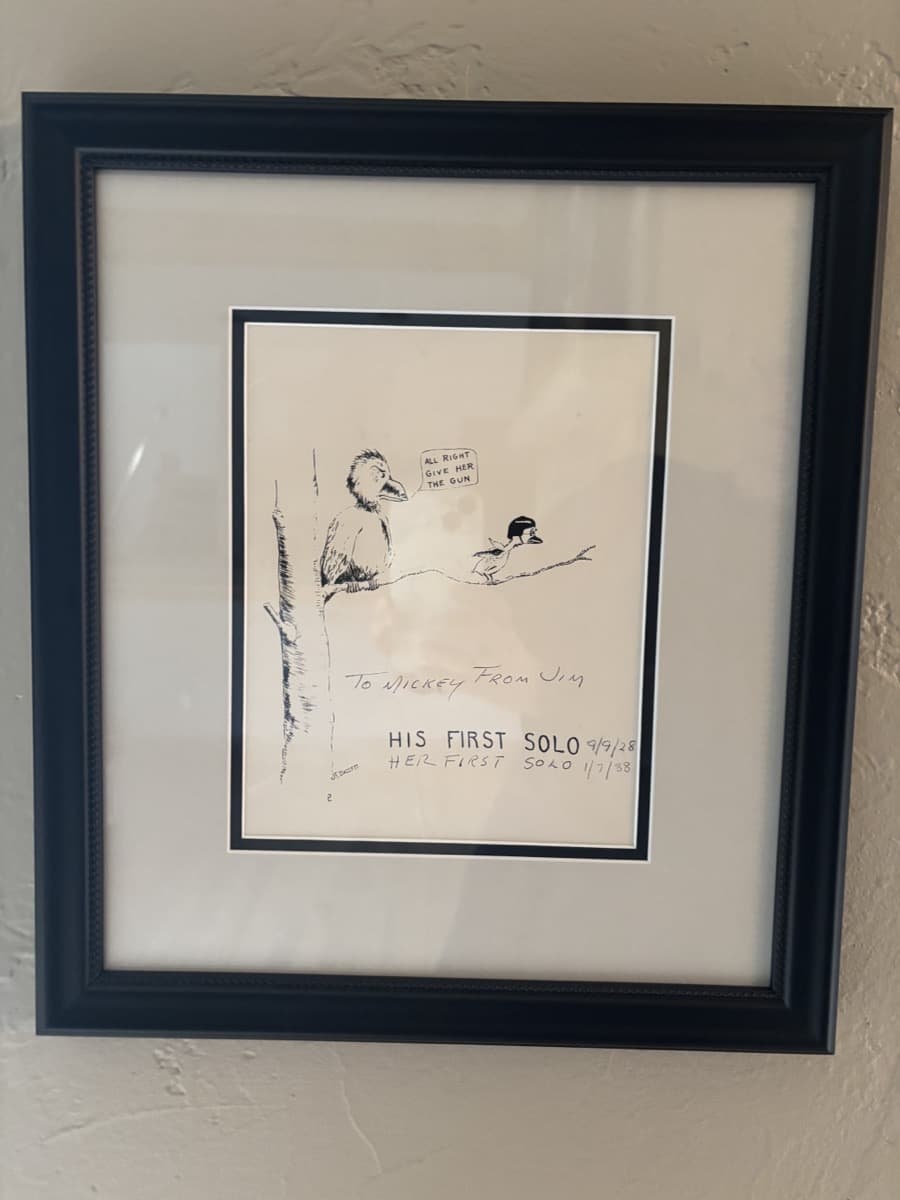
All three of us soloed as teenagers — Angie in that 150 on her 16th birthday, the same age our grandfather was when he soloed in 1928 in a Velie Monocoupe. All three of us fly professionally today, which we consider the 150’s fault entirely.
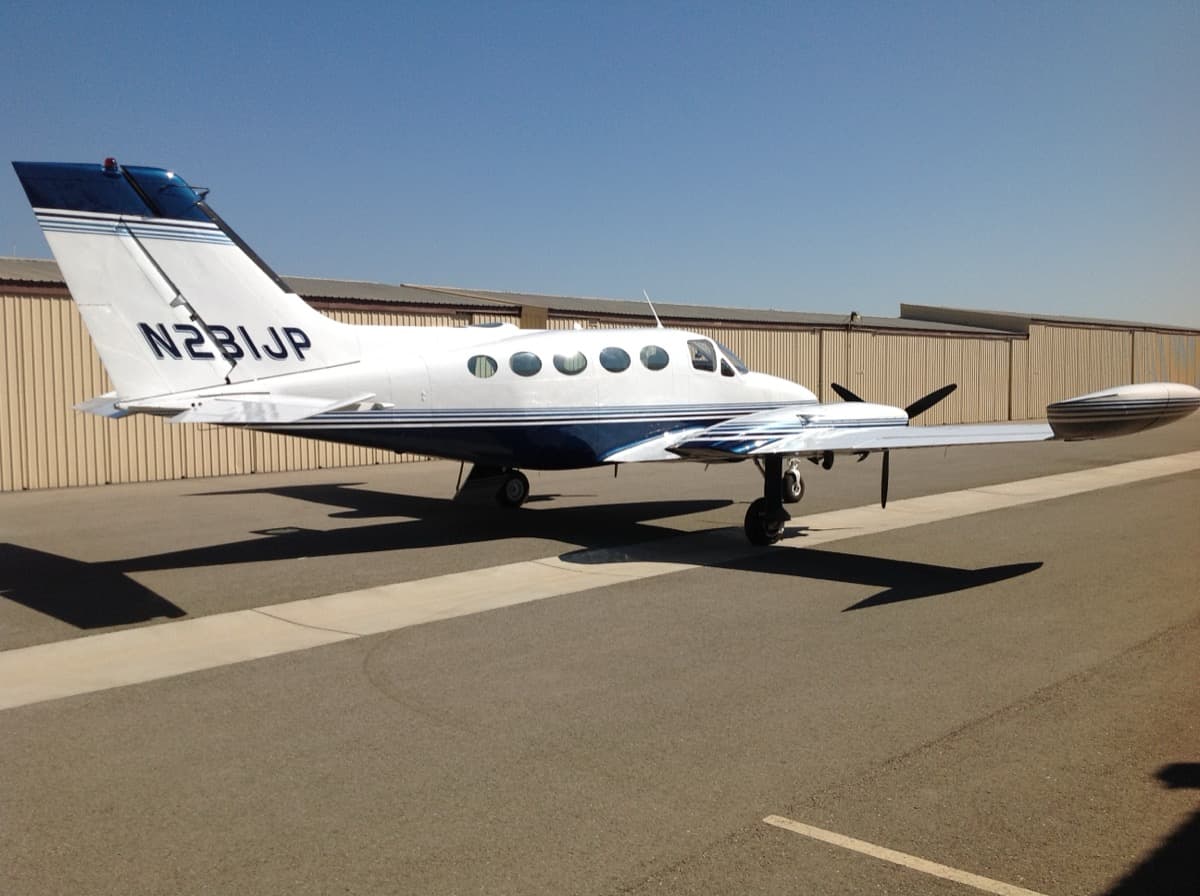
The full list, over five decades: The Stearmans. The 150. A North American T-28. A Cessna 414. And now the RV-7. He did the maintenance on every one of them. Annuals, engines, fabric, avionics, the mystery squawks that only appear when the mechanic isn’t watching.
He tracked all of it on a chalkboard that hung on the hangar wall — every airplane and its annuals, required inspections, and open gripes laid out square by square in a tidy hand-drawn grid. A maintenance tracking system older than any app, and more reliable than most. Different airplanes, same hands — and every one of them kept so pristine you could eat your lunch off the engines.
The RV-7 came home the right way. He found it in Florida, polished aluminum and not yet painted, and he didn’t have it trucked.
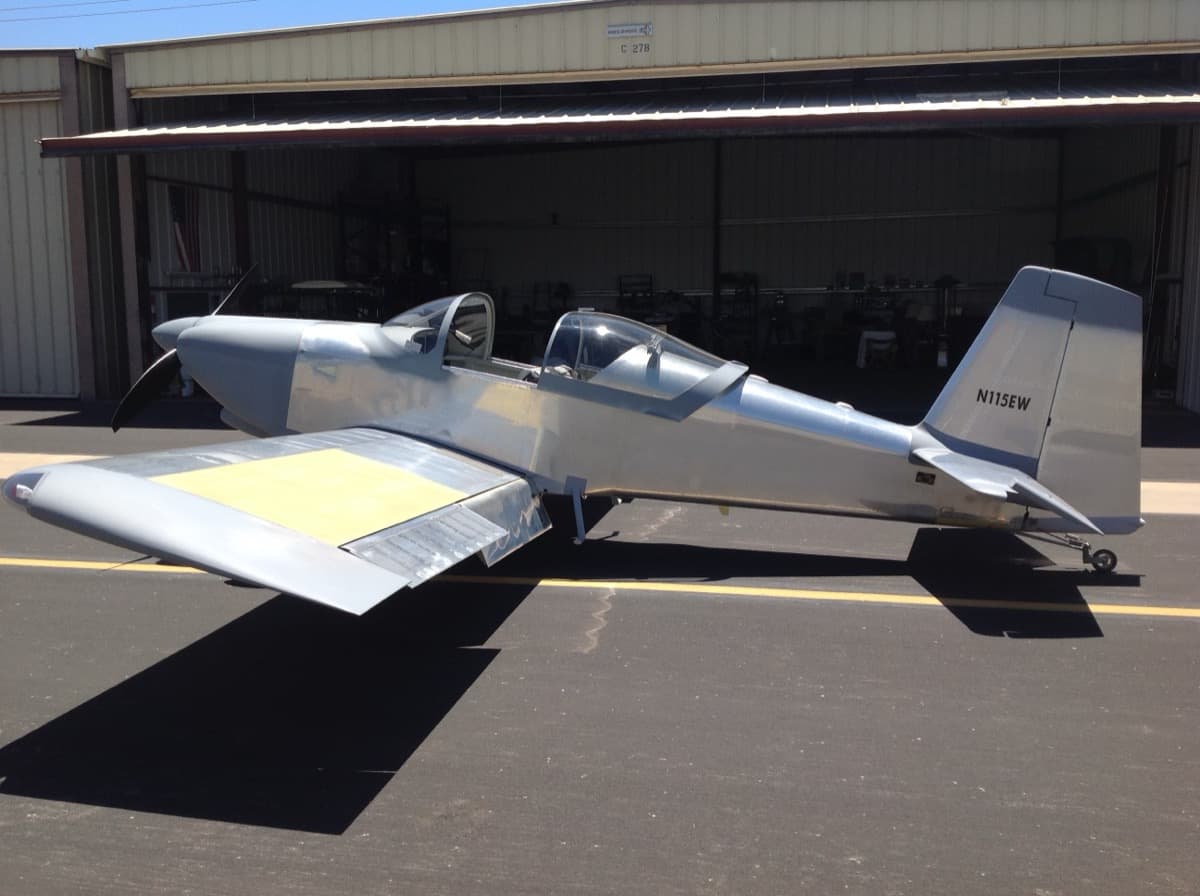
He and Connor flew it back across the country to Camarillo together — grandfather and grandson, taking turns in an airplane that still smelled like somebody else’s build log. By the time it wore the red, black, and gold scheme my mother designed for it, it was already a family member.
I should mention the person who can prove all of this. My mother, Babs, has been photographing this family’s airplanes for as long as she’s been married to my father — 57 years — and she has not missed much. The Stearman re-cover, the ferry flights home, the air show trophies, every first solo — she documented all of it, almost always from one camera-width outside the frame.
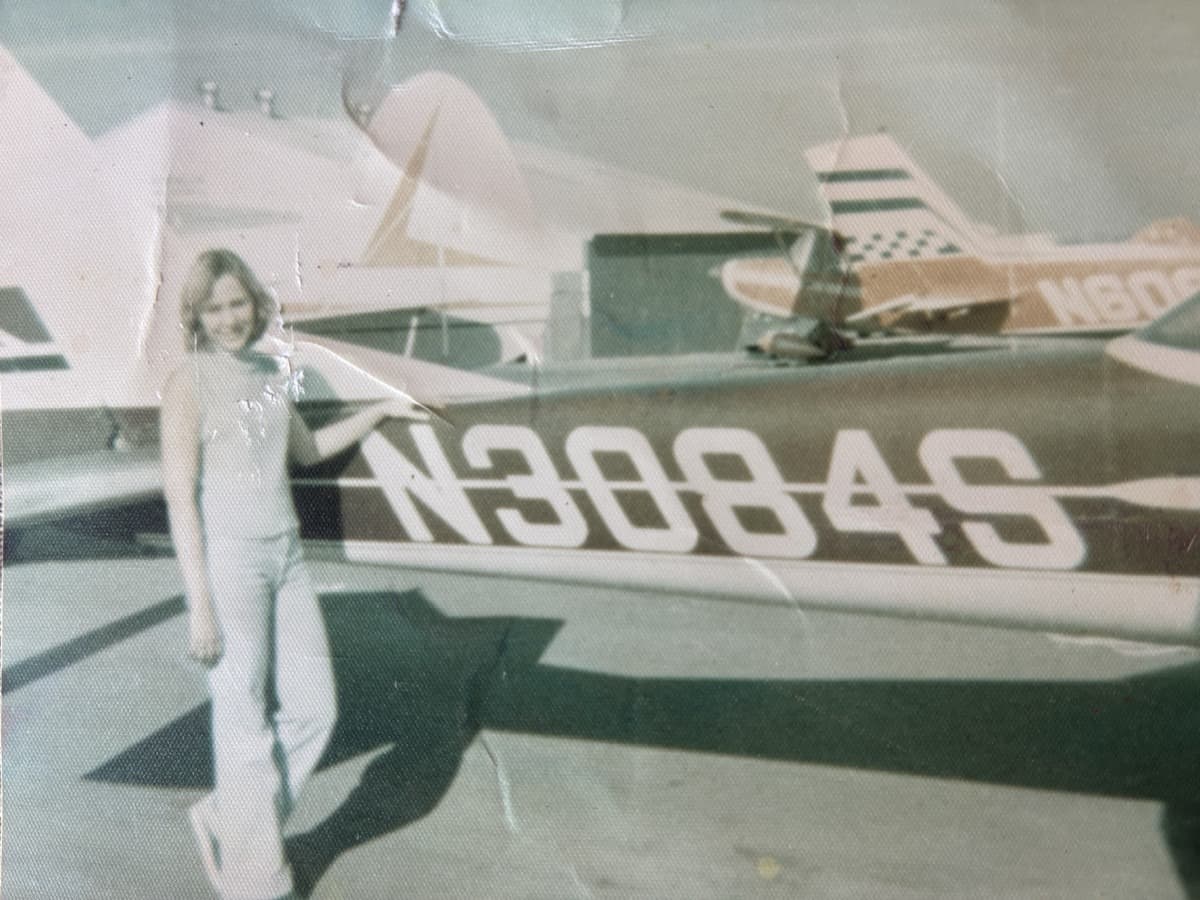
She flies, too. She soloed in 1976 and never let any of us forget that the family logbook has her name in it.
When I was a flight instructor and went up with her once, she told me — a little proudly — that my father never gets on the rudder pedals when she’s flying.
Every photograph in this story exists because she kept showing up with a camera while the rest of us were busy goofing off, flying around.
My father is retired now, from a long professional flying career of his own. The A&P never retired. He still does the maintenance on the RV-7, still walks to the hangar the way other men walk to the golf course, and still inspects Connor’s Pitts with the expression of a man who intends to be buried with his torque wrench. The license, as we say in the family, stopped with him. The standard didn’t.
In 2028, our family will mark 100 years of continuous flying — a century to the day since my grandfather’s first solo on Sept. 8, 1928. We keep the whole story, photographs included, in a family archive at TroveCollections.com/Heritage. The archive is my daughter’s project and mine.
But the rule at the center of it is my father’s, and it has aged better than any airplane he ever re-covered.
If you fly it, you should be able to fix it. He can. He did. He still does.
What a great story………….and only in America!!
Great story, great logic. When I first saw the header I was afraid someone was pushing the limits of the MOSAIC rules in favor of pilots, in general being allowed to just “fix” their airplanes (bad idea). I would have headlined the article “Pilots should be taught how to care for their aircraft”. Unfortunately I’ve found a need to educate some on how to open and close the cowl ! Thanks for a great read. Now off to get the C 90 finished for the Buhl.
Now THAT is an awesome story! Thank you for sharing!