

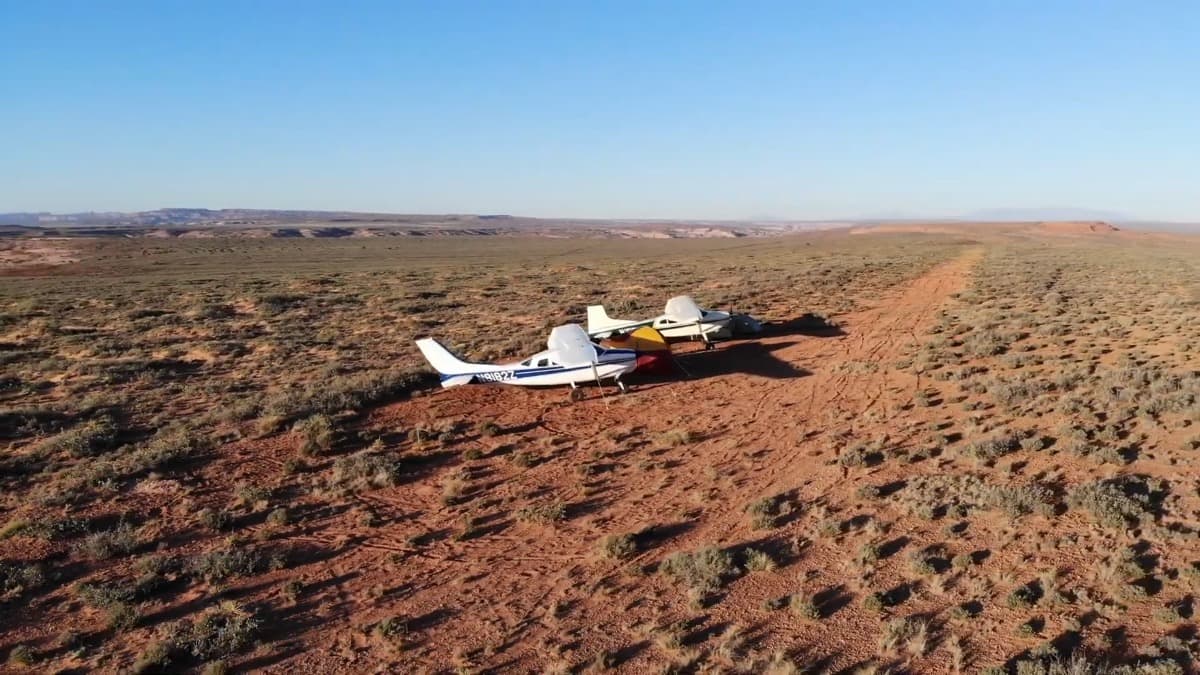
The Recreational Aviation Foundation (RAF) is continuing the momentum in its Expanding The Map initiative, with the reopening of Keg Knoll Airstrip in central Utah.
The goal of the initiative is to open more than 15 backcountry airstrips around the country in 2026.
RAF Utah Liaison Wendy Lessig led the effort over the past three years in advocating for the reopening of Keg Knoll Airstrip, which was closed years ago by the designation of the Labyrinth Canyon Wilderness Area. Thanks to this effort, along with widespread support from pilots and RAF allies, the Bureau of Land Management (BLM) allowed the airstrip to be reopened for public access.
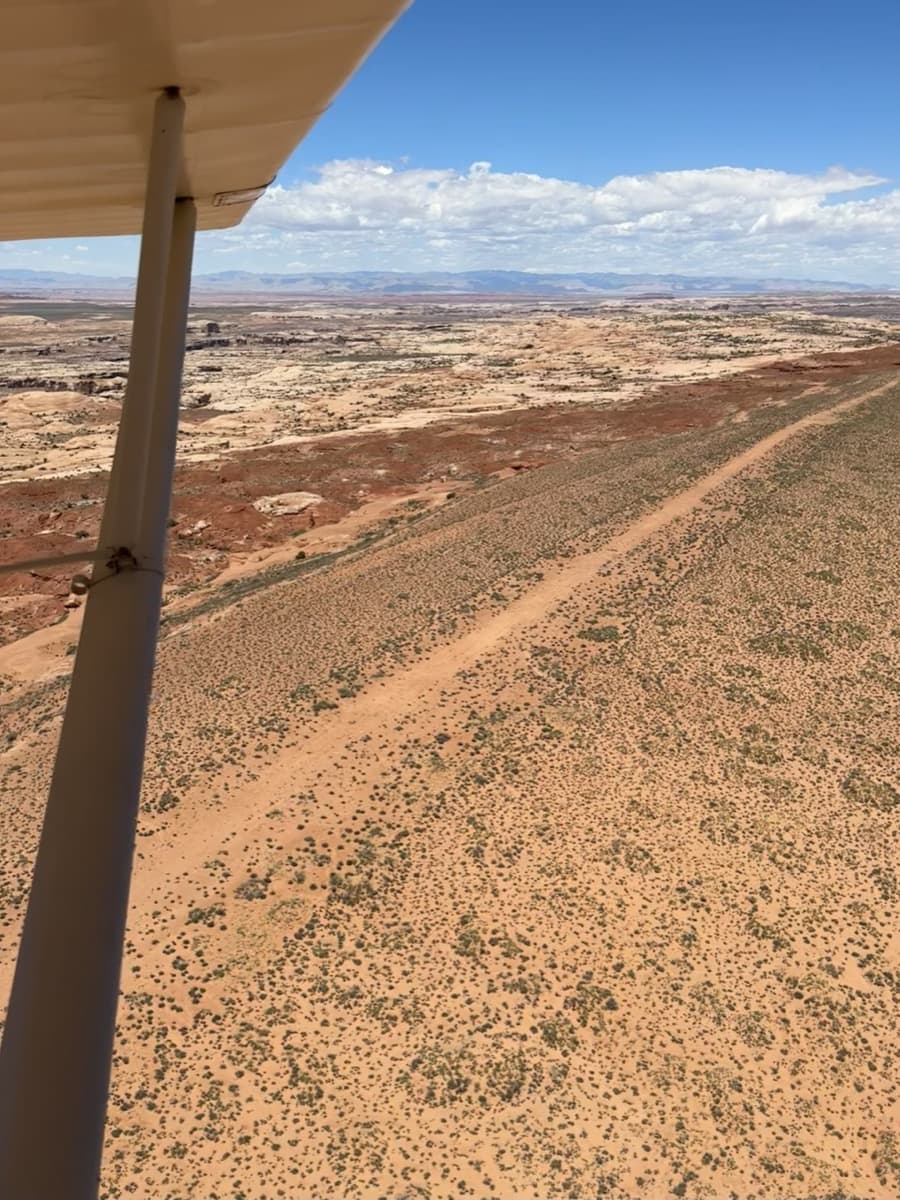
Various meetings were held with BLM officials to explore whether the airstrip could be reopened as allowed by the Wilderness Act of 1964, which protects more than 111 million acres of wild federal land. After the BLM prepared an environmental assessment, the agency issued a final decision to approve Keg Knoll airstrip for reopening, “subject to a set of reasonable conditions that protect the wilderness area,” according to RAF officials.
Keg Knoll is now open, with a work party to further improve the airstrip and install a windsock planned for fall 2026 that will include volunteer pilots and the BLM. Since Keg Knoll Airstrip is in a Wilderness area, no motorized or mechanized devices are allowed, so volunteers will be limited to the use of hand tools to perform maintenance, RAF officials noted.
Current reports state the airstrip itself is in good shape, but pilots must be aware that the south 700 feet of the original airstrip is closed and will be marked with rock X’s. What remains open is 2,000 feet of runway.
“We will need help from all the pilots who visit Keg Knoll Airstrip to be good stewards to help protect and preserve the Wilderness environment for this special airstrip,” Lessig said.
“Keg Knoll Airstrip has outstanding recreational value and offers pilots ready access to a true wilderness experience,” RAF officials said. “Visitors can experience dispersed primitive camping next to their airplanes, hiking around Horseshoe Canyon, and stargazing under the dark skies at night.”
“One thing that makes Keg Knoll Airstrip unique is the accessibility of the relatively easy two-mile hike to Colonnade Arch, also known as Five-Hole Arch,” Lessig added.
RAF has created a dedicated web page for Keg Knoll.
For more information: TheRAF.org
That looks like a cool place to Fly-In into, but, short and rough! The dedicated page has some beautiful photos. Thanks for sharing.