

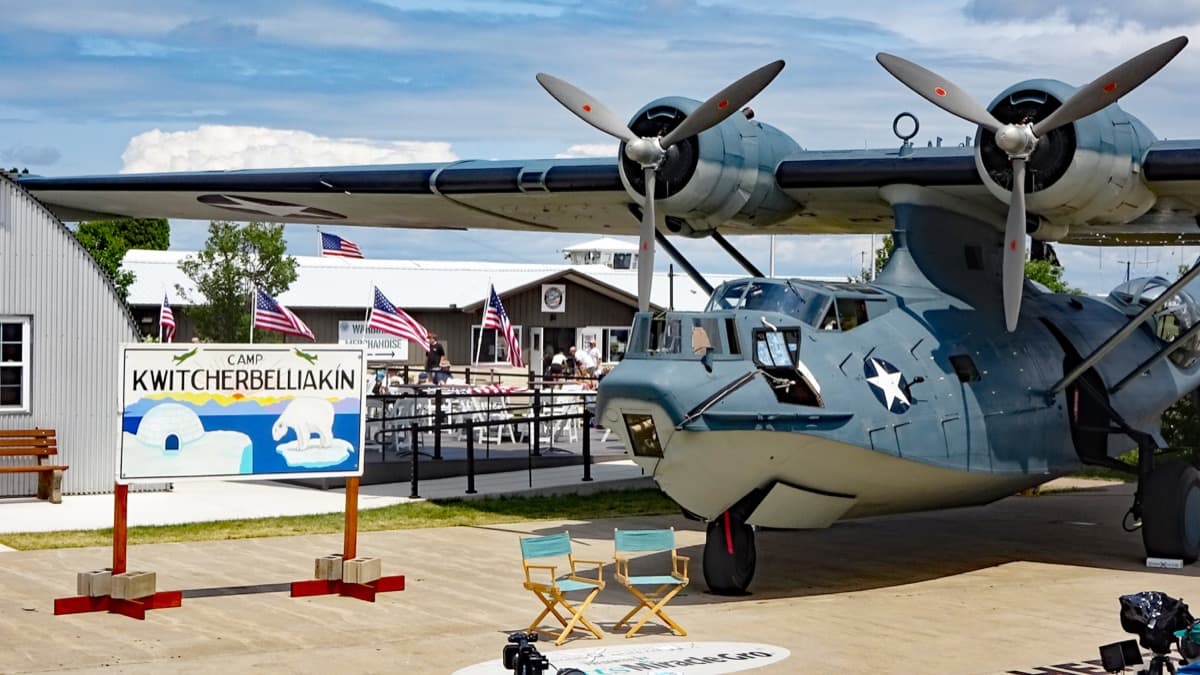
In a world of stunning restored warbirds at EAA AirVenture Oshkosh 2026, this year’s Grand Champion World War II winner could be sensed the moment its wheels were chocked and its two Pratt and Whitney R-1830 radials cranked down to a halt.
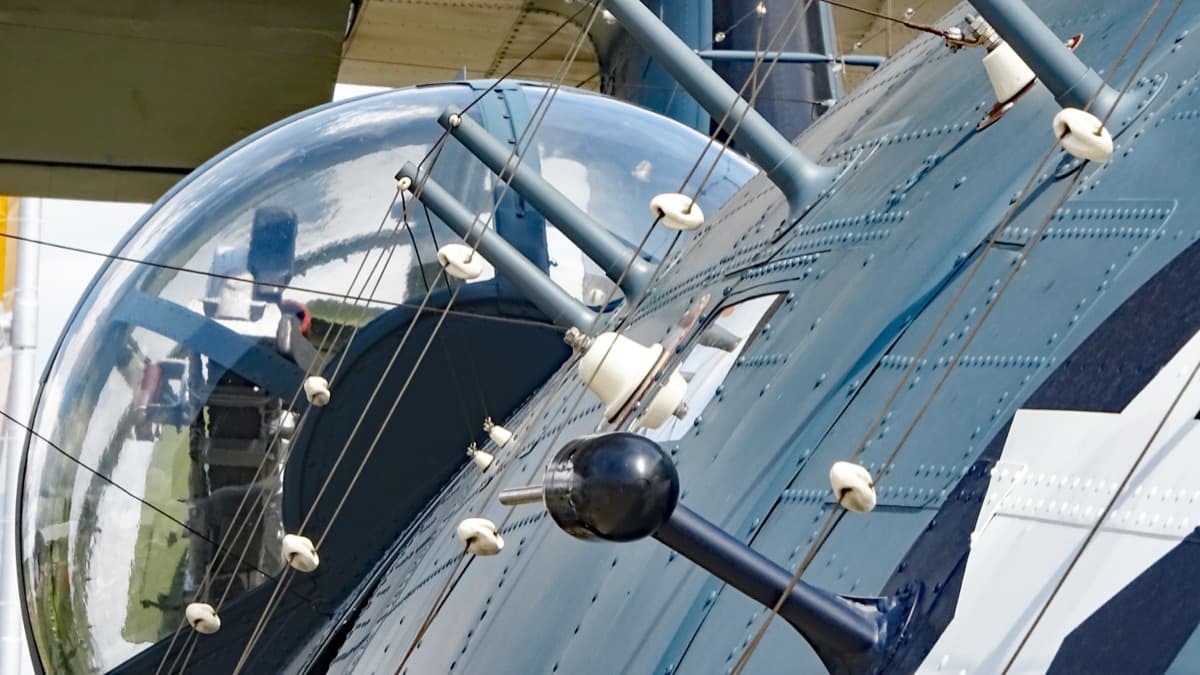
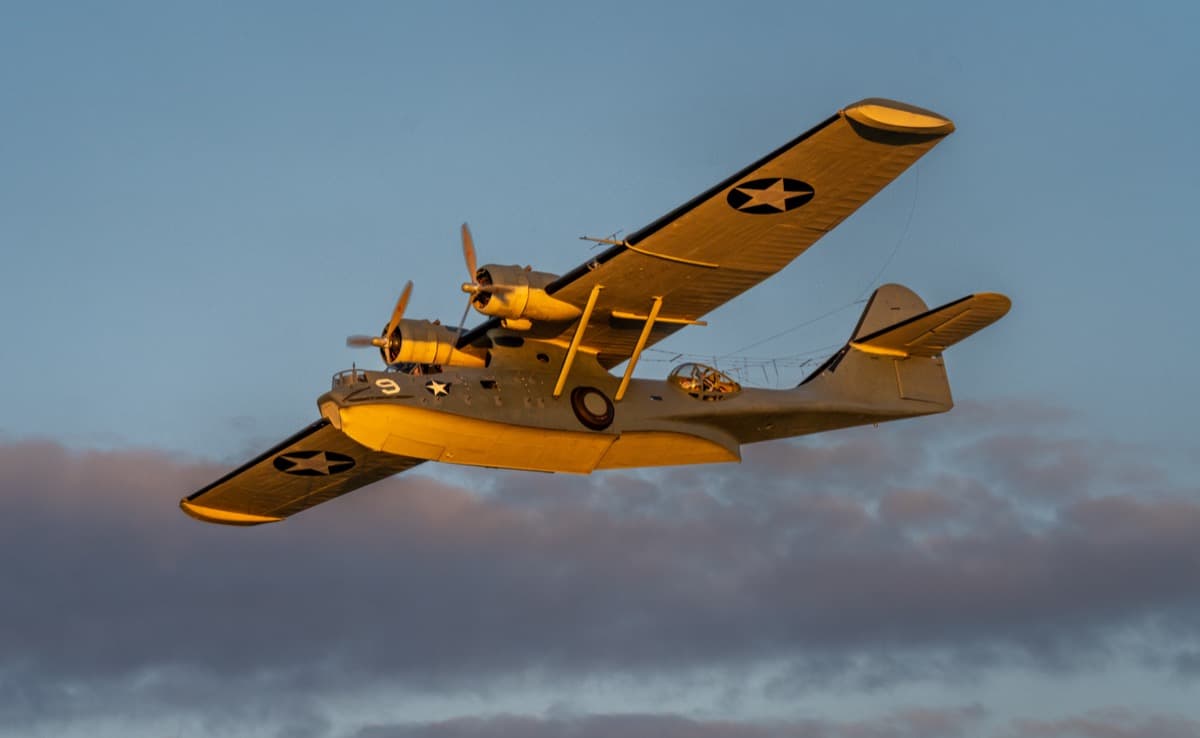
It is a 1941 Consolidated PBY-5A Catalina amphibian with a storied combat history, and a restoration team so finicky one member went to school to learn how to make long-gone ceramic insulators for the spidery array of radar antenna wires reinstalled along the fuselage.
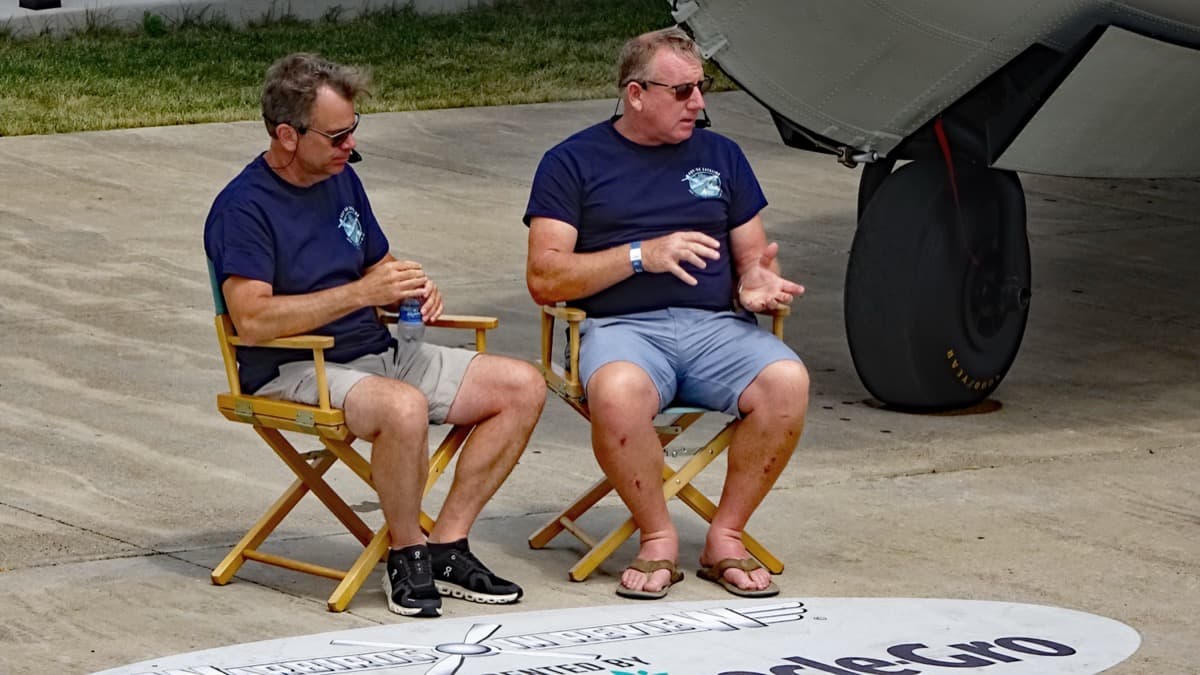
This Catalina was the subject of a Warbirds in Review session during the show. Rob Collings and Joe Scheil talked about the Catalina they flew to Oshkosh on behalf of the American Heritage Museum in Hudson, Massachusetts, just two weeks after its first post-restoration flight. The seven-year restoration project shows the creativity and handiwork of American Aero Services of New Smyrna Beach, Florida.
Collings and Scheil tracked this PBY down to an owner in the Netherlands. The combat significance of this airplane appealed to them, and negotiations to obtain it succeeded in 2019. A ferry flight logged 40 hours via Scotland, Iceland, and Canada before delivering this Cat to American Aero Services in Florida.
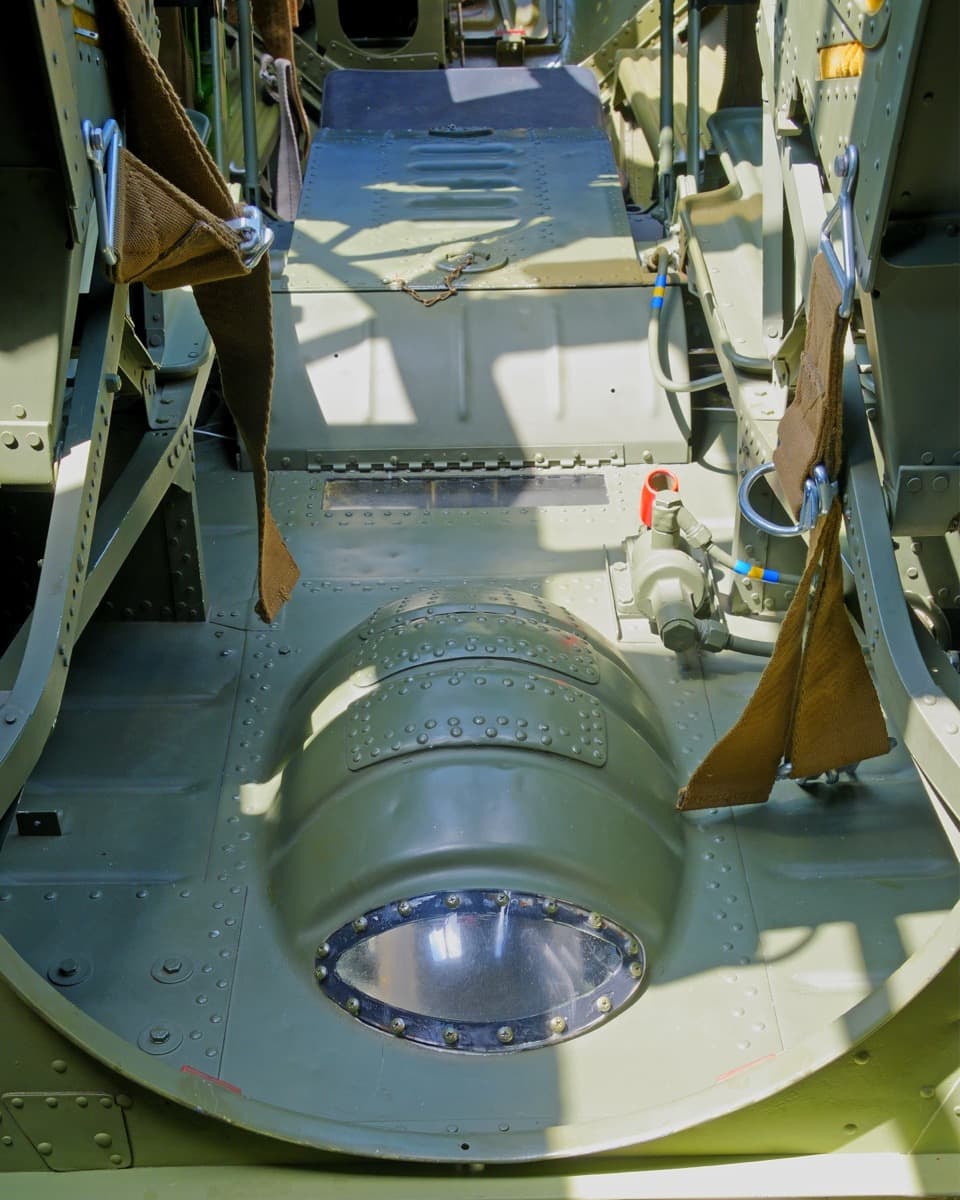
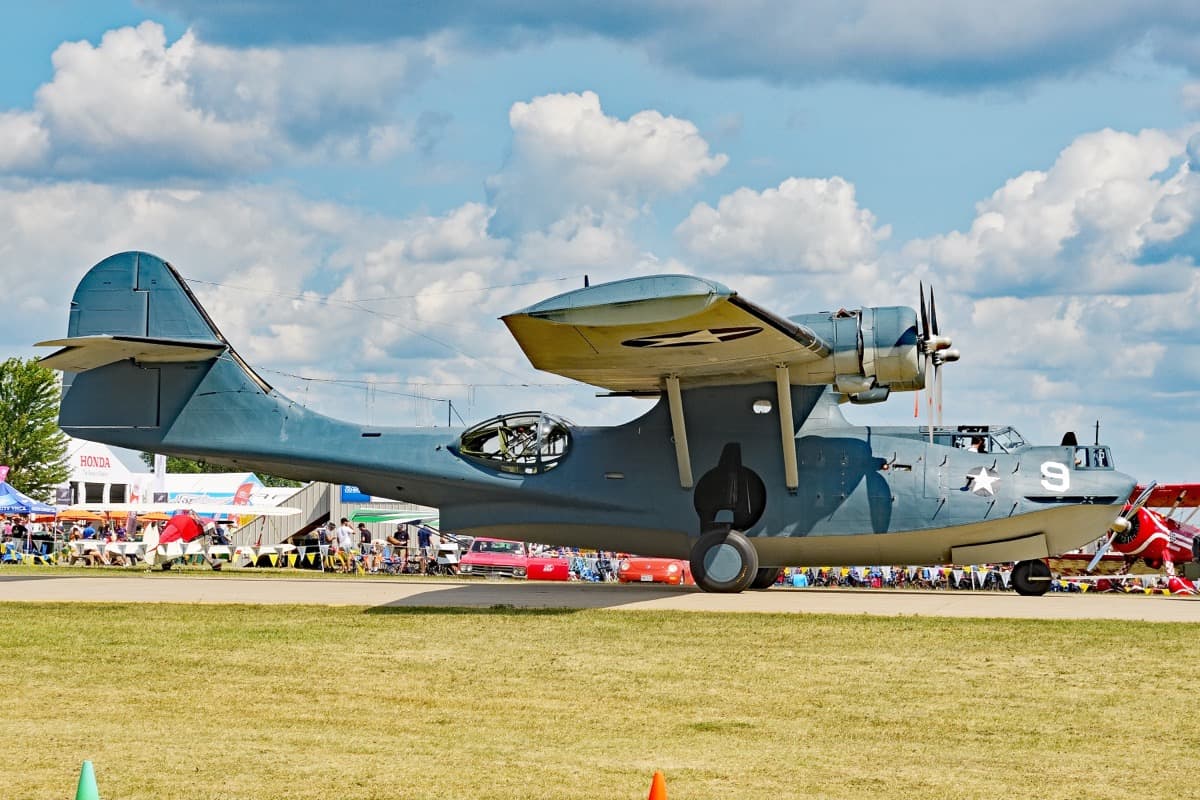
Decades of civilian use saw this PBY’s airframe modified in ways far removed from its configuration as a patrol bomber. One of the biggest items was the replacement of its original rudder with a balanced-type rudder, specified by the U.S. Civil Aeronautics Authority (CAA). Today, this Cat flies with its original style rudder, plus characteristic waist blisters, a bomb-aimer’s nose, and the unique station for a flight engineer in the pylon supporting the wing above the fuselage.
Another obvious and unusual bit of refurbishing is the array of wires outside the fuselage representing early-style radar antennas.
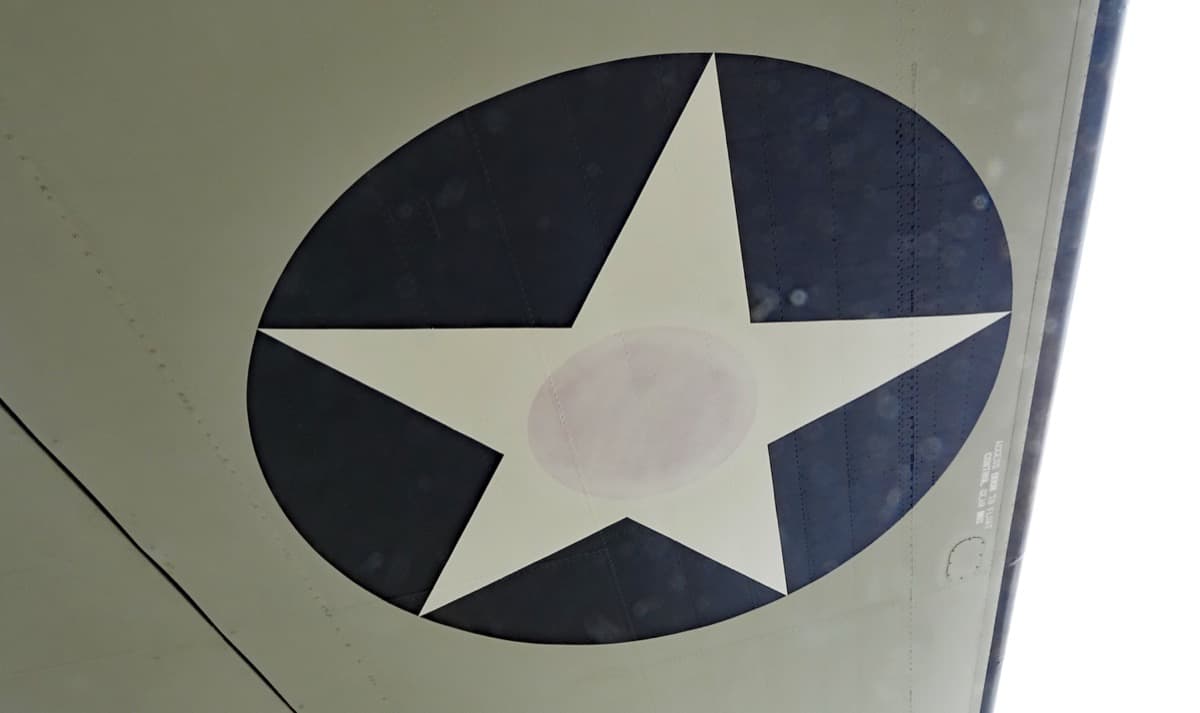
Some touches are so subtly accurate they need to be pointed out. When this PBY was rolled out at the company’s San Diego plant in 1941, the style for the national star insignia included a red disc in the center of the white star.
By May 1942, the red was removed from U.S. insignia, lest it be mistaken from a distance for the red Japanese insignia. When the American Heritage PBY-5A was painted during restoration, it first received the red-centered insignia, which was then painted over with white, leaving a faint ghosting of the red as can be seen on some original wartime aircraft photos.
This PBY, Bureau Number (BuNo) 2459, was only the fourth amphibious Catalina built. The U.S. Navy took delivery of it on Nov. 15, 1941, less than a month before the United States was plunged into World War II.
With the coming of war, this airplane was assigned to Atlantic Ocean antisubmarine patrol service out of Reykjavik, Iceland. Its combat tour lasted from Feb. 1, 1942, to Aug. 28, 1943. In that period, long overwater patrols amassed 1,675 hours of combat flight time in 195 missions.
German U-boats threatened the vulnerable convoys that brought supplies and troops from North America to Europe. PBY 2459 did its part to thwart German submarine operations by sighting 13 submarines, attacking 10 of them, and sinking three of them, including the first to fall to a Catalina on Aug. 20, 1942. An additional U-boat sinking was a shared claim, counting as a half-victory for this Cat.
As parked on the vast grass campus of Warbirds in Oshkosh, the PBY was heralded by well-researched, well-illustrated storyboards that told the story of this combat aircraft and the nature of the Battle of the Atlantic. Pilot Joe Scheil enjoyed amplifying those stories for the packed audience during the Warbirds in Review session.
Rather than just a random Catalina-sights-submarine, Catalina-bombs-submarine event, the German hunter U-boats became the hunted in a choreographed chess game on the high seas.
Visibility and field of view were important assets in the fight. The presence of a PBY flying overhead might keep a U-boat at periscope depth, diminishing the sub crew’s situational awareness of other ships on the sea. Periscope depth made it harder for the Catalina crew to spot the submarine and harder for the submarine to do its job.
Running on the surface, the submariners could use the elevated conning tower observation deck to better scan the horizon for ships. A surfaced U-boat was easier for a Catalina to spot, but Joe said a testy cat-and-mouse stand-off could ensue.
When surfaced, the U-boat had a deck gun that could be lethal to a Catalina if the PBY pressed a depth charge attack overhead. The experienced PBY crew could use the Catalina’s great loitering time to shadow the U-boat, just out of range of its deck gun. Once the German submarine submerged, the PBY could overfly the location and drop depth charges that stood a reasonable chance of destroying the sub.
Rob Collings said historical research indicates the submarines sunk by Catalina 2459 took the lives of 101 German sailors. What is not recorded, he said, is how many Allied lives were saved by the sinkings of these enemy submarines.
The museum’s presentation of the Catalina at AirVenture acknowledged danger and death, as well as levity and life. When the commander of this Catalina’s squadron, VP-73, decided his crews needed some carrot-and-stick persuasion because they were not getting combat results, he closed the officers club in Iceland until a crew could log a U-boat sinking. It fell to the crew of Lt. Robert Hopgood flying this Catalina to make that first victory on Aug. 20, 1942. Hopgood sent a message back to base that day: “Sank sub, open club.”
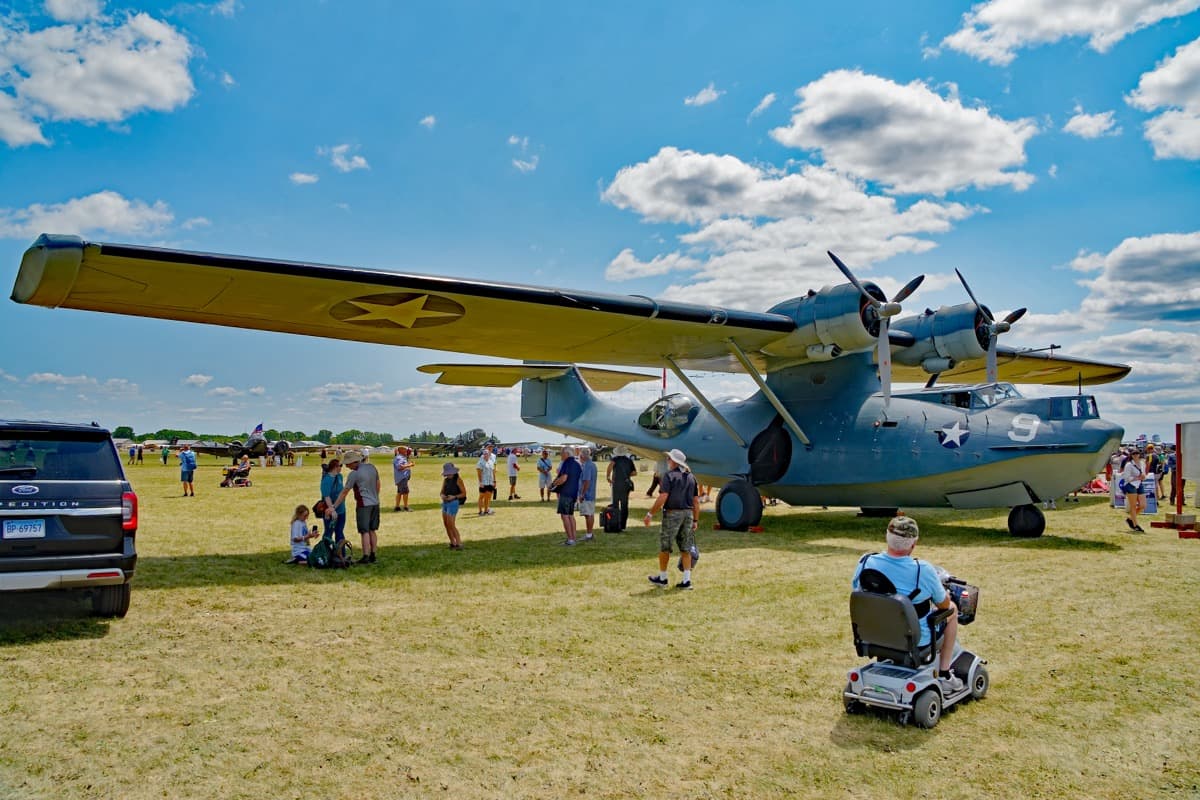
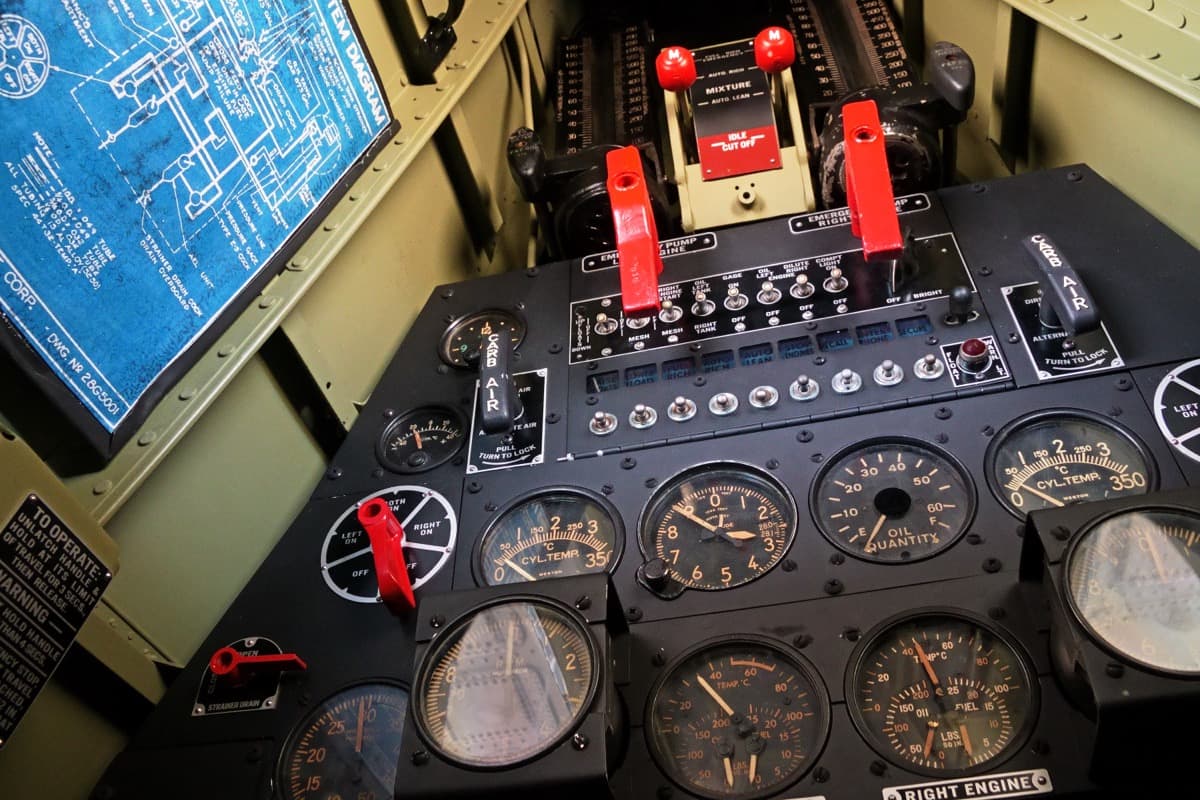
The restoration of 2459 has a haunting effect. The paint is so believable and subdued, the reunited gun mounts and other vintage hardware are so evocative, that this Catalina gives new life to the men who served aboard Navy PBYs more than 80 years ago in the throes of World War II. That’s a somber responsibility for any restoration, and this amphibious patrol bomber is up to the task.
For more information: AmericanHeritageMuseum.org, AmericanAeroServices.com

Beautiful!….my stepdad was a gunner on a PBY in WWII.
He got his private certificate in a Piper J3 after the war, but never did much flying, instead he became an aircraft mechanic and really loved aviation.
He helped guide me on my aviation journey and enjoyed flying with me in my J3.
To this day the PBY is one of my favorite flying machines!
Dale, It’s always great to hear about all the ways our families were involved with aviation and World War II, and how that surely affects our lives.