

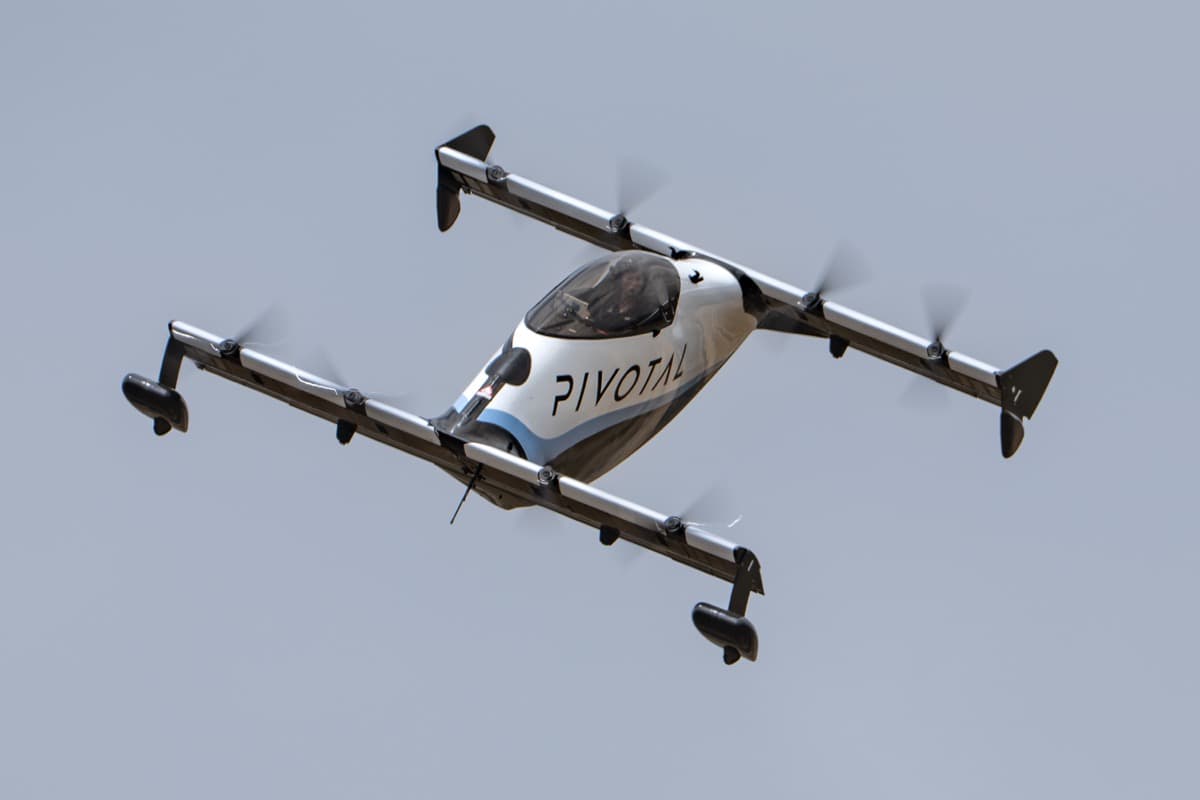
The 20th Annual Electric Aircraft Symposium (EAS), held at the University of Wisconsin-Oshkosh July 18-19 — the weekend before EAA AirVenture Oshkosh 2026 — broke records.
The two-day program featured a record 47 speakers and 12 moderators, and attracted nearly 200 in-person attendees — a 50% increase over last year — also a record.
More than 100 registrants ordered the EAS 2026 video recordings, which are still available to those who couldn’t attend, according to organizers.
“This year’s symposium highlighted a wide range of new aircraft designs and propulsion system developments, as well as important regulatory and infrastructure developments — some for the first time,” said Mike Hirschberg, co-producer of EAS 2026.
Every year, EAS highlights electric vertical, short, and conventional takeoff and landing (eVTOL, eSTOL and eCTOL) aircraft — collectively referred to as Advanced Air Mobility (AAM). As the world’s longest running AAM conference, EAS provides insights from executives representing most of the leading AAM companies, as well as developers of infrastructure, propulsion technologies, and regulations, organizers noted.
This year EAS offered 12 sessions encompassing a broad range of electric aircraft categories featuring battery-, hybrid- and hydrogen-electric propulsion approaches. Speakers represented seven countries and highlighted the world’s key AAM developments, according to organizers.
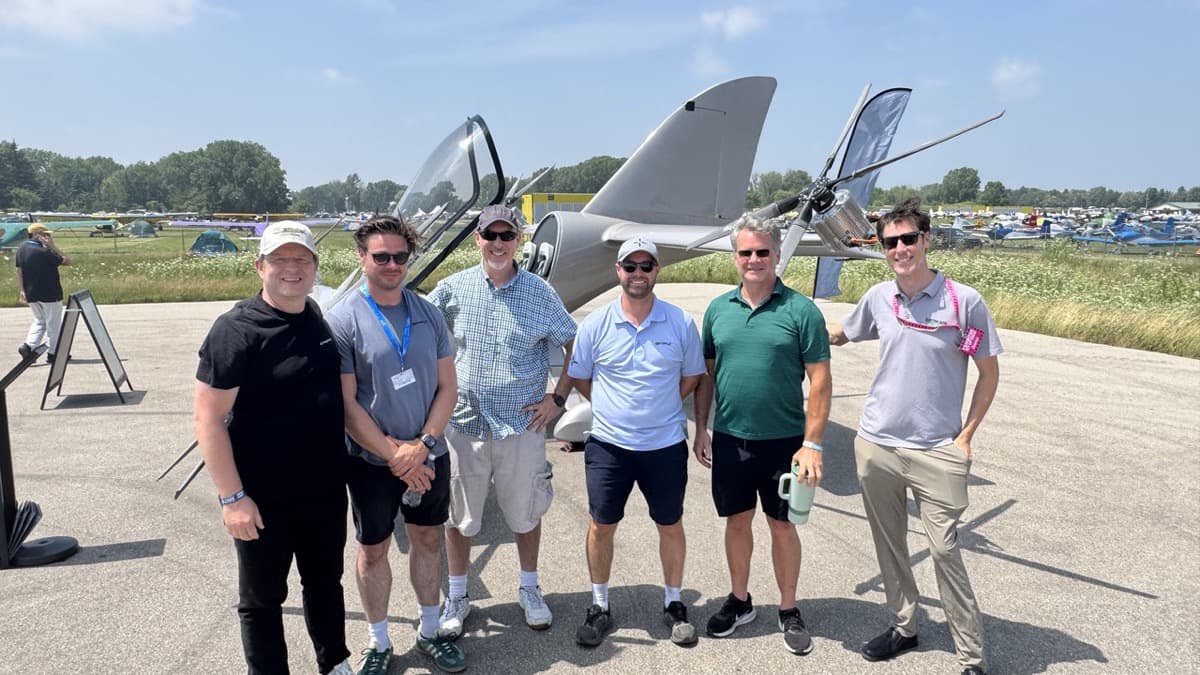
Presentations and panels included representatives from a leading helicopter manufacturer (Robinson), nine eVTOL aircraft developers (AIR EV, Eve Air Mobility, Horizon Aircraft, Joby Aviation, Jump Aero, Laminar Vector Technology, Pivotal Aero, Skyfly, and Wisk), six eCTOL and eSTOL aircraft developers (Alphafrog, Ampaire, AURA Aero, Bye Aerospace, Electra Aero, and EVIO Aircraft) and seven propulsion system companies (H2FLY, Hydroplane, magniX, Pratt & Whitney Canada, RED Aircraft, VerdeGo Aero, and Whisper Aero).
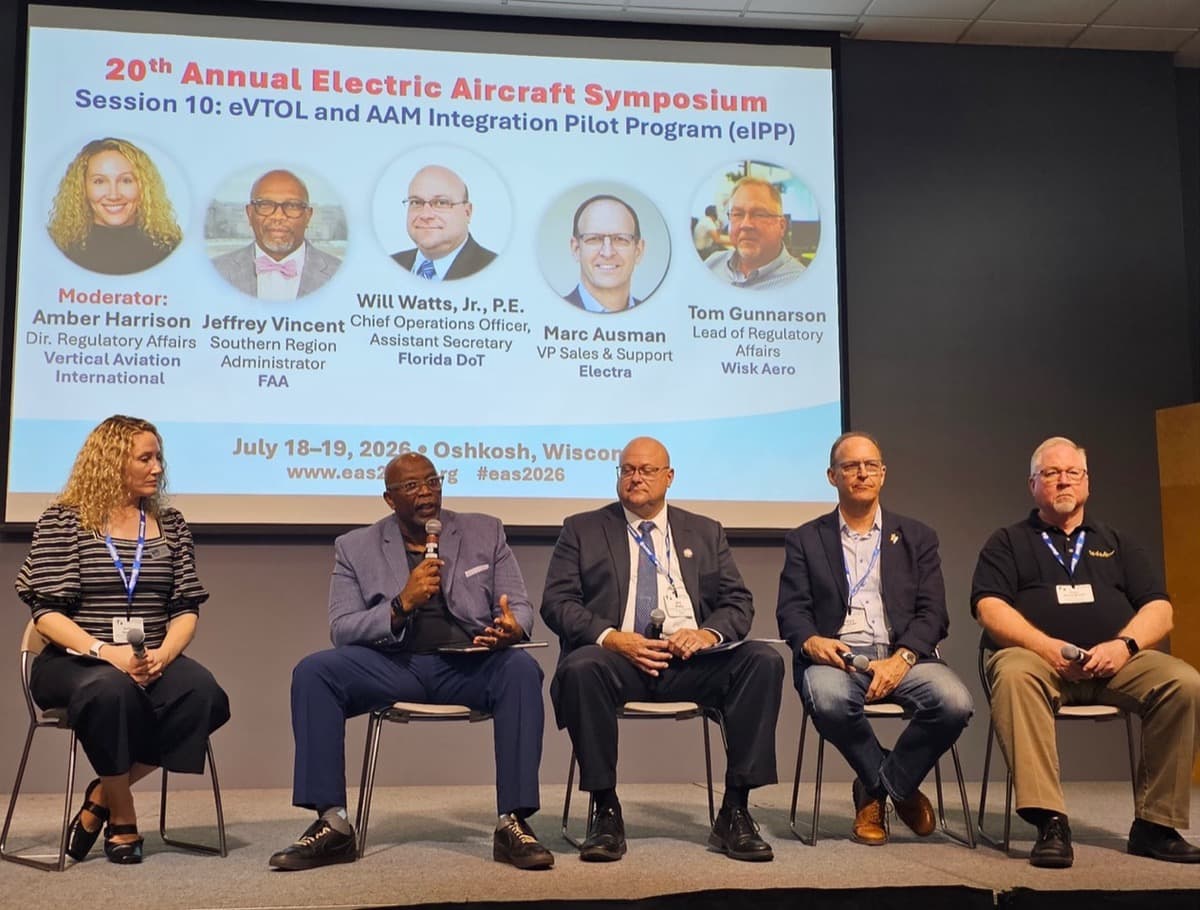
Jeffrey Vincent, the FAA Southern Region Administrator, and Will N. Watts, Jr., Chief Operations Officer for the Assistant Secretary of the Florida Department of Transportation, held a session on the FAA’s eVTOL and AAM Integration Pilot Program (eIPP).
NASA was also featured with a talk by Michael Vincent, NASA’s Open eVTOL deputy program manager.
A special session on the FAA’s new Light Sport Aircraft (LSA) Modernization of Special Airworthiness Certification (MOSAIC), which just took effect the week of EAS, was moderated by Scott Severen, President of the Light Aircraft Manufacturers Association (LAMA). Presentations and discussions included leaders from AIR EV, Skyfly, Laminar Vector, and Pivotal.
The session on hydrogen-electric propulsion was organized by the non-profit HySky Society and chaired by its CEO, Danielle McLean. It featured Dr. Anita Sengupta, CEO of Hydroplane; Dr. Josef Kallo, founder and CTO of H2FLY; and Dr. Nick Ingarra, a Senior Engineer at Munro Defense.
The final session provided a retrospective on the past 20 years of electric aviation developments and views on the coming decades. Long-time AAM industry participants Mike Hirschberg, Ken Swartz, and Will Tacke, as well as electric aviation pioneer Mark Moore, CEO of Whisper Aero, provided their perspectives.
EAS, first held in 2007, is the world’s longest running conference on electric aviation. Since 2017, the symposium has been held in conjunction with the EAA AirVenture Oshkosh. Over the course of 20 years, EAS has featured more than 600 talks by AAM leaders in industry, academia, and government agencies.
EAS 2027 will take place on July 24-25, 2027, the weekend before AirVenture, with plans for even more coverage of electric-powered aircraft, technologies, regulations, and more, according to organizers.
For more information: EAS2027.org
Leave a Reply