

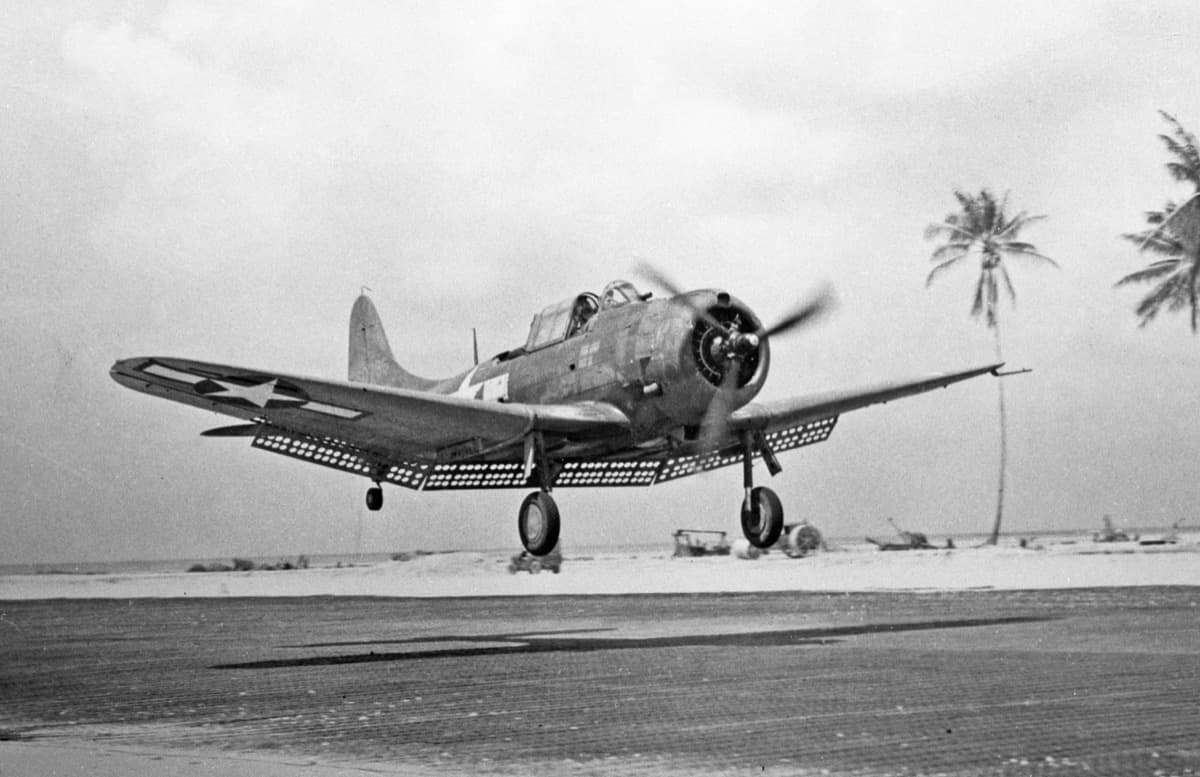
The U.S. Navy’s Douglas SBD Dauntless dive bomber was literally a war-winner. Its importance to the outcome of the Battle of Midway in June 1942 and the significance of that and other SBD actions in the ultimate denouement of World War II in the Pacific are accepted and honored.
The U.S. Army Air Forces bought a version of the SBD to which that service gave the alphanumeric designation A-24. Following Japanese attacks throughout the Pacific in December 1941, A-24 dive bombers were put into combat in early 1942, against targets in Java, New Guinea, and Bali. A-24 losses were high, and accomplishments slim in that early-war era.
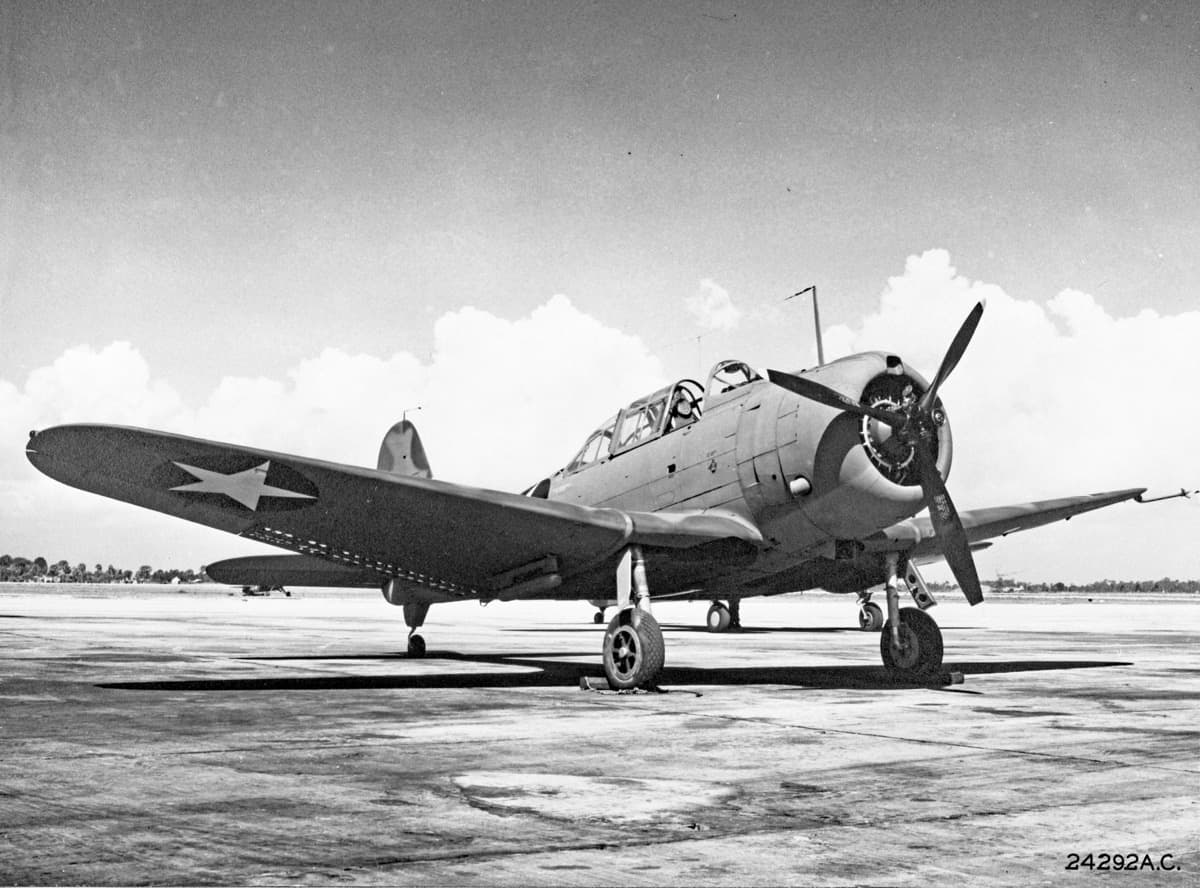
Some analysis indicated the Army A-24s fared poorly in part because they lacked the fighter cover and other friendly air support that Navy Dauntlesses enjoyed in classic aircraft carrier battle plans, and because the Army pilots had less training in their effective use. The A-24 was quickly sidelined and used largely for non-combat hack service and stateside training.
But the Douglas A-24 still had champions in the Army Air Forces who believed it could deliver results as good as those tallied by experienced Navy and Marine pilots.
Resources for prosecuting the war in the Pacific were finite. A-24s that could carry between 1,200 and 1,500 pounds of bombs were available as the U.S. contemplated taking Makin Island from the Japanese in 1943. Makin would provide an airstrip within striking distance of Marshall Islands targets like Mili, which the Americans wanted to incapacitate as part of the march toward Japan.
What resulted was a marriage of aircrews with A-24s in March 1943 that gave the men months to hone their skills far beyond those of their 1942 counterparts. They were the 531st Fighter Bomber Squadron. Training at Canton Island in the Pacific, away from combat, the two-man crews of the A-24s became adept with their aircraft as they came to appreciate the value of teamwork and camaraderie.
Bomb delivery skills grew better and better, and the pilots practiced navigation missions that would be vital to their success once they were expected to fly from one low-lying atoll to bomb another hundreds of miles over water. But months of repetitive training in an out-of-the-way location wore on the men and morale started to suffer.
A wartime account said the men of the 531st squadron considered themselves to be a bastard outfit, and they wore their self-perceived illegitimacy as a badge of honor. Arriving at their combat station on Makin Island in December 1943 with 26 A-24s, three-quarters of the men suffered from mosquito-borne dengue in their marshy camp site. From that muddled beginning, the only way to go was up.
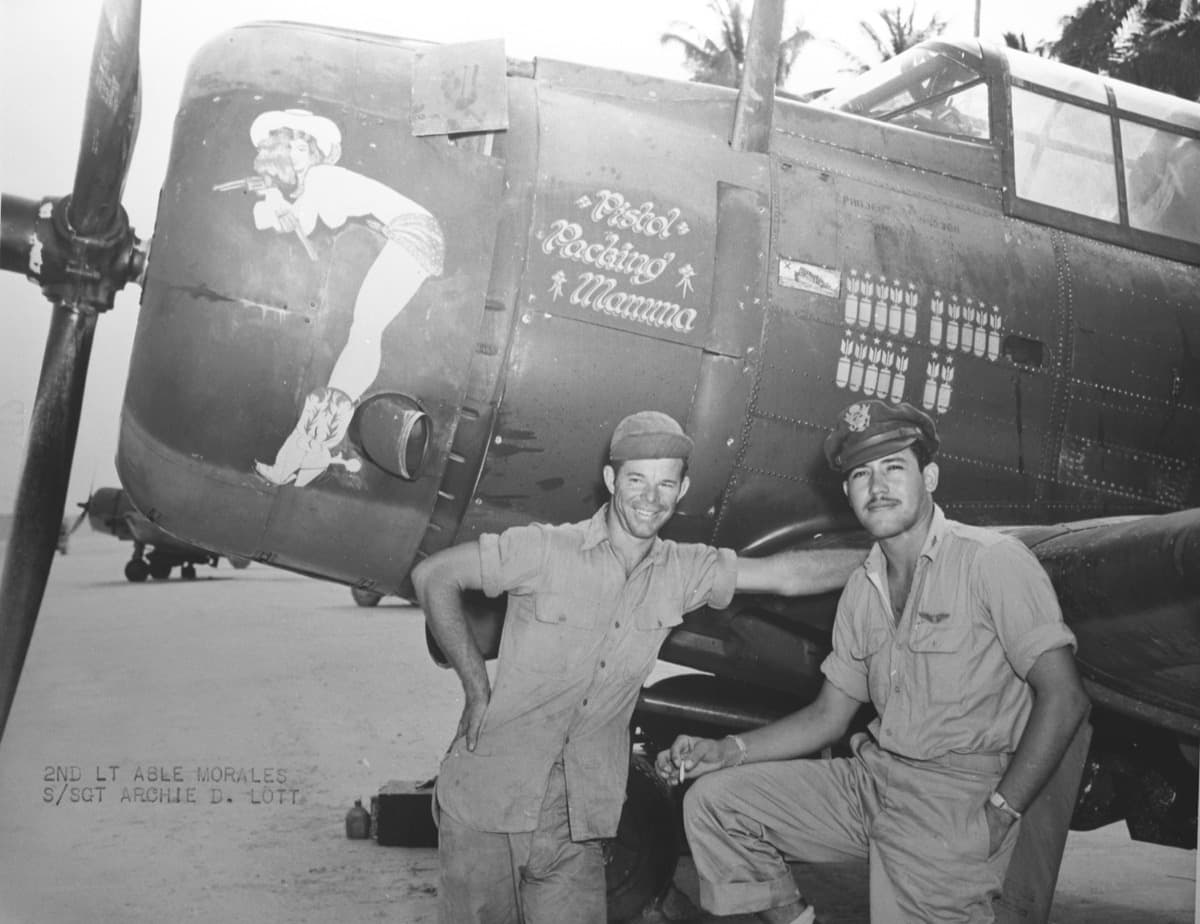
Unsure at first if their slow A-24s would survive enemy contact, the crews of the 531st quickly learned valuable survival lessons. In a screaming dive, the A-24 menaced the Japanese who sought shelter. On pullout from the dive, anti-aircraft fire could be a problem. Automatic weapons counted for more hits on the A-24s than larger flak guns.
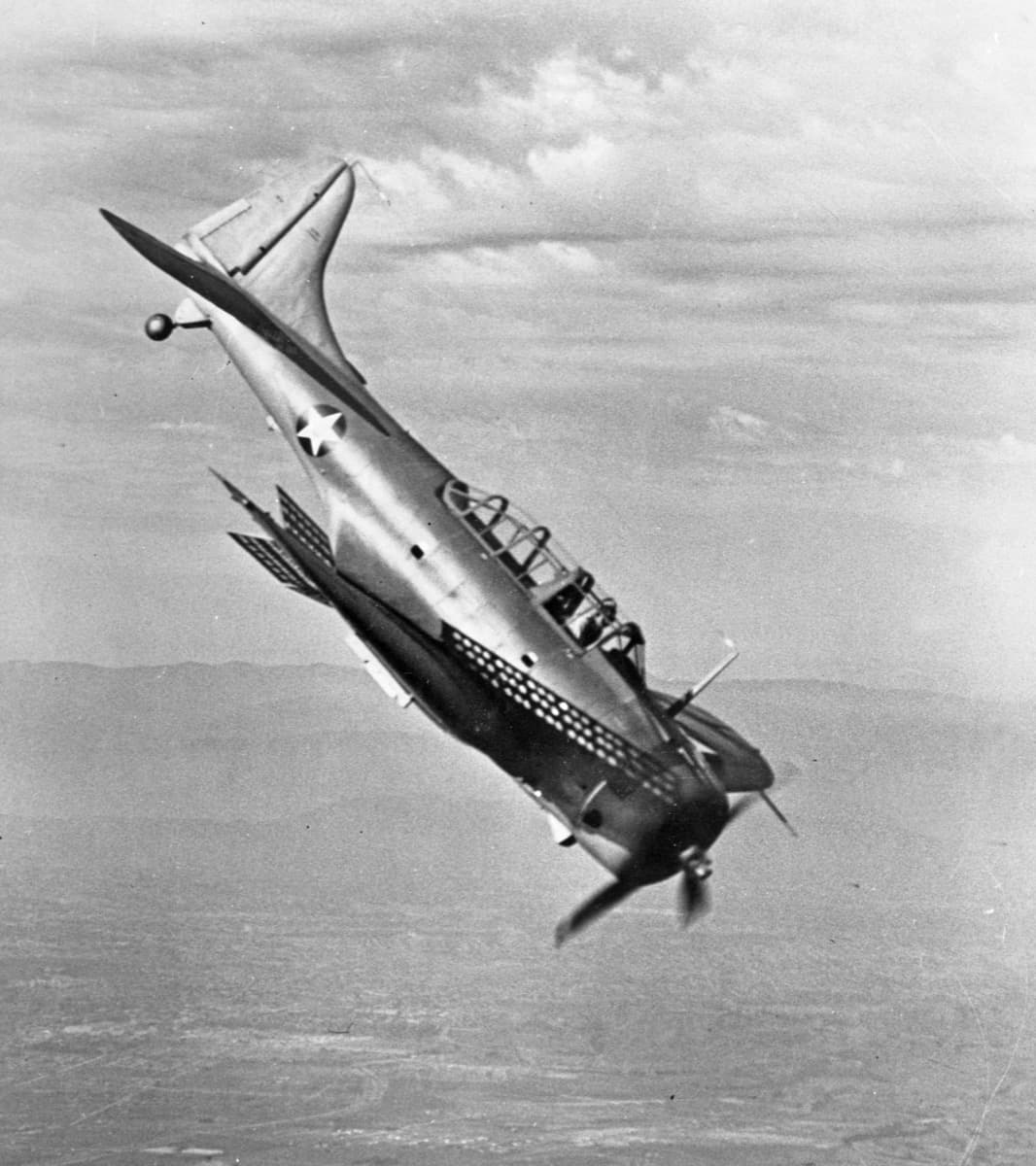
When Army Air Forces P-39s and P-40s or Navy F6Fs were available as escorts, these fighters provided strafing diversions that helped the A-24s do their job. The Seventh Air Force A-24 missions out of Makin Island finally realized the potential of the A-24 in the hands of well-trained crews, backed by helpful escort fighters. The A-24s on Makin could reach Mili and Jaluit atolls in the Marshall Islands.
Between December 1943 and March 1944, the A-24 crews mounted 32 bombing missions, amassing 553 sorties. On missions to Mili, 222 miles distant, their A-24As typically carried one 1,000-pound bomb on the centerline shackle plus a pair of 100-pound bombs, one under each wing. A-24Bs of the squadron could carry a higher weight, and typically lugged three 500-pound bombs to Mili. When striking targets in the Jaluit atoll complex, 303 statute miles away, the bomb load was reduced for all A-24s to a single 1,000-pound weapon.
With these loads substantially lighter than what Seventh Air Force B-24 Liberator heavy bombers could carry to the same target, the ambitious bombing schedule kept by the A-24s still resulted in one-third of the bomb tonnage delivered to Mili. The A-24s of the 531st dropped 322 tons of bombs throughout their combat service, scoring better than 90% as hits in the assigned target area. Targets included airfields, oil storage, and a radar facility.
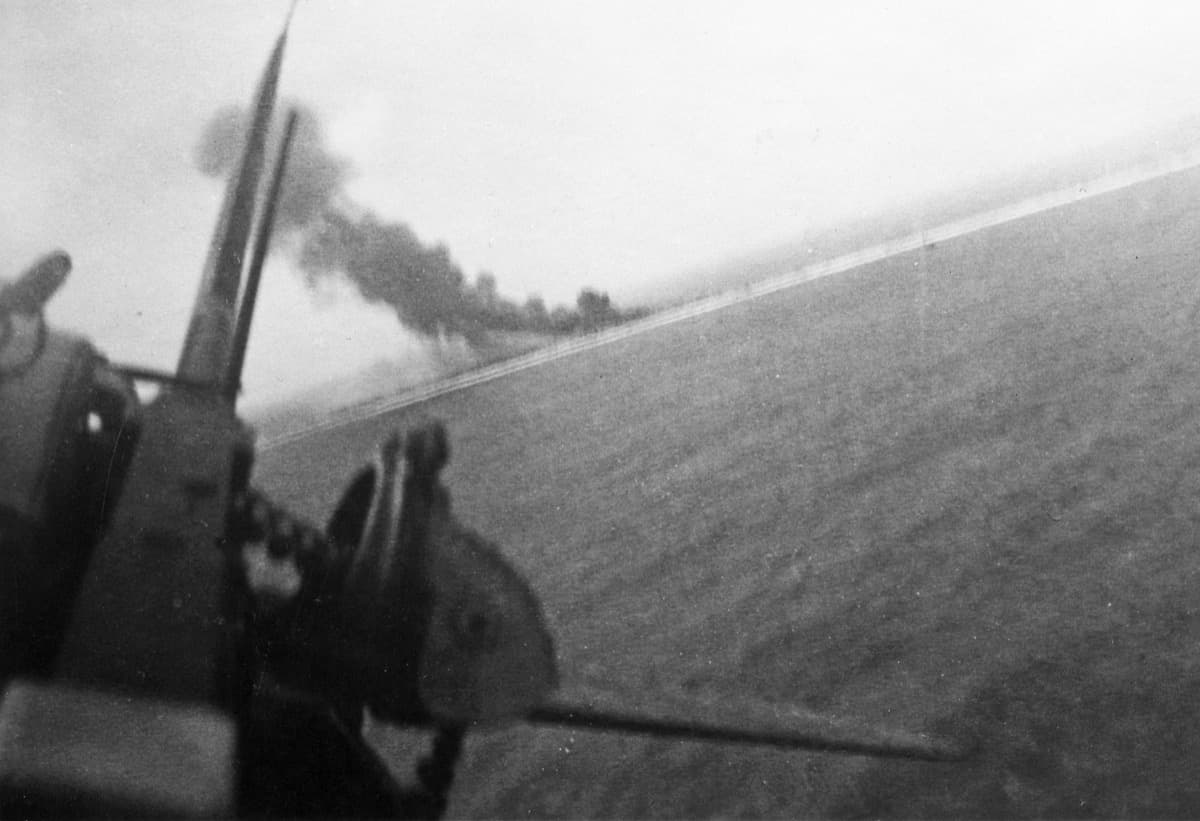
Eight of the A-24s were lost in combat. The squadron counted five airmen killed, 15 wounded, and nine missing in action. There was no pipeline for replacements of either men or aircraft.
The last A-24 mission was flown March 10, 1944.
If the A-24 operations out of Makin Island were but a brief note in the calendar of combat, the doughty fliers and their aging dive bombers burnished the reputation of the Douglas warplane in the hands of well-trained aircrews. The men came to trust their A-24s. The roaring Wright R-1820 Cyclone engines proved reliable, and no planes were lost on a combat mission due to engine failure. It was a fitting finale for A-24s in combat service with the Army Air Forces.
There’s a debate among historians and enthusiasts about the A-24 that still smolders. A wartime Douglas Aircraft postcard of the A-24 proudly calls the airplane the “A-24 Banshee” instead of invoking the Navy’s name, Dauntless, for the aircraft.
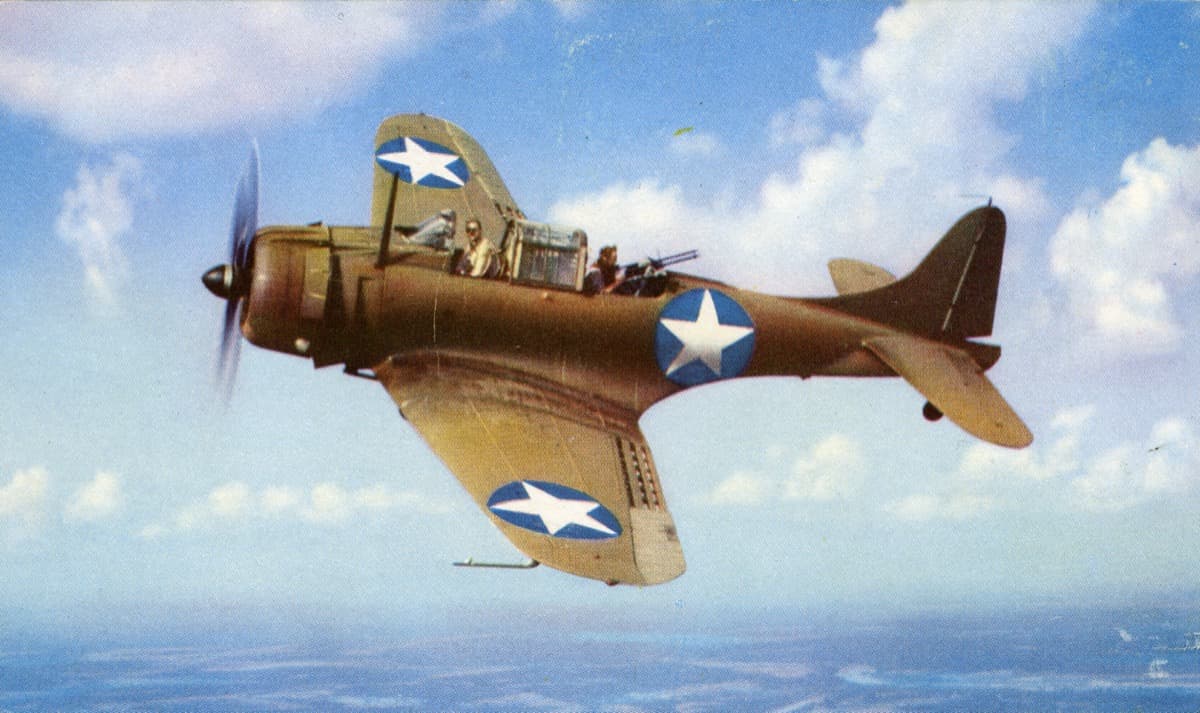
But a 1951 U.S. Air Force Air University Historical Division paper on the A-24 pointedly states: “The A-24 fighter-bomber, the Army Air Forces’ equivalent of the Navy SBD dive-bomber, was popularly known as the ‘Dauntless’ (not as the ‘Banshee’).”
Given the sterling record of the Makin Island A-24s, perhaps it is fair to call the aircraft a dauntless Banshee.

Leave a Reply