

Autopilots can be one of the most valuable tools in the cockpit, reducing workload and helping pilots fly more precisely — but only if the pilot understands what the autopilot is doing and why.
That’s the focus of “Garmin GFC Autopilots: Next Level,” a new online course from PilotWorkshops designed to help pilots move beyond memorizing buttons and modes to truly understanding their autopilot, according to company officials.
The course uses a series of progressively complex flights to teach the foundational principles, best practices, and practical workflows needed to use the Garmin GFC autopilot effectively. Along the way, pilots will discover common misconceptions, subtle nuances, and potential traps that can catch even experienced pilots, company officials added.
“An autopilot should reduce your workload, not become another task you have to manage,” says Ryan Koch, PilotWorkshops course developer and instrument flight instructor. “The goal of this course is to help pilots understand how the autopilot thinks so they can anticipate what it’s going to do, recognize when something isn’t right, and use the automation as a true partner in the cockpit.”
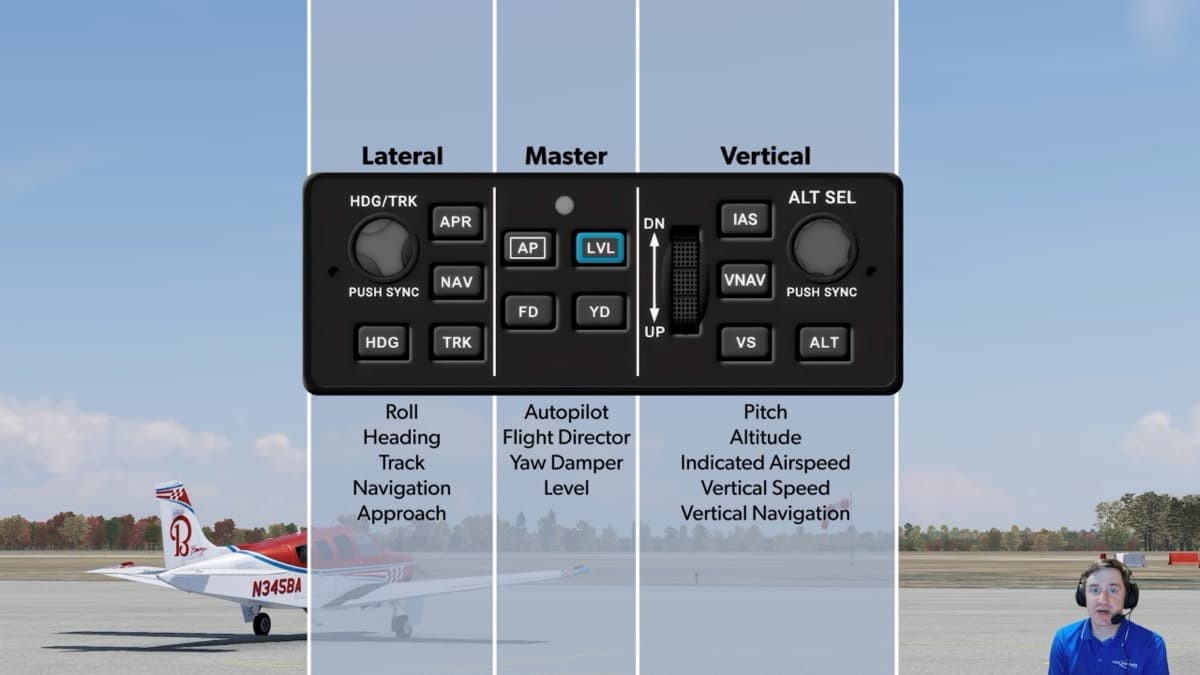
The course starts with the fundamentals, including how the autopilot and flight director work together, how to select and monitor modes, when to use the flight director without the autopilot, and how to develop habits that keep pilots engaged with the automation.
From there, Garmin GFC Autopilots: Next Level tackles increasingly complex real-world scenarios, including:
- Takeoffs into IMC: Using the flight director and autopilot effectively during the transition from takeoff to instrument flight
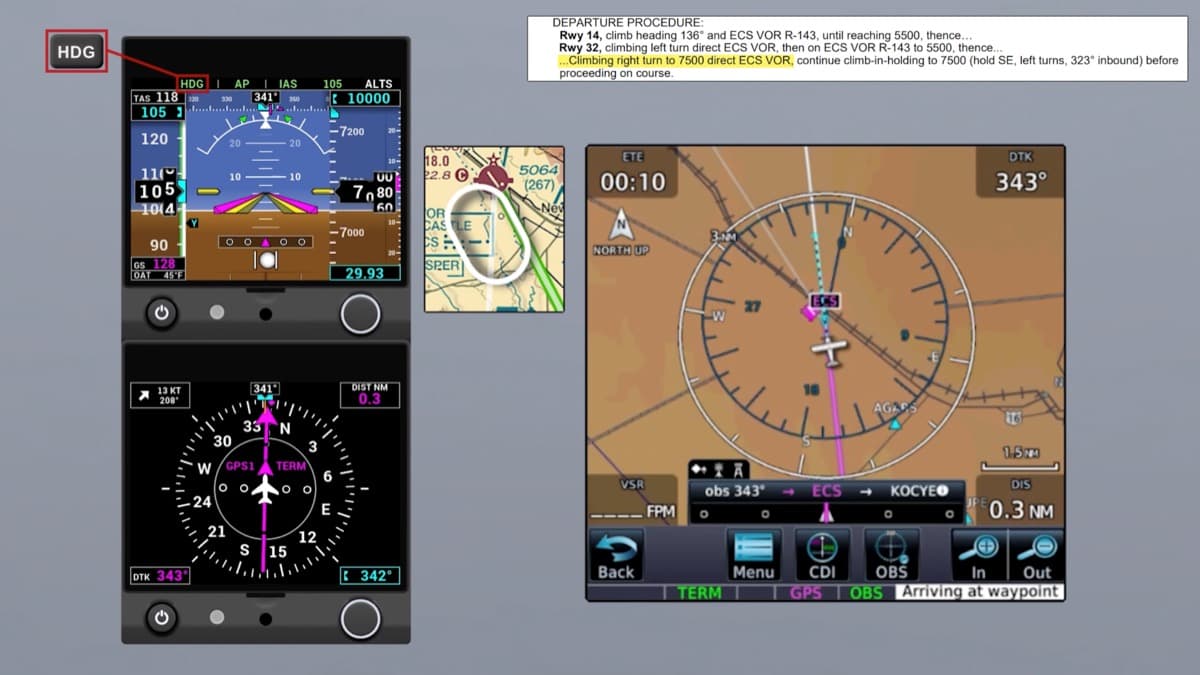
- Departures and SIDs: Understanding heading-mode behavior, anticipating turns, and safely navigating complex departures
- Approaches and missed approaches: Managing APR mode, vertical guidance, altitude selections, and the different techniques required when the autopilot flies the missed approach
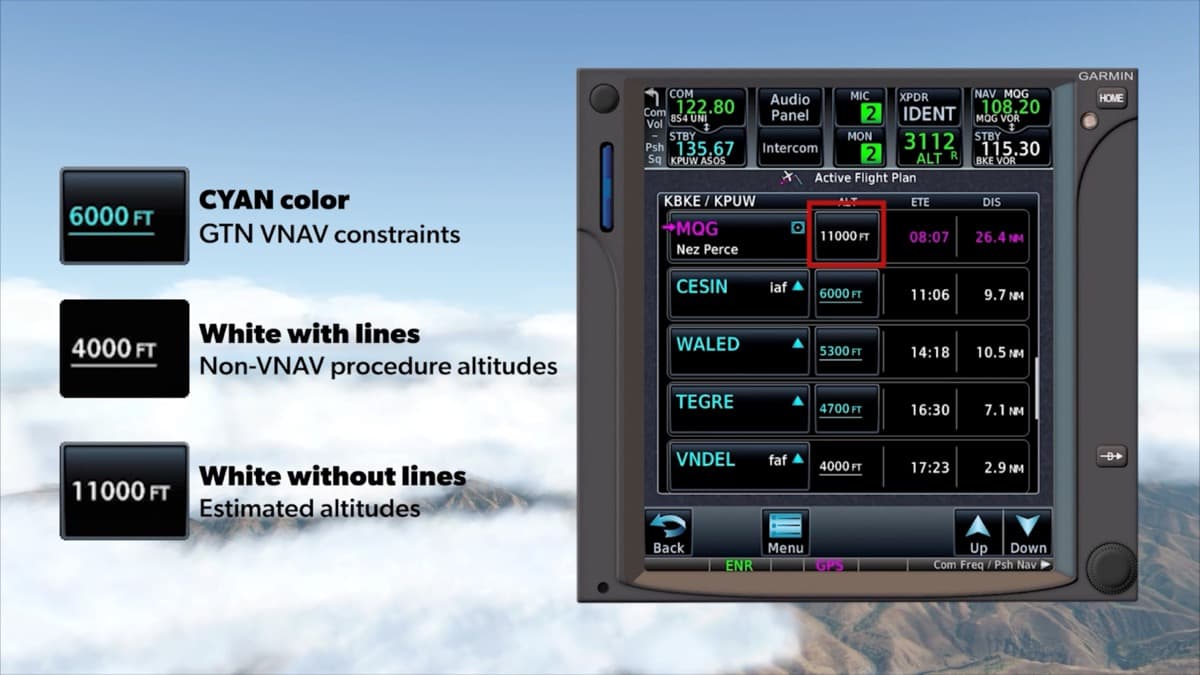
- VNAV: Using vertical navigation to make continuous descents easier while understanding the difference between advisory altitudes and actual VNAV constraints
- Textual departures and holds: Combining OBS, HDG, and NAV modes to safely manage procedures that don’t have a fully graphical presentation
- Step-down approaches: Using the selected altitude, pitch wheel, and other autopilot cues to stay ahead of non-precision approach requirements
- Non-RNAV approaches: Applying Garmin autopilot techniques to VOR approaches and other procedures where GPS-based navigation isn’t available.
The course is available at a special introductory price of $99.
For more information: Sportys.com
Leave a Reply