

By MICHAEL WURSTER
I still remember hearing those words through my headset during flight training in Whangarei, New Zealand: “Ease, Mike.”
We were practicing steep turns, and what I didn’t realize back then was that the more I tried to fly them perfectly, the less natural everything became.
At the time, I was trying hard to become a better pilot. I prepared thoroughly, listened carefully, and wanted every flight to go well. Like many pilots, I believed that if something wasn’t working, the answer was simple: Do more, try harder.
My instructor saw something I couldn’t.
The more effort I applied, the more tension I brought into the cockpit. My grip tightened. My movements became less fluid. Instead of helping, some of that extra effort was getting in the way of my performance.
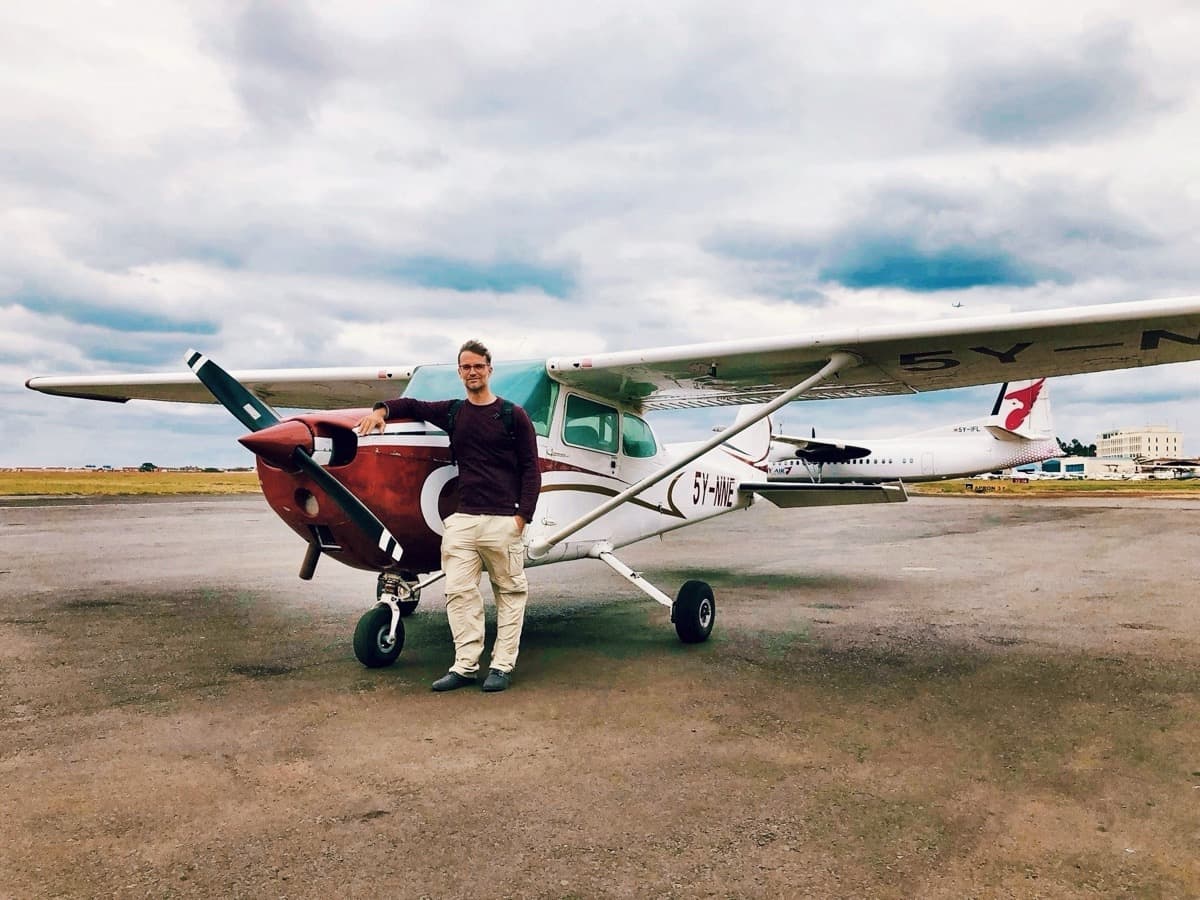
“Ease, Mike” was a simple instruction, but it carried an important lesson: What we do well with the right amount of effort can often be ruined by too much effort.
Most pilots have experienced some version of this. It might happen during a flight test, an instrument proficiency check, a simulator assessment, or an unexpected situation in flight. Suddenly, a pilot who performed well in training struggles with tasks they have successfully completed many times before.
The common assumption is that more practice is needed.
Sometimes that is true, but in my experience working with pilots, lack of skill is rarely the issue. More often, pilots temporarily lose access to abilities, knowledge, and judgment they already possess. What fascinates me is not only that this happens, but why and how it happens.
Why does a pilot who can perform a task repeatedly during training suddenly struggle when the stakes feel higher?
For one pilot, the trigger might be the presence of an examiner. For another, it may be the fear of making a mistake during a check ride. Someone else may become so focused on a single task that their scan narrows, causing them to miss important information and lose awareness of the overall situation.
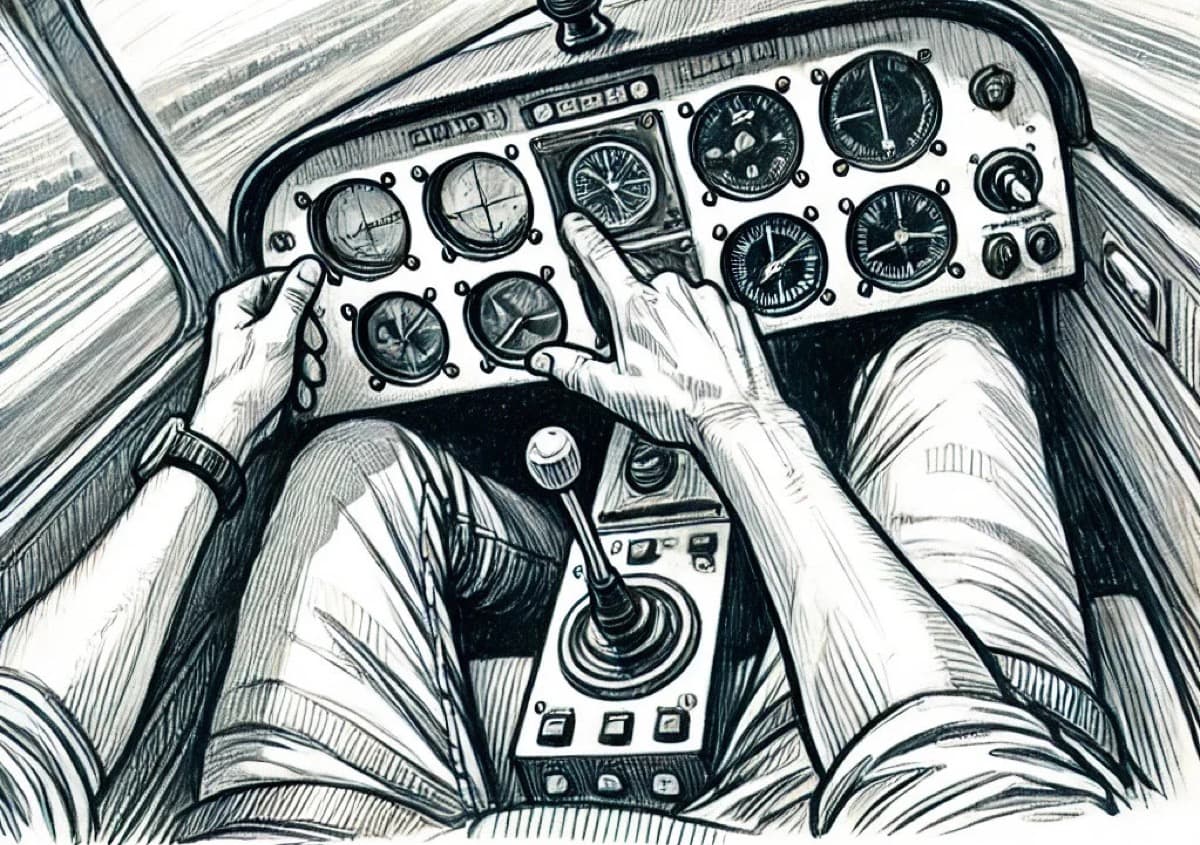
Two pilots can display very similar performance problems while the underlying causes are completely different.
It is important to understand that the things we often blame for a sudden drop in performance — the examiner, the check ride, or an emergency — are not the whole story.
Typically, the challenge lies in what happens inside us in response to those situations.
A pilot who thinks, “This is my opportunity to demonstrate what I can do,” will usually experience a check ride very differently from a pilot who thinks, “The examiner is only looking for a reason to fail me.”
The aircraft has not changed. The examiner has not changed. Yet the pilot’s experience of the situation can be completely different and this can influence the outcome dramatically.
Since our minds offer countless ways to get in our own way, generic advice such as “just relax” is usually well intended, but rarely sufficient. A pilot preparing for a practical test does not need the same mental state as someone relaxing on a beach.
Flying requires activation, focus, engagement, and energy. The goal is not to be as relaxed as possible. The goal is to find the level of activation that allows access to your best performance. Too much tension can interfere with performance, but so can too little activation. The challenge is to find the optimal activation for the task at hand — what sport psychologists often call the ideal performance state, where we are alert, engaged, and able to use the skills we already possess.
In aviation, we invest considerable effort in developing competence. We learn procedures, practice maneuvers, study systems, and build experience. Yet competence alone is not enough. We must also be able to access it when it matters most.
One student pilot I worked with performed consistently well throughout training. His instructor considered him ready for the practical test. Yet during the flight test he experienced what he later described as a mental blackout. Knowledge and skills he had demonstrated repeatedly seemed to disappear at exactly the moment he wanted access to them most.
Experienced pilots are not immune either. Similar patterns appear during recurrent simulator checks and other high-stakes evaluations. The environment changes, the perceived consequences increase, and performance can suddenly differ from what the pilot is capable of delivering on an ordinary flying day.
The same principle applies during real emergencies. The necessary skills may have been learned and demonstrated many times during training, but the crucial question remains: Can we still access those skills when surprise, uncertainty, and workload increase suddenly and simultaneously?
Realistic training is important because it helps us practice not only the skill itself, but also accessing that skill under pressure.
One reason I value Emergency Maneuver Training (EMT) so highly is that it highlights the distinction between capability and access to capability. Technical skills matter enormously. EMT also reveals that possessing a skill and being able to access it under pressure are not always the same thing.
EMT allows pilots to experience not only what they are capable of, but also how reliably they can access those capabilities when conditions become demanding. For me, that is one of the most valuable lessons EMT has to offer.
The good news is that the ability to access our best performance can also be trained, just like any other aviation skill.
Mental rehearsal is one of the simplest tools available. Sitting in a chair and mentally flying a procedure may seem surprisingly basic, yet it helps many pilots build familiarity, confidence, and mental readiness before entering the aircraft. It can also reduce unnecessary repetition in the air, saving both time and money while improving confidence and preparedness.
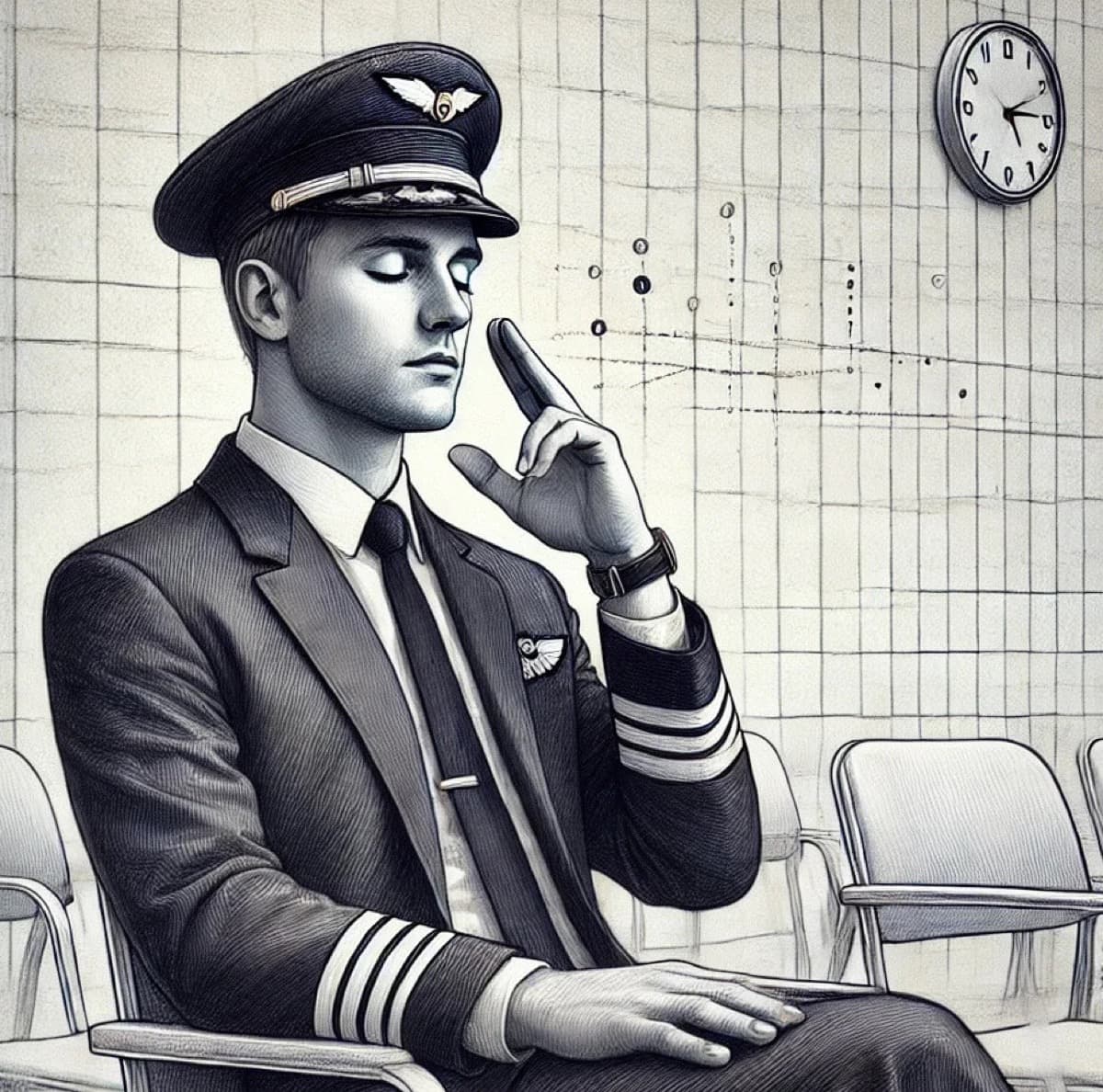
Another helpful approach is to prepare responses rather than focus on outcomes. Pilots often spend valuable energy thinking about what might happen if things go wrong. A more productive question is: “If that situation occurs, how will I respond?”
Importantly, that question is best explored before the flight, not during it.
Awareness is equally important. Every pilot has personal signs that indicate they are drifting away from their ideal performance state. Some become tense. Others rush. Some become overly emotional. Others become self-critical.
Recognizing those patterns early creates an opportunity to make adjustments before performance begins to suffer.
Awareness of what is happening inside us is the first step from automatic reaction to conscious choice, and conscious choice is where improvement becomes possible.
Finally, mistakes are valuable sources of information. A constructive debrief is not about self-criticism. It is about understanding what happened and using that information to improve future performance.
I often encourage pilots to take a Sherlock Holmes approach.
Instead of asking, “What is wrong with me?” Ask “What happened immediately before this mistake occurred? What was I focusing on? What was I telling myself? What changed?”
Those answers often provide valuable clues about what led to the mistake and how to prevent it in the future.
The safest pilots are not necessarily those who know the most. They are often pilots who can reliably access their skills and knowledge, and exercise sound judgment, whether they are flying alone on a calm afternoon, responding to an emergency, or performing while someone important is watching.
“Ease, Mike.” Years later, I still hear those words. They remind me that flying well is often not about trying harder. Often it is about trusting the preparation, staying present, and remaining connected to the competence that is already there. That lesson began in a little Piper Tomahawk over Whangarei, New Zealand.
I have found it useful ever since.
Michael Wurster is a pilot, international trainer, author, and founder of Coaching-Pilot.com. He works with pilots worldwide on topics such as check rides, command upgrades, simulator assessments, confidence after setbacks, and performing under pressure. His particular interest is helping pilots understand what went wrong when performance suddenly changes — and how to adjust the mental autopilot behind it. Drawing on experience from aviation, human performance, and mental training, he helps pilots maintain access to their skills and judgement when it matters most. He regularly writes and speaks about the human side of aviation performance and safety.
Leave a Reply