


A data analysis of 94,000 NTSB accident records and NASA reports reveals a controller workforce in crisis.
Hartzell Propeller Expands Top Prop Program

The company has added more than 150 propeller models to the program.
Adventure Pilot Launches iFly EFB Version 14 with Satellite Imagery
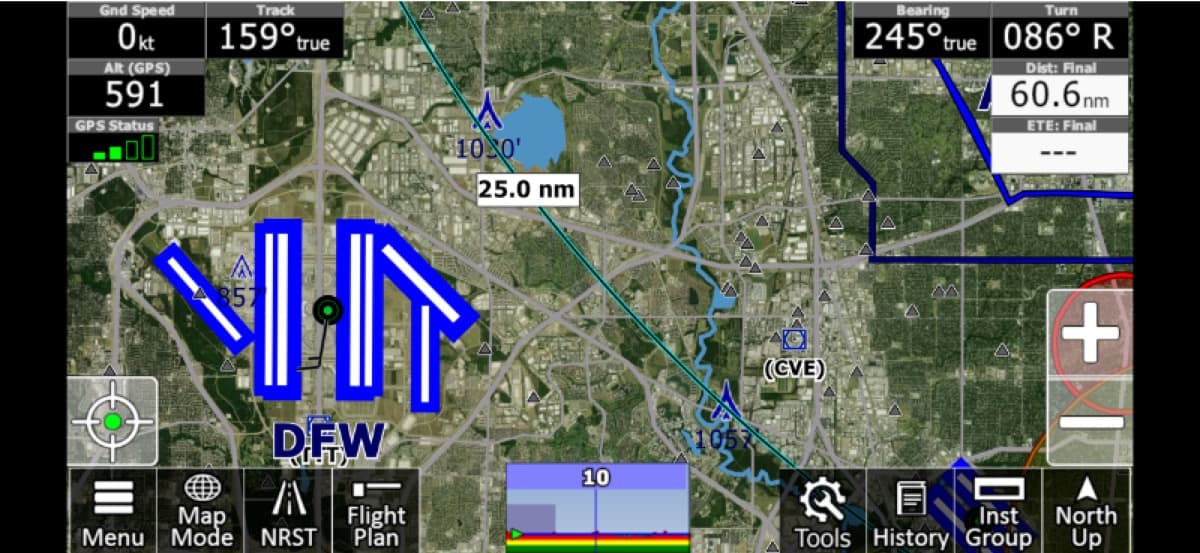
The most notable addition in the latest release is the new Satellite Imagery map layer, which offers pilots a real-world view of terrain and ground features. High-resolution imagery can be toggled as a map layer during planning or route reviews, providing a different perspective than traditional charts, company officials explain.
Takeoff with Quartering Tailwind Goes Awry
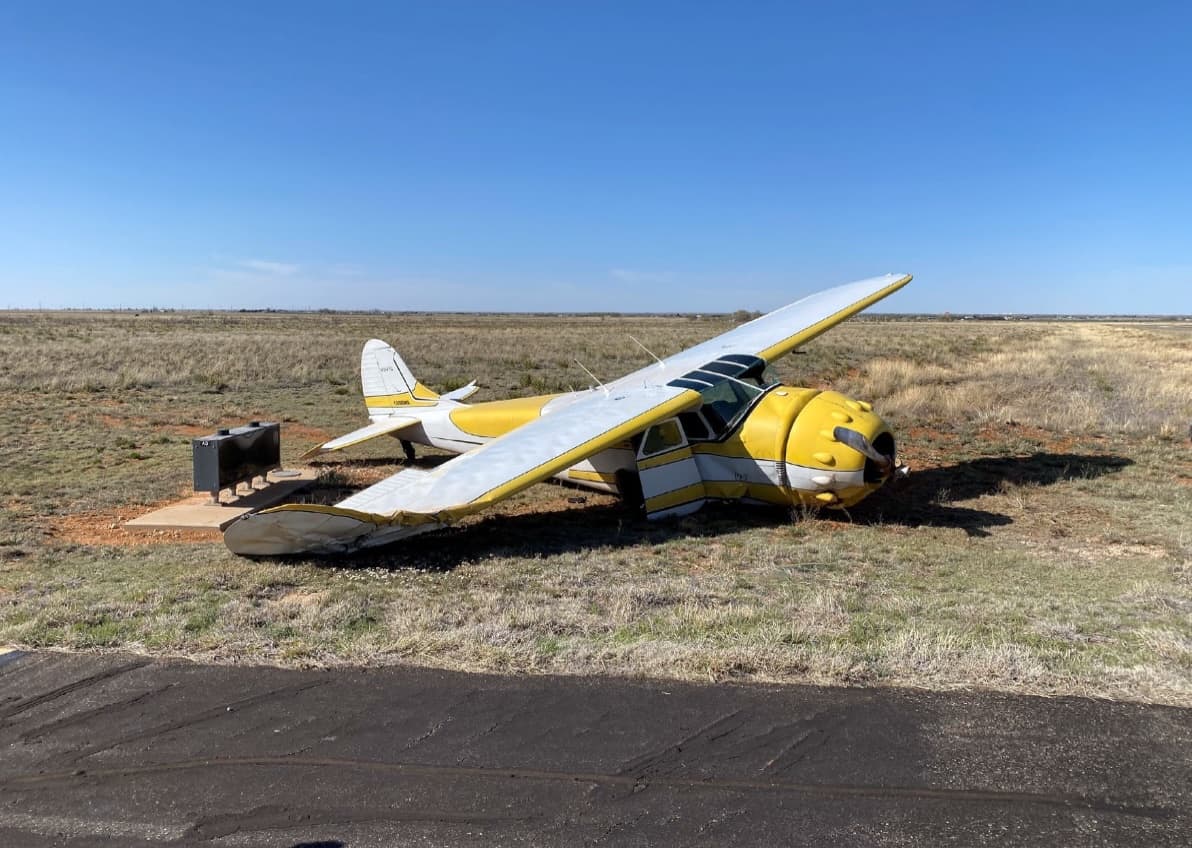
Probable Cause: The pilot’s decision to take off with a quartering tailwind and his subsequent failure to maintain directional control. Contributing to the accident was the pilot’s improper elevator control inputs during takeoff.
Picture of the Day: Chesapeake Bay

Kevin Douthitt submitted this photo and note: “A Chesapeake sunset.”
Air Tractor Acquires Thrush Aircraft

Air Tractor combines Leland Snow’s original companies under one roof.
National STOL Competition Expands
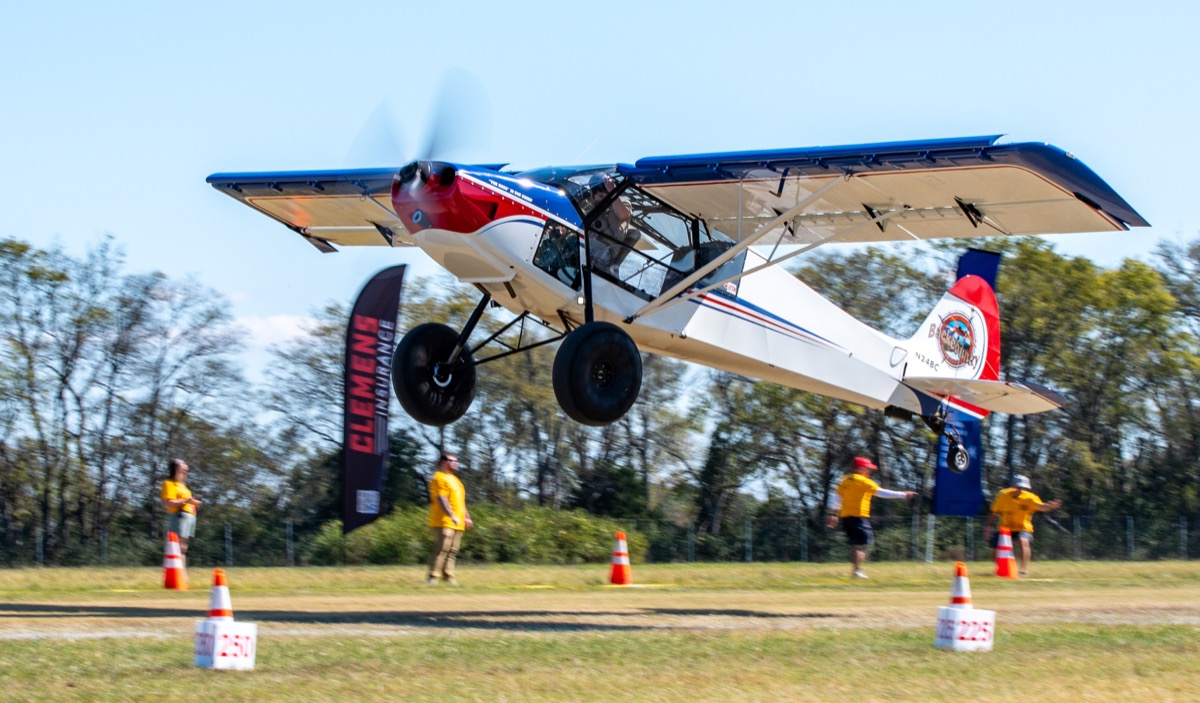
The competition will include eight events in 2026, with a new stop in Creswell, Oregon.
Portable Oxygen System Debuts
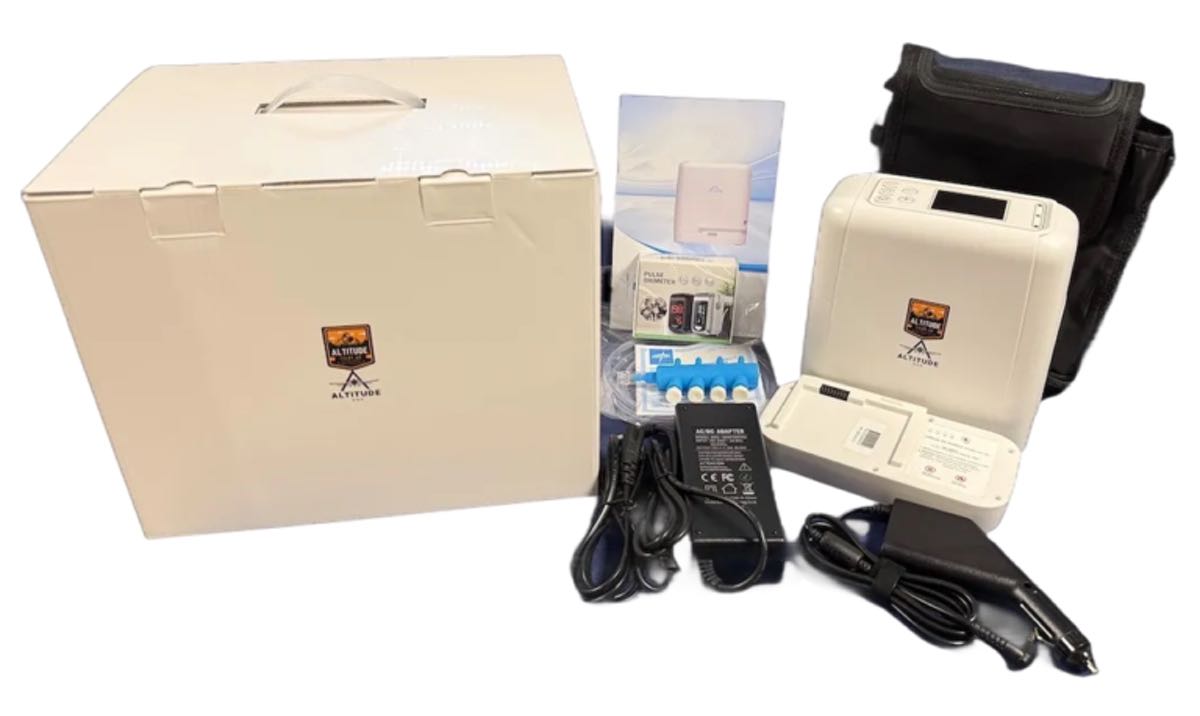
Engineered for the cockpit, the Altitude One delivers constant-flow oxygen for up to four seats, addressing a long-standing gap between lightweight portability and multi-passenger capability, according to company officials.
CFI Takes Control During Landing, Then Loses Control
Probable Cause: The flight instructor’s failure to maintain adequate airspeed during landing which resulted in a loss of directional control and runway excursion. Contributing to the accident was the pilot receiving instructions failure to maintain runway alignment.