


One of the battles in the “cola wars” involved painting a Concorde supersonic transport in Pepsi colors.
Of Wings & Things
75 years of the T-28

Three-quarters of a century ago, in September 1949, the North American Aviation XT-28 chugged into the sky, launching a production run of nearly 1,950 of the big single-engine, tricycle-gear trainers that became air show favorites after their military careers were over.
Eberhart: Somebody else’s airplanes

Formed in 1918 to make airplane parts, Eberhart gained a U.S. Army Air Service contract to rebuild British S.E. 5A biplane fighters and French SPAD S.XIII biplanes.
Plane Panels Part Two

Here’s another installment in “Can you pick a panel for a plane?” in which our Of Wings & Things columnist pairs some grand old Air Force cockpit photos with examples of the aircraft depicted, including the exotic German Messerschmitt Me 262 jet fighter.
Notes from an unknown veteran
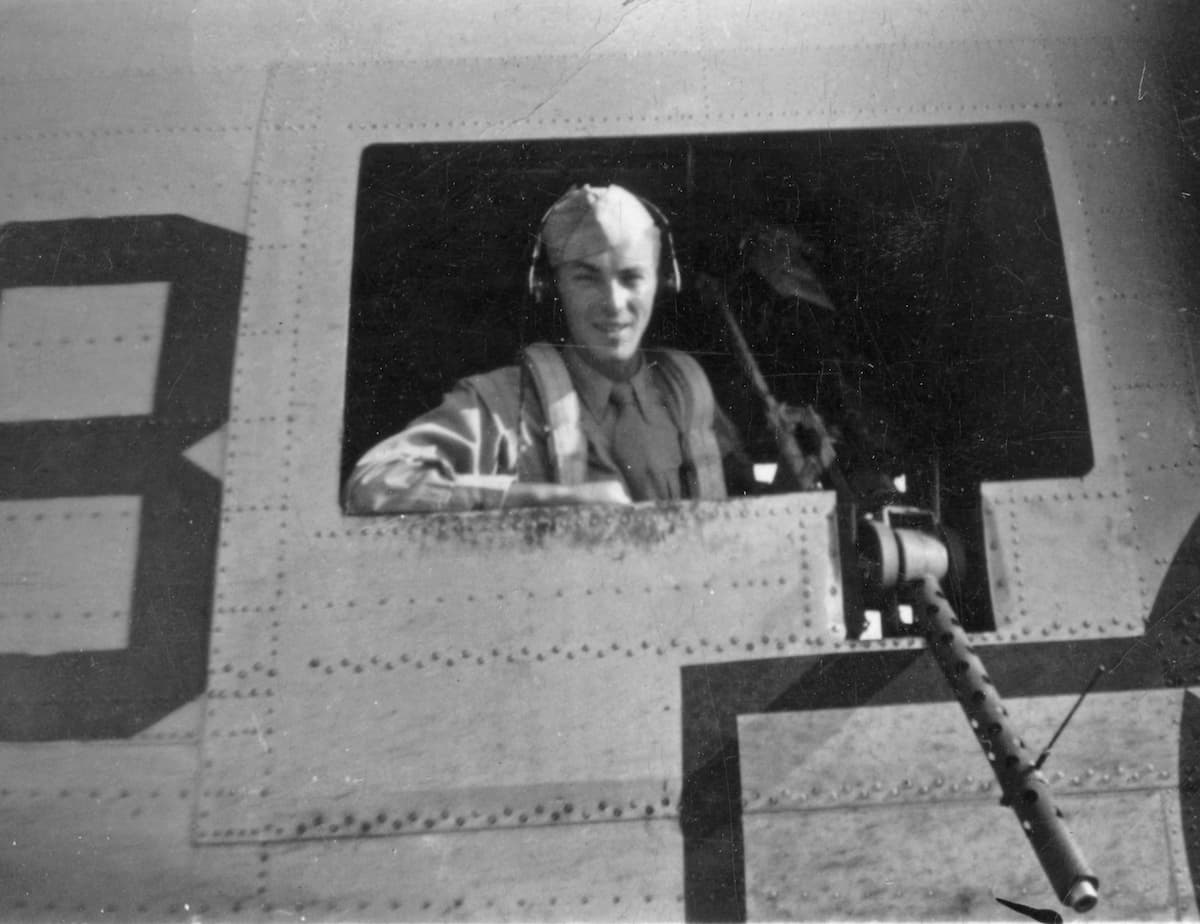
I look at these snapshots from World War II and I wonder how their owner’s life went in peacetime. Did he pass me on the street, unseen, unrecognized? Did he ever get thanks for his efforts in the war?
Can you pick a panel for a plane?

Can you look at an instrument panel and tell what airplane it belongs to?
Navy’s factory went small with the SA-1

Designed and manufactured at the Naval Aircraft Factory, the SA-1 was diminutive, simple, and open air, with small wheels complementing wooden landing skids.
Without a shadow of a doubt

From movie magic to high speed reconnaissance to a casual biplane hop, sometimes the best photo of the day isn’t of an airplane, but rather of its sun-blocking presence in shadow.
Ogden Osprey couldn’t outclimb the Depression
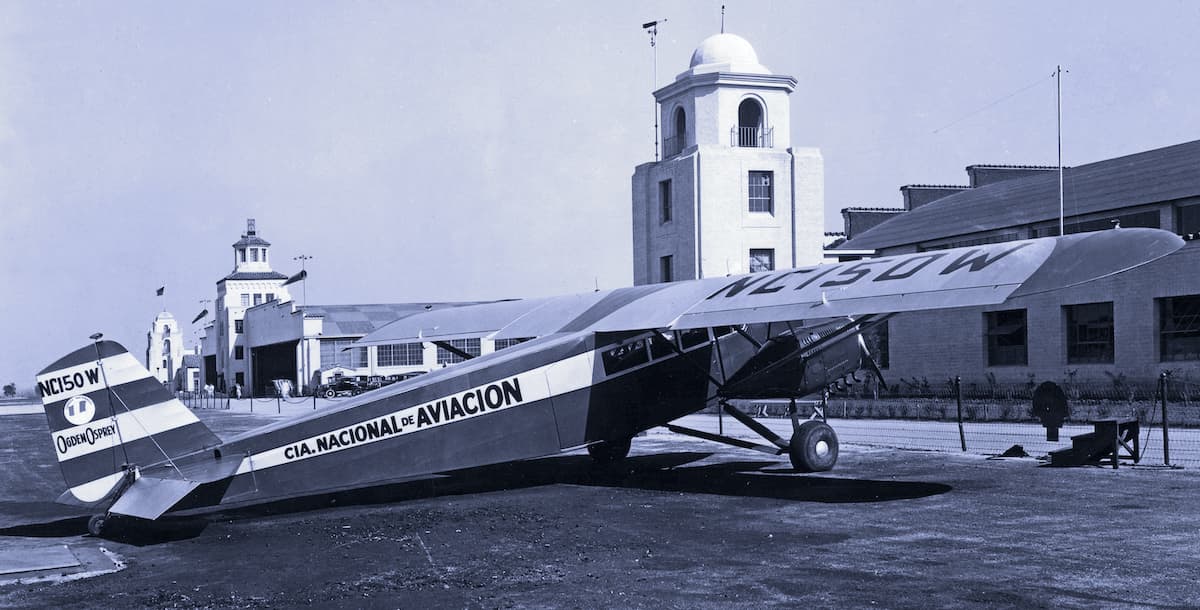
The Ogden Osprey sought a niche as a small six-place trimotor suitable as a business aircraft, a feeder, or air taxi vehicle. The 1929 stock market crash was a death knell for the new design.