

It’s a bird. It’s a plane. It’s a potentially deadly combination. A Purdue University study of 10 Indiana GA airports found that animals can gain easy access to runways and infield areas, increasing the likelihood of planes striking those animals.
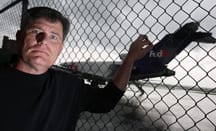 Animal strikes received national attention in January. Commercial pilot and Purdue alumnus Charles “Sully” Sullenberger was forced to land in the Hudson River after his plane hit a flock of Canada geese.
The study by Gene Rhodes, a professor of forestry and natural resources, documented that animals found ways through damaged fences or unfenced areas onto airport properties. Spotting deer, coyote and other animals in dangerous places was common.
“Just about every pilot we talked to at these airports said that during a landing they’ve had to pull up to avoid hitting an animal on the runway,” Rhodes said.””With the size of planes using these airports, hitting a rabbit could flip a plane.”
While Rhodes’ study looked only at Indiana airports, he said there are thousands of airports all over the country that don’t have the budgets to adequately fence their properties, endangering countless flights each year.
In the study, only four of the Indiana airports had fences around the entire perimeter, and even those had maintenance problems, such as holes dug under fences, access through culverts and holes in fences that allowed animals onto the properties.
Despite the desire to keep animals away, Rhodes said airports often are a magnet for wildlife. Airports are required to own property around runways that is often rented to farmers. While that increases airports’ meager budgets, those crops can attract animals looking for food.
“What you have planted affects what type of animals will be there,” Rhodes said. “Even if you have certain grasses, you have small mammals that eat those, and those attract red-tailed hawks. A red-tailed hawk can bring down a small plane as fast as anything.”
Previous studies cited in Rhodes’ paper have shown that wildlife strikes cost more than a half a billion dollars each year and have been responsible for more than 350 deaths in the last century. Travis DeVault, who co-authored the paper as Rhodes’ postdoctoral researcher and is now a field station and project leader with the U.S. Department of Agriculture’s Wildlife Services, said wildlife strikes have become more common in recent years.
“Many of the most hazardous species are increasing in population size. For example, about two-thirds of the largest bird species have shown population increases during the past 30 years,” DeVault said. “Also, air traffic continues to increase. More birds in combination with more flights leads to more bird strikes.”
DeVault added that new technology means planes are quieter today, giving birds less time to detect and avoid being struck.
Rhodes’ study suggests enclosing 100% of airport perimeters with partially buried fencing, which keeps animals from tunneling underneath. Frequent maintenance also is key because many of the animals observed during the study entered the airports through damaged fences.
“If airports can use this study to show their needs, it can allow them to go after federal grants they need to make improvements,” Rhodes said.
The Joint Transportation Research Program of the Indiana Department of Transportation and the Aviation Association of Indiana funded the research. Rhodes said the next step is to determine viable economic uses that also will deter wildlife from the land around airports.
For more information: www.purdue.edu
