

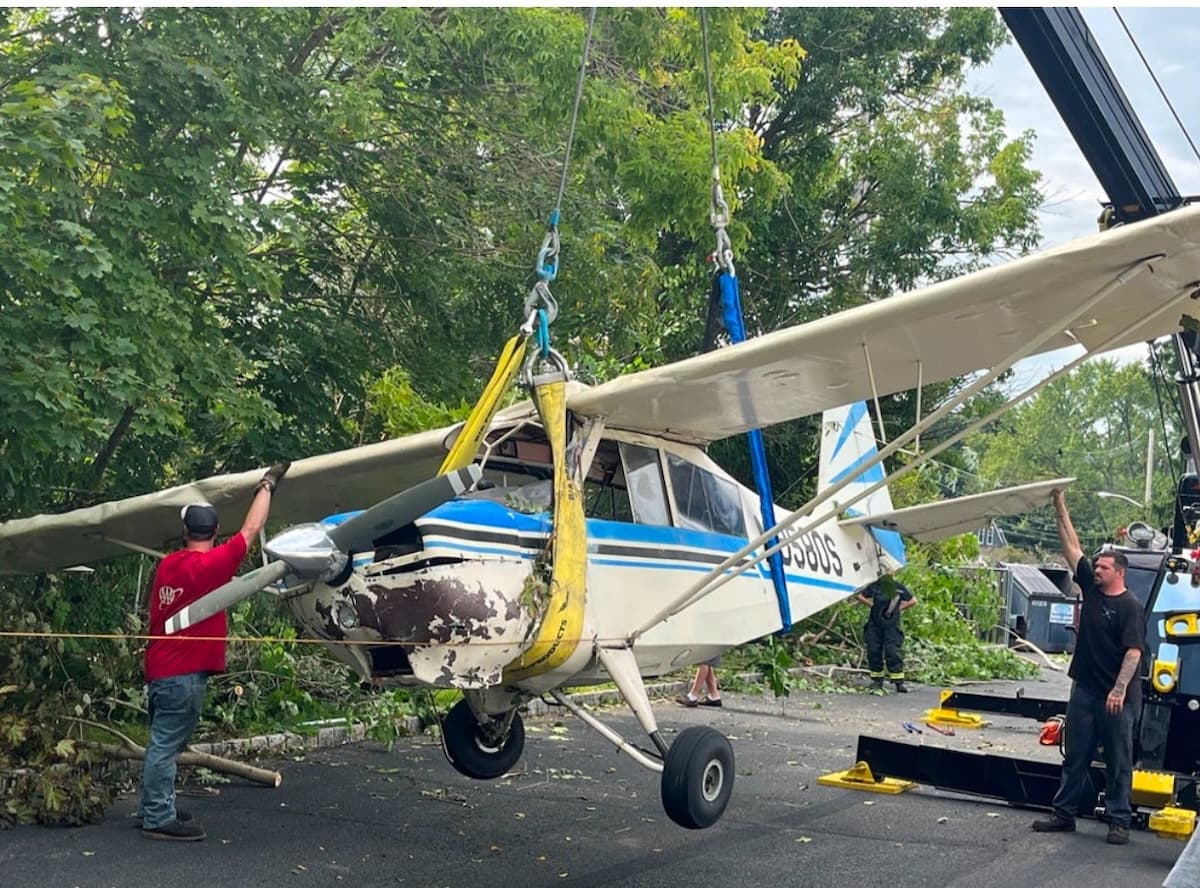
The pilot was transporting the Champion 7ECA during a multi-leg trip and was on the second-to-last day of the trip. Prior to departure, he purchased fuel from a self-service pump and topped off both wing fuel tanks and checked that each fuel cap was properly secured. He calculated he had enough fuel for the 3.5-hour flight, plus a 40- to 50-minute reserve, and departed.
About 3 hours and 16 minutes into the flight, the engine lost total power. The pilot attempted to reach a nearby airport in Sussex, New Jersey, but made a forced landing about a mile short of the runway in trees, which resulted in substantial damage to the airplane’s right wing and tail section. The pilot received minor injuries in the crash.
A post-accident examination revealed the left wing fuel cap was missing. Fuel streaks were observed toward the trailing edge of the wing. The left wing fuel tank was intact and empty of fuel. The right wing fuel cap was secure and the tank was empty.
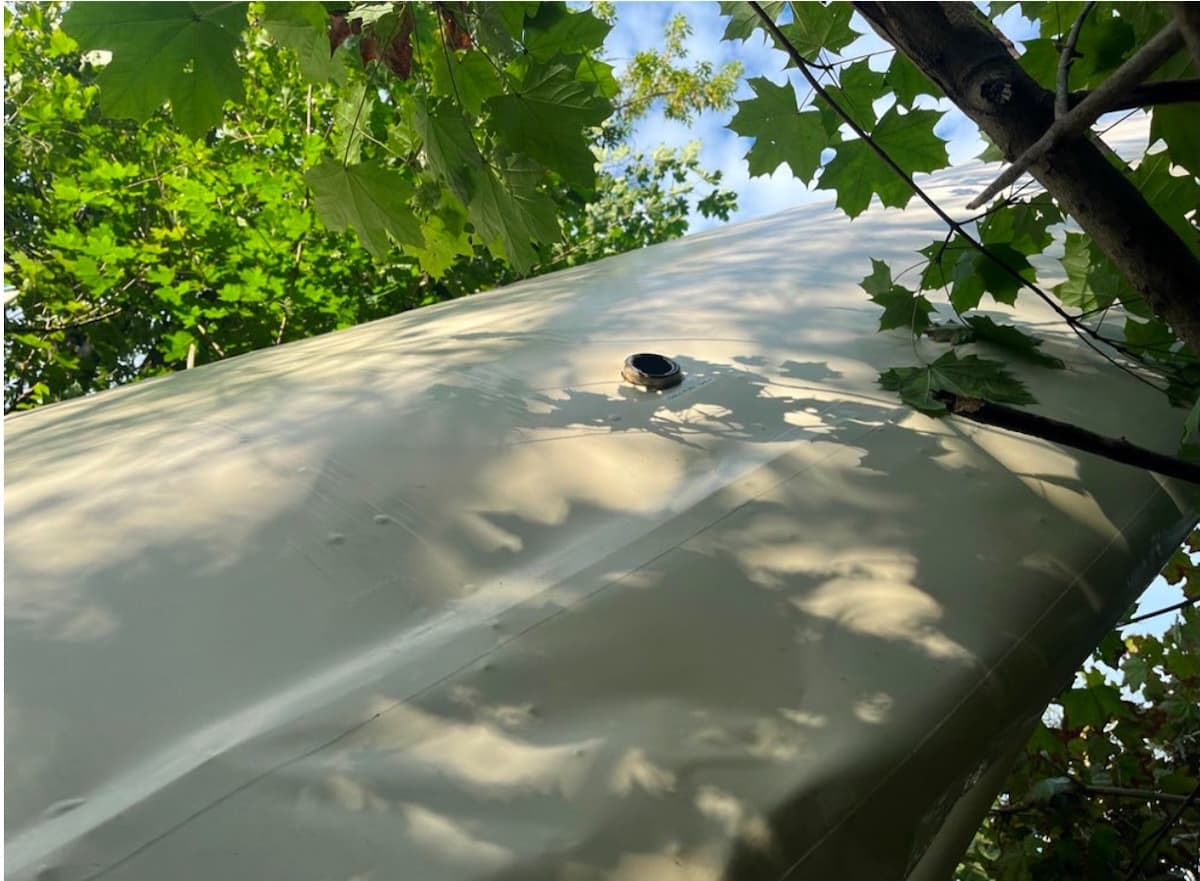
The pilot told investigators that he did not have any issues with the fuel cap properly securing prior to the accident flight. The left fuel cap was never located.
Based on available information, it is likely that the cap was not properly installed, and that it separated from the airplane at some point during the flight. Fuel was subsequently siphoned from the tank and, as a result, the engine lost power sooner than the pilot calculated due to fuel exhaustion.
Probable Cause: The pilot’s failure to properly secure the left wing fuel cap, which resulted in a total loss of engine power due to fuel exhaustion.
To download the final report. Click here. This will trigger a PDF download to your device.
This August 2024 accident report is provided by the National Transportation Safety Board. Published as an educational tool, it is intended to help pilots learn from the misfortunes of others.
I too had a fuel cap come off. I was on a training flight in a Piper Apache (yep old school) with my wife in the back seat. After departure, during climb out, my wife alerted my to fuel streaming out ot the right wing. Sure enough, the cap had come off and was dangling at the end of its chain. We landed immediately, refueled, ensured both caps were properly secured and resumed our flight. An important lesson without a catastrophe was learned.
Back in the day a student going for his check ride taxied up to the FBO to meet the examiner. He said the aircraft was ready to fly but missed the fact that the linemen left off both caps connected with chains when he fouled the aircraft…..Lessons learned!!!!
Preflight Preflight Preflight!
I have had a fuel cap come off [ left off], but since they are on a 3 inch chain very little fuel was siphoned out. It may have been the back pressure from the trailing cap that reduced the suction….and I didn’t lose the cap.!!
Had a fuel cap come off in an 8KCAB, similar aircraft. My fault. In flight, the tank with the cap was siphoning fuel to the open tank while the tank venting fuel was showing full when both tanks were less than full at takeoff. Indications did not make sense at the time so landed at closest airport to find a cap missing and very low fuel in both tanks.