


Perhaps I’m getting sentimental as I age. But is that so bad?
Opinion
We Need More A&Ps and More Mentors
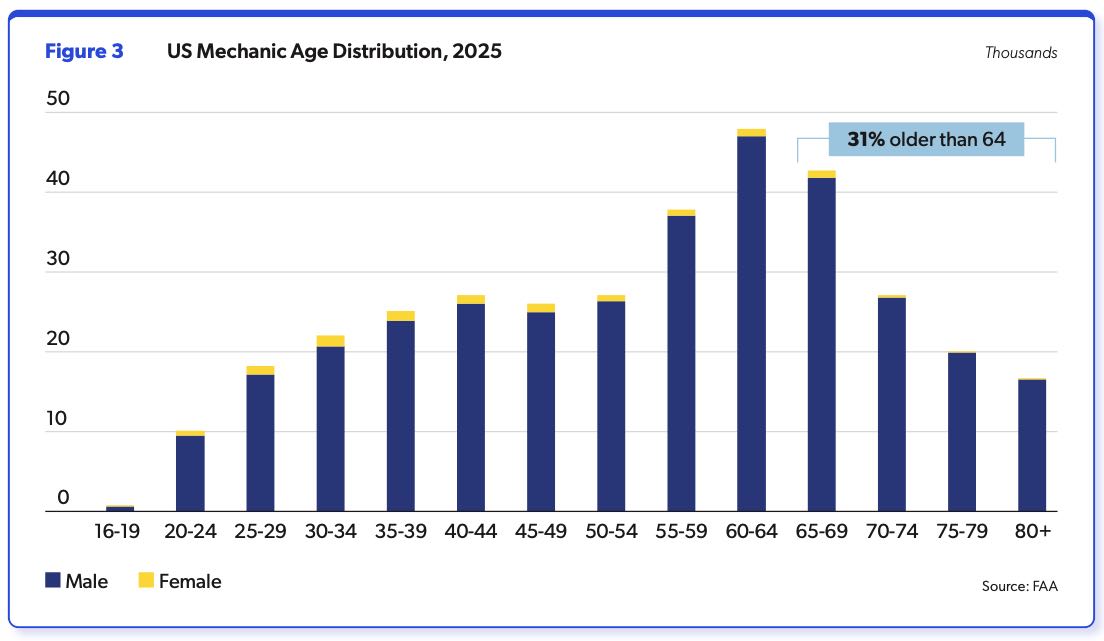
With 44% of U.S. mechanics nearing or past retirement age, the aviation industry faces a massive maintenance crunch. But as enrollment climbs and new students step up, industry leaders say mentorship is the key to filling the hangar.
Questions from the Cockpit: Reading List

Looking to expand your aviation knowledge beyond the standard flight manuals? Discover our columnist’s list of essential aviation books, covering everything from flight instruction and aerodynamics to weather, history, and engaging new children’s literature that inspires the next generation of aviators.
A Brief History of the Interstate S-1 Cadet

Interstate introduced its two-place Cadet in 1940, envisioning it as the logical choice for the Civilian Pilot Training Program.
A View of 100LL I Hadn’t Considered
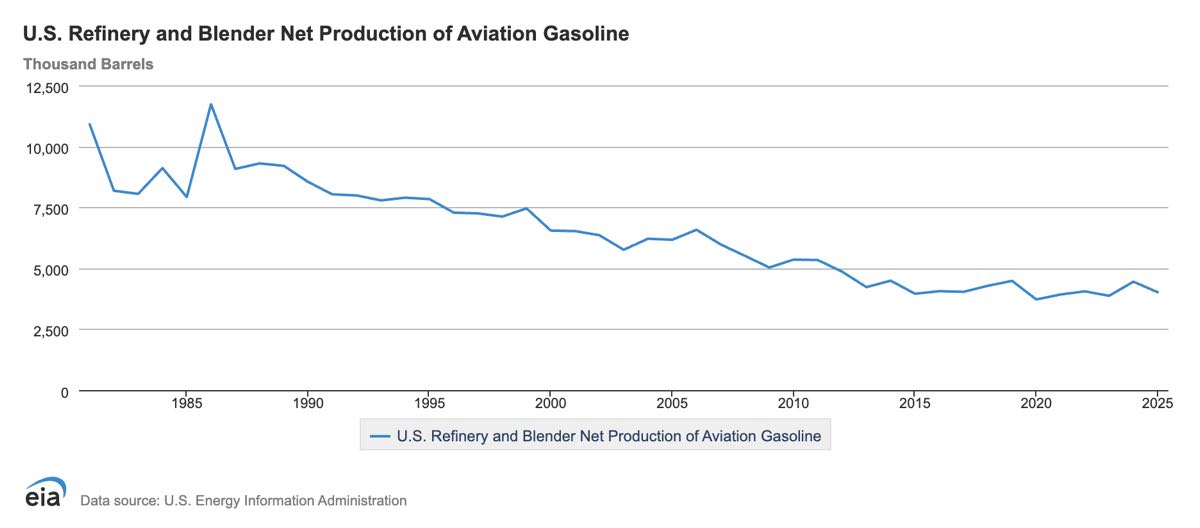
Avgas isn’t pumped continuously around the clock; it’s built in scheduled batches. Discover how shifting refinery economics and profit margins can cause silent supply gaps before anyone notices the tanks running low.
Would You Prefer to Use Mogas at Your Airport?

You could be the one to make it happen.
It Is Better To Be On The Ground
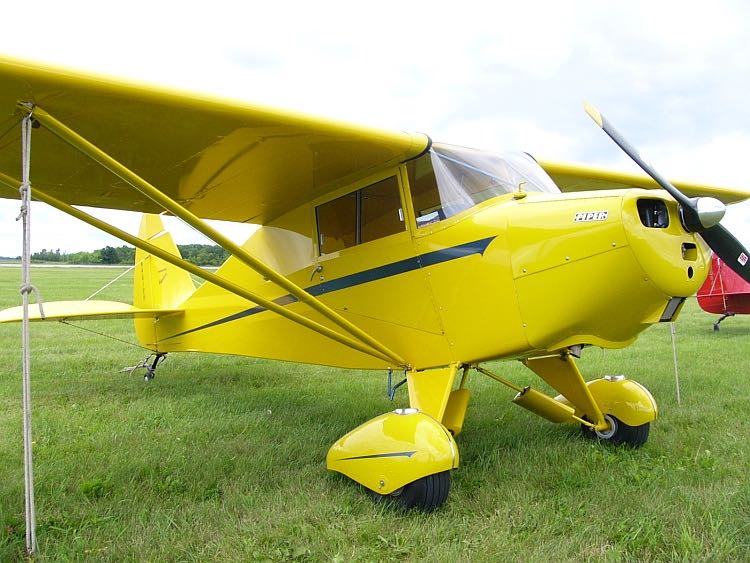
It is better to be on the ground wishing you were in the air than to be in the air wishing you were on the ground.
The Big Wrap Up

After 16 years and hundreds of weekly columns, Jamie Beckett is stepping back from his regular spot at General Aviation News. In this final wrap-up, he reflects on his incredible journey, the amazing aviators he’s met, and his exciting next chapters in aviation.
The Solution To Our Problem is Just a Hangar Away
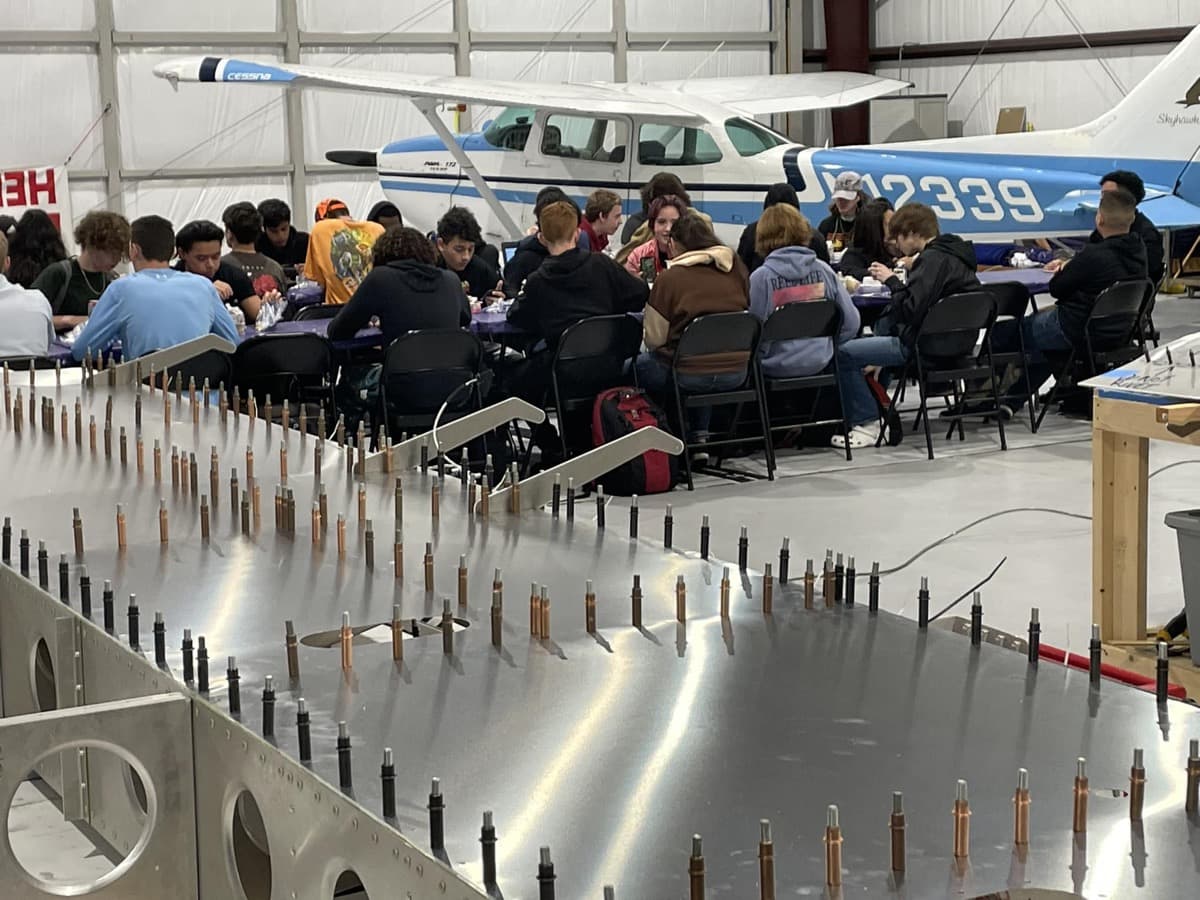
The future of general aviation depends on bringing younger people into the fold. Here’s an idea: EAA chapters could pair with high school STEM programs and aero clubs to bridge the generational gap, grow membership in both, and revitalize local airport communities across the country.