

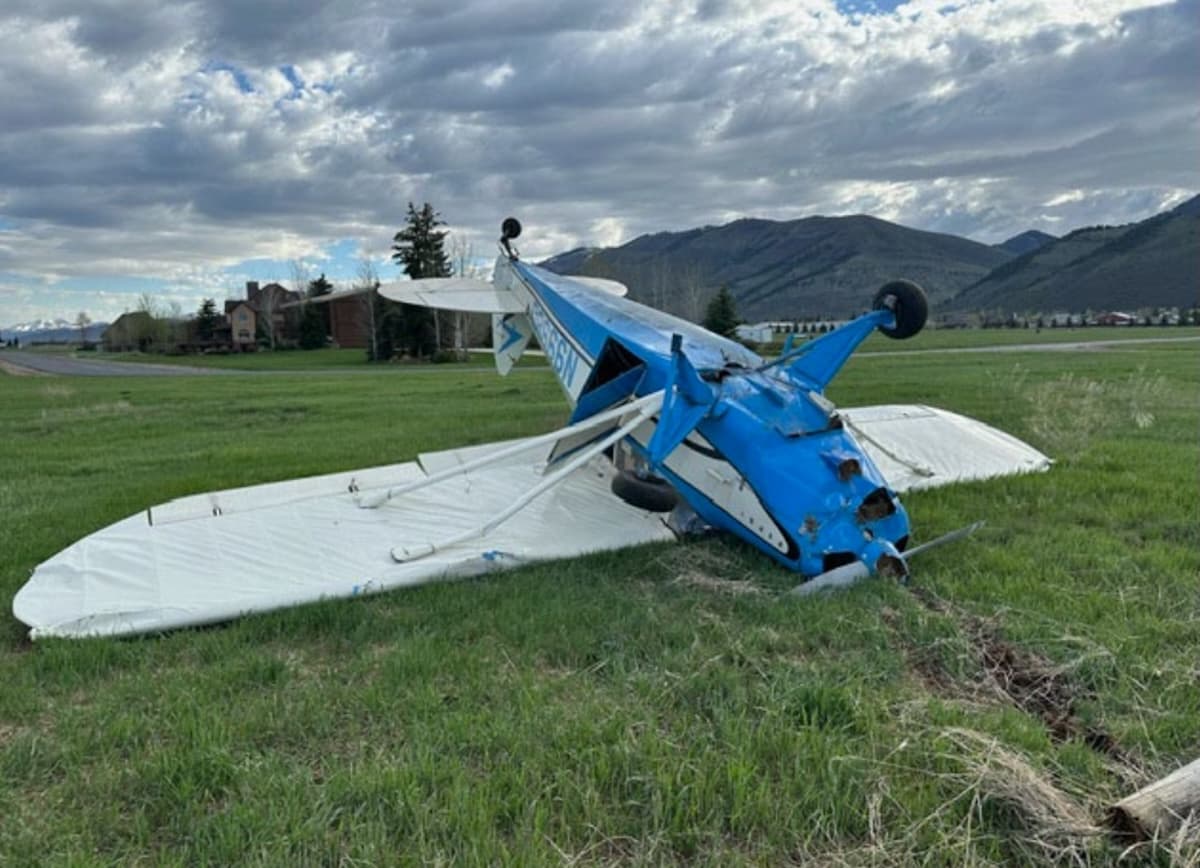
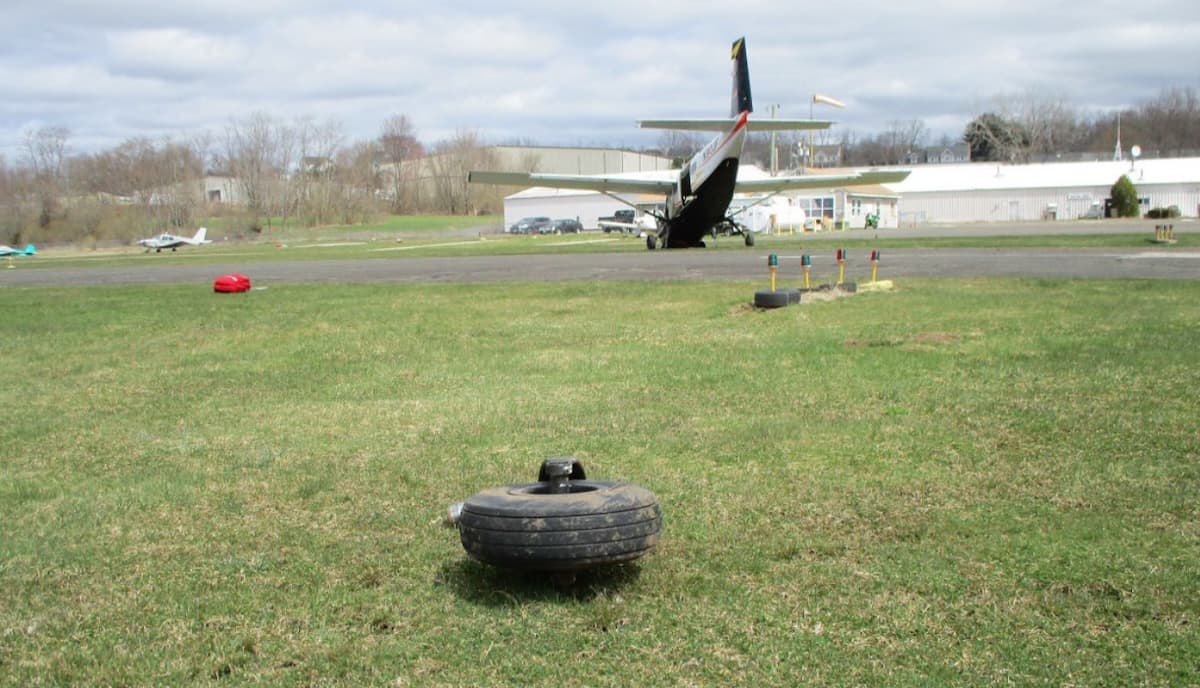
Probable Cause: The commercial pilot’s failure to maintain directional control of the airplane during takeoff. Contributing was the student pilot’s application of brakes during the takeoff roll and the failure of both pilots to maintain a positive transfer of controls.
aviation accidents
Human Factors: Know Thy Airplane
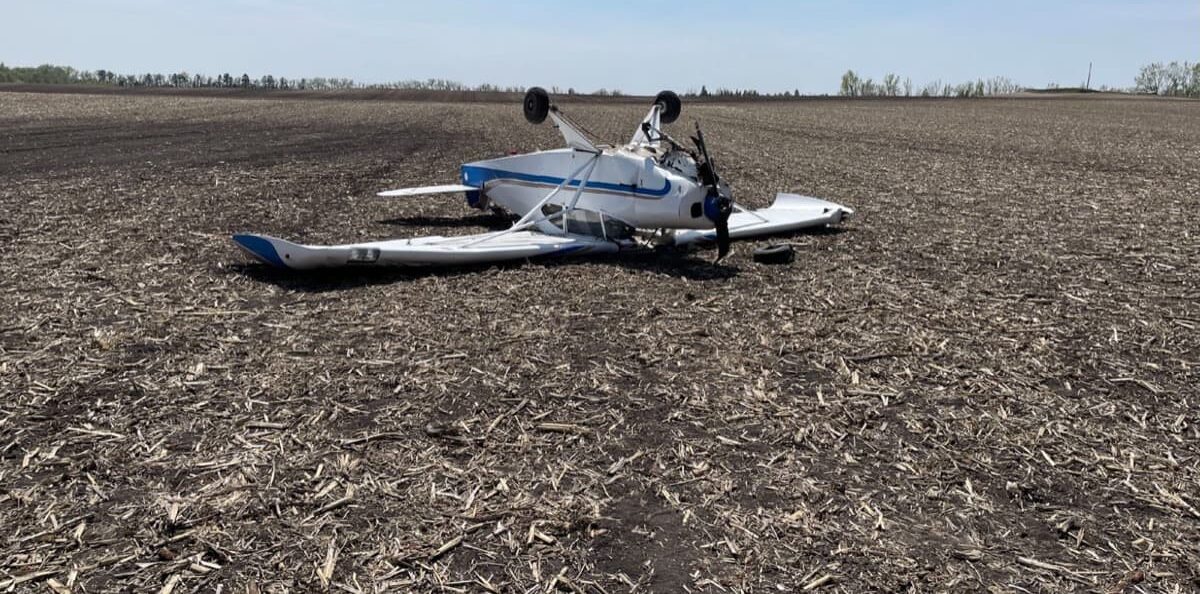
What can we learn from an accident that happened while taking kids up for their first flights by a pilot who didn’t have full knowledge of the airplane’s systems and a mechanic who missed a clogged fuel line?
Unexpected Stop on Taxiway Bends Two Planes
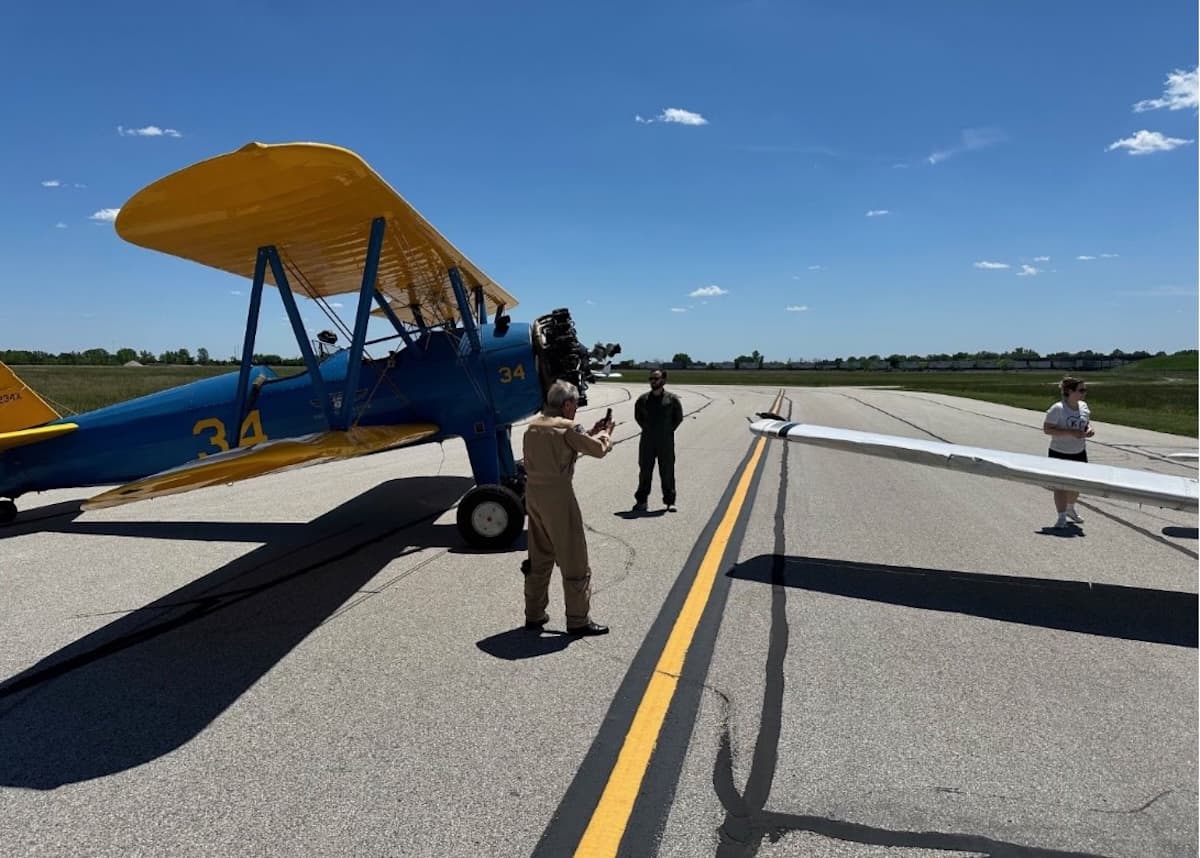
Probable Cause: The inability of the Boeing 75 pilot to anticipate that the Piper would stop earlier on the taxiway which resulted in the on-ground collision.
Excessive Turn Rate and Bank Angle on Takeoff Proves Fatal
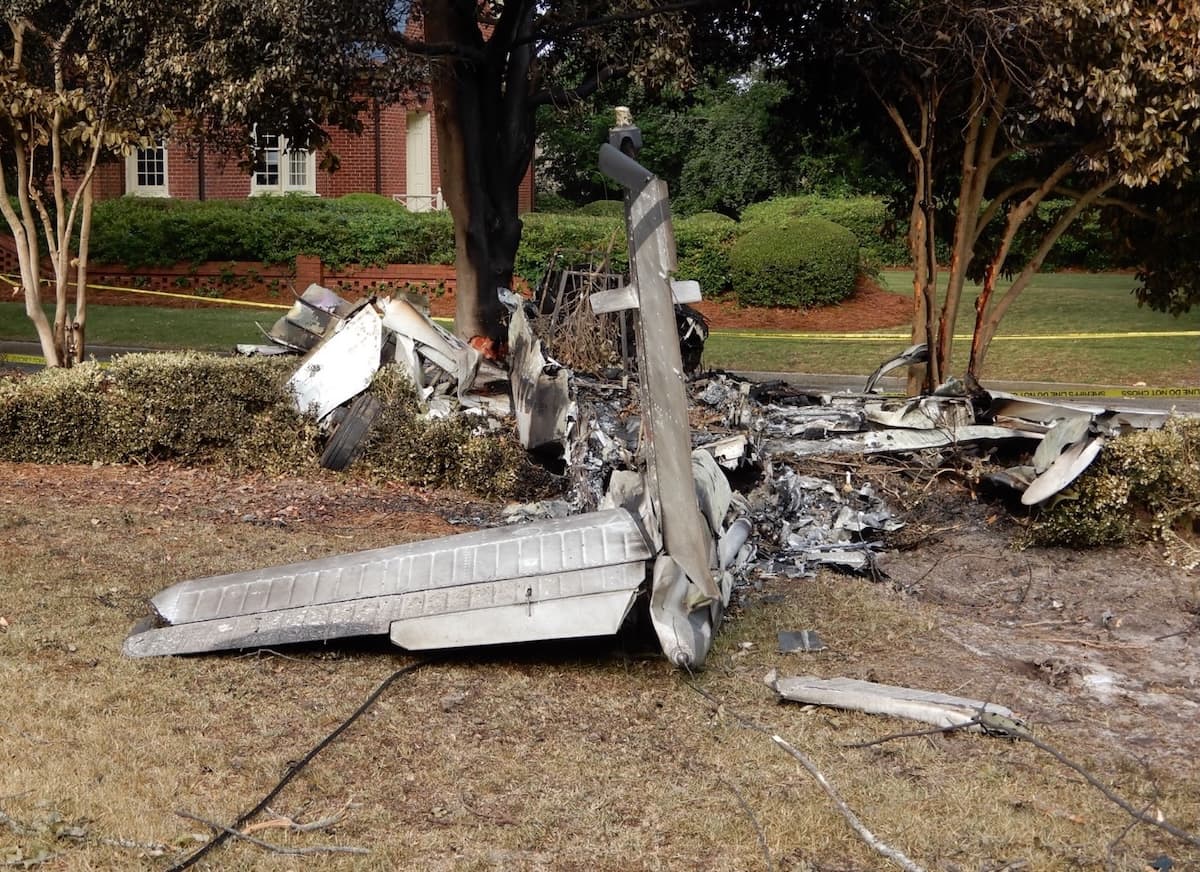
Probable Cause: The pilot’s excessive turn rate and bank angle while at low airspeed and altitude, resulting in an accelerated aerodynamic stall, loss of airplane control, and collision with terrain.
Pilot Crashes After Taking Phone Call During Run-Up
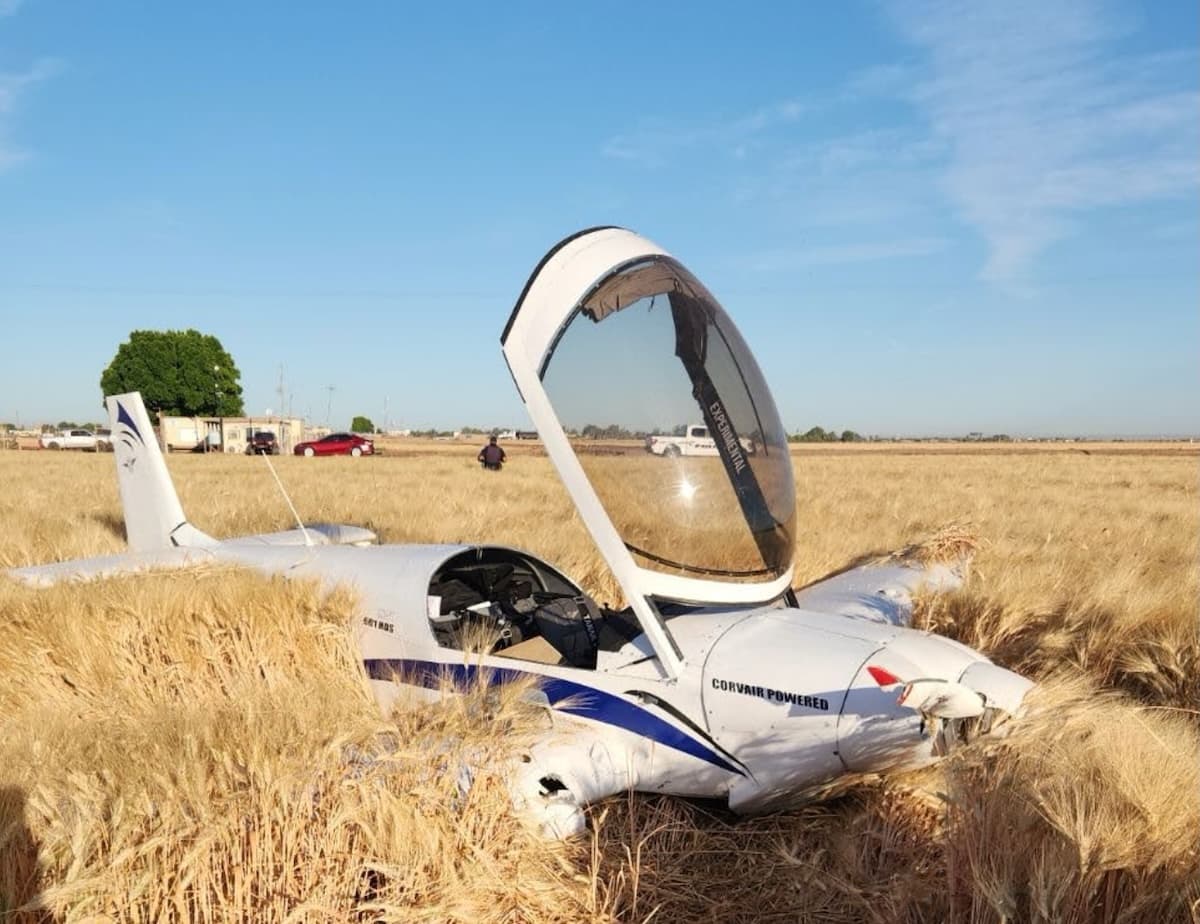
Probable Cause: The pilot’s inadequate fuel management which resulted in a total loss of engine power due to fuel starvation.
Too Heavy Airplane and Power Lines a Dangerous Combination
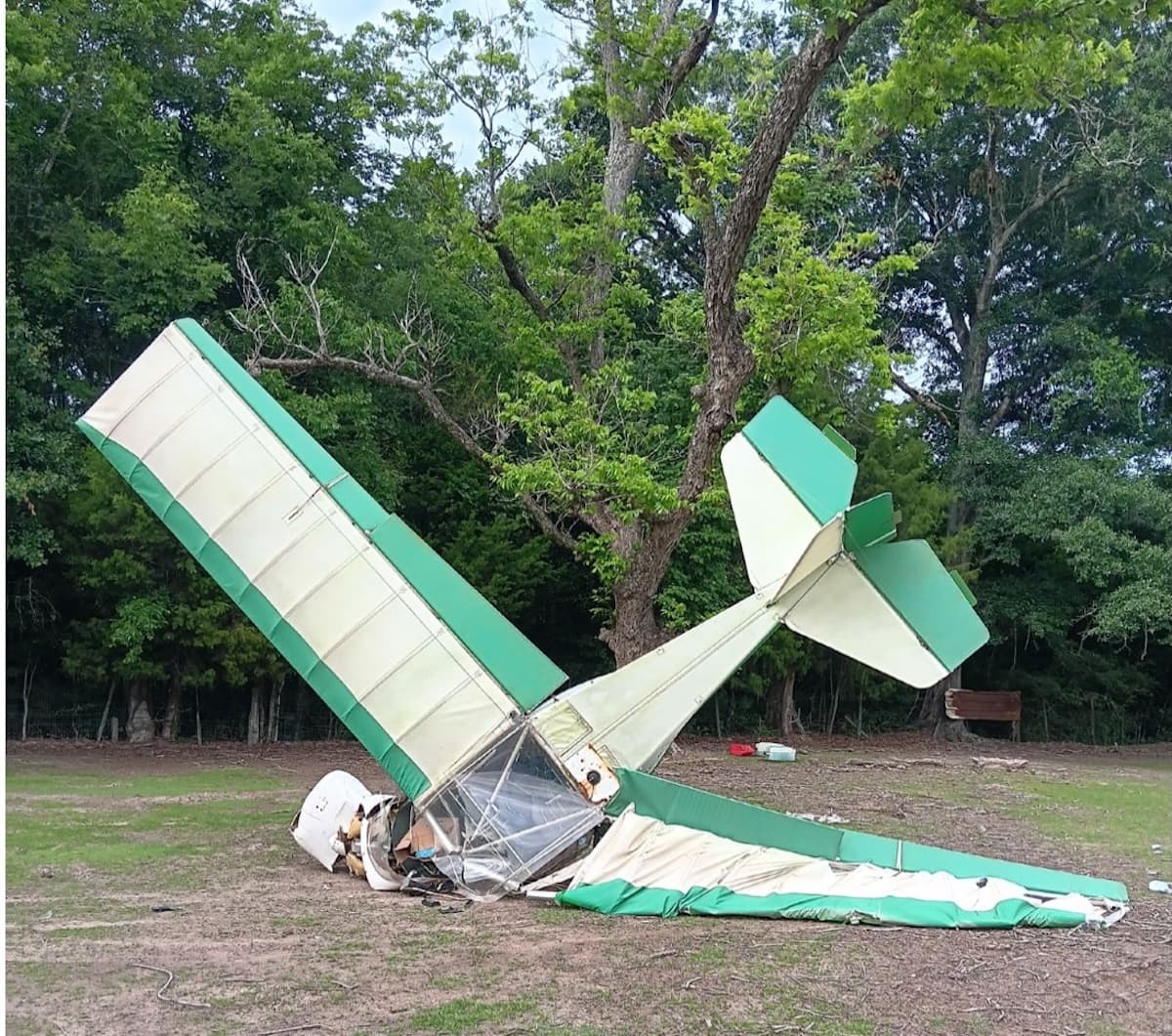
Probable Cause: The pilot’s decision to depart with the airplane over maximum gross weight, which reduced the climb performance and resulted in a collision with a tree.
Pilot’s Attempt to Power Through Fails
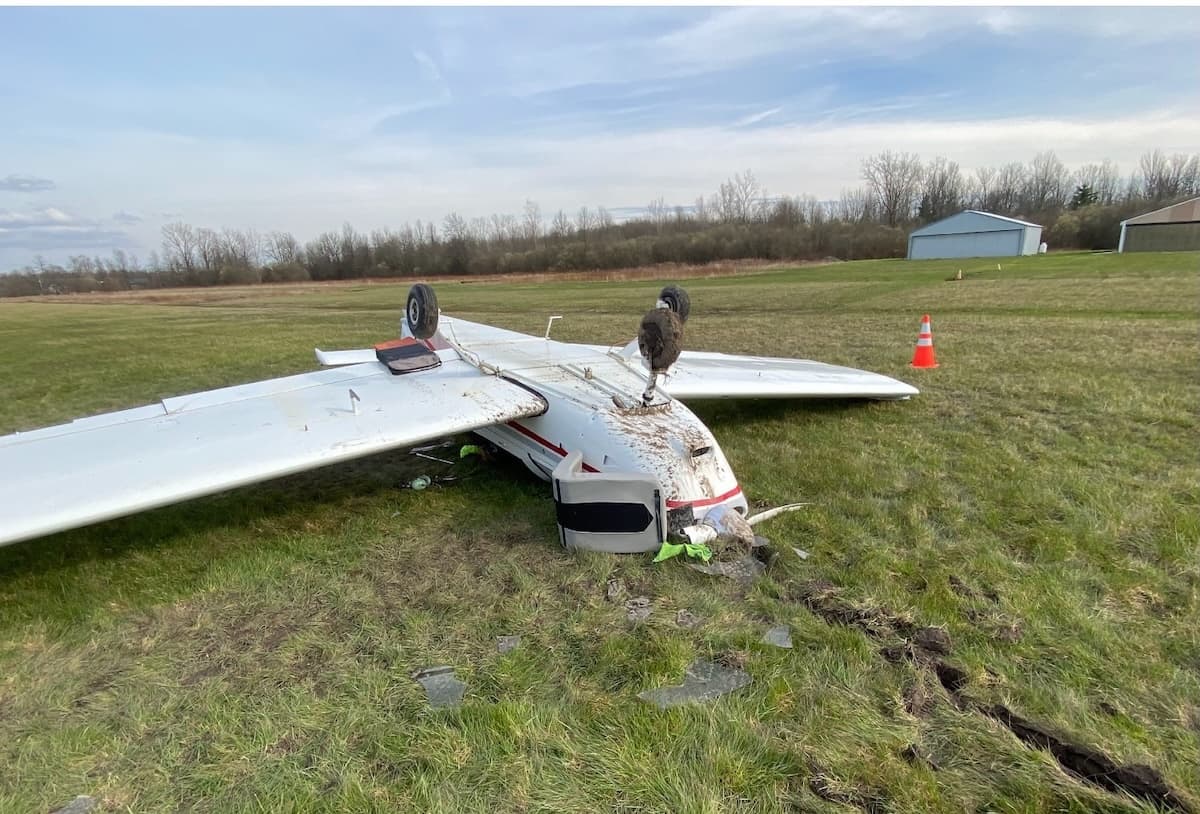
Probable Cause: The pilot’s failure to maintain directional control and his decision to continue the takeoff from the soft turf runway.
High Desert Disaster
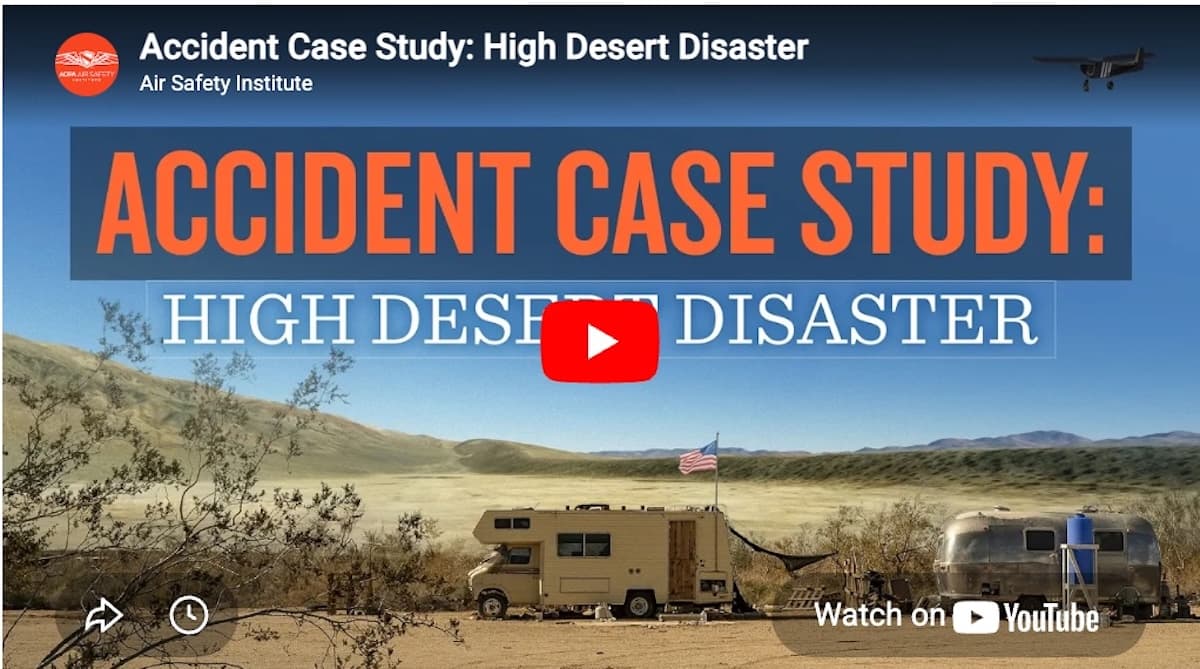
The Accident Case Study recreates the tragic events that led a novice backcountry pilot to crash on final approach to a backcountry airstrip in California’s Mojave Desert in 2021, killing both himself and his pilot-rated passenger.
Pilot Skids Off Runway During Landing
Probable Cause: The pilot’s failure to maintain a proper glidepath to the runway, which resulted in a runway undershoot and collision with terrain.