
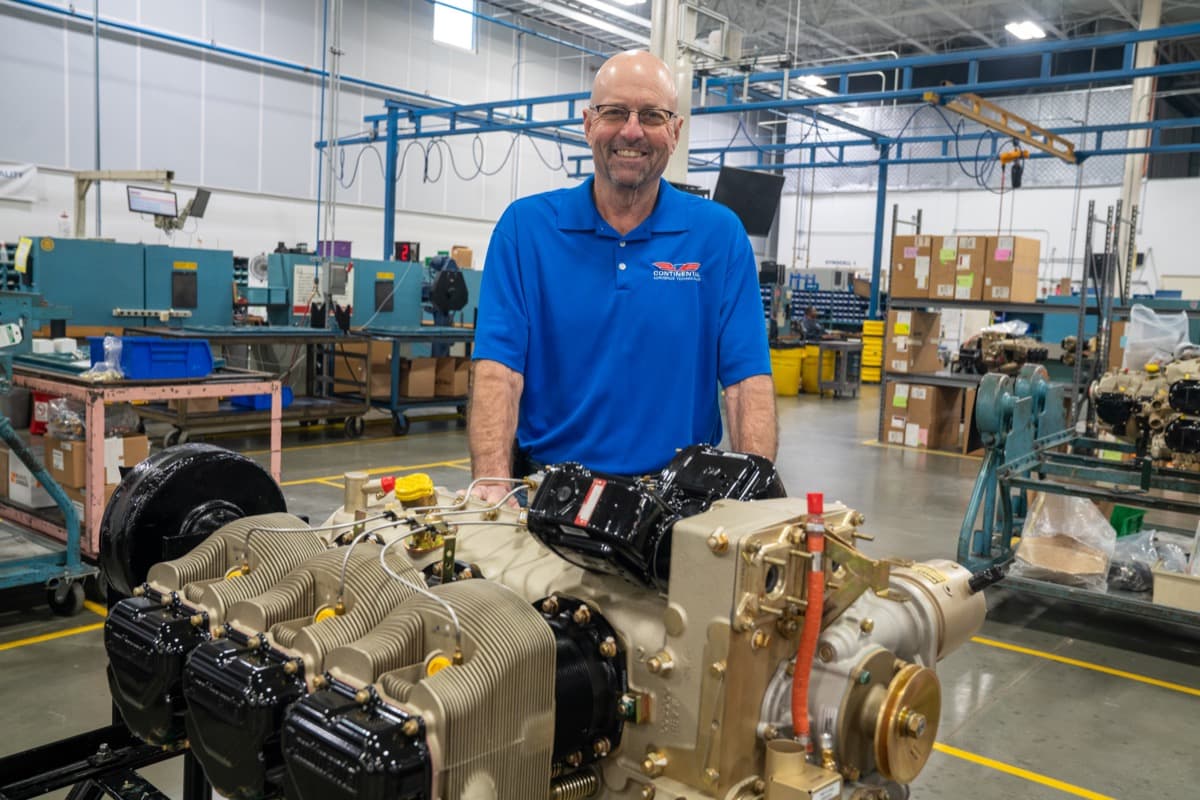
After 36 years on the job at Continental, Phillip Grice’s day-to-day role involves a lot of technical sleuthing. He is often tasked with finding out what happened to an engine that led to an accident.
aviation engines
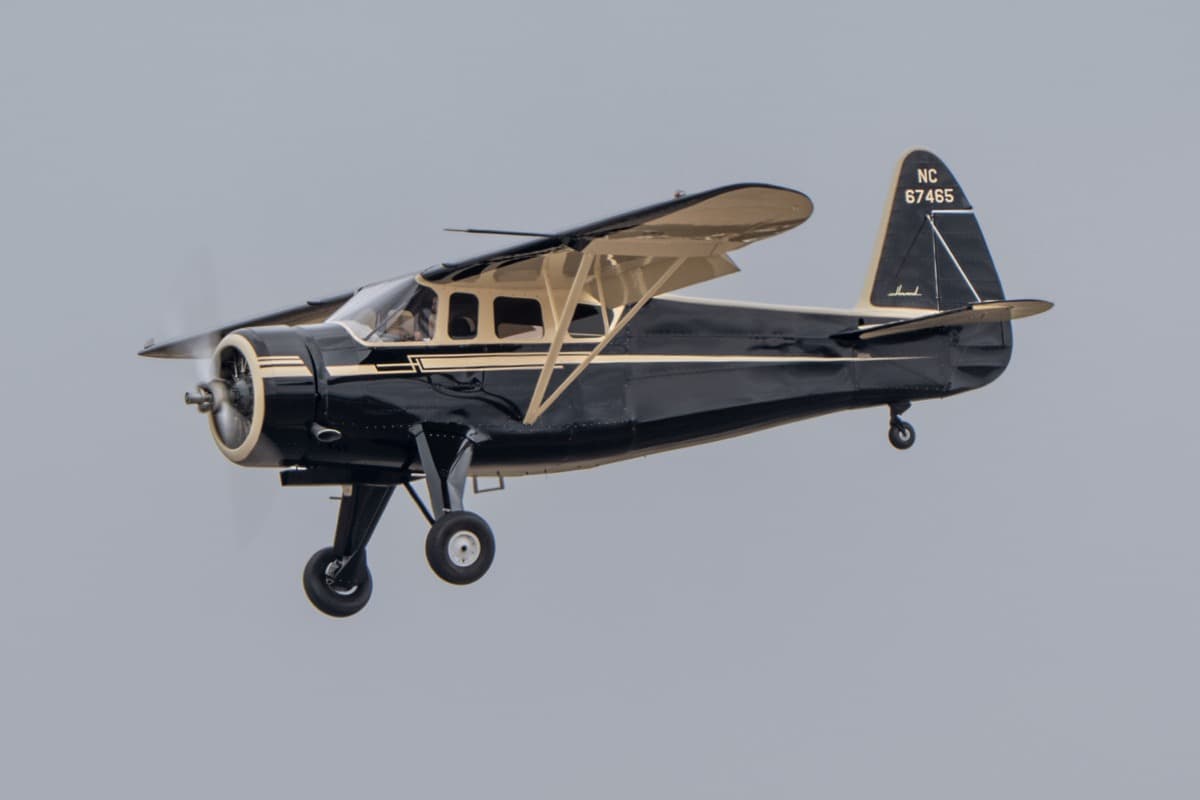
Moving Into the Future with 1930s Engine Technology
Are we stuck with ashless oils and poor performance forever in aviation piston engines or is there a way out?
Why can’t aviation oil be like automotive oil?
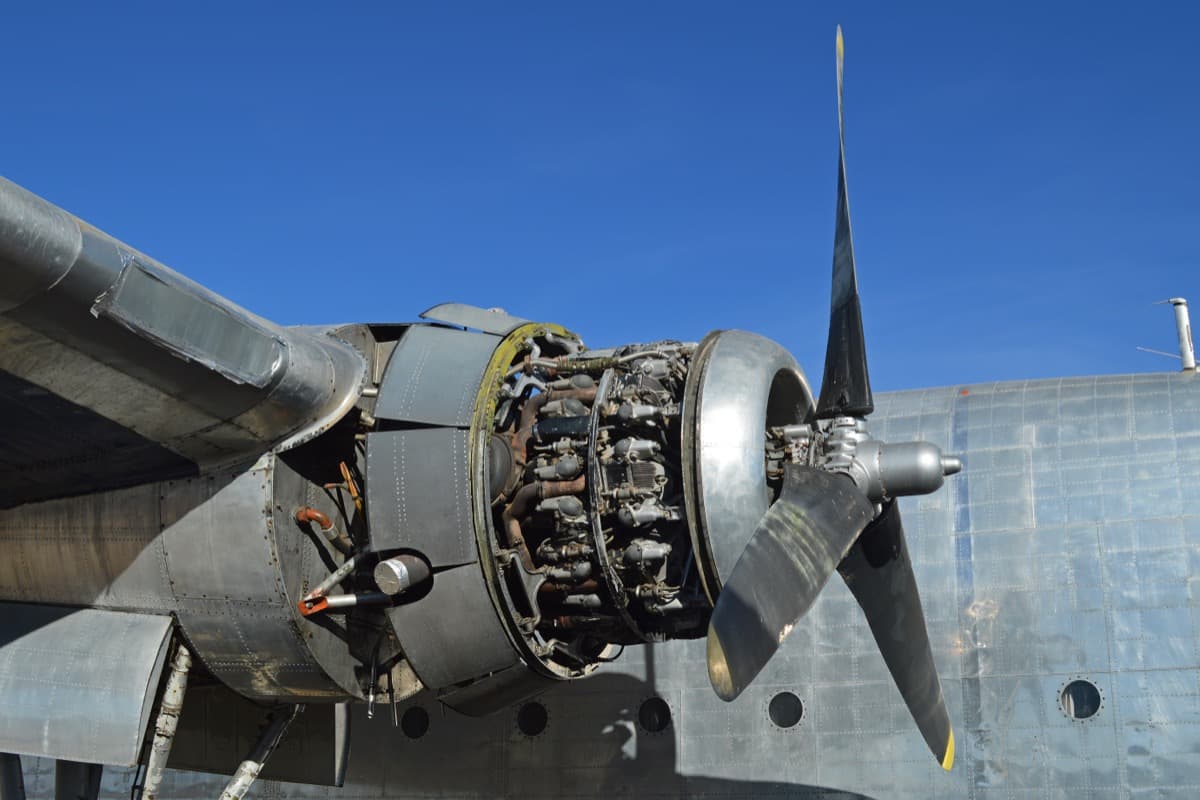
Over the past 50 or so years, the one question that most people do not understand is “why do aviation piston engine oils provide such poor anti-rust and anti-wear protection compared to automotive and heavy-duty engine oils?” That’s usually followed by a second question: “Can they be improved and when?”
Everyone beware

A question that every pilot and general aviation aircraft owner should be asking is “What do I need to do to my aircraft before the transition to unleaded avgas and 100LL is gone forever?”
Can I upgrade to a turbocharger?

Question for Paul McBride, the General Aviation News engines expert: I own a Piper Cherokee 6. Is it possible to upgrade this engine with a turbocharger?
Ask Paul: How can I determine which pistons are in my engine?

Question for Paul McBride, the General Aviation News engines expert: I have acquired a Lycoming O-290 in an experimental. The data plate has been removed. Is there anyway with a borescope to look in and see what pistons I have to know if it’s a D or a D2?
Can my engine really be converted with just a simple adjustment?

I am building a Velocity and it happens that I purchased a zero time rebuilt 250-hp Lycoming IO-540-C4B5 engine. I have been told by a maintenance shop that the only difference between a C4B5 and a D4B5 is the setting of the fuel servo. The D4B5 is rated at 260 horsepower, and they claim they can adjust the servo to convert the C4B5 into a D4B5.
Is what I’m doing protecting my aircraft from corrosion during the winter?

The short running of the engine pumps heavier oil throughout the engine. Better corrosion protection is the theory. What is your opinion?
Ask Paul: What’s causing loss of propeller control?

Question for Paul McBride, the General Aviation News engines expert: I have been maintaining a 1953 T-34 (Beech A45) with a Continental O-470-13 engine installed (original) for the last couple of years. The ownership group has been reporting a loss of propeller control after about 20 to 30 minutes into their flight, however it was happening intermittently and now it is happening almost every flight.