

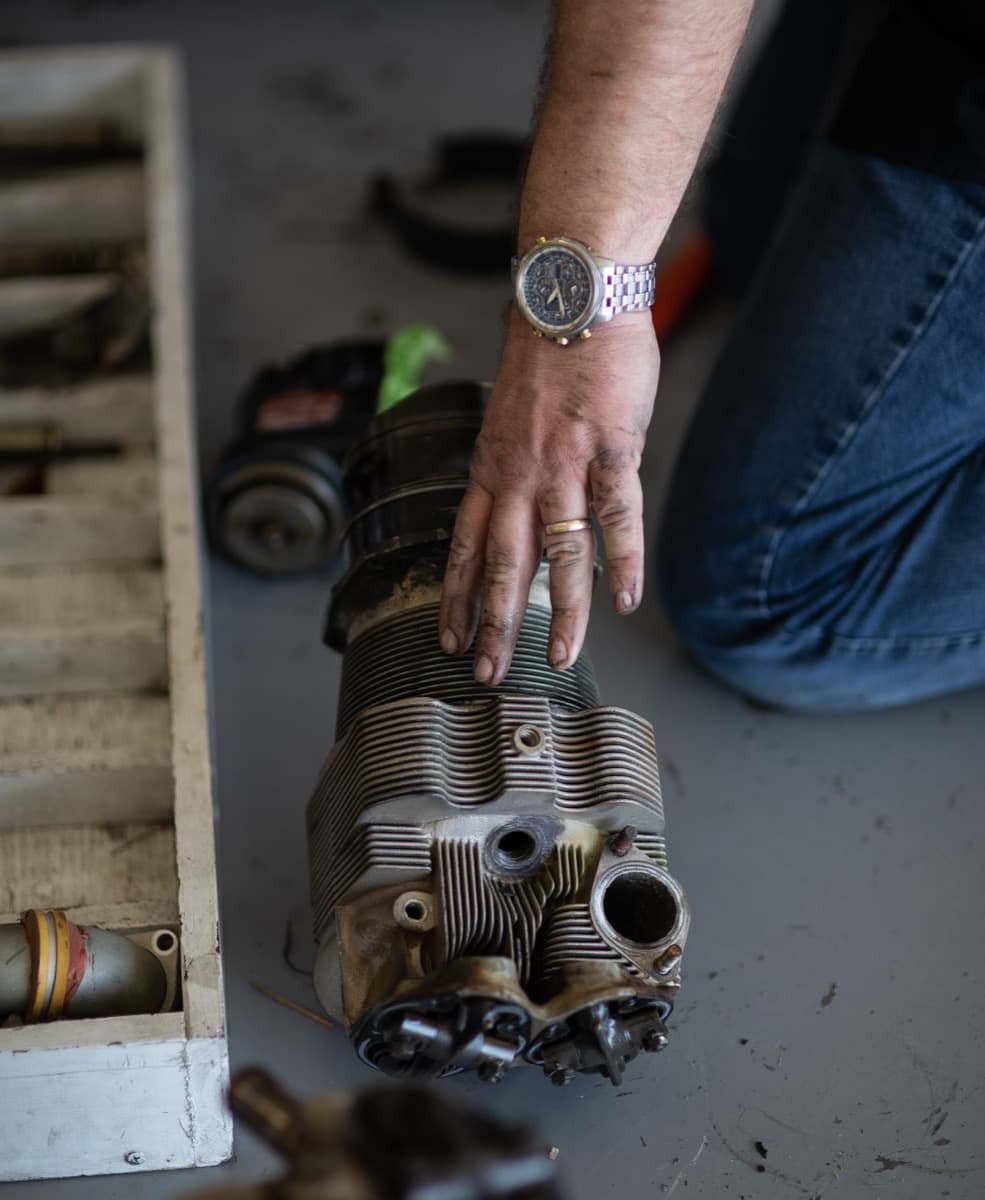
Grease is one of the most essential yet frequently misunderstood aviation lubricants. Our lubricants expert shows you how to properly select the exact grease for your specific aircraft, understand critical thickener compatibility issues, and learn the best practices for repacking wheel bearings to keep your airplane airworthy.
Visser's Voice
Why Octane Ratings Don’t Tell the Whole Story for GA Engines

The general aviation industry faces safety and legal hurdles during the transition to 100-octane unleaded fuel. Understanding the discrepancy between test-engine octane ratings and real-world engine performance is vital for maintaining safety and protecting manufacturers from liability.
Deep Pockets
A number of issues remain affecting general aviation’s transition to unleaded avgas. Perhaps the most important is the three companies working on the solution lack “deep pockets” in a very litigious society.
Moving Into the Future with 1930s Engine Technology

Are we stuck with ashless oils and poor performance forever in aviation piston engines or is there a way out?
Can General Aviation Transition to Unleaded Avgas by 2030?
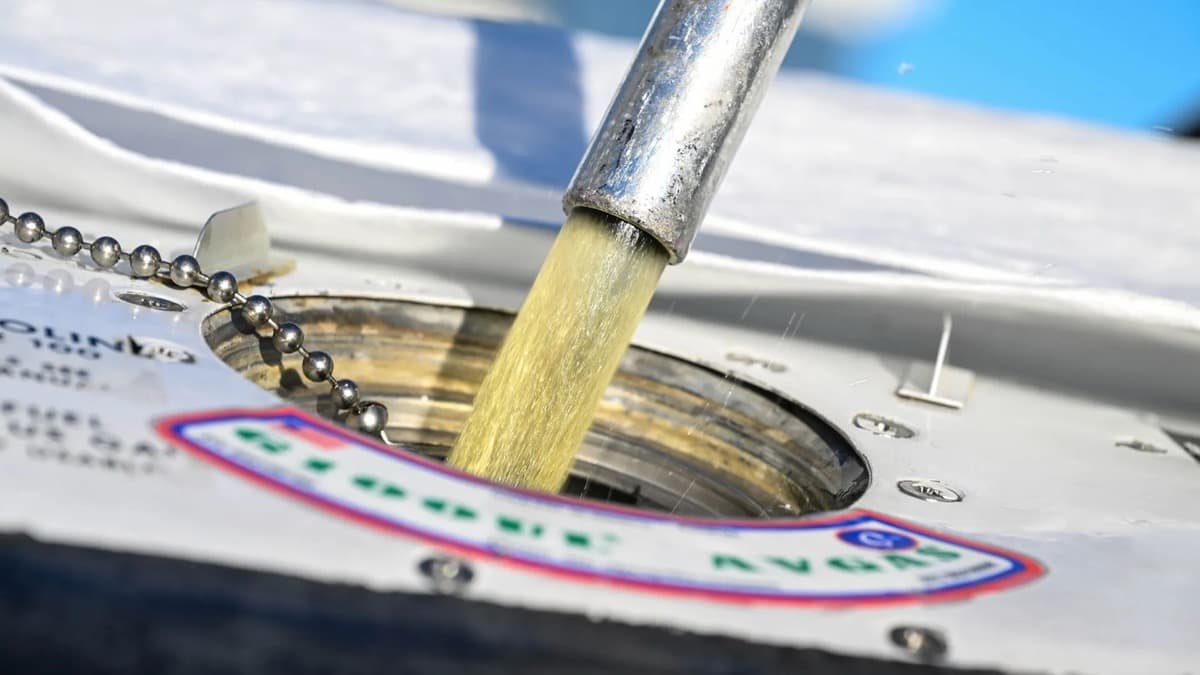
As our fuels and oils expert looks back at what was accomplished in 2025 towards general aviation’s transition to unleaded fuel, he questions whether we can meet our self-imposed deadline of 2030 to go completely lead-free.
Why can’t aviation oil be like automotive oil?
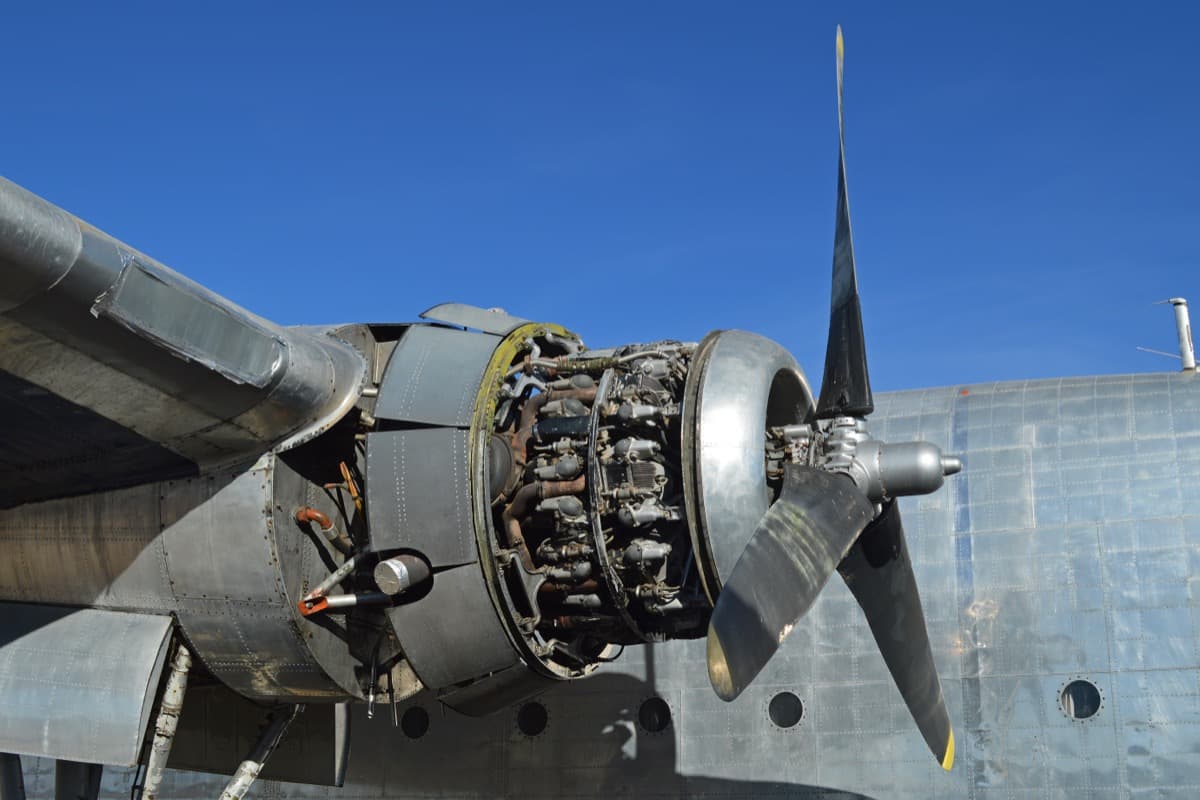
Over the past 50 or so years, the one question that most people do not understand is “why do aviation piston engine oils provide such poor anti-rust and anti-wear protection compared to automotive and heavy-duty engine oils?” That’s usually followed by a second question: “Can they be improved and when?”
Preparing your airplane for the cold weather

Why am I talking about signs of colder weather in an aviation fuels and lubricants column? What does fall have to do with your average general aviation aircraft? It is one of the most important times because for almost every plane it is time to change the oil.
What oil will GA use with unleaded fuels?

Will general aviation move to a full synthetic oil when we transition to unleaded fuels? Or will we stick with what we are using today?
Can aircraft certified on 115/145 avgas use the new unleaded fuel?

As general aviation transitions to a lead-free future, some GA pilots are wondering about 115/145 avgas.