

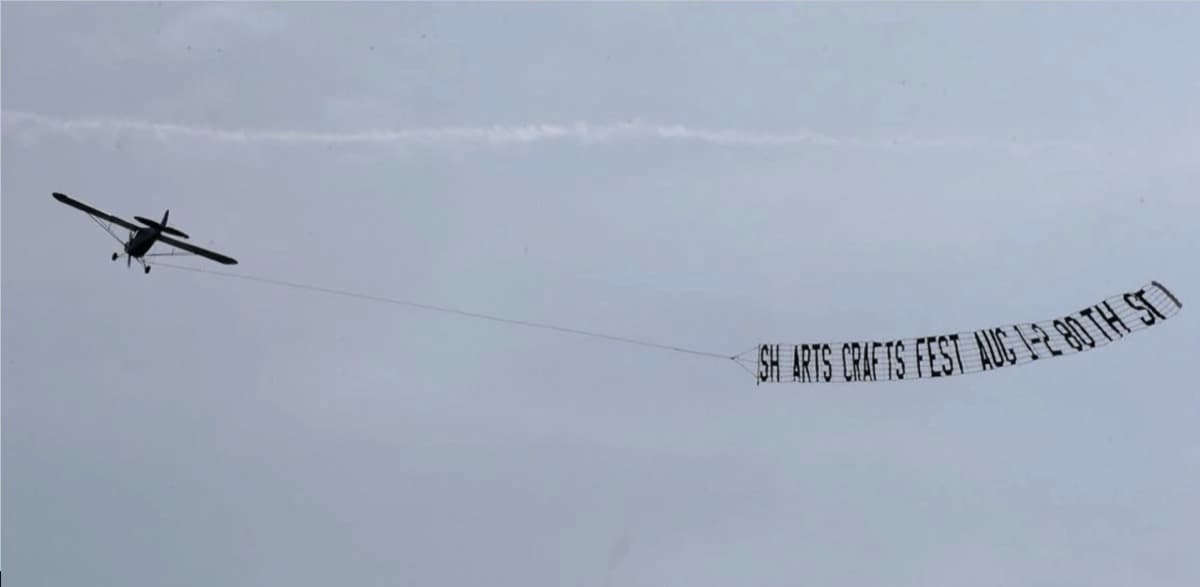
Some of my fondest aviation memories don’t involve jets, glass cockpits, or international destinations. They involve 50-year-old silver dope-painted Super Cubs with colorful rudders, salty ocean air, a grass airstrip on the Delaware Bay, and long summer days spent towing banners along the Jersey Shore.
As a teenager in southern New Jersey, learning to fly tailwheel airplanes opened the door to my aviation career. Looking back more than 30 years later, many of the lessons I rely on today as a corporate flight department director were learned towing banners in Piper Cubs and Super Cubs. Banner towing taught me lessons in judgment, decision-making, work ethic, humility, customer service, teamwork, and professionalism — lessons that remind me that there is always more to learn.
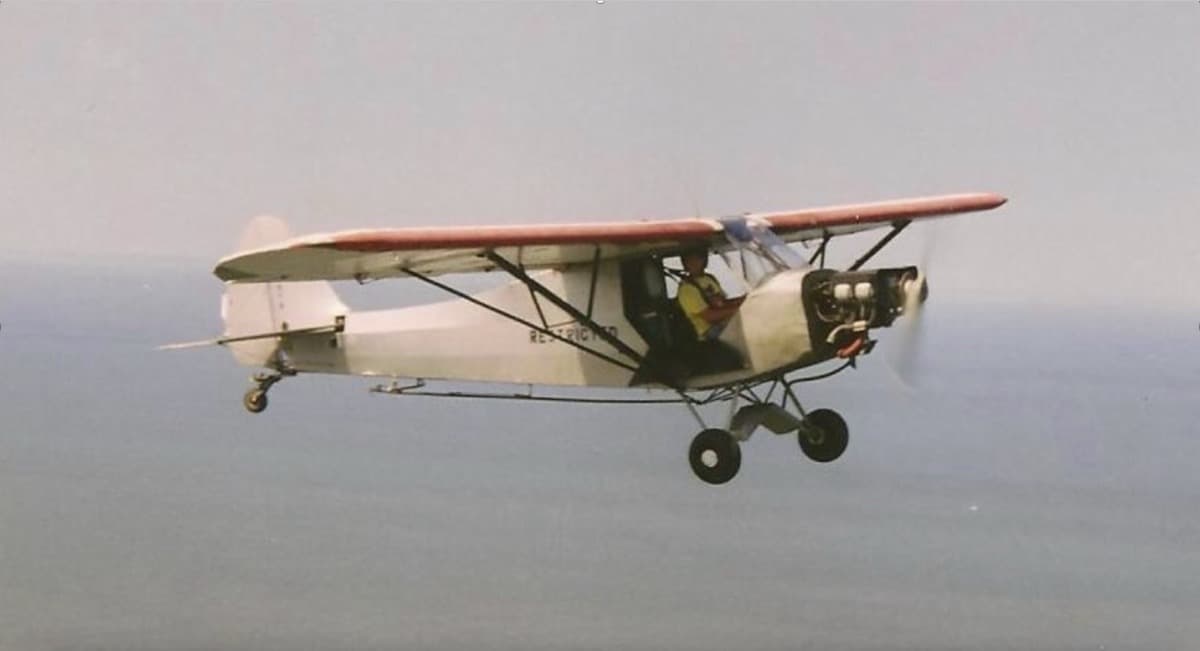
Like many young pilots, I was eager to build flight time and gain experience. Fortunately, I discovered tailwheel flying early, thanks to my mentors Jay Worth (The Influencer), Terry Rush, and Davy Gidzinski (Tailwheel Legends). That led to an opportunity with Paramount Air Service, one of the nation’s oldest banner towing operators.
Owned and operated by the Tomalino family for more than 75 years, Paramount had become synonymous with banner towing along the New Jersey shore, serving towns like Cape May, Wildwood, Stone Harbor, Avalon, Sea Isle, Strathmere, Ocean City, and Atlantic City. I joined the company in 1995 as it celebrated its 50th anniversary.
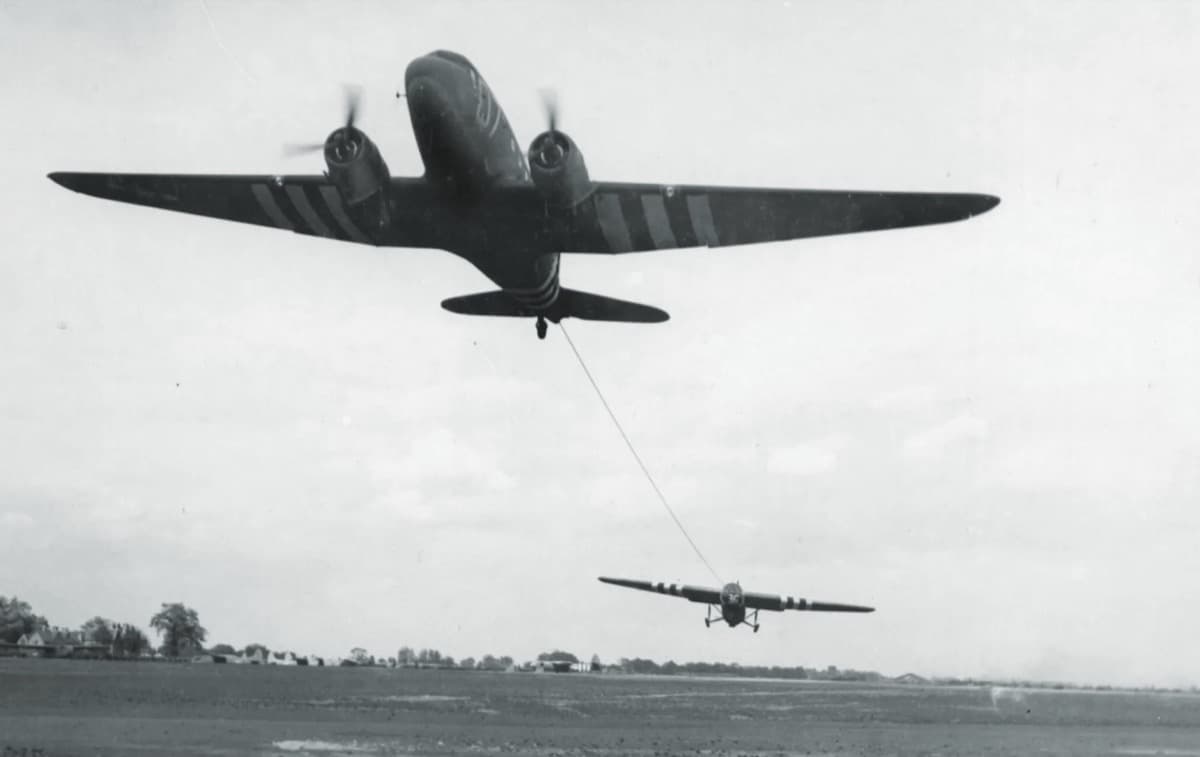
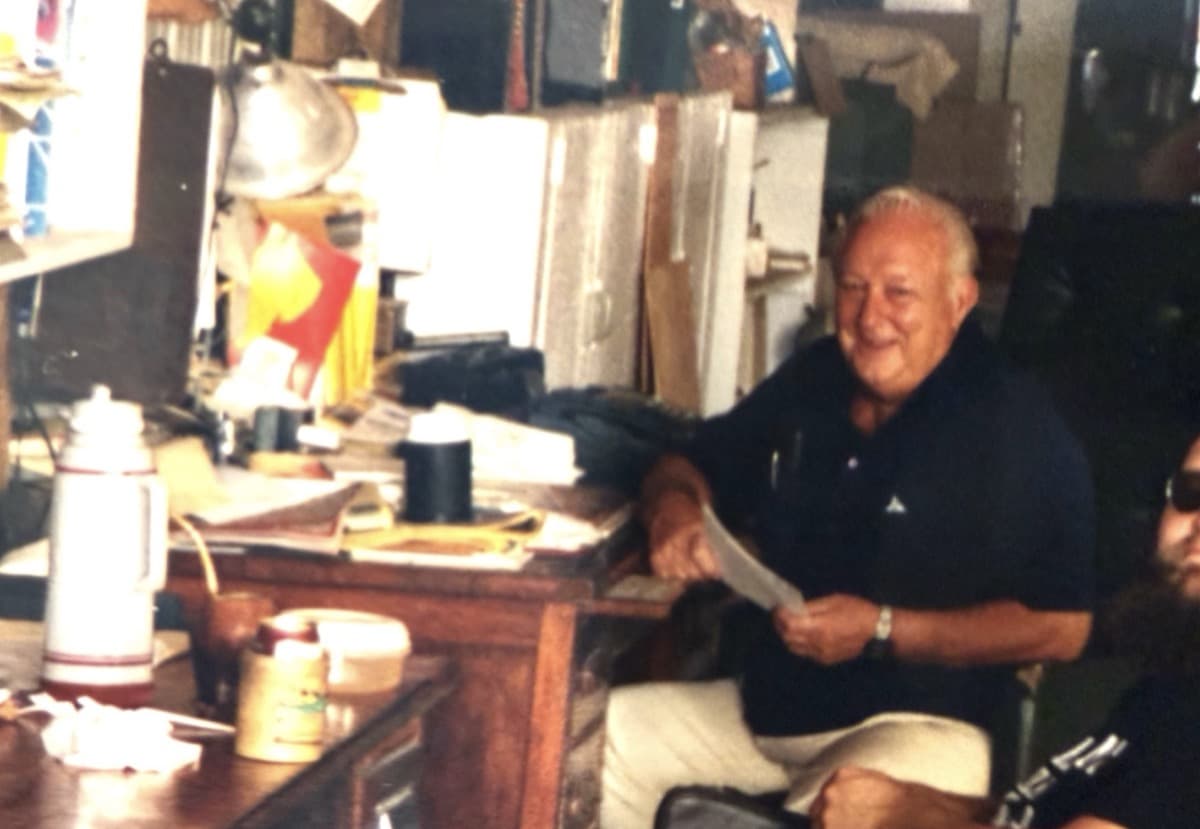
The company was founded by Andre Tomalino, a World War II glider pilot who returned home after the war and started a family business in 1945 that would launch the careers of generations of professional aviators.
Those of us who flew for Paramount became part of something larger than a summer job. Even decades later, former Paramount pilots remain connected by shared experiences, common mentors, and a deep respect for what Andre and the Tomalino family built.
Before my first season towing banners, Jay and I flew my Piper Clipper to Cape May in late summer 1994 to visit Paramount. Jay knew Andre through his work with the New Jersey Division of Aeronautics, where he inspected and licensed airstrips throughout the state.
After a brief interrogation to confirm this Jersey boy was, in fact, a “tailwheel guy,” Andre sent us on our way, and I returned to South Jersey Regional Airport (KVAY) with my position secured for the following season.
Before I ever picked up a banner, Jay insisted that I complete 10 hours of aerobatic training. He called an old family friend, John Becker at the Pompano Aerobatic Center in Florida, and got me on the schedule.
In a Pitts S-2B, the instruction I received emphasized the aerodynamic fundamentals that would prove invaluable in banner towing: Slow flight, stall and spin recognition and recovery, energy management, the effects of loading and unloading the wing, and understanding and exploring how the airplane behaved throughout its flight envelope. I also discovered a love for aerobatics.
Looking back, it was just another example of Jay’s influence on my aviation career and his commitment to preparing a young pilot for the challenges ahead.
What followed was one of the most memorable summers of my life.
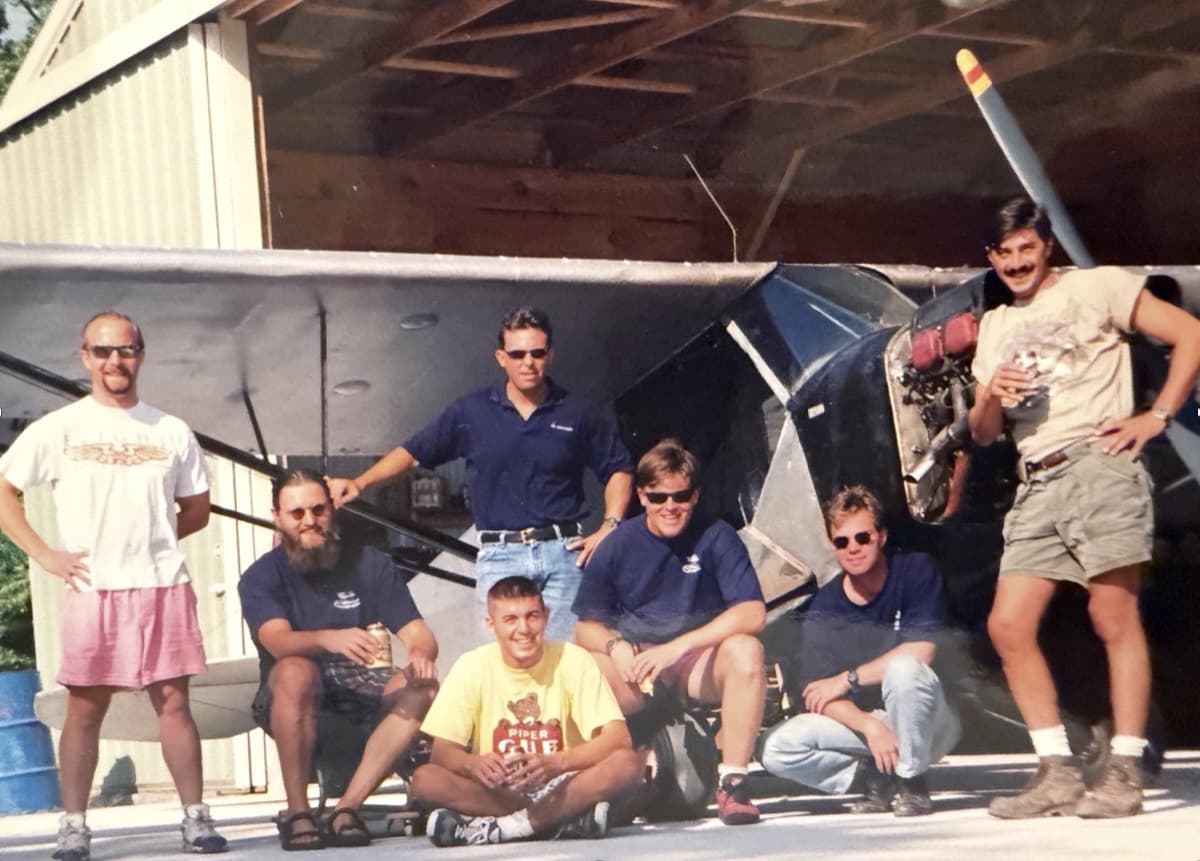
I was 19, living at the beach with a couple of high school buddies, and enjoying my first summer away from home. At that age, trying to pick up girls on the boardwalk seemed as important as picking up banners. Fortunately, banner towing had a way of keeping my priorities in order.
It was my first professional flying job and it was the first time I was being paid to fly. By the end of my first summer, I’d log more than 400 hours towing banners and gained experience that would stay with me throughout my career.
A Team Sport
Banner towing taught me that aviation is a team sport. Success depended on the front office organizing the schedule, the sales team building relationships, mechanics keeping the airplanes airworthy, the ground crew preparing banners, and pilots safely executing the mission. Weather changed constantly, equipment broke, and schedules shifted, but the operation only worked because everyone pulled in the same direction.
Every flight carried responsibility. Marriage proposals, birthdays, anniversaries, happy hours, dinner specials, and local bands and events were just some of the many banners I towed. Customers paid good money and depended on me to deliver their message to beachgoers.
Things could change quickly along the shoreline, and there was rarely a day that didn’t require an important decision. Banner towing provided countless opportunities to develop my professional judgment. As the father of four teenagers, I have a much greater appreciation for how judgment develops through experience. Looking back, I realize banner towing gave my 19-year-old self an accelerated education in aviation professionalism and aeronautical decision-making. I needed it.
It was seat-of-the-pants, old-school stick-and-rudder flying at its best and it taught you quickly. There were no participation trophies. If you couldn’t meet the standard, you washed out.
As a CFI and an early summer hire who had proven himself and accumulated towing experience before the season started, Andre asked me to fly with a prospective pilot and provide an honest recommendation after our chief pilot left early in the season for an airline career. I remember the candidate arrived with an impressive logbook, but struggled with the fundamentals.
After the evaluation flight, I sat down with Andre and discussed my observations. That conversation wasn’t easy, especially because it ultimately meant sending the pilot home, but it taught me an important lesson: Aviation is one profession where honesty matters more than feelings. I could see that Andre expected an honest assessment and I learned that safety and proficiency must come before a desire to spare someone’s disappointment.
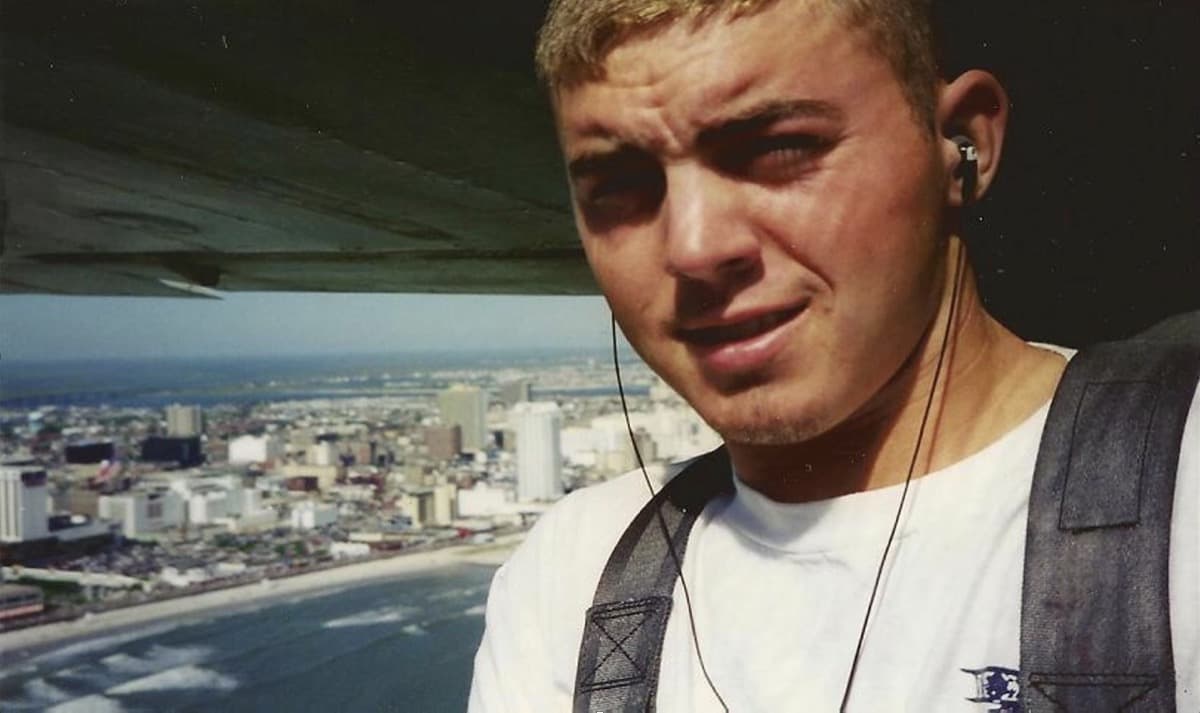
Aeronautical Precision
Banner towing also taught me aeronautical precision. Every pickup demanded disciplined planning and precise execution. Every flight demanded constant attention to slow flight, energy management, wind correction, drag, aircraft control, and situational awareness. There was little room for sloppy flying. You learned to fly the airplane precisely because precision produced consistent results and got you back to the hangar for a celebratory cold beverage at the end of a long day.
By the end of the season, the airplane felt like an extension of yourself. But that familiarity brought a new challenge: Recognizing the dangers of overconfidence and complacency. Banner towing was my first real lesson in these human factors.
At 19, my confidence often exceeded my wisdom, and I have plenty of boneheaded examples to prove it. Fortunately, the only thing I ever really bruised was my ego.
Those lessons stayed with me throughout my career though. Whether flying for a major airline, crossing oceans in a Gulfstream, or flying into challenging airports and demanding conditions, the foundation of my professional aeronautical decision-making and humility was laid that summer.
Little Margin For Error
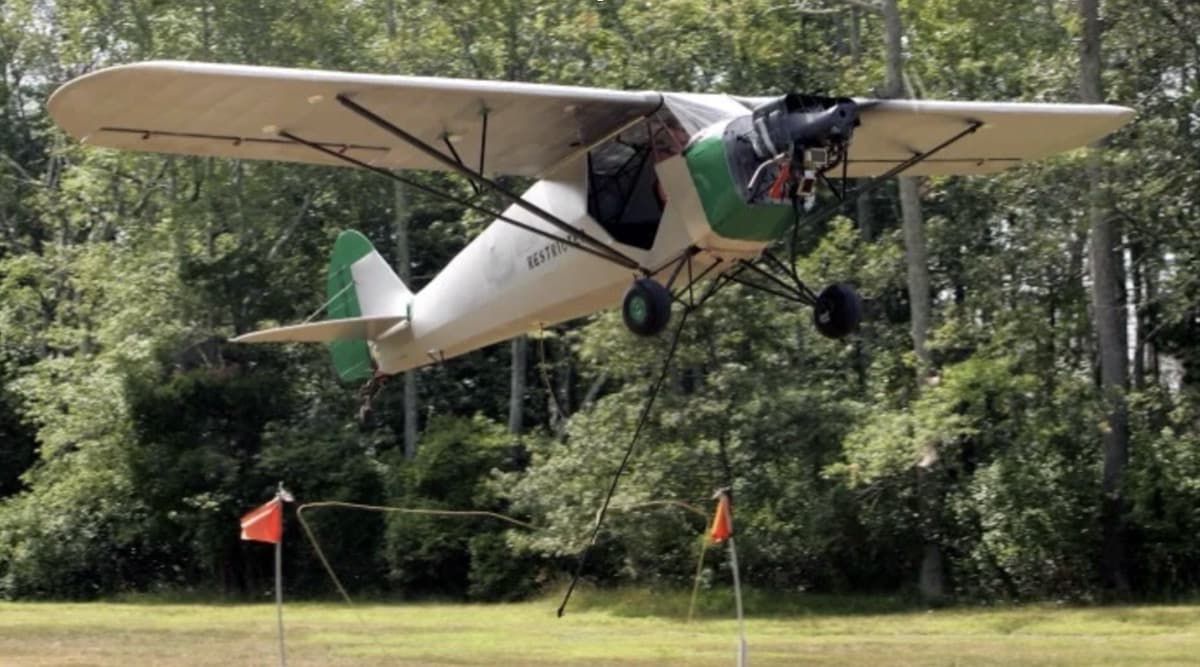
Banner towing required continuous slow flight at low altitude, often in changing weather and dynamic environments, punctuated by the banner pickup, the most demanding maneuver of the operation and one with little margin for error. Add the drag of a banner, and pilots had to continually assess risk and make decisions with limited time and limited options.
The best banner pilots weren’t always the most naturally talented stick-and-rudder pilots. They were the ones with the discipline and humility to recognize when conditions were no longer favorable, when a pickup wasn’t working, or when it was time to head back to the airport and tow another day. Those early experiences helped shape my aeronautical decision-making, a skill I continue to rely on and refine today.
While I would argue that banner towing isn’t inherently dangerous, it does present a unique set of risks. Accident patterns remain remarkably consistent. Energy management, stall-spin loss of control, fuel mismanagement, and poor decision-making continue to be recurring pilot error themes. Banner towing is unforgiving, with little tolerance for carelessness, complacency, or poor aircraft command.
I was fortunate to have been taught by pilots who understood and respected those risks. A way to honor the people who taught us is to pass those lessons along.
The Next Generation
More than 30 years later, after tens of thousands of hours flying everything from Cubs and Learjets to Boeings and Gulfstreams, many of the lessons I learned at Paramount still apply. Those experiences also created a responsibility to share that knowledge with the next generation.
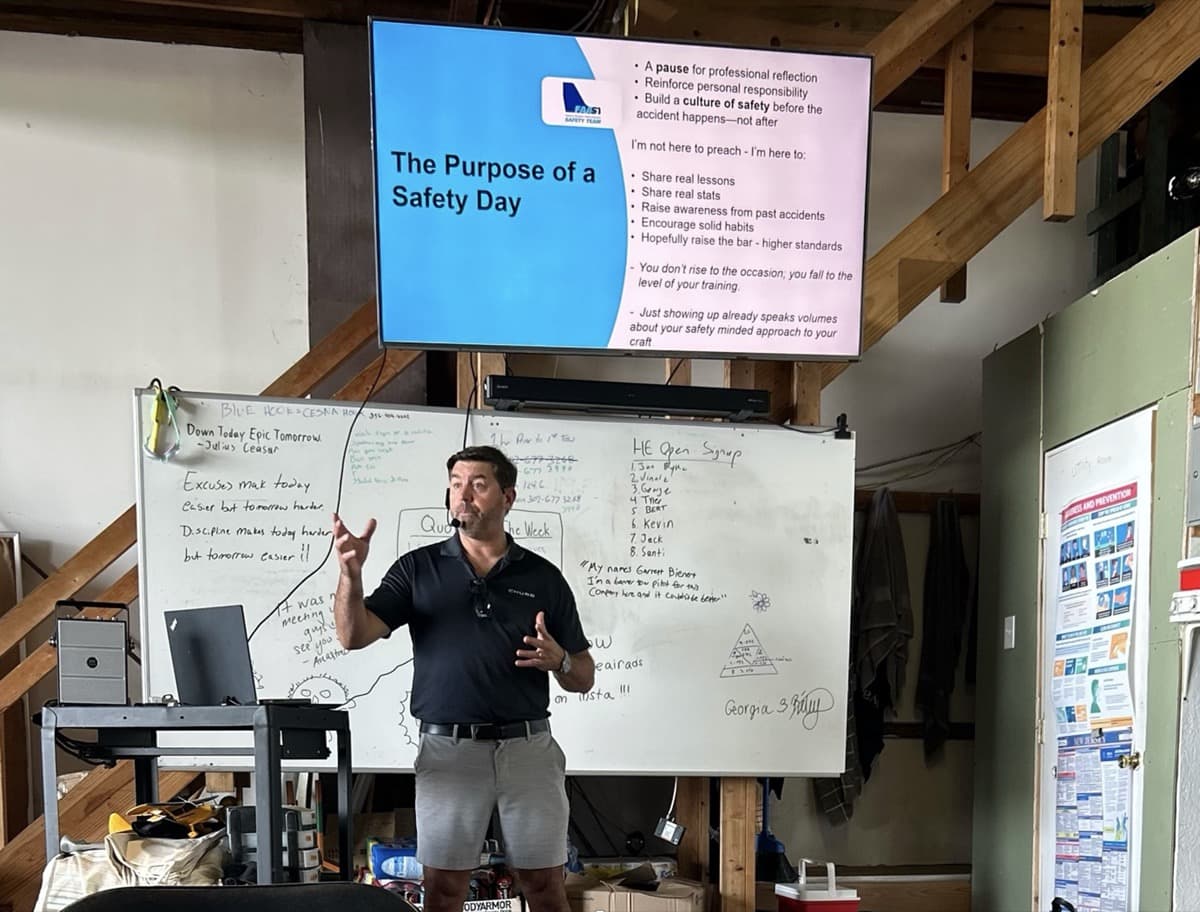
In June 2026 my friend Dave Dempsey, owner of High Exposure Aerial Advertising, and I — with the support of the local FAA FSDO and U.S. Coast Guard — hosted our third annual Banner Tow Safety Day in Woodbine, N.J. Bringing together banner tow pilots and operators from across the region, we reviewed prior accidents, discussed risk mitigation strategies, and shared lessons learned. Just as previous generations of pilots helped shape our careers, we hope to do the same for those coming behind us.
When I think back to those summers flying Cubs and Super Cubs along the Jersey Shore, I still smile with a quiet sense of pride that’s hard to put into words. I remember the pride of wearing a Paramount Air Service T-shirt that read “Jets Are for Kids — Real Pilots Fly Taildraggers,” and being trusted to carry on a tradition and responsibility that had been passed down for more than half a century.
Although the operation changed ownership a few years ago, the values, professionalism, and traditions Paramount instilled continue to live on through the pilots fortunate enough to have been part of it. Many of us went on to airlines, corporate flight departments, military service, and other corners of aviation, but we remain connected by a shared experience and deep respect for what Andre Tomalino and the Tomalino family built.
At the time, I thought I was simply building flight time. Looking back, I was really learning lessons that have served me throughout my career. Those lessons towing banners and the experiences and people that taught them are a big part of why I love flying tailwheel aircraft.

Interesting “tow boom”. Is that pretty common?
The banner tow airplanes I’ve seen (admittedly not very many) had tow hooks on a line attached to a tow hook (with a release) bolted to the t/w assembly– they take off with the hook in the cabin & throw it out the window when they’re ready for a banner pick-up.