

By GREG ANDERSON
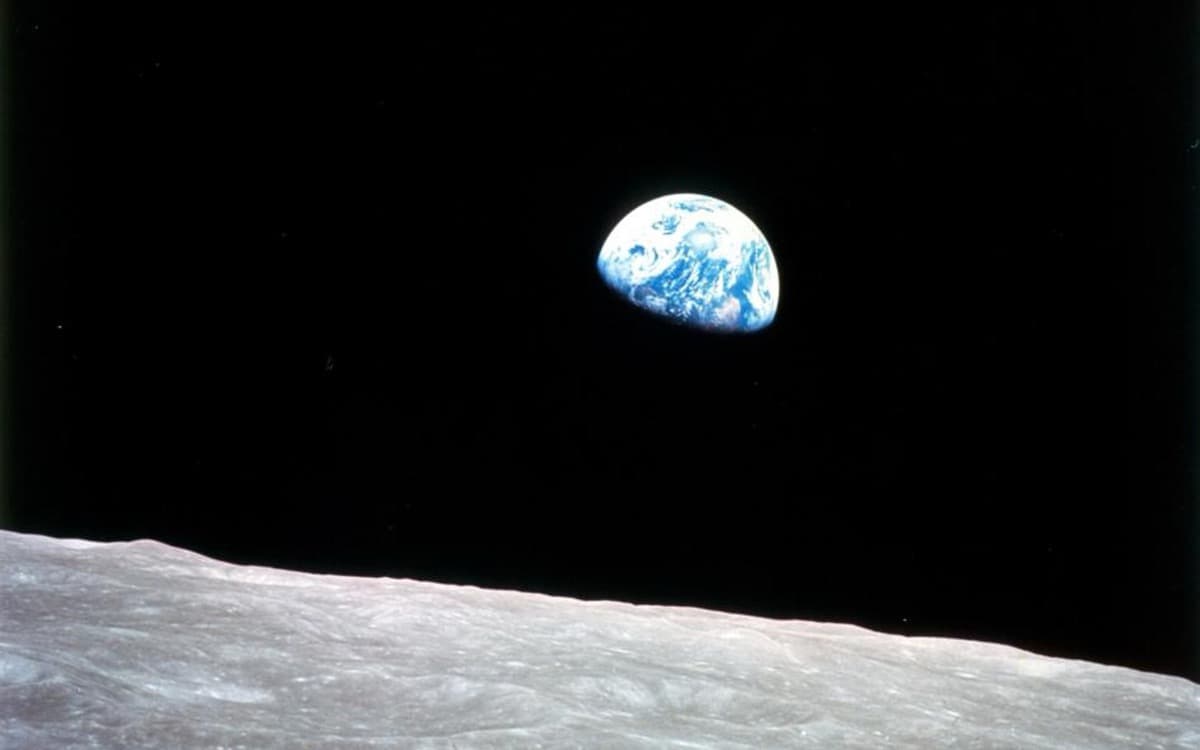
“Oh, my God,” exclaimed astronaut Bill Anders. “Look at that picture over there! There’s the Earth coming up. Wow, that’s pretty!”
It was Christmas Eve of 1968. Coming out of one of the first-ever lunar orbits, Anders and his Apollo 8 crew snapped the stunning “Earthrise” photo of our colorful planet floating in the boundless blackness of space. The lofty perspective uplifted a nation beset by terrestrial divisions from political violence and civil rights riots to assassinations and Vietnam chaos.
In 2026, we are feeling divided again. Today’s worldview is often through the tiny screen of a pocket-size device. But as Americans fly across the country in airplanes, the goose-bump beauty of our world from above can induce a healing experience that writer-researcher Frank White and the Space Studies Institute called the “overview effect.”
Almost every astronaut has returned to Earth transformed by the overview effect, advocating responsible values for all of humanity who call our “blue marble” home. Apollo 14 astronaut Edgar Mitchell called it an “explosion of awareness…an overwhelming sense of oneness and connectedness,” with potentially significant consequences.
He gave voice to his powerful awakening: “You want to grab a politician by the scruff of the neck and drag him a quarter of a million miles out and say, ‘Look at that, you son of a bitch!’”
As pilots, we too can experience the overview effect. Blessed with more than 50 years of flying, I have experienced the effect from varying altitudes.
My highest-ever flight was in an Air Force T-38 when we climbed to almost 50,000 feet before beginning a supersonic descent. I will never forget the awe I felt or the thoughts that overwhelmed me. “Oh my God! I can see forever. Wait, is that, yes… way out there… it’s the curvature of the Earth!”
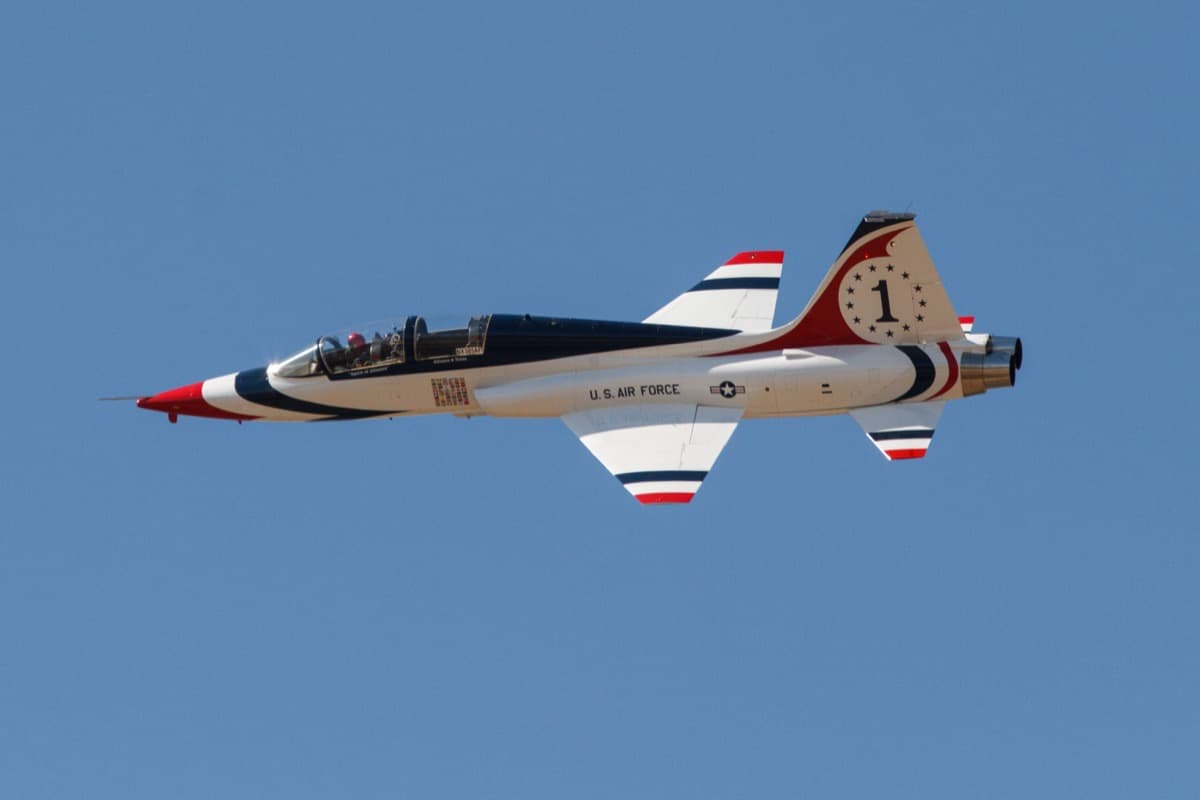
From each side of the needle nose of my T-38, the horizon showed a perceptible bend as I swung my gaze from wingtip to wingtip. Far below, radiant, white clouds hovered lazily over greens and beiges of northern Florida and sparkly blues of the Atlantic Ocean. As I sliced through the sky at .8 Mach, it felt like I wasn’t moving at all.
Hugged inside the embrace of Earth and sky, blissful peace overcame everyday disagreements far below. And then I looked up again. Wow, away from the sun, the sky isn’t bright and it isn’t blue…it’s a deep, dark, mysterious purple! I realized I was peering into the infinite reaches of space and the presence of something profound, supernatural, transcendent.
Even now, words fall short of feelings I remember, but I do recall thinking something mentioned by many astronauts: Man, I wish everyone could see this!
Most flights are much lower, of course, but with a similar sense of awe. From the cockpit of an Air Force KC-135 Stratotanker, I remember endless views and thoughts available to airline and business travelers about nature’s providence. During the day: That snow along the Continental Divide will feed rivers west to the Pacific and east to the Atlantic. Floating at night between dazzling constellations of city lights and stars, earthbound uncertainties faded as the Big Dipper pointed to a certainty that guided countless generations: Ah, there’s Polaris, right where it’s supposed to be.
General aviation flights offer overview effects with arguably more appreciation for how the landscape is stitched together. I flew a PA-12 Super Cruiser for some 30 years, primarily around Wisconsin. Near the geographic midpoint of North America, the world was much closer and the effects more personal.
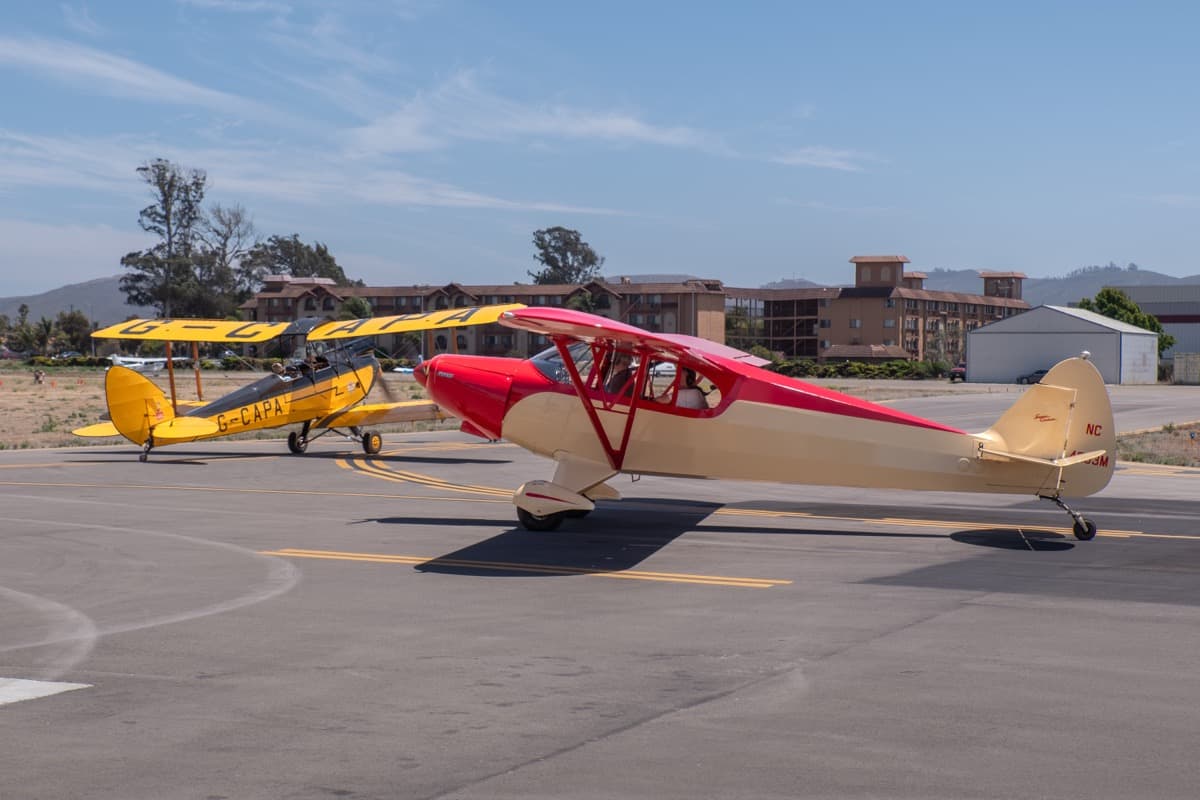
I marveled at the geometry of farm fields that fed my family, odd-shaped splotches of lakes formed by the last Ice Age, ribbons of rivers that brought our first settlers, and changing palettes of the seasons that reminded me of life’s inevitable cycles. I even reveled in my good fortune: “I bet I’d be all stressed out in that traffic jam down there!”
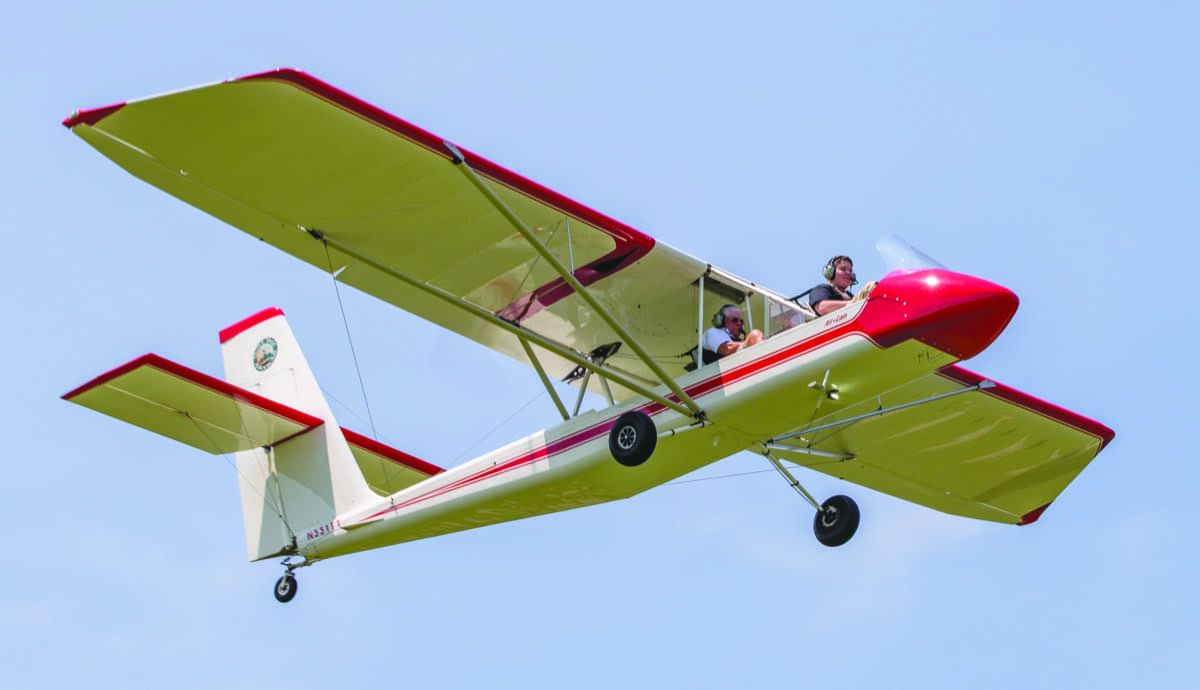
There is much to be said for even lower altitude perspectives. In 2019, I purchased a Lockwood AirCam that brings my aerial view down to a few thousand feet…or a few hundred…or just a few…
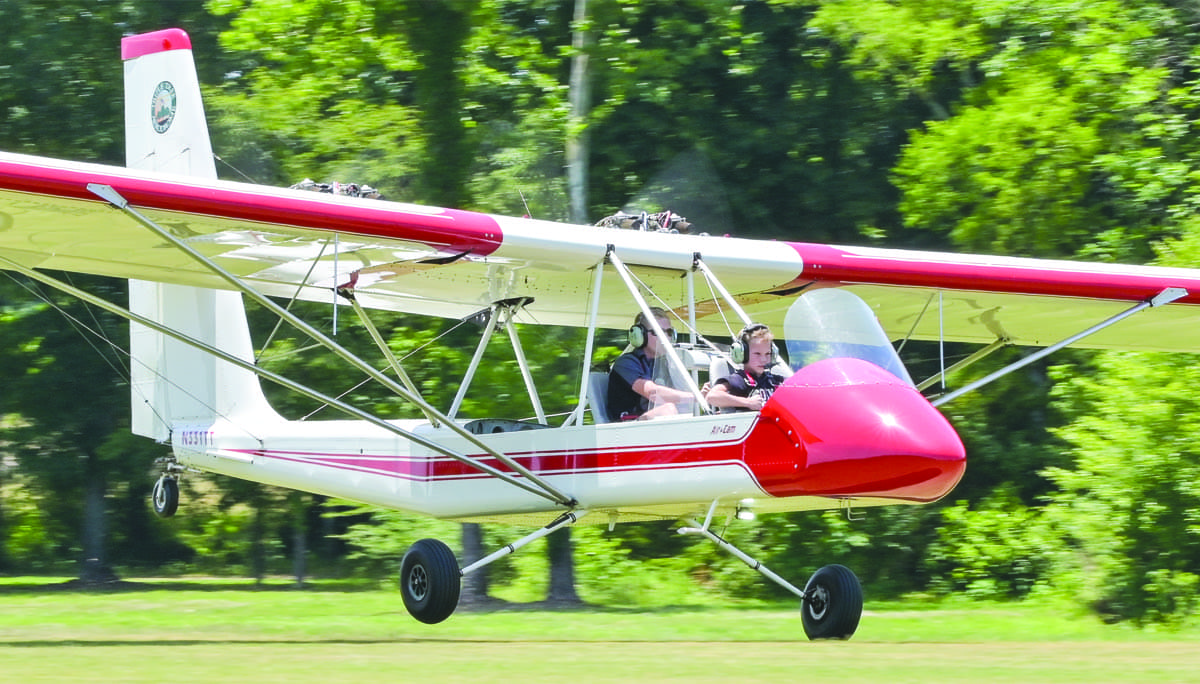
With an open cockpit, tandem seats, two engines for safety, and propellers behind the wings, it was purpose-built for National Geographic in the late 1990s to fly photo missions over Africa. Some 250 are flown today by pilots like me who enjoy perspectives down to treetop levels over sparsely populated areas. I fly it over remote lakes, forests, and wild rivers in northern Wisconsin.
Properly flown, the AirCam’s perspective allows me to see the forest and the trees, and even more: Hey, there’s a bald eagle in that craggy pine along the shore… that’s a pretty waterfall around that bend… good cover for grouse along that trail, gotta come back with Scout this fall….
However high or low we fly, we can perceive connections everywhere that underscore our interdependence on others. Waterways, railroads, and highways in every direction defy dividing lines and our dualistic way of thinking that wants to fit 21st century complications into simple good or bad, red or blue, rural or urban, and so on.
Reflections from the overview effect can indeed help us count our blessings and shift a mindset from either/or to both/and: Seems like we are all connected in more ways than we realize. Perhaps instead of only this way or that, there are in-betweens, maybes, and even ways we haven’t thought about.
Reflecting on his Apollo 8 mission, astronaut Anders would later say, “We came all this way to explore the Moon, and the most important thing is that we discovered the Earth.”
In a world divided by so many things, perhaps we can heed the voice in our heads that comes from the overview effect when we fly: “You know, with all the ways we really are connected down there, maybe we could cut each other some slack once in a while.”
Yes, It is the reason I pilot an airplane. I go to the sky to discover the earth and enjoy. As mentioned before in another post, it never gets old.
As a GA pilot of over 50 years, I never stop to enjoy the peace and tranquility i feel. Soaring has simply added the shear quietness with that same feeling of being freedd from all the chaos and utter nonsense, the leaders of our world have created. For all of us Earth is home. The perspective is easy to see when we can see past the trees.
Nicely put, sir. Thanks for recording your thoughts.They reflect my own, only in a way, that I am incapable of.
You’re right on the money, Greg. My jet days far behind me, I enjoy just going up to look down and it never, ever, gets old.