

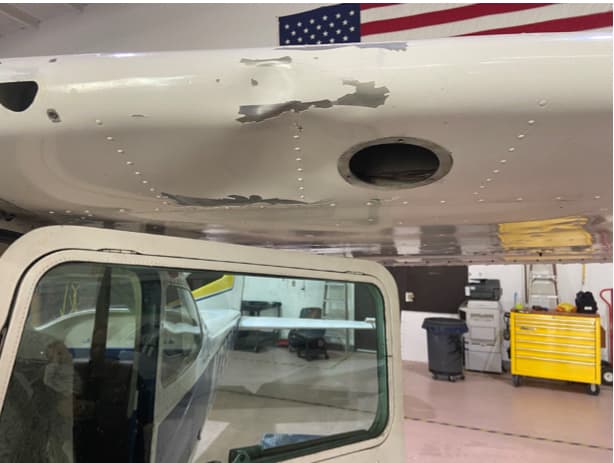
Probable Cause: An inflight collision with a bird during initial climb.
NTSB Accidents
Loss of control leads to ground loop
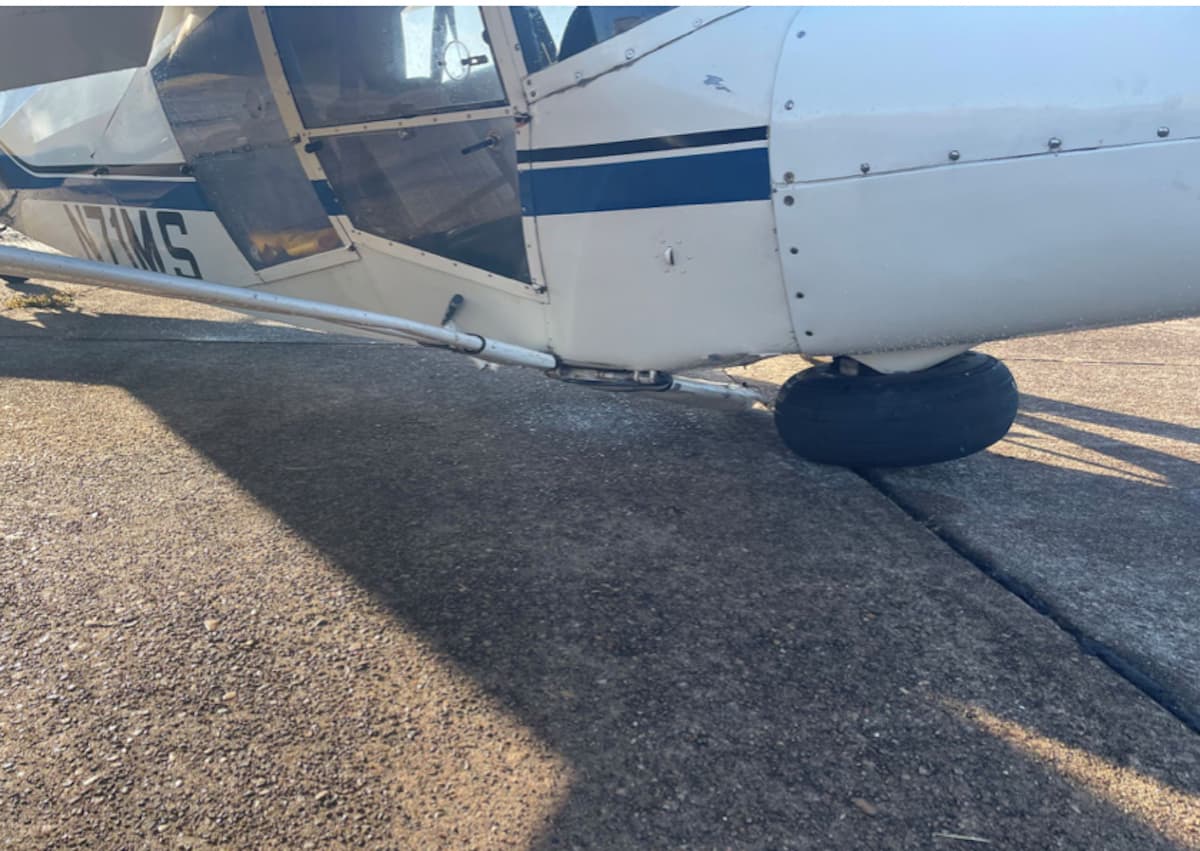
Probable Cause: The pilot’s failure to maintain directional control during landing in crosswind conditions, which resulted in a ground loop on the runway.
Training flight ends with collision into fence
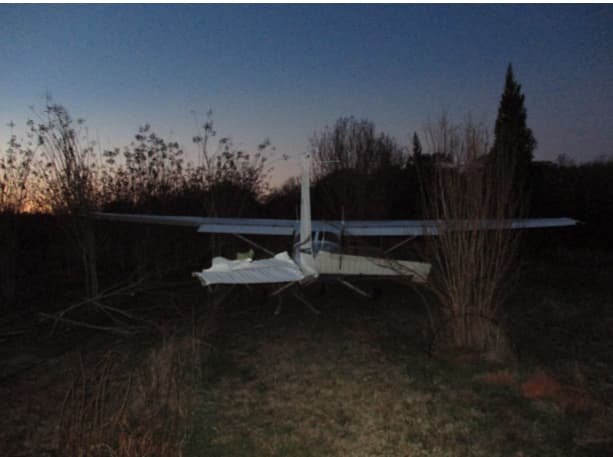
Probable Cause: An encounter with a downdraft while maneuvering at low altitude, which resulted in a collision with a fence.
Helicopter destroyed when student panics
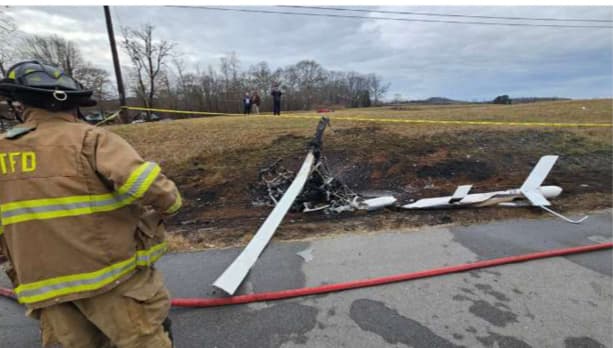
Probable Cause: The pilot’s failure to maintain control of the helicopter, which resulted in the right skid contacting the ground and a subsequent rollover.
Transition training flight ends in crash
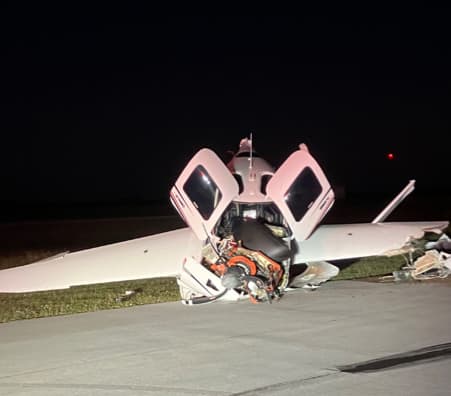
Probable Cause: The flight instructor’s failure to maintain control of the airplane after encountering a wind gust during landing.
Sightseeing flight ends in river
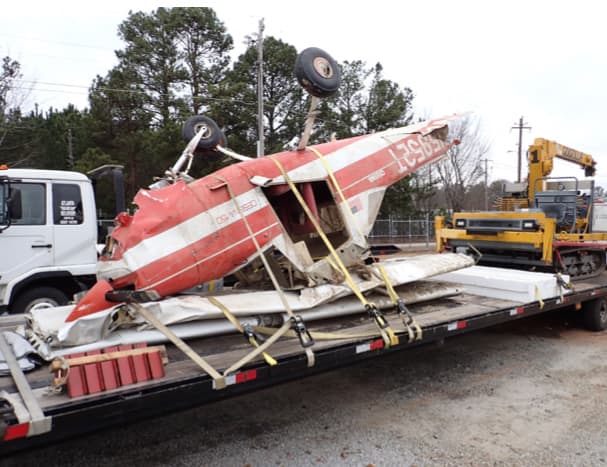
Probable Cause: The pilot’s decision to operate the airplane at a low altitude over a river, and his failure to maintain clearance from the river while maneuvering.
Crosswind landing bends Cessna 172
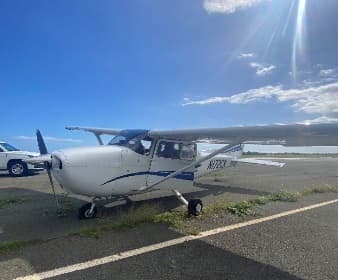
Probable Cause: The first pilot’s failure to maintain a stabilized approach, in gusty crosswind conditions, in an environment favoring wake turbulence.
Improper maintenance leads to collapse of landing gear

Probable Cause: The improper maintenance of the main landing gear, which resulted in a collapse and overstress failure of the left main landing gear during landing.
Cowling strikes windshield after separating in flight
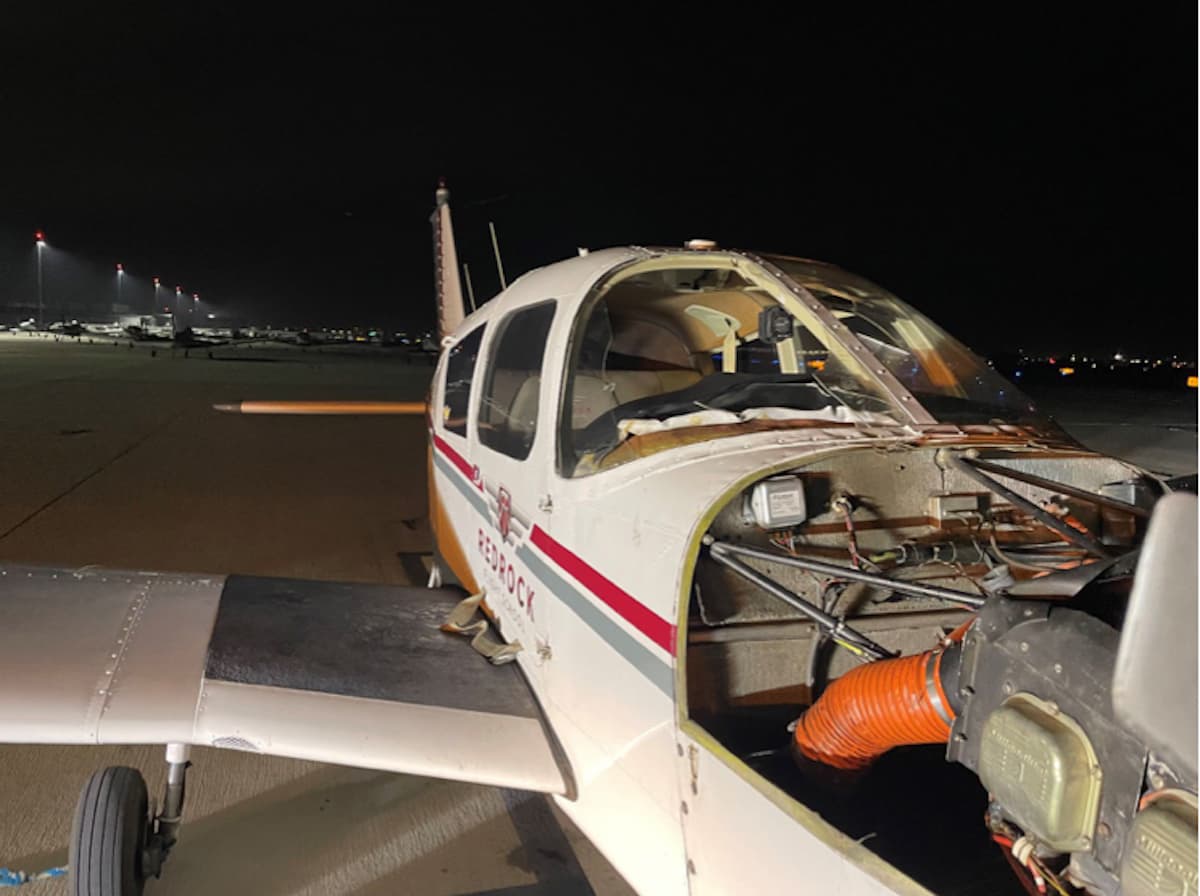
Probable Cause: A failure of the engine cowling right side latch pin and fasteners, which resulted in the partial separation of the engine cowling during flight.