

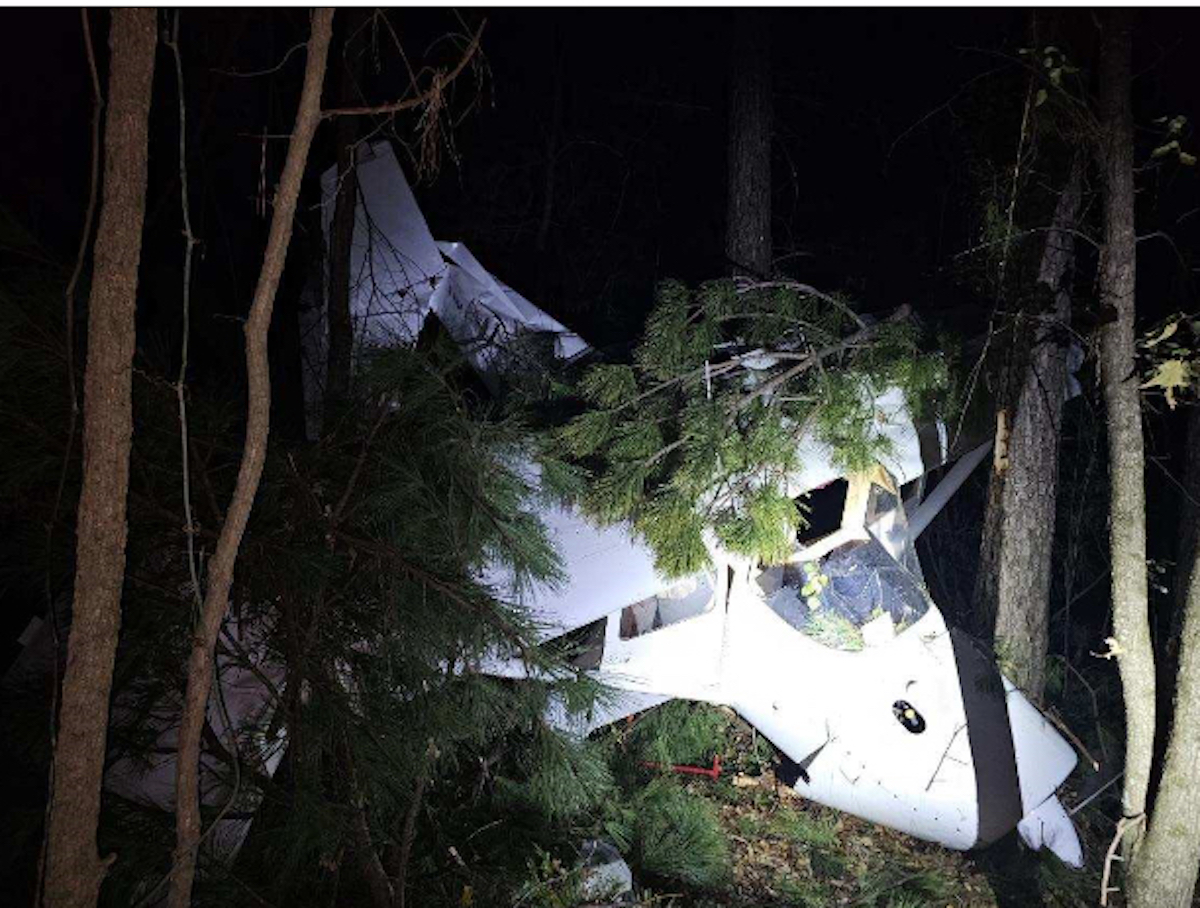
Probable Cause: The pilot’s improper decision to attempt a go-around with full flaps extended, which resulted in decreased climb performance and led to a collision with trees.
NTSB Accidents
Taylorcraft hits runway closure sign
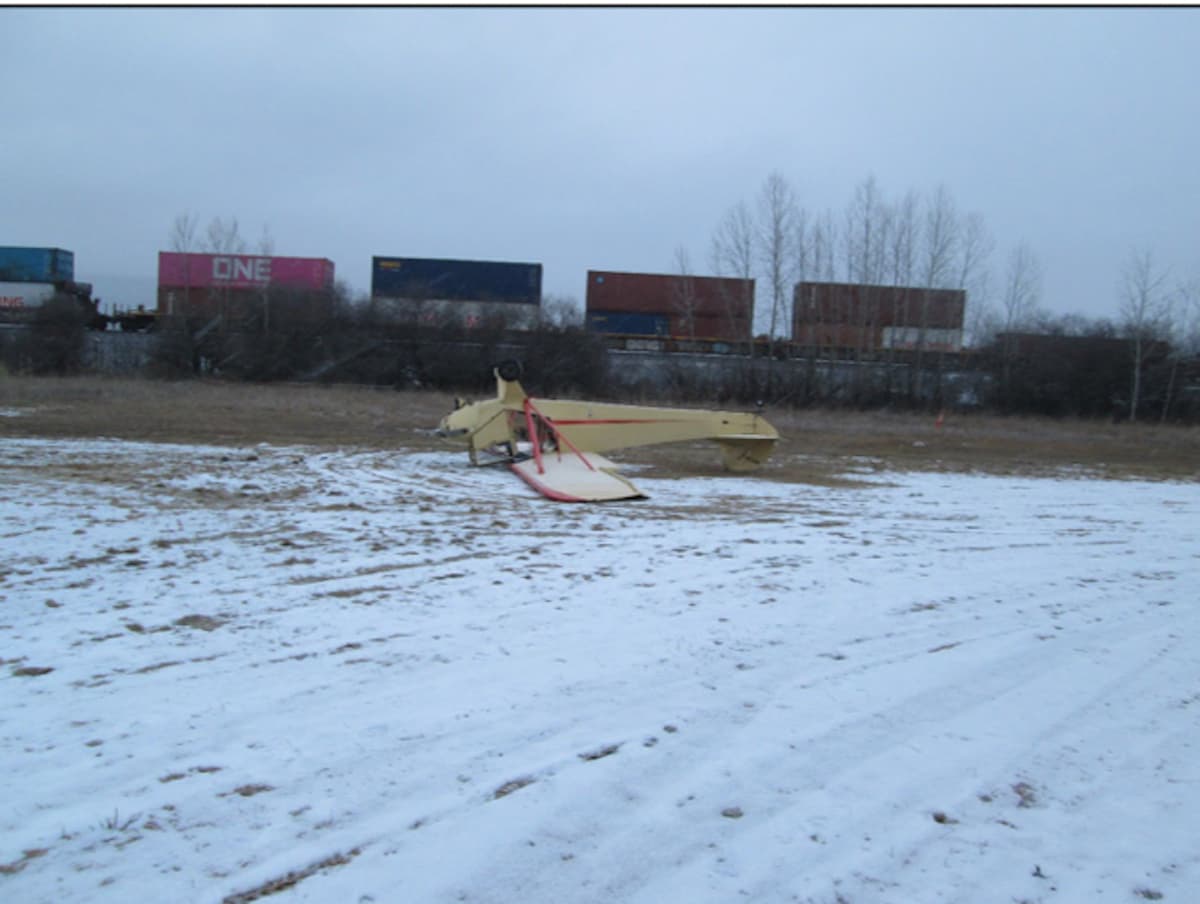
The failure of the airport authorities to renew the airport closure NOTAM for the airport. Contributing to the accident, was the pilot’s inability to see the runway closure sign.
Amphib lands on water with landing gear down
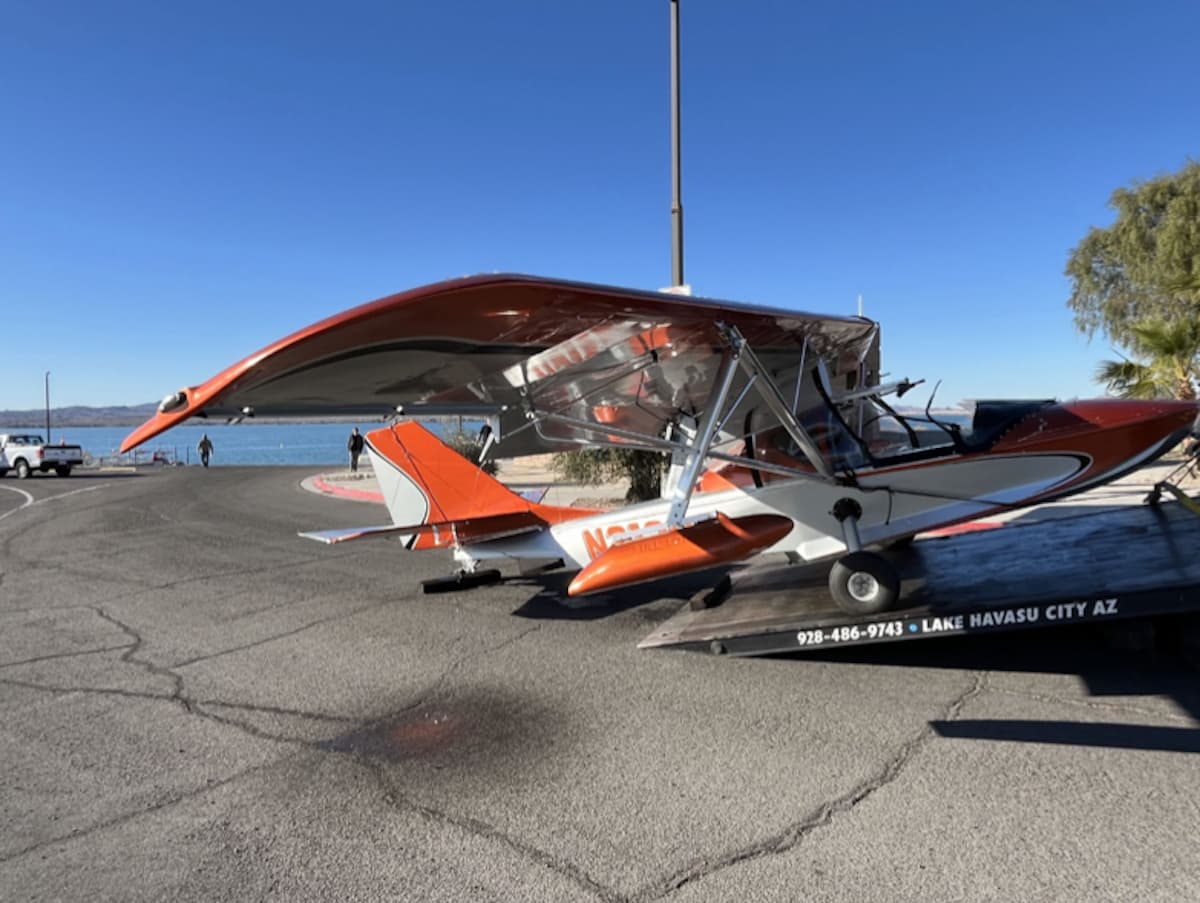
Probable Cause: The pilot’s failure to confirm the landing gear was configured for a water landing during the approach. Contributing to the accident was the pilot’s deviation from the airplanes operating procedures by previously pulling the landing gear circuit breakers, which resulted in the landing gear not retracting when commanded during takeoff.
Cessna 172 bent from jet blast
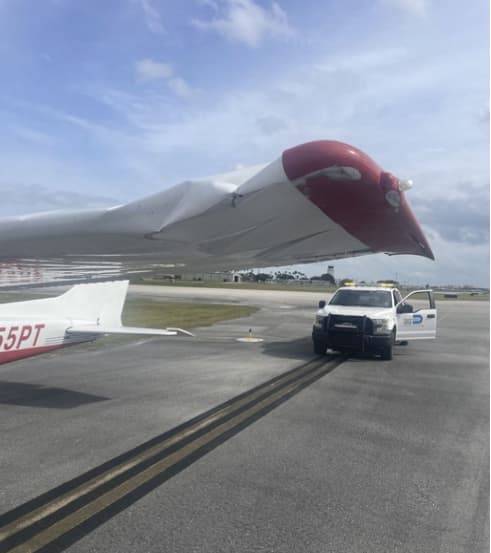
Probable Cause: The business jet flight crew’s failure to appropriately position their airplane to mitigate the impact of their extended duration, high-power engine run, and their failure to adequately communicate these factors to air traffic control, which resulted in the accident airplane encountering their jet blast while taxiing.
Fuel exhaustion ends aerial survey flight
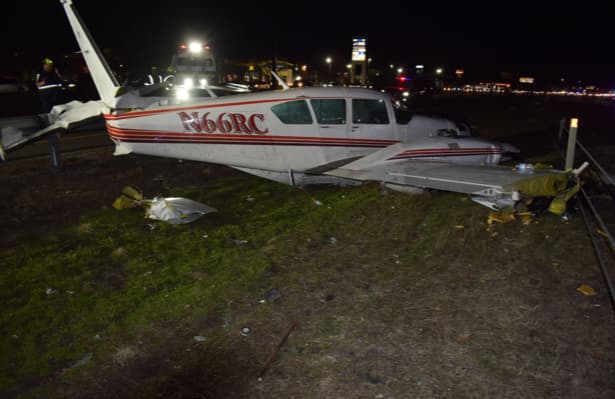
Probable Cause: The pilot’s inadequate fuel planning and improper in-flight decision-making, which resulted in a total loss of engine power due to fuel exhaustion.
Student and CFI seriously injured during touch-and-go landing
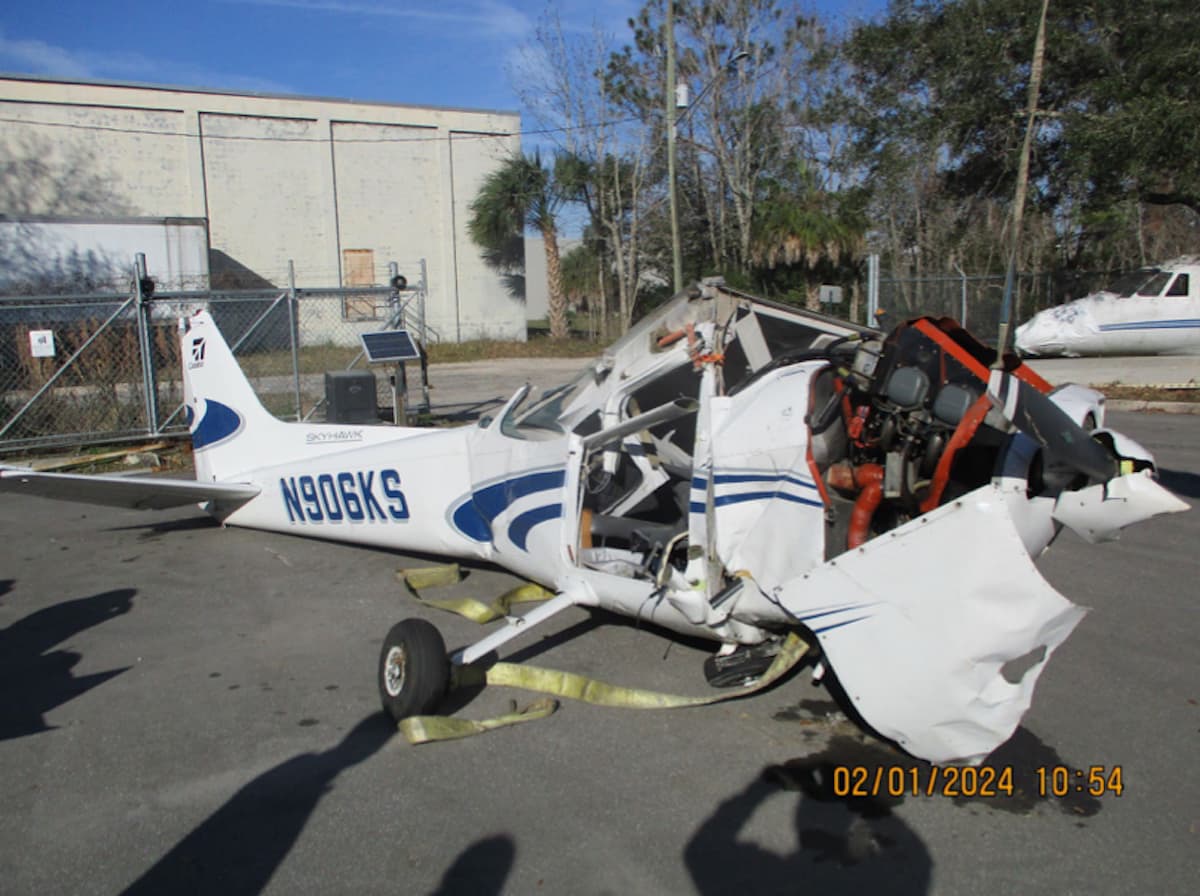
Probable Cause: An aerodynamic stall from which the pilots did not recover while maneuvering in the airport traffic pattern.
Cessna 172 breaks through ice while landing on frozen lake
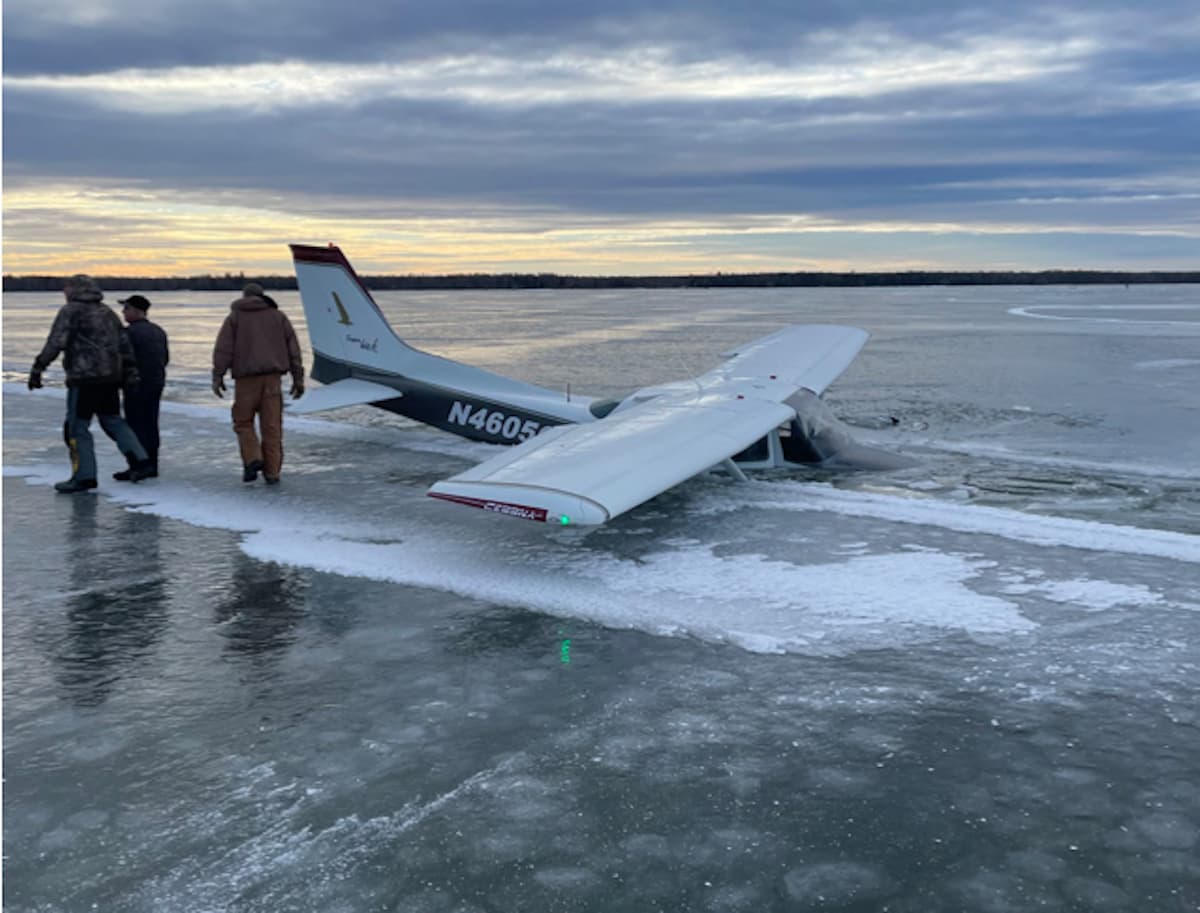
Probable Cause: The pilot’s inadequate landing surface evaluation and failure to stop the airplane on the frozen lake, which resulted the airplane continuing into a crack in the ice.
Hydraulic fluid leak leads to landing gear collapsing
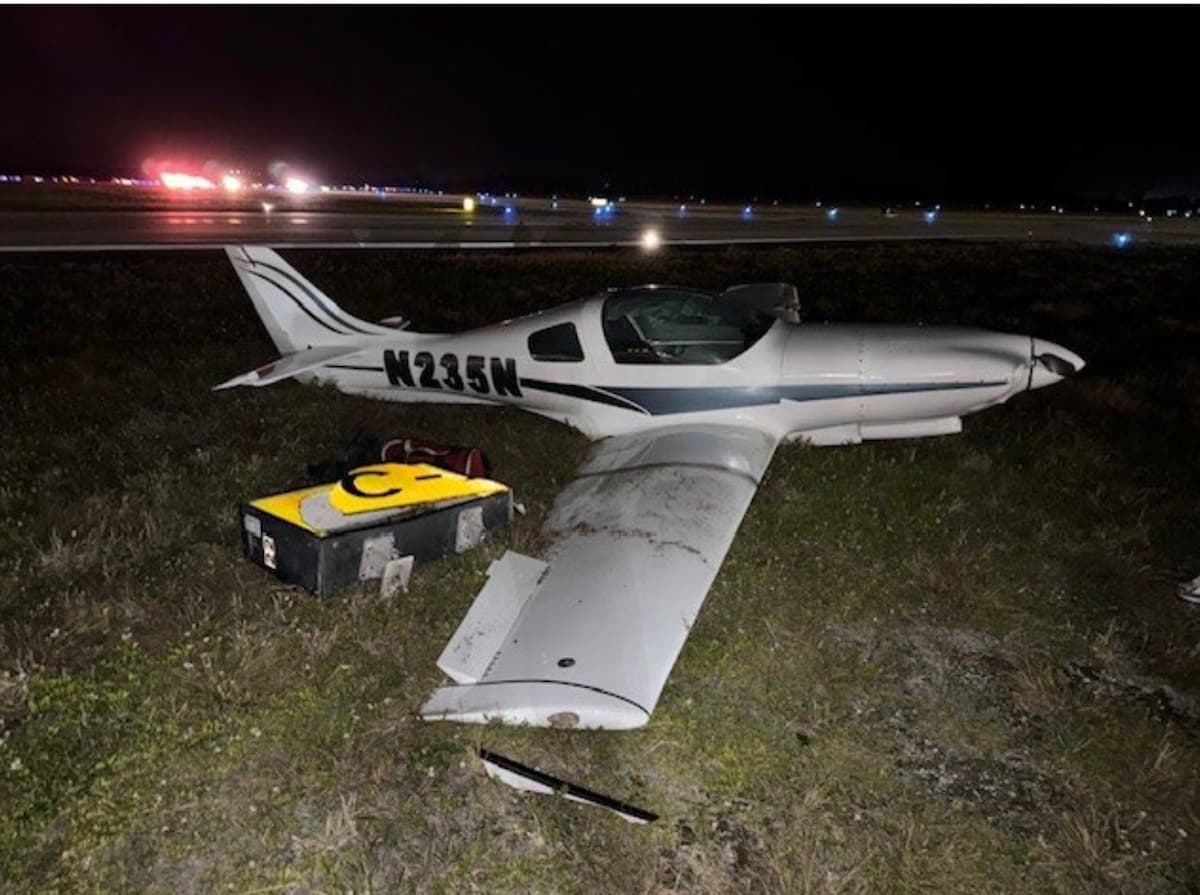
Probable Cause: A landing gear collapse due to a hydraulic fluid leak in the landing gear system.
Mooney pilot loses control while landing
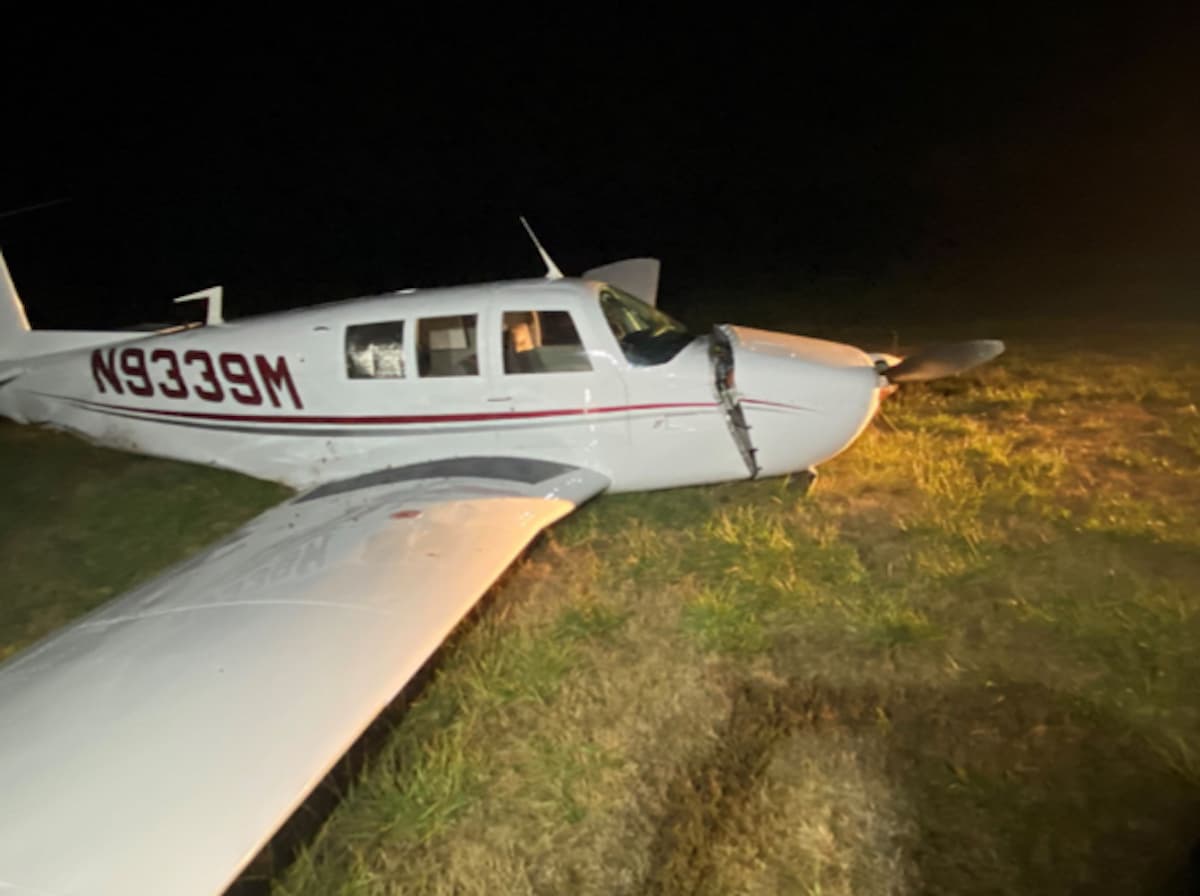
Probable Cause: The pilot’s exceedance of the airplane’s critical angle of attack while on final approach to land, which resulted in an aerodynamic stall, a loss of airplane control, and impact with terrain.