
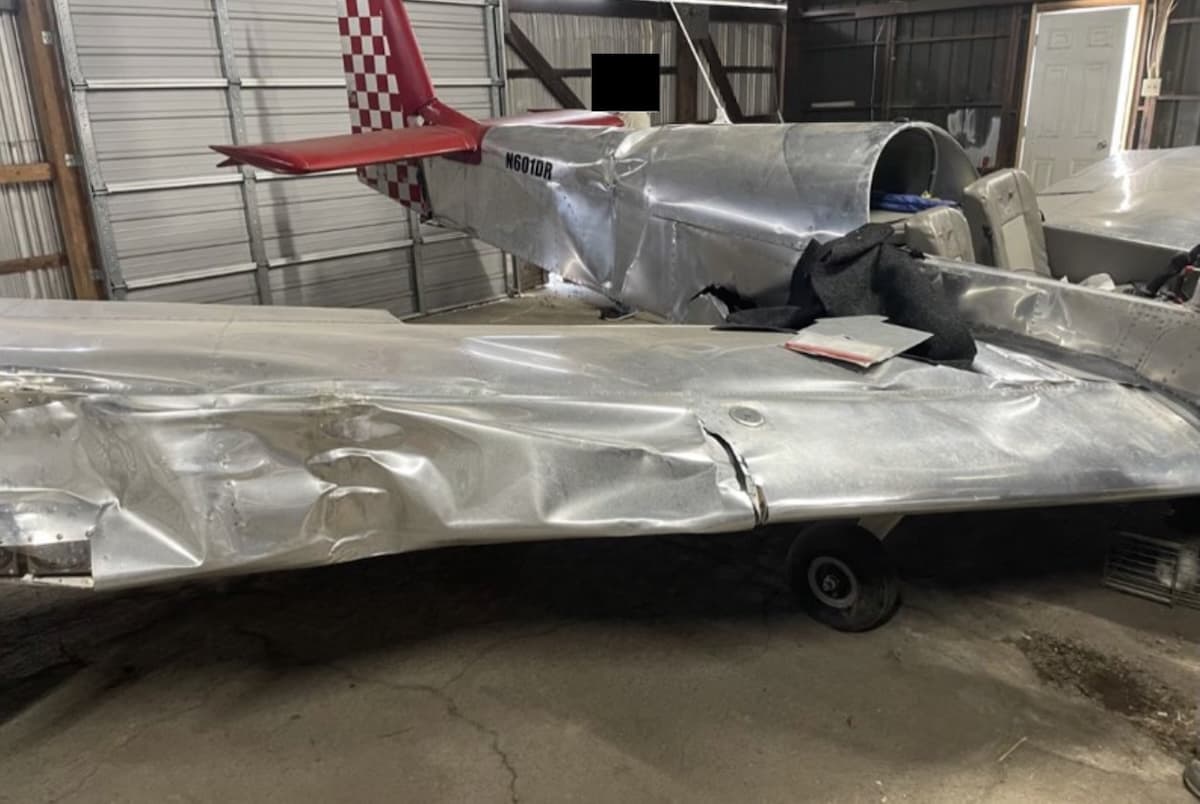
Probable Cause: A total loss of engine power as a result of an improperly fabricated fuel-air mixture cable bracket. Contributing was the pilot’s decision to fly the airplane with a known mechanical engine issue, and the presence of another airplane that was back taxiing on the runway while the pilot was attempting to maneuver the airplane for landing.
20260402
Engine Modifications Prove Fatal for Pilot

Probable Cause: The pilot/builder’s modifications of the motorglider’s engine, which resulted in an excessively lean fuel air mixture, preignition, piston failure, and a subsequent total loss of engine power during the initial climb. Contributing to the outcome was the pilot’s failure to maintain airspeed and his exceedance of the motorglider’s critical angle of attack following the loss of engine power, which resulted in an aerodynamic stall/spin at an altitude too low to recover.
Landing Gear Fails Right After Annual

Probable Cause: An overstress fracture of the left main landing gear actuator, which resulted in the failure of the left main landing gear to fully extend and lock into place.
Water and Debris in Fuel Brings Down Rarely-Flown 172
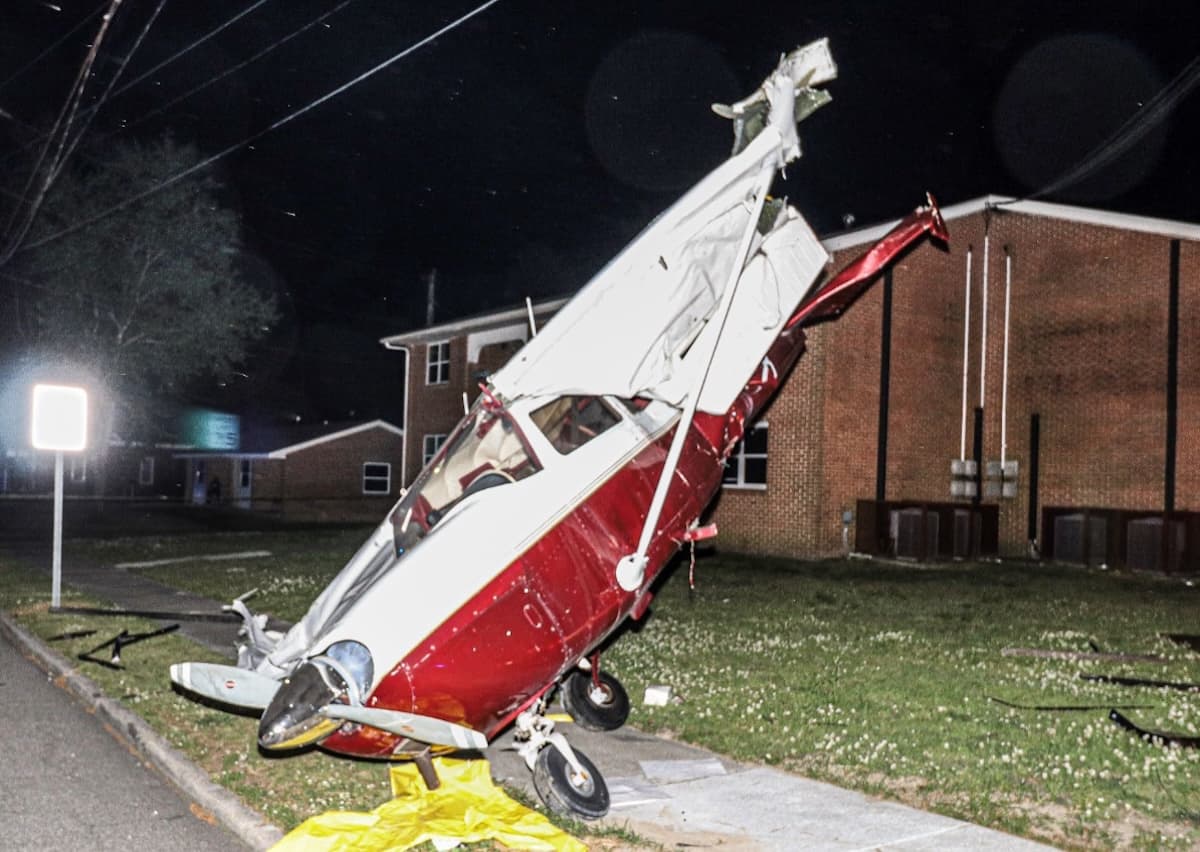
Probable Cause: The pilot and mechanic’s failure to identify and completely eliminate the water and debris contamination present in the airplane’s fuel system before embarking on the flight, which resulted in a total loss of engine power.
First Flight After Oil Sump Repair Ends in Crash
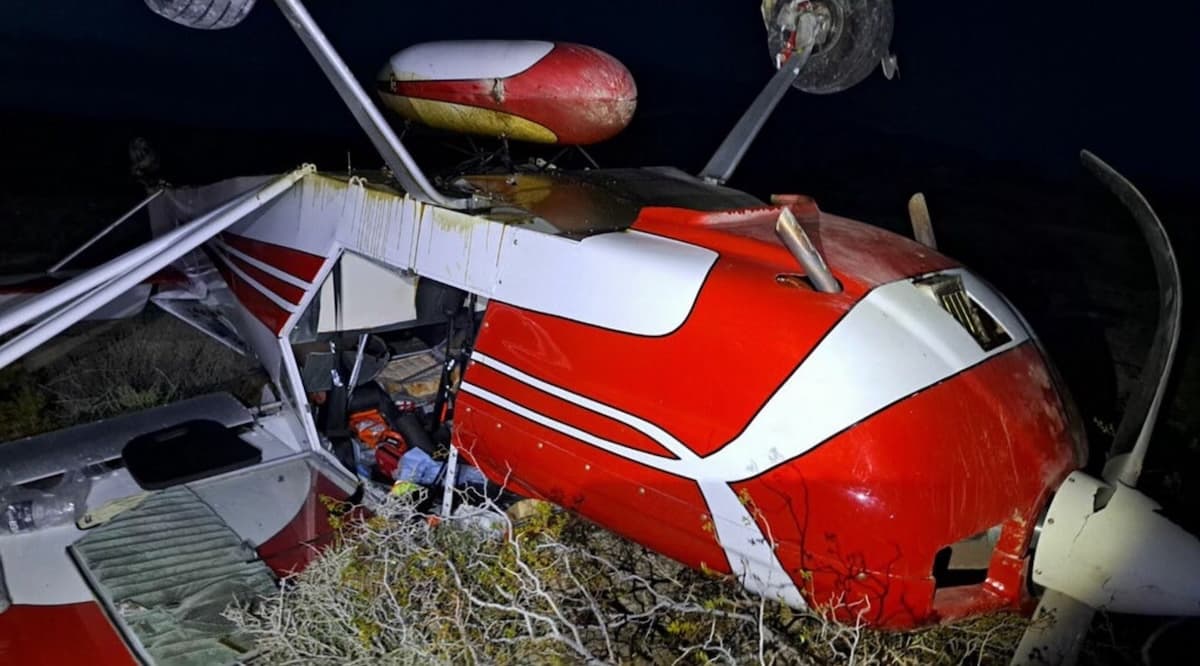
Probable Cause: The pilot’s improper repair of the oil sump, which resulted in a loss of oil pressure and collision with terrain during a precautionary landing.
C172 Crashes After Failure of Nose Oil Seal
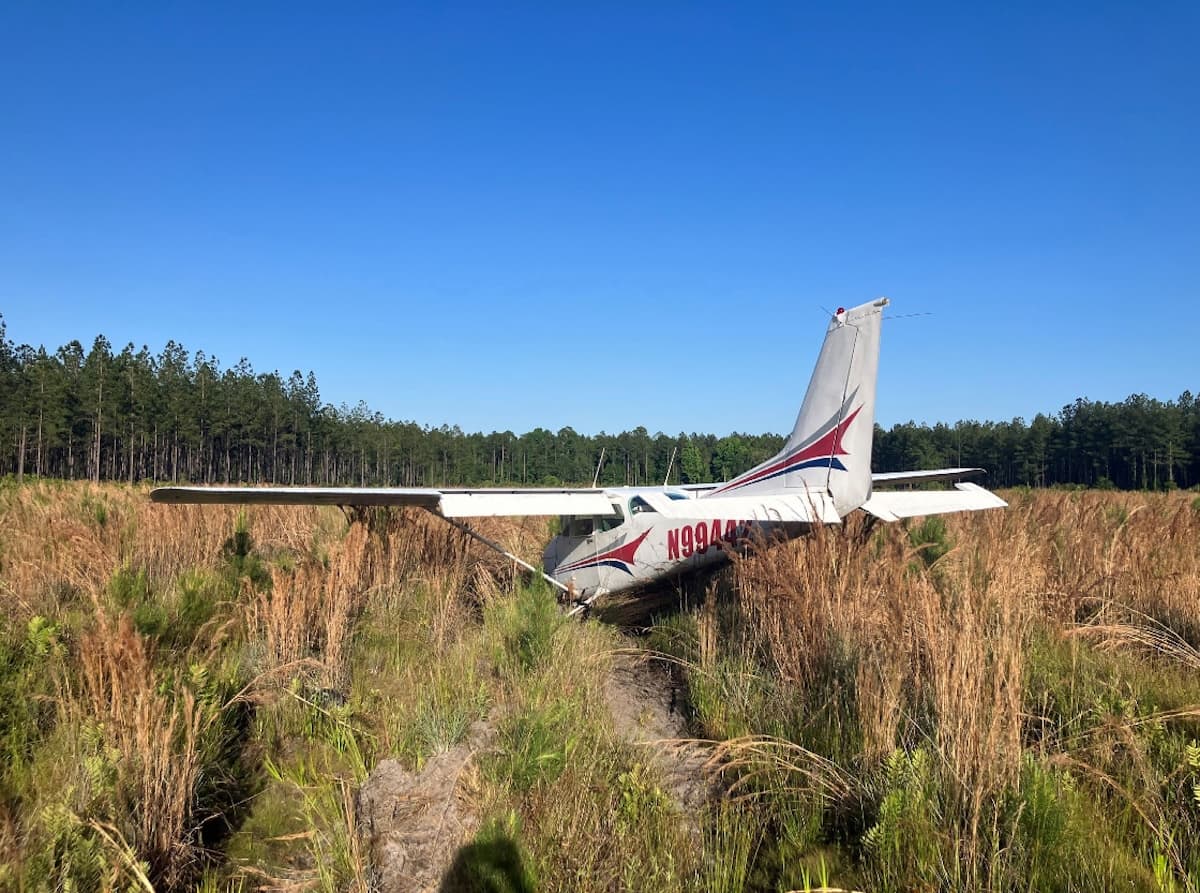
Probable Cause: The failure of the nose oil seal to remain secure in the engine crankcase, which resulted in a loss of engine oil and partial loss of engine power.
The Magic Carpet of General Aviation
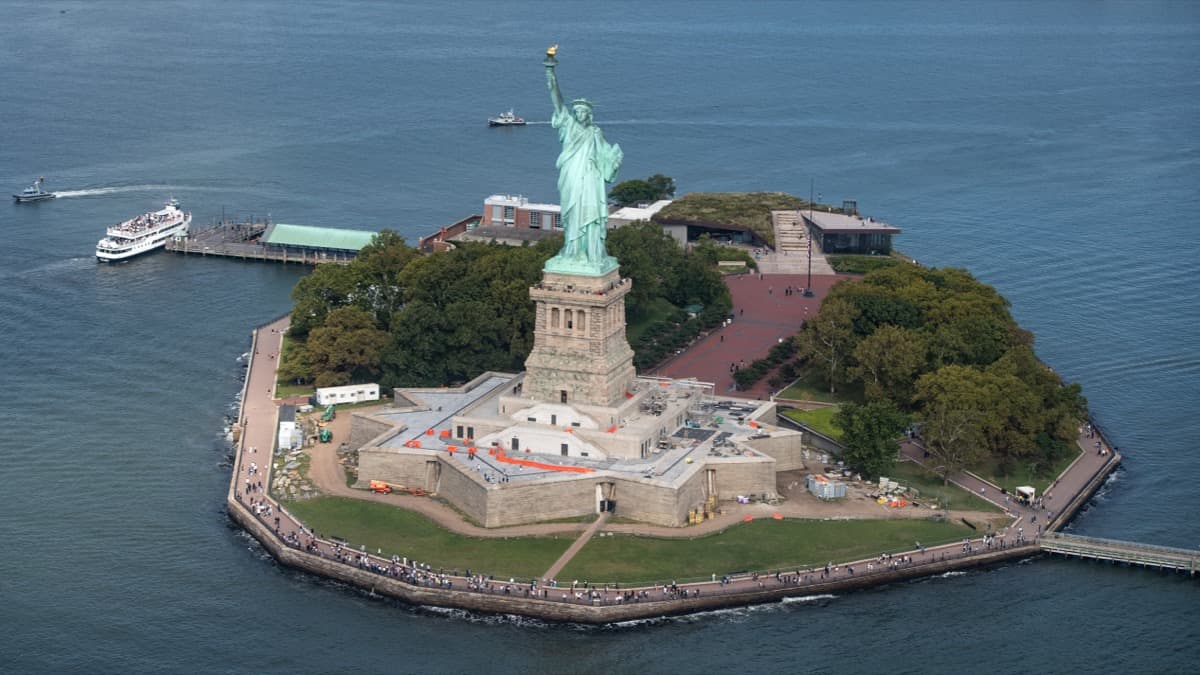
A five-day flight from Manitoba to New York City showcased the best of the city, as well as the Great Lakes and beyond — a trip only possible through general aviation.
Takeoff with Quartering Tailwind Goes Awry
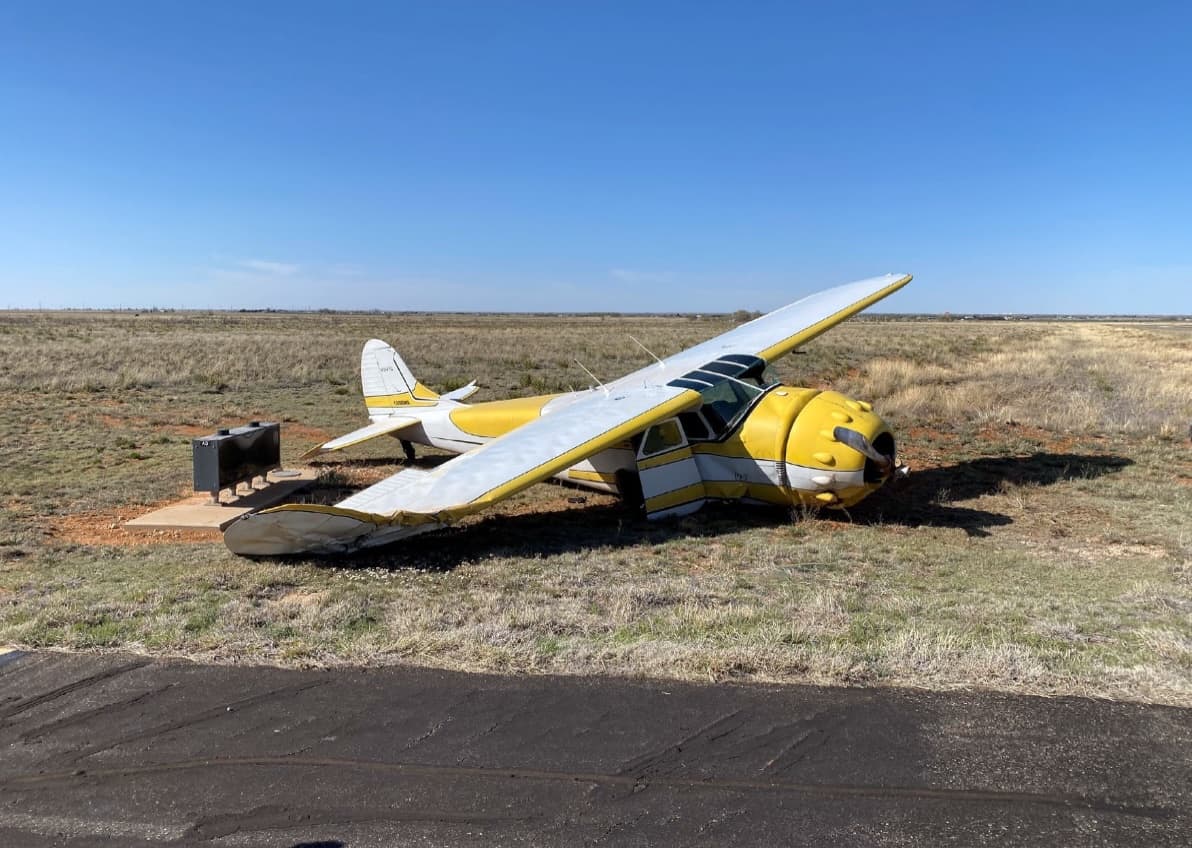
Probable Cause: The pilot’s decision to take off with a quartering tailwind and his subsequent failure to maintain directional control. Contributing to the accident was the pilot’s improper elevator control inputs during takeoff.
CFI Takes Control During Landing, Then Loses Control
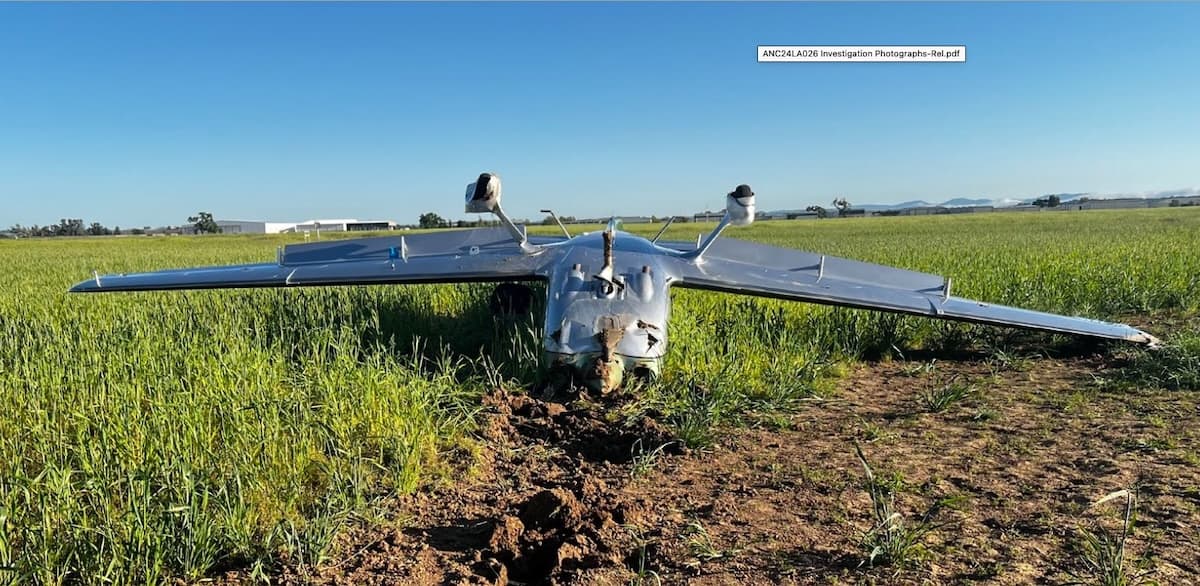
Probable Cause: The flight instructor’s failure to maintain adequate airspeed during landing which resulted in a loss of directional control and runway excursion. Contributing to the accident was the pilot receiving instructions failure to maintain runway alignment.