

“Nobody can tell a PIC what to do at a non-towered airport,” is the common refrain from those who treasure their anti-authority stance. Many people believe this, too. Even though it is clearly untrue.
20260604
More Eyes in the Sky: FAA Plans Expansion of Weather Cameras
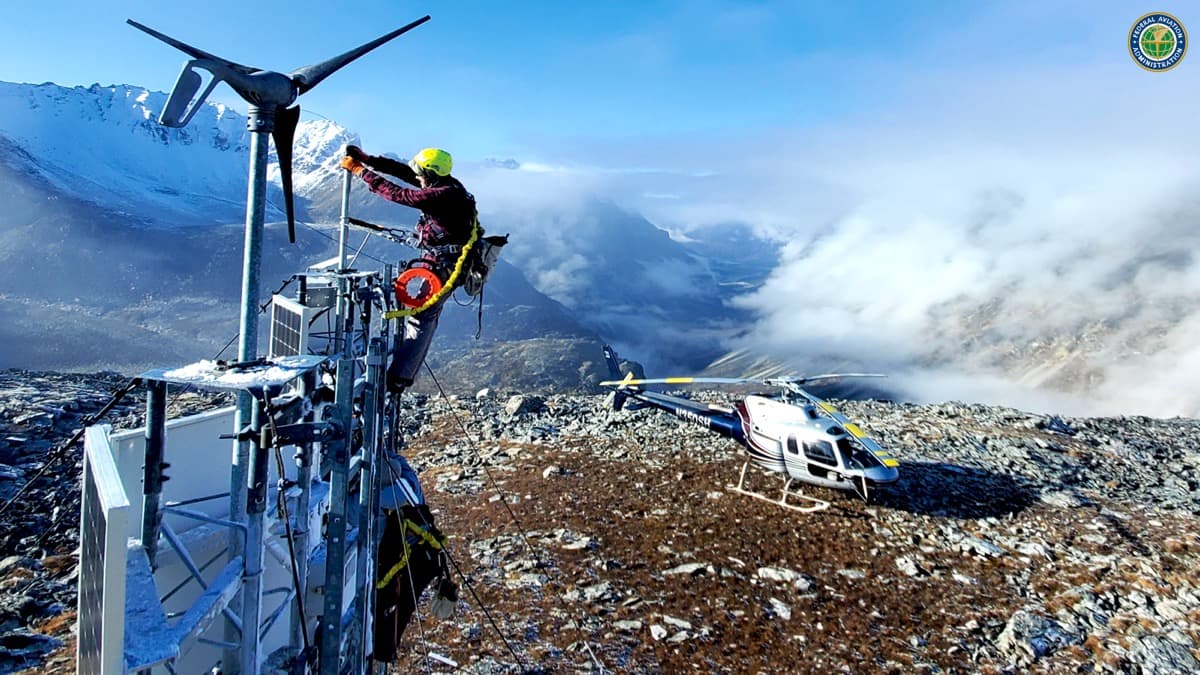
Spurred by the FAA Reauthorization Act of 2024 and the new Air Traffic Control System initiative, the FAA plans to add 64 new weather cameras at airports in the National Airspace System by the end of 2028. This is in addition to the previously planned installation of 160 additional weather camera sites by 2031.
New Legislation Aims to Bridge Information Gap on Unleaded Avgas

Lawmakers have introduced the UNLEADED Act, a bipartisan bill requiring the FAA to establish an education program for general aviation’s transition to lead-free fuel.
A Cleaner, Faster Way to Time Piston Engines
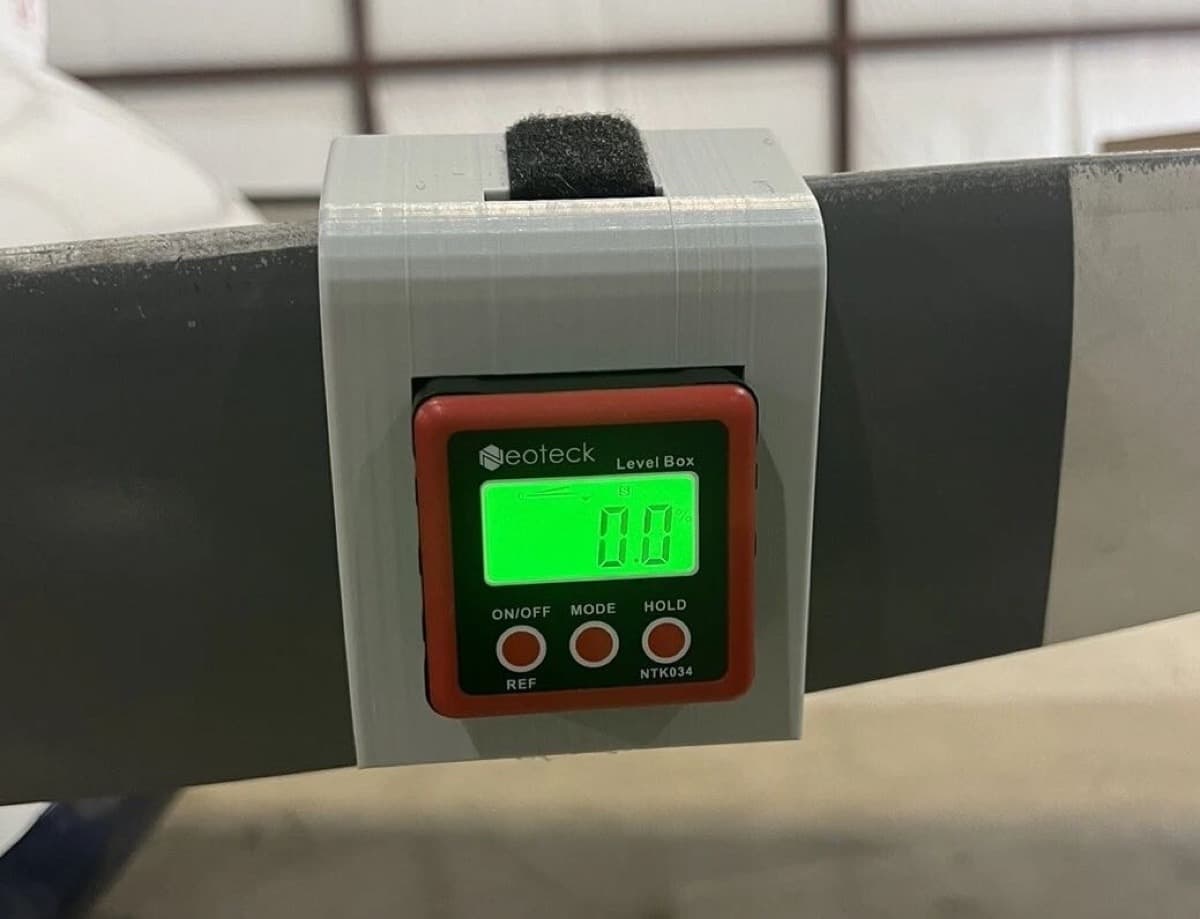
The Aerosync Timer addresses a long-standing frustration in the hangar: The need for tape or adhesives to secure timing tools to the propeller. Traditional methods often leave behind a sticky residue that requires extra cleaning and can potentially damage finishes. The Aerosync Timer solves this with a custom-engineered, 3D-printed case that slides onto the propeller blade and is secured by a Velcro strap.
New Edition of the Aviation Weather Handbook Released
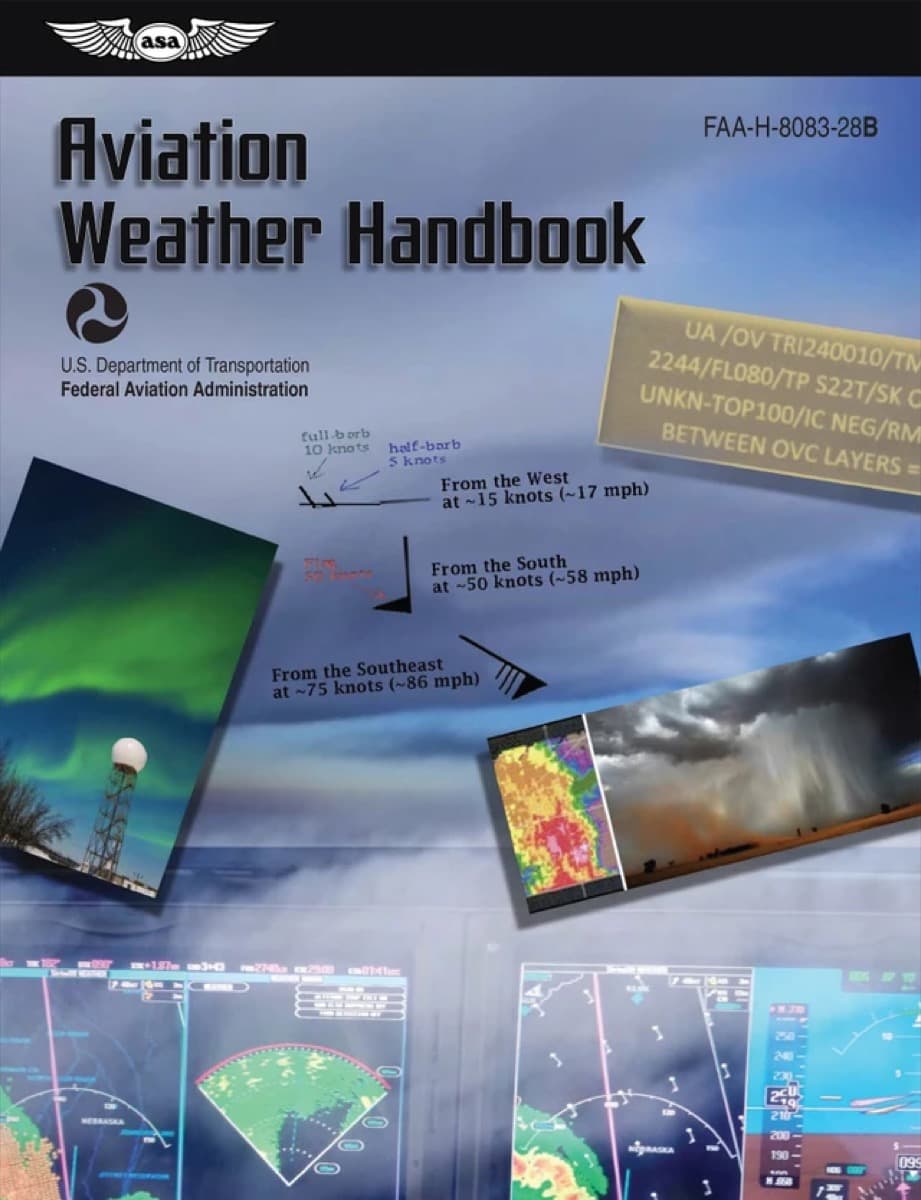
New content is added on icing, radar interpretation (including chaff), and space weather, while outdated tools are replaced with modern resources, such as the Graphical Forecast for Aviation (GFA), giving pilots access to the most relevant, real-world weather information available today.
Is Your Airplane’s Seat Belt Up to Standards?
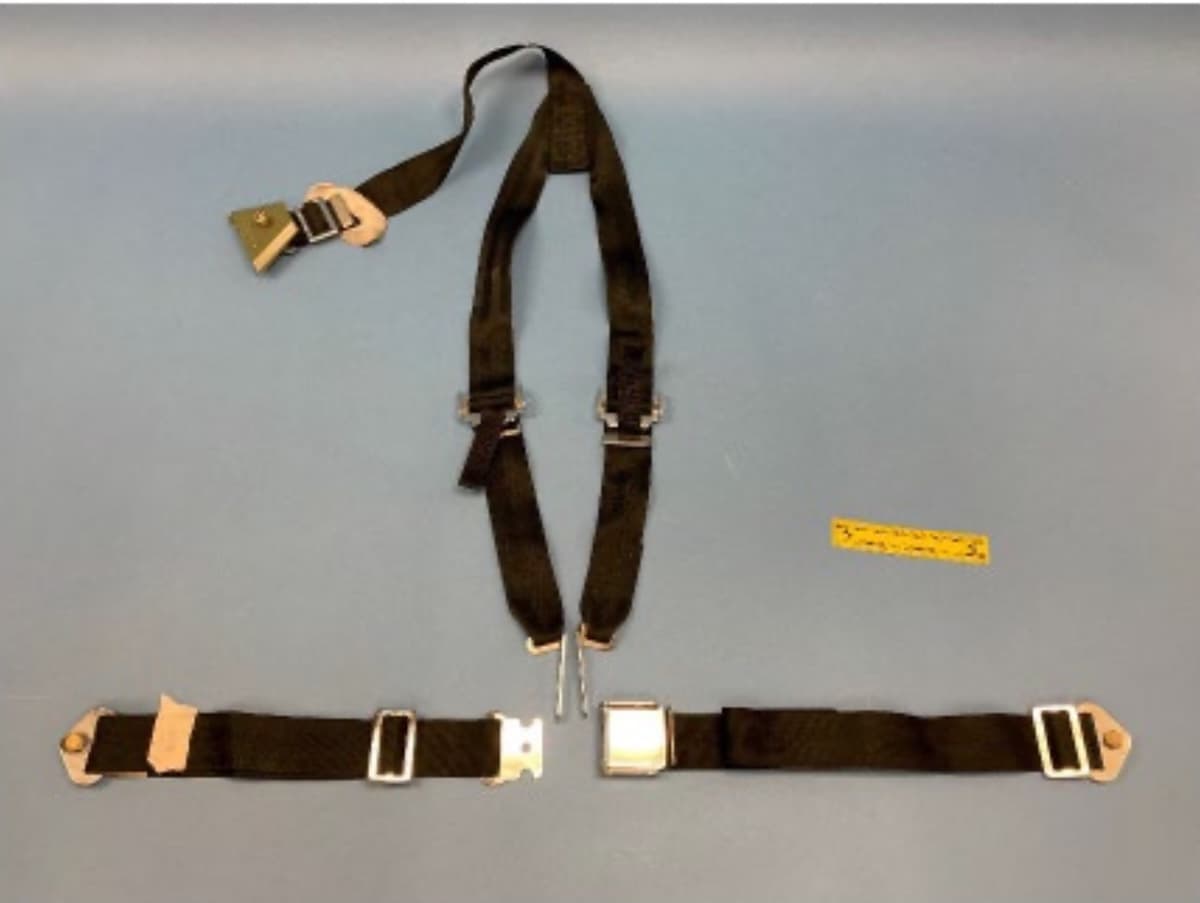
The FAA has issued a Special Airworthiness Information Bulletin following reports of restraint system failures in general aviation accidents, leading to serious injury and death.
Sporty’s Introduces Flight Gear Headset Case

Built from EVA foam with a rigid molded shell, the case shields headsets from bumps, crushing forces, and hangar rash.
Reducing the Risks of Circle-to-Land Approaches
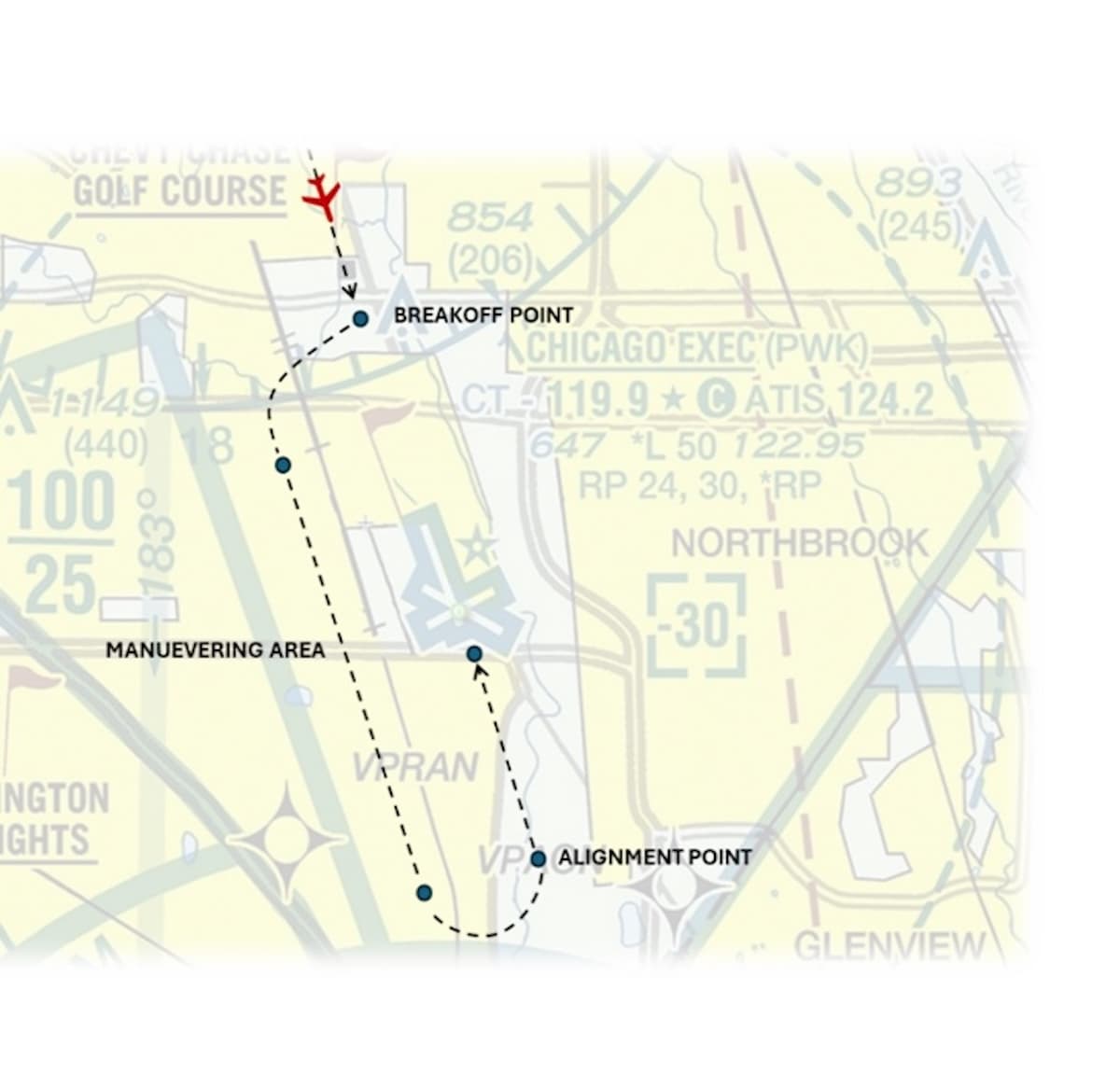
A recent analysis of circle-to-land approaches has resulted in a new Circle-To-Land Approach Hazards resource for general aviation pilots.