
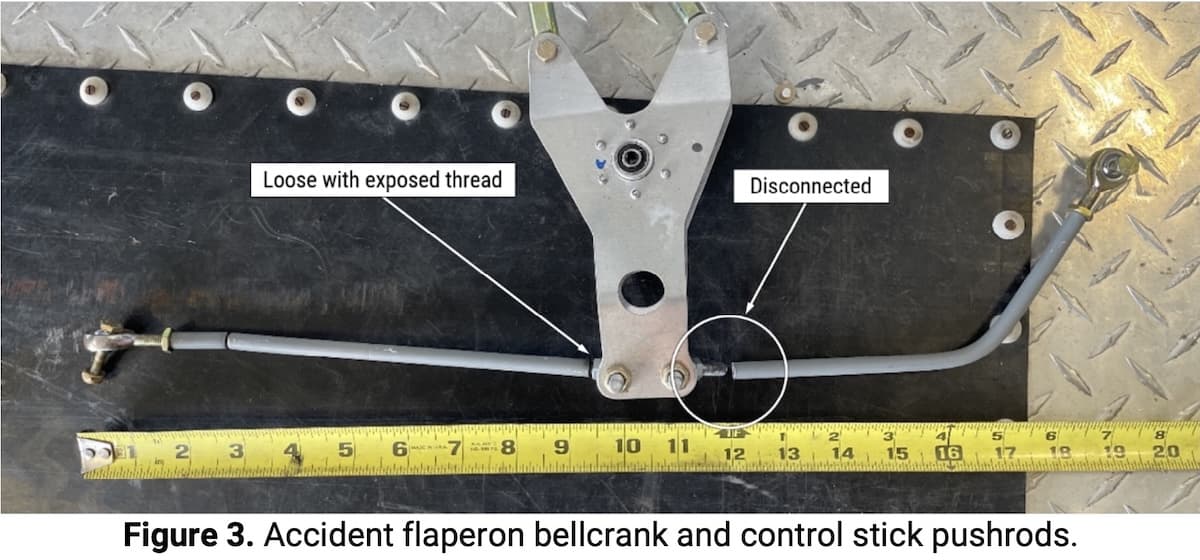
Probable Cause: The pilot’s improper installation of the control stick pushrod assemblies, which resulted in separation of the left pushrod and a total loss of roll control during flight. Contributing to the accident was the failure to detect the installation error during the airplane’s construction, inspection, and subsequent maintenance.
NTSB
Assumptions About Fuel Factor Into Colorado Crash
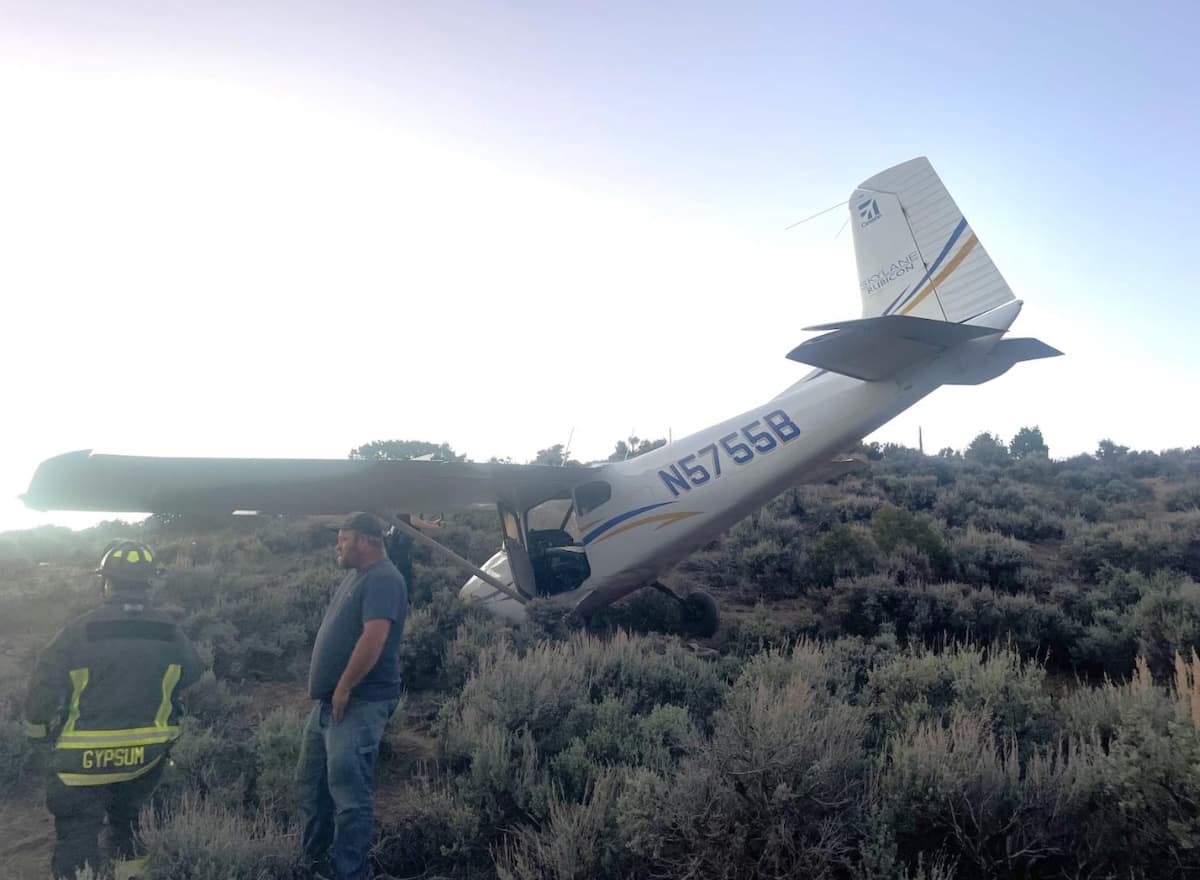
Probable Cause: The failure of the flight instructor and the pilot to visually confirm the airplane’s fuel quantity during preflight, which resulted in a loss of engine power due to fuel exhaustion and an off-airport forced landing in rough terrain.
Passenger Not Wearing Seatbelt Seriously Injured When Pilot Loses Control While Landing
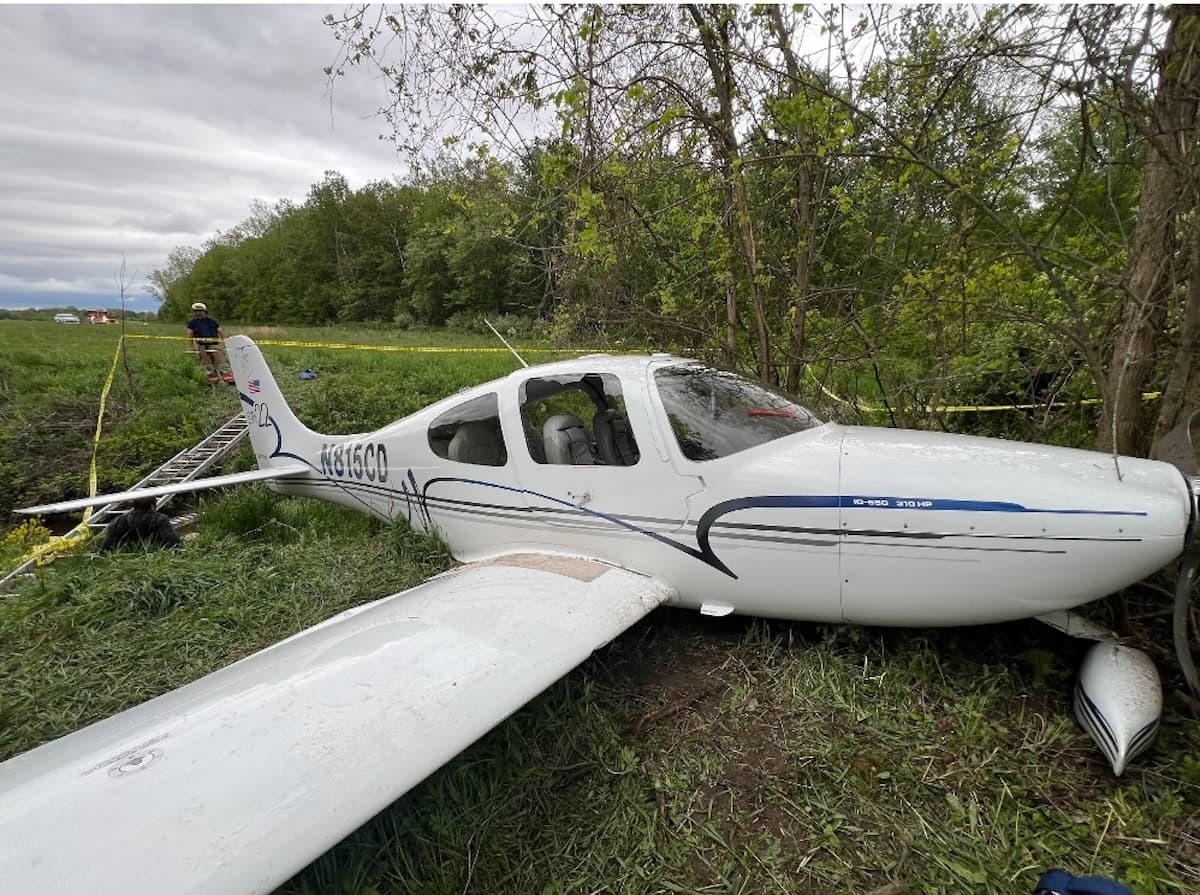
Probable Cause: The pilot’s failure to maintain control while landing on a wet turf runway, which resulted in a runway excursion and impact with trees. Contributing to the accident was the pilot’s failure to ensure the passenger’s proper use of seatbelts before the landing.
Piper Ends Up in Watermelon Field After Pilot Changes Mind About Rejected Takeoff
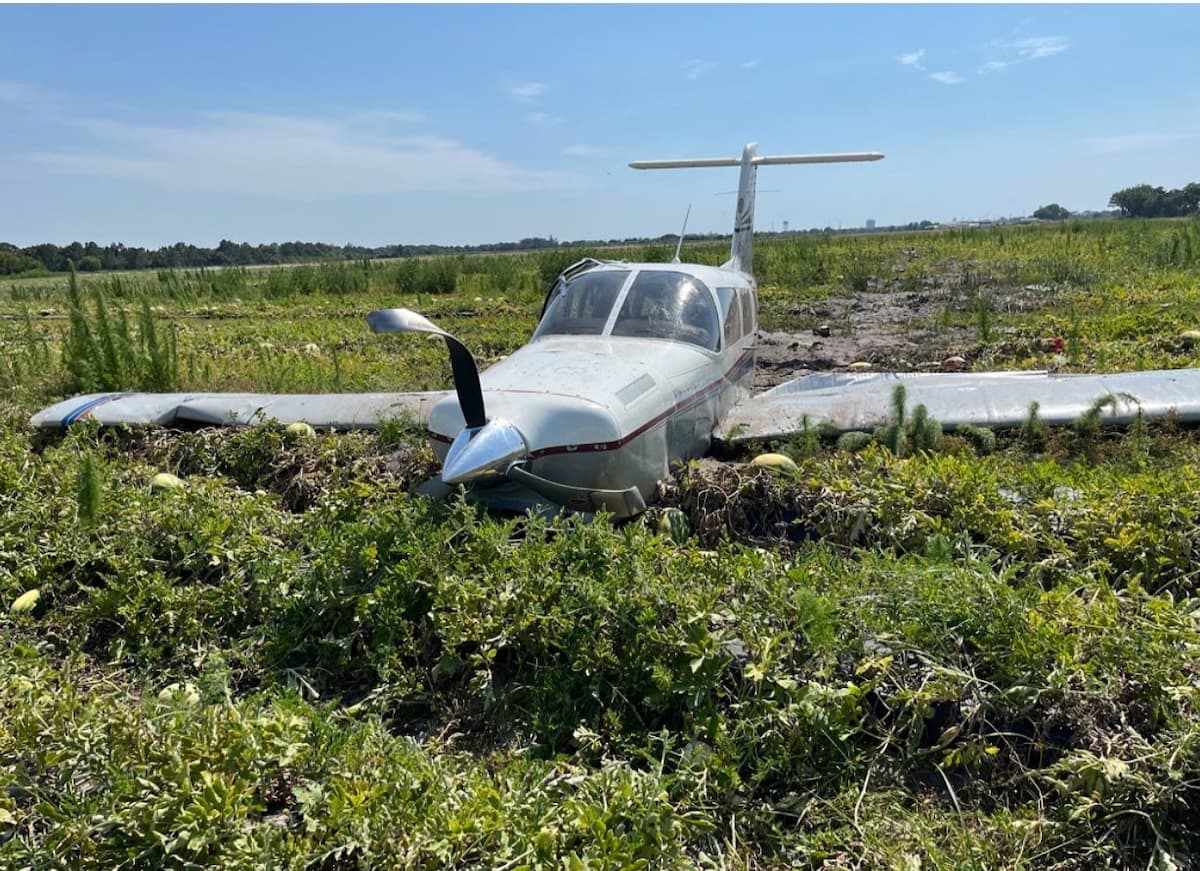
Probable Cause: The pilot’s improper decision to re-attempt a takeoff with little runway remaining, after rejecting a takeoff in gusting wind conditions, which resulted in a runway overrun at a higher speed and collision with terrain.
Delayed Fuel Transfer Led to Vintage Jet Trainer Forced Landing
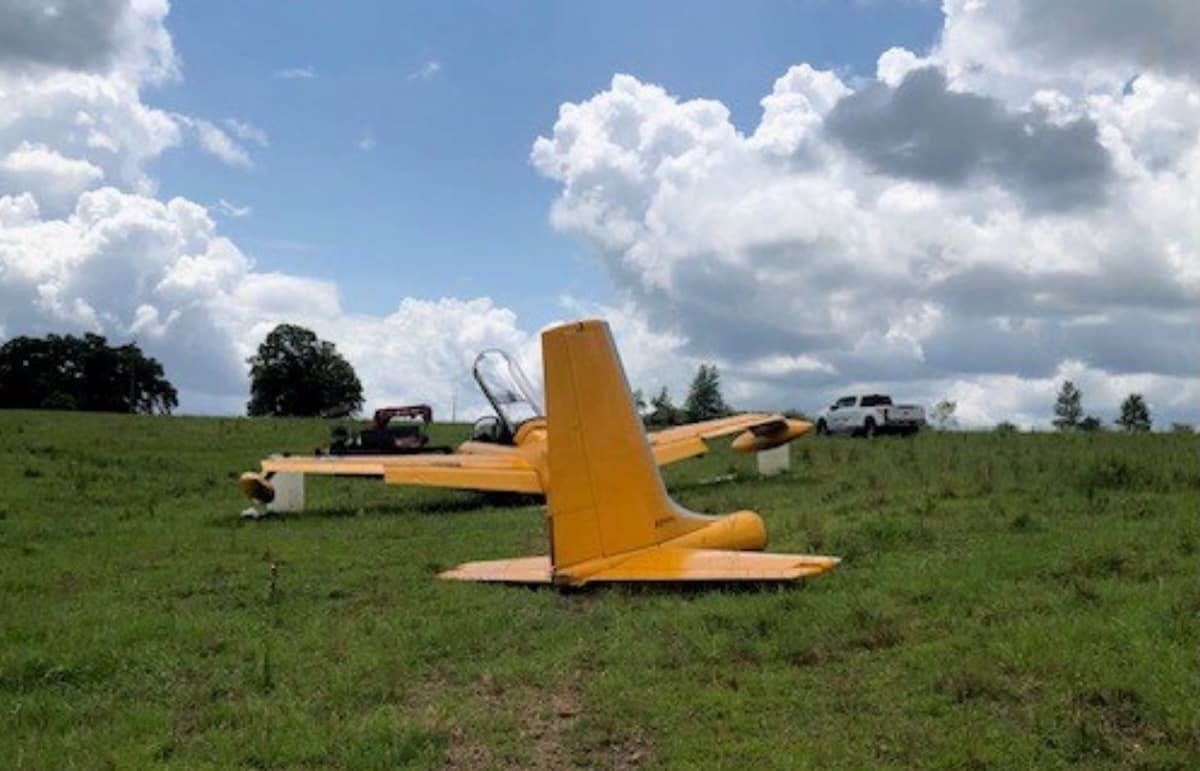
Probable Cause: The pilot’s delay in turning on the fuel tip tank transfer pumps after departure, resulting in fuel starvation to the engine, engine flameout, and a subsequent forced landing.
NTSB Recommends FAA Update Runway Condition Assessment Matrix

Following investigations into 11 runway overrun accidents, the NTSB has issued three safety recommendations to the FAA to update its runway condition assessment matrix for heavy rainfall.
CFI’s Fear of Past Engine Failure Leads to Rushed Landing
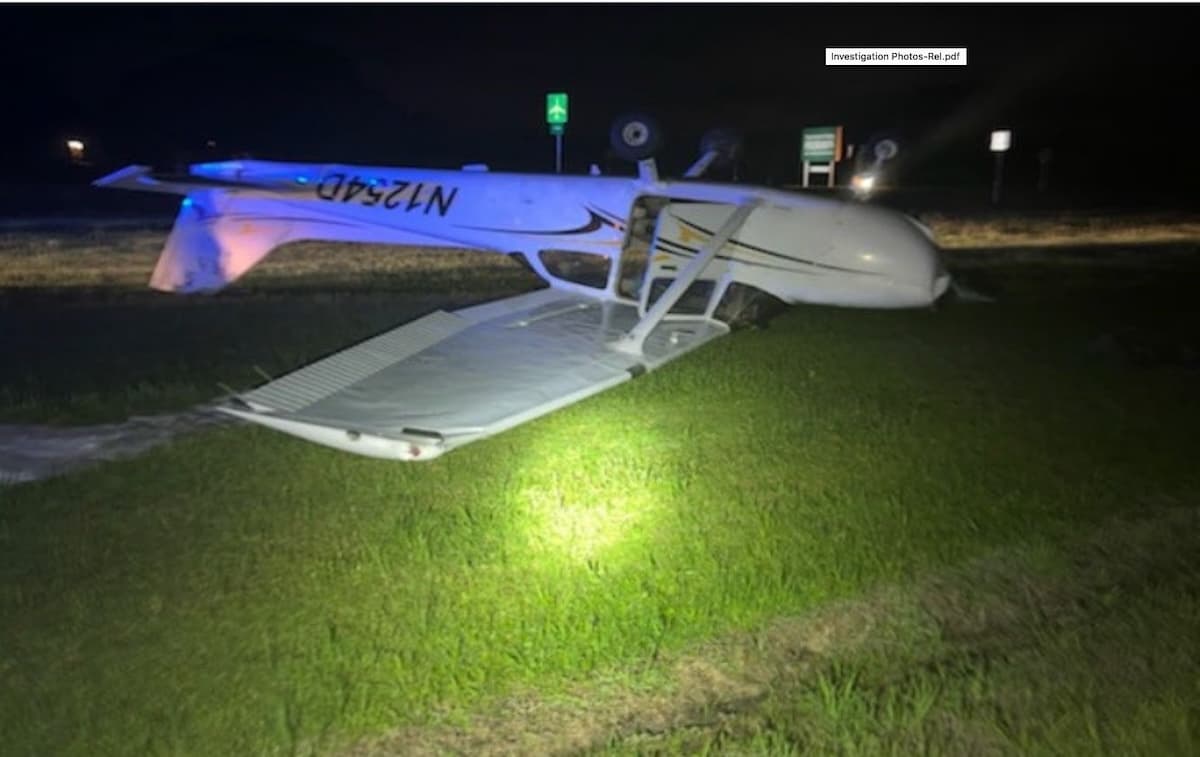
Probable Cause: The flight instructor’s failure to attain a proper touchdown point during a precautionary landing, which resulted in a runway excursion during landing.
Hot Day, Heavy Airplane Bad Combination for Pilot and Two Passengers
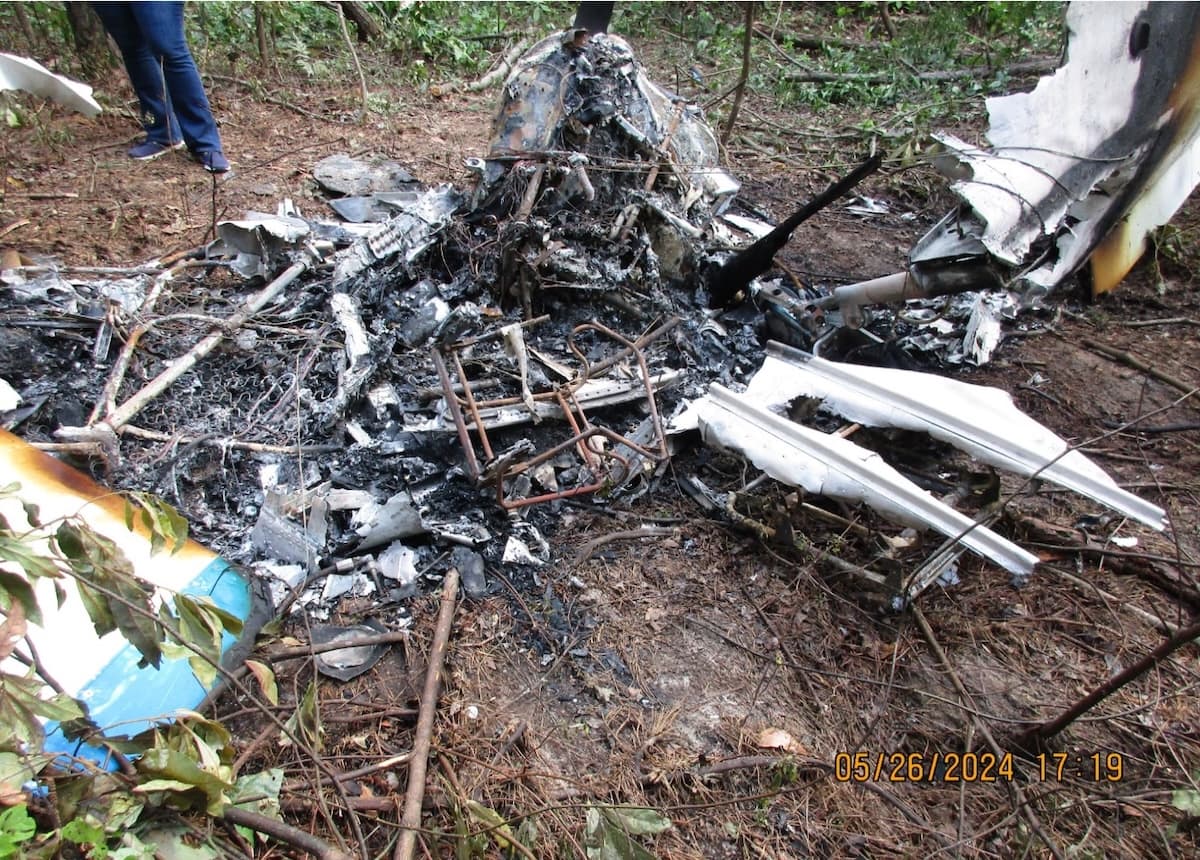
Probable Cause: A loss of engine performance due to carbon fouling of three spark plugs that, when combined with the airplane’s high gross weight condition, resulted in a collision with trees and terrain.
Biplane Pilot Loses Control During Return to the Airport
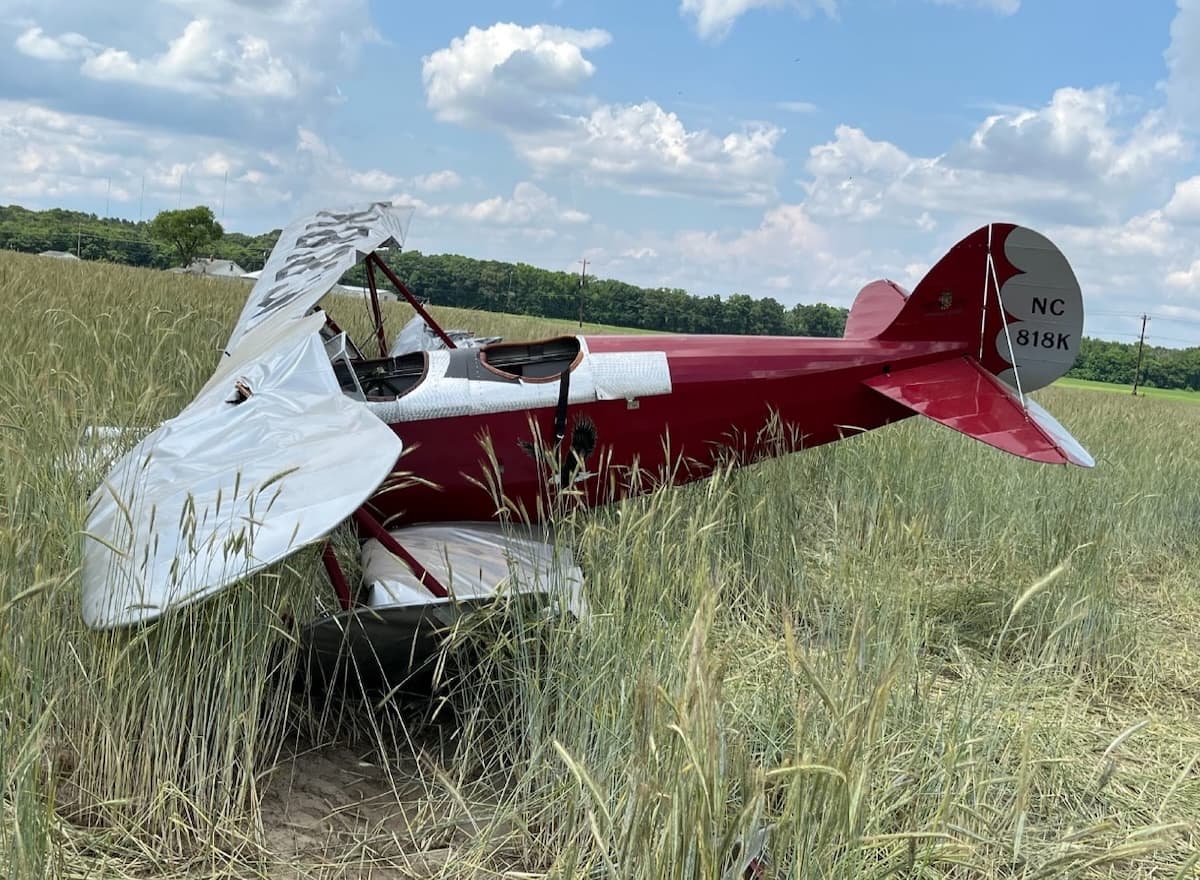
Probable Cause: The pilot’s exceedance of the airplane’s critical angle of attack, resulting in an aerodynamic stall and loss of control.