
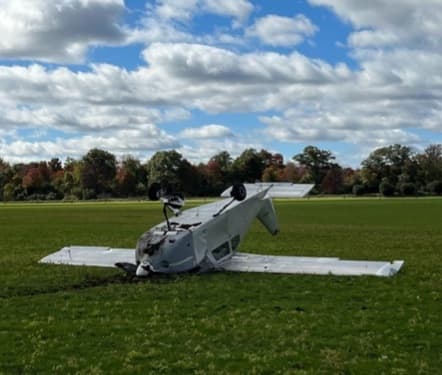
Probable Cause: The improper installation of the supplemental ignition system, which resulted in a total loss of engine power.
NTSB
Human Factors: Safety in numbers?
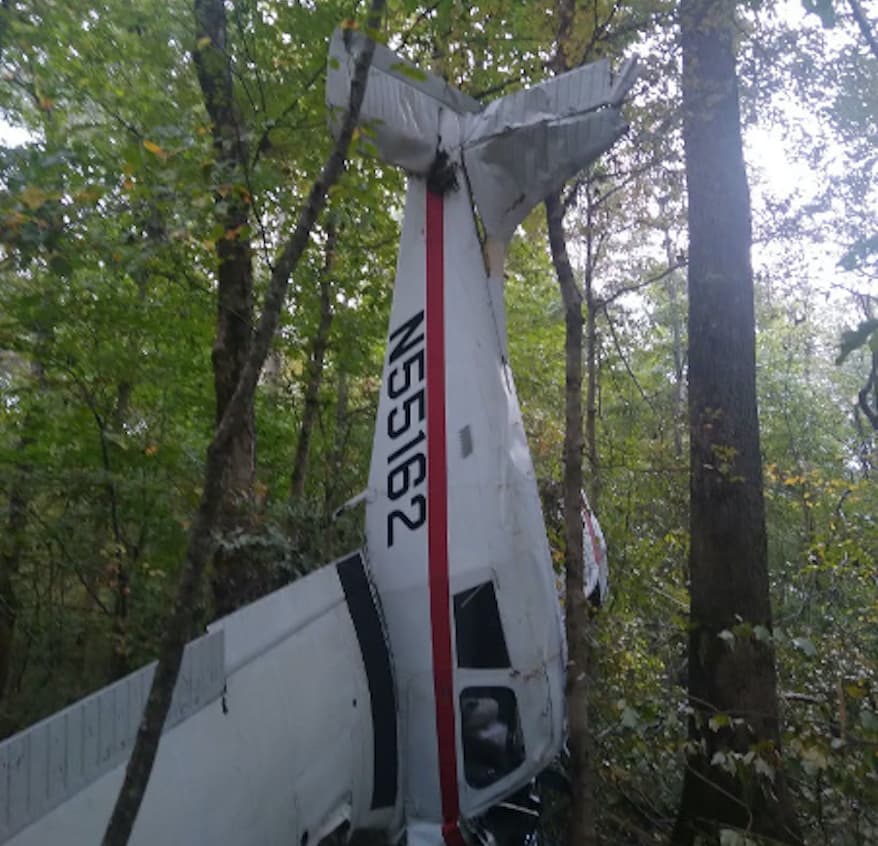
The big takeaway from this accident is clearly that flying as a crew requires good communication and a clear discussion of who is responsible for each aspect of the flight. If we really want to take a page from airline crew resource management, duties should be divided up, rather than duplicated.
Carb ice leads to forced landing in a field
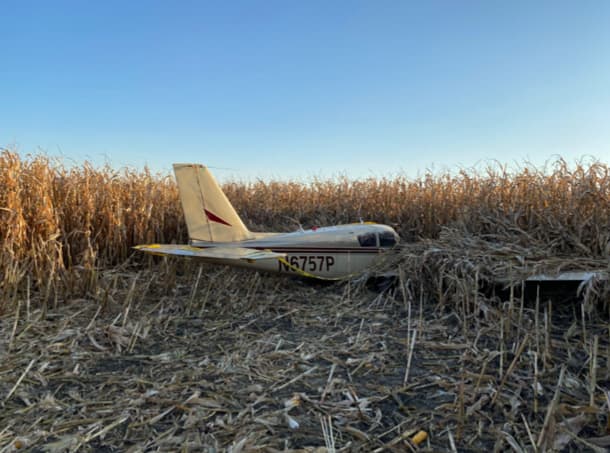
Probable Cause: A total loss of engine power due to the formation of carburetor ice.
Fuel exhaustion ends flight early
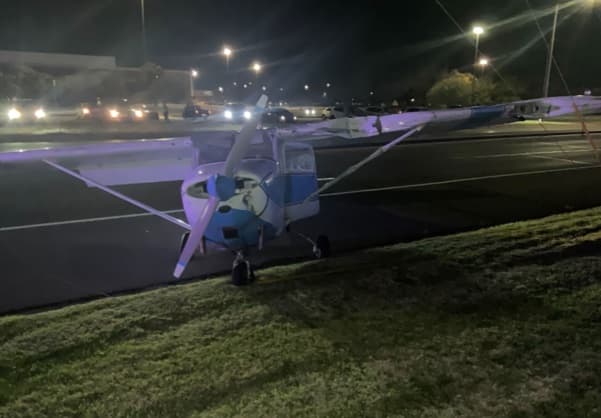
Probable Cause: The pilot’s inadequate preflight inspection and fuel planning and improper in-flight decision-making, which resulted in a total loss of engine power due to fuel exhaustion.
Pilot focuses too much on open engine cover and too little on flying the airplane
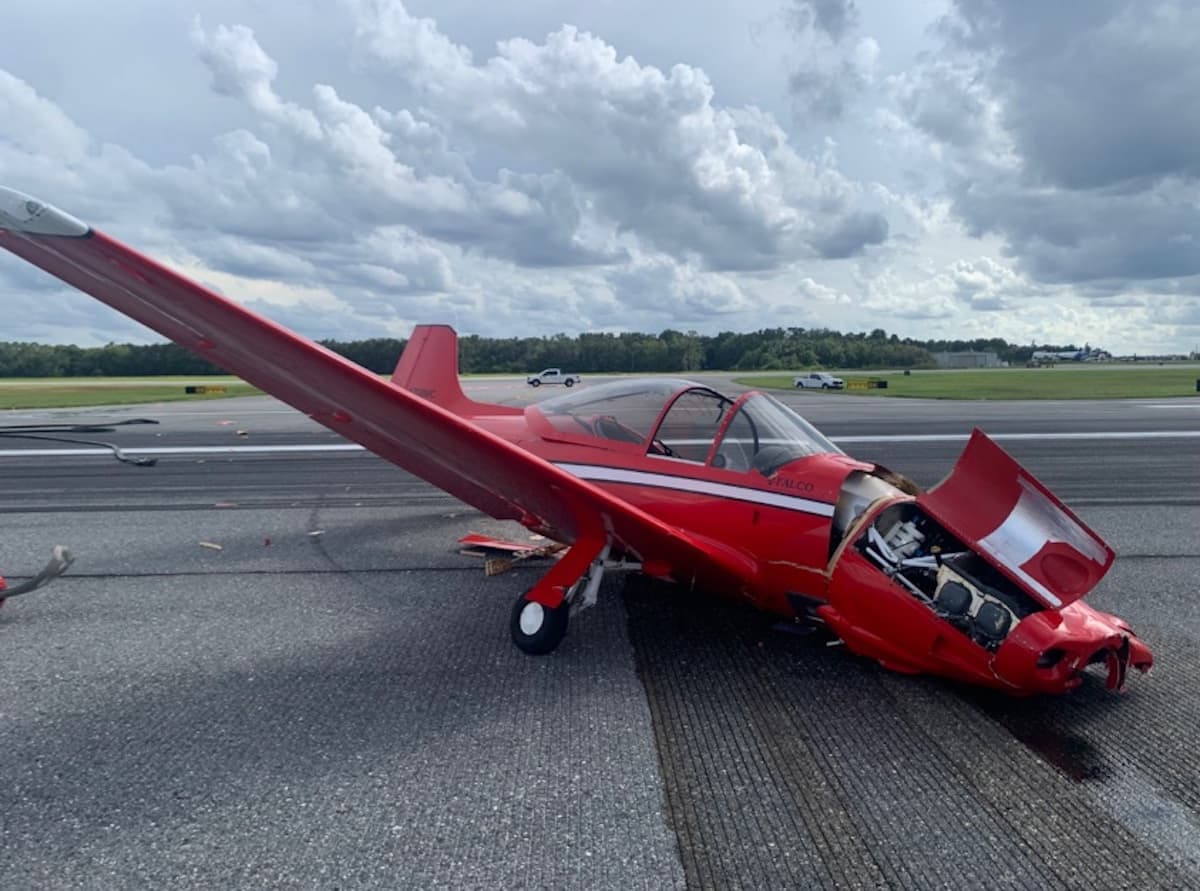
Probable Cause: The pilot’s failure to maintain airplane control after an engine access cover opened during the initial climb.
Student crashes into windsock
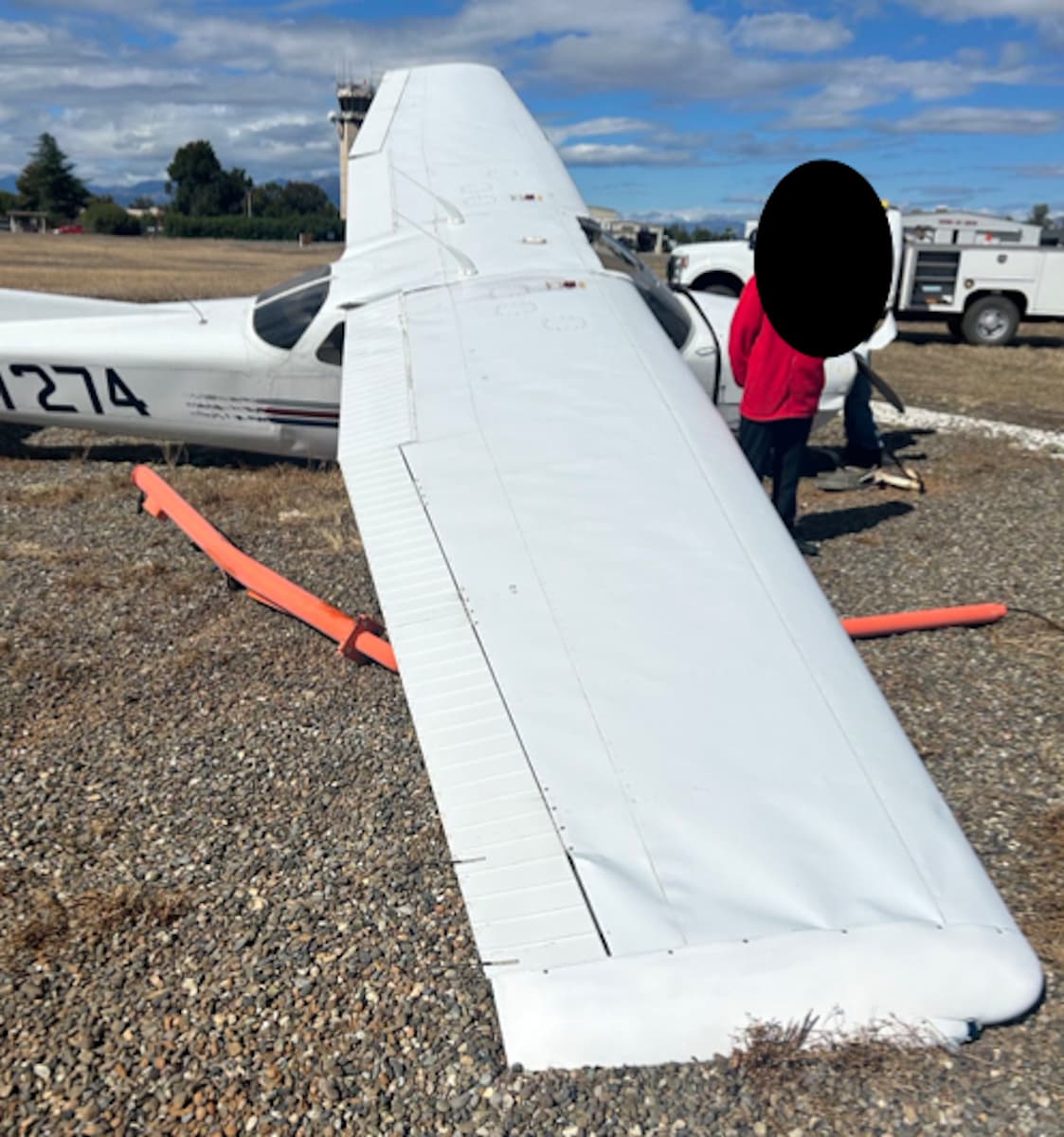
Probable Cause: The student pilot’s loss of airplane control during takeoff, which resulted in a bounced landing and impact with the airport’s windsock.
Fatigue failure leads to forced landing

Probable Cause: A total loss of engine power due to the fatigue failure of a retaining circlip in one of the No. 2 crankshaft cheek counterweights, which resulted in liberation of the counterweight.
Instructional flight ends in field due to fuel starvation
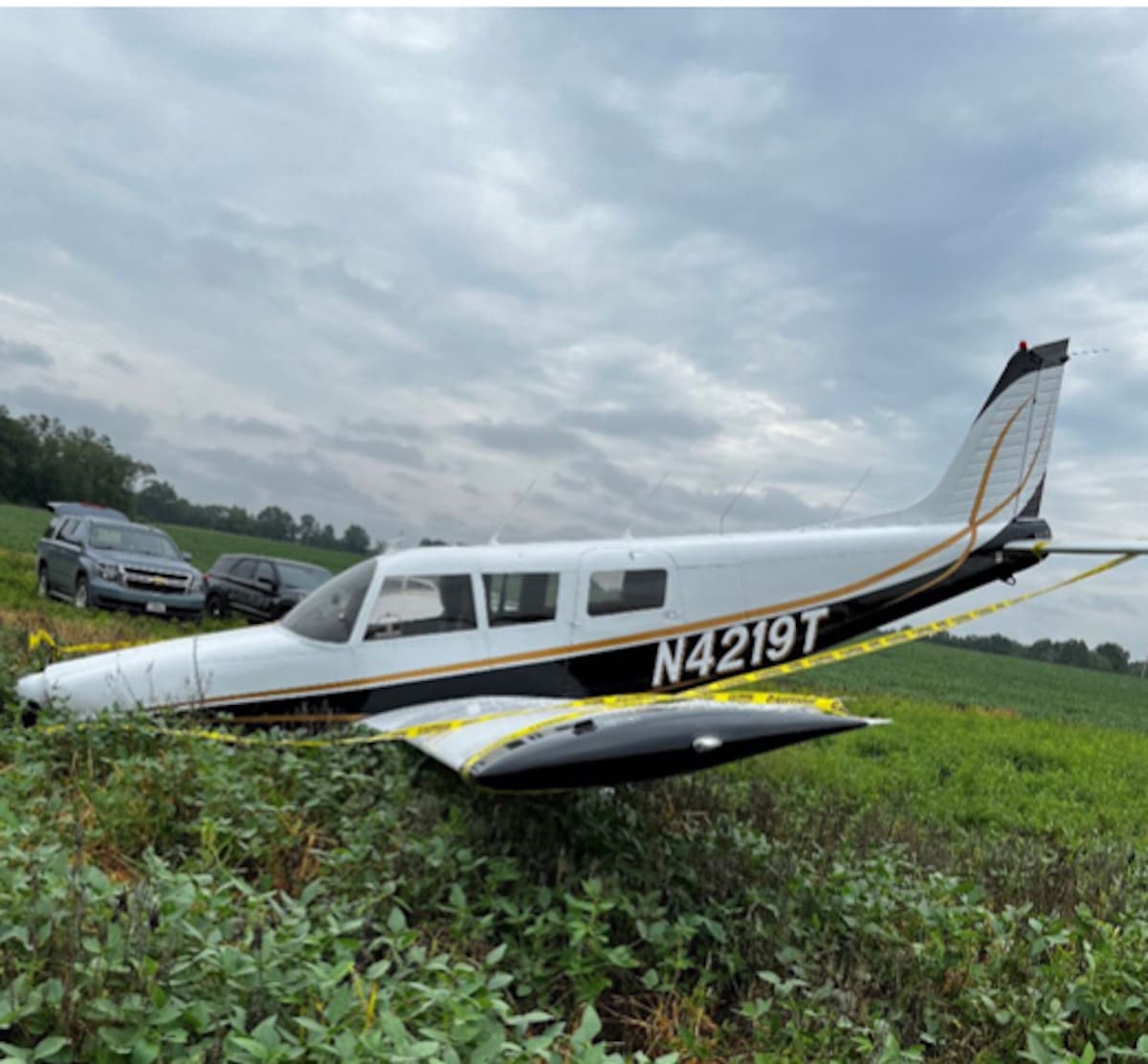
Probable Cause: The flight instructor’s inadequate fuel management that resulted in fuel starvation and a total loss of engine power during an approach for landing.
Bounced landing bends Bellanca
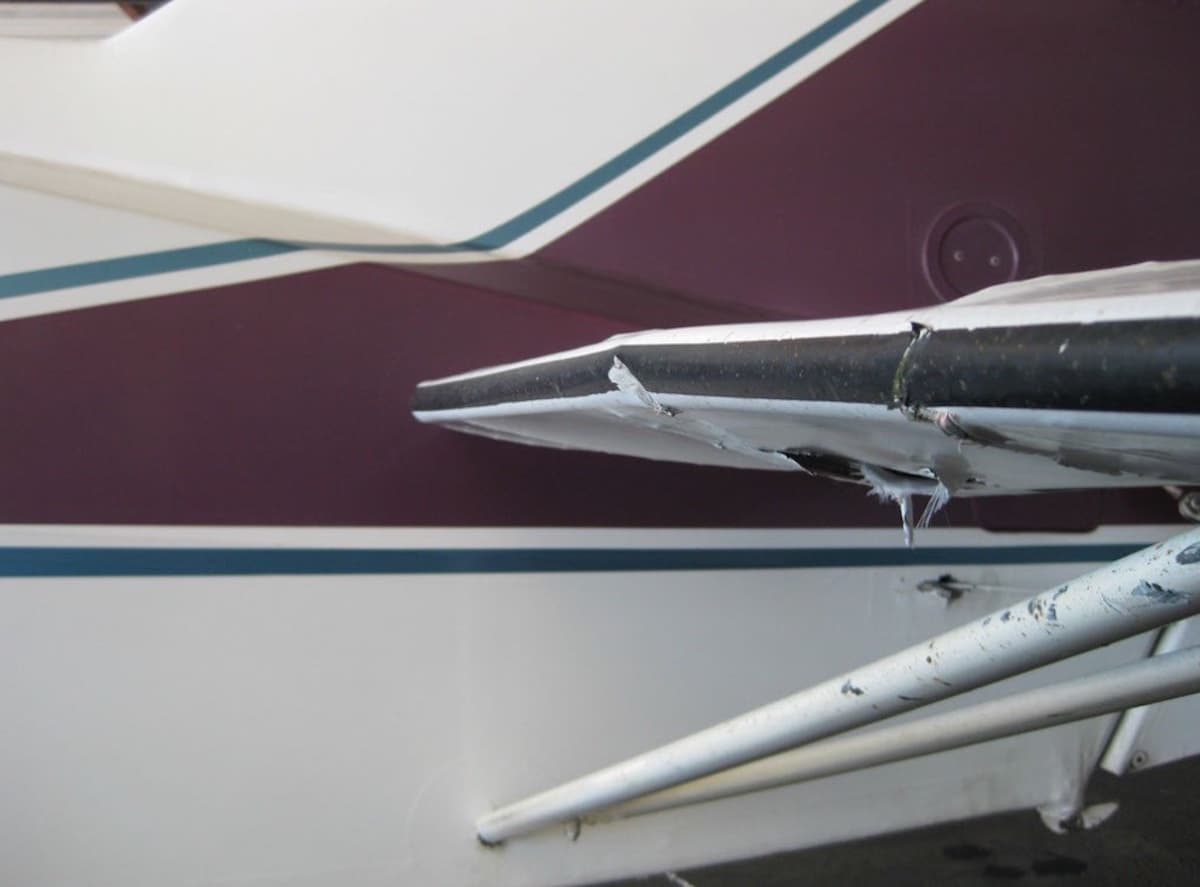
Probable Cause: The pilot’s failure to maintain control of the airplane during the aborted landing, which resulted in a collision with a taxiway light.