

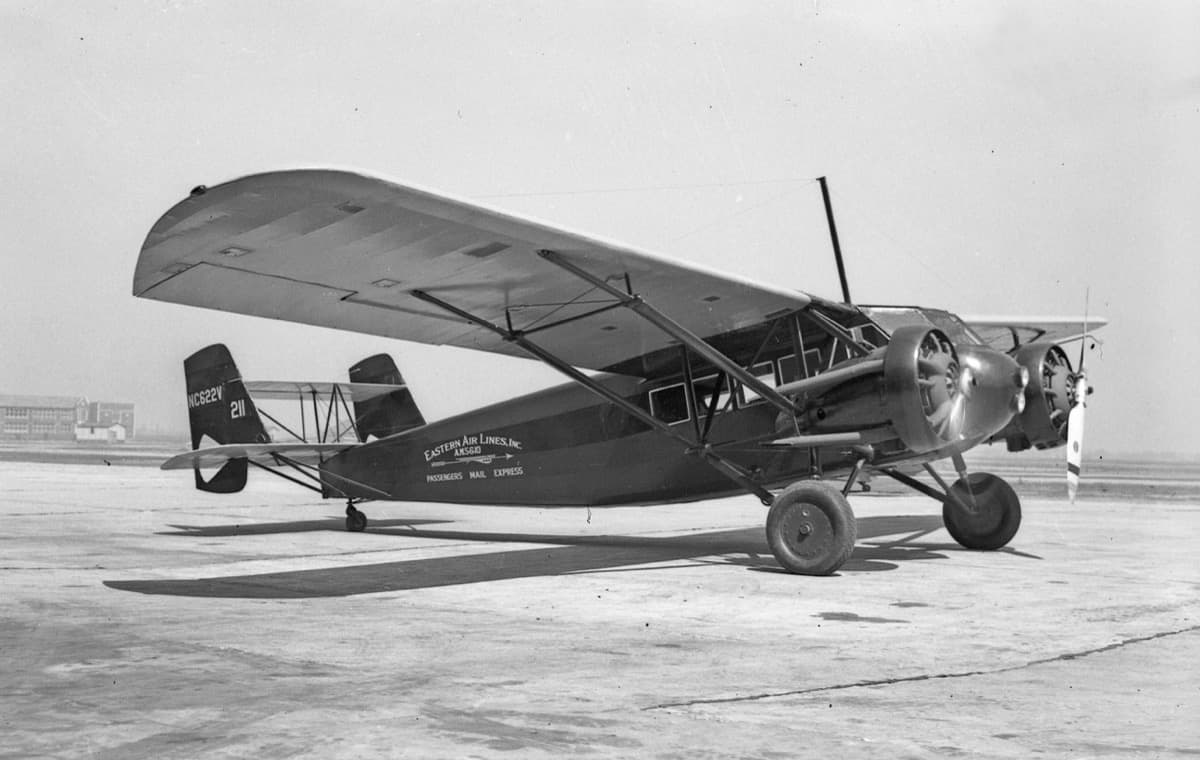
Say “Curtiss Aircraft” in a crowd of enthusiasts, and people will likely envision the World War I Curtiss Jenny biplane trainer, or the World War II P-40 Warhawk, or perhaps the classic interwar general aviation fabric cabin monoplane, the Curtiss Robin.
You could drill down through a number of other Curtiss machines — airplanes that made Curtiss the leading U.S. airplane manufacturer in the decade spanning 1919-1929. But you’ll have to go to arcane lengths to discover the small twin-engine airliner Curtiss built in 1929 called the Model 55 Kingbird.
The Kingbird capitalized on the enhanced safety features, both real and perceived, said to accrue from multi-engine transports.
Enlarging on the single-engine Thrush under development at the same time, the Curtiss team designed the Kingbird with a bobbed snout that enabled its twin propeller arcs to overlap the nose, giving the Kingbird a narrow spread between the two engines that would not be possible otherwise. Curtiss touted this feature for diminishing the asymmetrical thrust of single-engine performance in the Kingbird.
Only 19 Kingbirds were built. The short production run was likely a victim of bad timing.
The prototype was introduced in May 1929, but the Kingbird was not available until the summer of 1930, with the spectacular start of the Great Depression creating a financial crevasse between those two times.
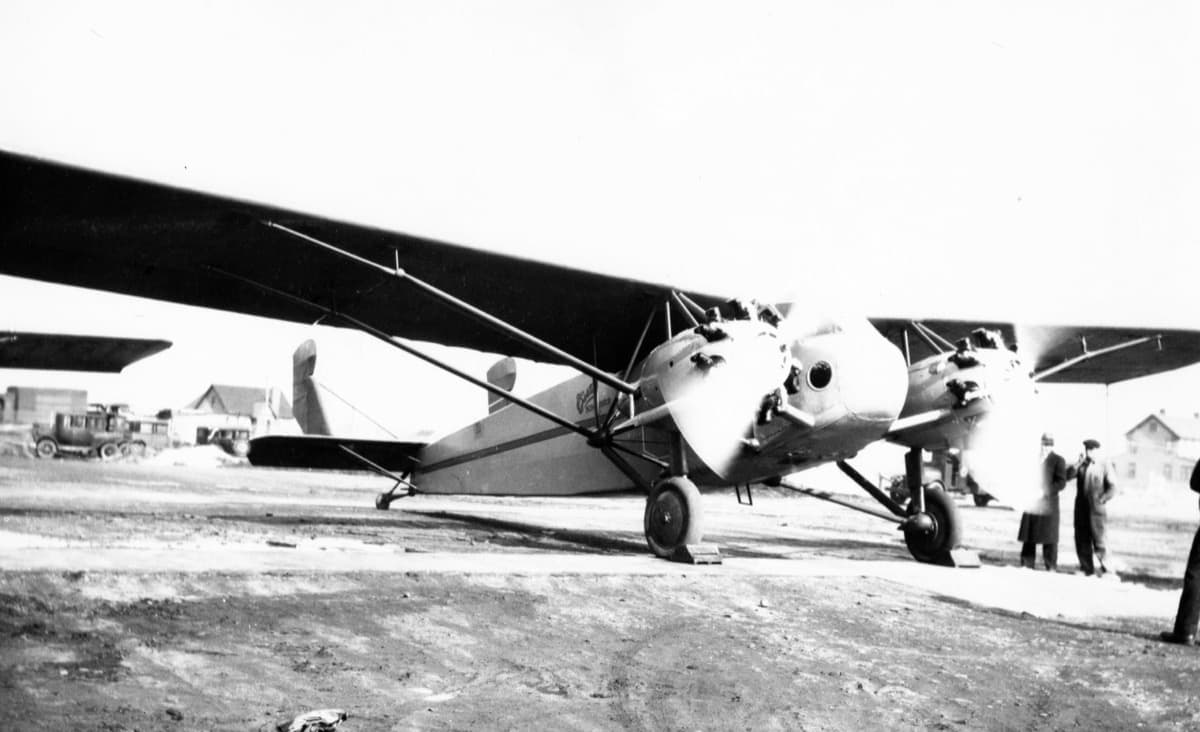
The prototype used a pair of Curtiss Challenger six-cylinder radial engines, each producing less than 200 horsepower. Power reserve margins were considered too low, so the Challengers were replaced by Wright J6 radials, upping the output to 225 to 240 horsepower. Production Kingbirds flew with Wright Whirlwind radials of 300-330 horsepower, distancing themselves from the earlier concerns over power levels.
The D-2 model of the Kingbird set the tone for the type. D-2s were built at the Curtiss-Robertson establishment in St. Louis, Missouri. The major customer was Eastern Air Lines, purchasing 14 Kingbirds. Able to seat seven passengers plus the pilot, Eastern’s D-2s flew routes including New York to Miami. Some Kingbirds were modified to accommodate more cargo and mail. Some of the airline’s Kingbirds flew for Eastern into 1935.
With two Wright J6 engines of 300 horsepower each, the D-2 Kingbird cruised at 112 to 122 mph, according to multiple sources, and could coax a top speed of 142 mph. Stall speed was 65 mph, according to historian Joseph P. Juptner. Ceiling was listed as 16,000 feet and cruising range was 415 miles.
The D-2 Kingbird’s wing spanned 54 feet, 6 inches. The wing airfoil was a Curtiss C-72 design. The length of the Kingbird was 34 feet, 9 inches. Empty weight was 3,877 pounds. At gross weight, the D-2 weighed 6,115 pounds.
The Curtiss D-2 Kingbird revamped the horizontal tail surfaces of the original Kingbird design to create a boxkite, or biplane, set of two horizontal stabilizers, elevators, and rudders.
Either occupant of the two side-by-side front seats could fly the Kingbird, with a swing-over control wheel mounted to a central control column. Visibility for the pilot over the short nose was excellent. In the cabin, heaters and dome lights enhanced passenger comfort.
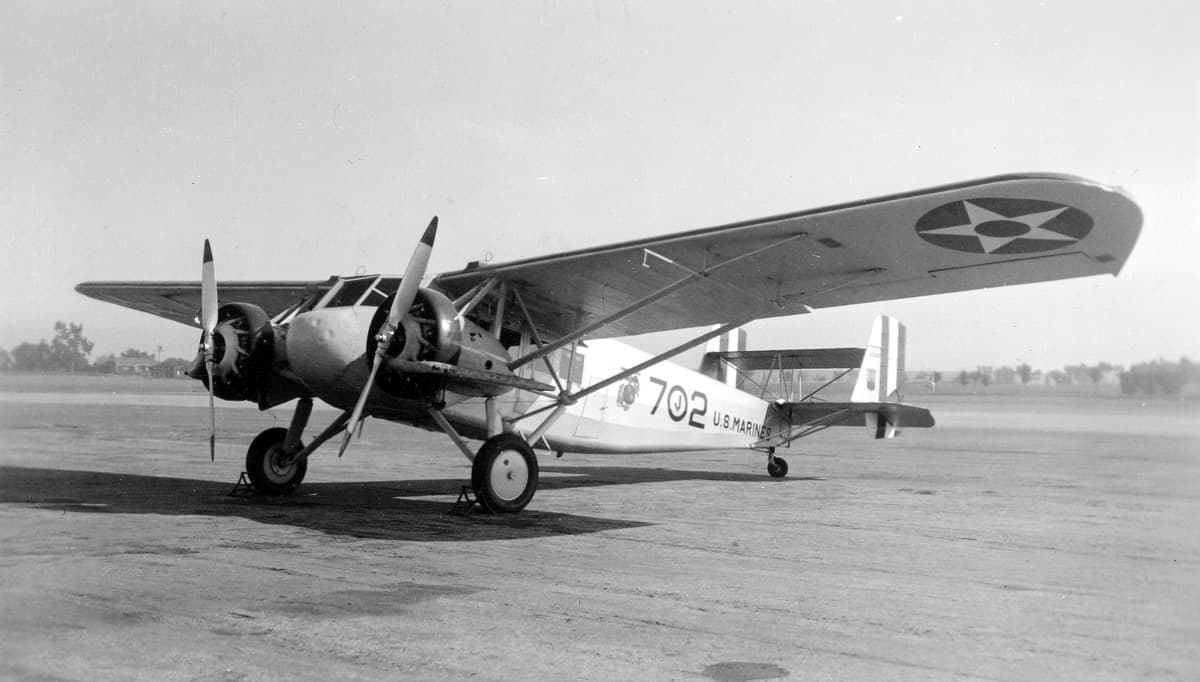
In a time when it was not unusual for the military to have small, sometimes single, quantities of aircraft in service, it was the Marine Corps that adapted a D-2 Kingbird as a flying ambulance. Nomenclature for this variant was RC-1.

Nice article! That first one, Kingbird D-2 NC622V, spent about 8 or 9 years flying for Alaska Coastal Airlines out of Juneau between 1943 & 1952. After the Eastern Air Lines gig, it was apparently rigged for crop dusting for a spell.
Enjoyed the story on the Curtiss Kingbird.
Amazing how it looks so similar to the recently announced Jabiru J432 Twin.