

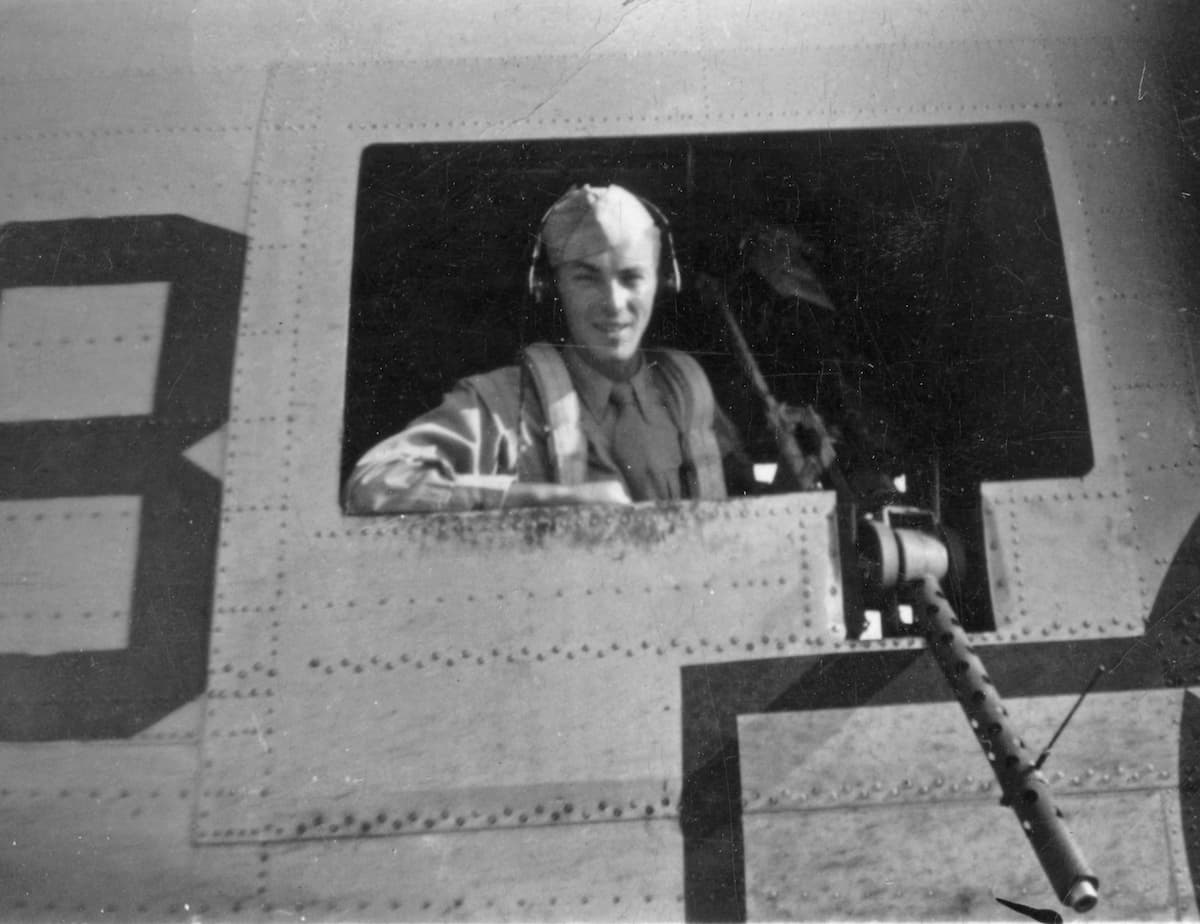
I look at these snapshots from World War II and I wonder how their owner’s life went in peacetime. Did he pass me on the street, unseen, unrecognized? Did he ever get thanks for his efforts in the war?
Massive Martin Mars migrating to museums

Coulson Aviation recently announced plans to place the air tanker Hawaii Mars in the British Columbia Aviation Museum (BCAM), not far from where the huge seaplanes flew, while Philippine Mars will go to the world-class Pima Air and Space Museum in Tucson, Arizona.
Can you pick a panel for a plane?

Can you look at an instrument panel and tell what airplane it belongs to?
Navy’s factory went small with the SA-1

Designed and manufactured at the Naval Aircraft Factory, the SA-1 was diminutive, simple, and open air, with small wheels complementing wooden landing skids.
Without a shadow of a doubt

From movie magic to high speed reconnaissance to a casual biplane hop, sometimes the best photo of the day isn’t of an airplane, but rather of its sun-blocking presence in shadow.
Ogden Osprey couldn’t outclimb the Depression
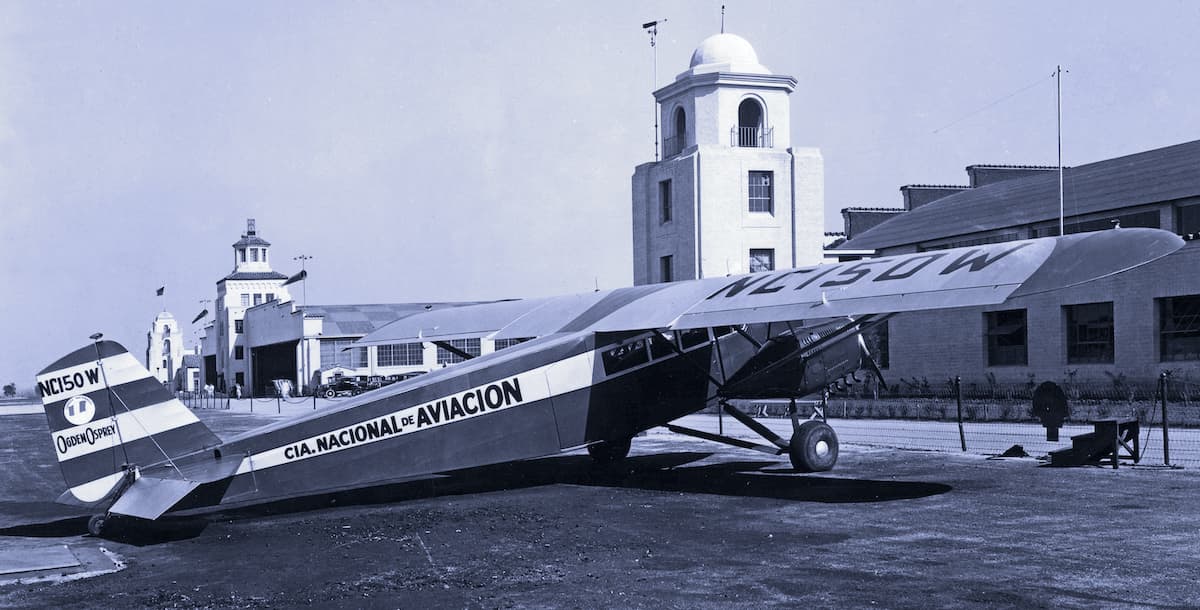
The Ogden Osprey sought a niche as a small six-place trimotor suitable as a business aircraft, a feeder, or air taxi vehicle. The 1929 stock market crash was a death knell for the new design.
Red Hawk joins long history of jet trainers

The family tree of long-term dedicated two-seat jet trainers in the Air Force has been a story of success evidenced by the decades of training service the T-33, T-37, and T-38 provided.
Heavy metal: The Junkers armored patrol plane

The armored Junkers J.I reached frontline units toward the end of 1917 during World War I. The biplane gained affection for the rugged protection it offered its crews, who flew at low altitudes to determine the ebb and flow of the front lines of combat.
Many happy returns for long-time Reno air race fans

As the final flag comes down in Reno for the National Championship Air Races, veteran reporter Frederick A. Johnsen looks back at the many years of racing in the Nevada desert.