

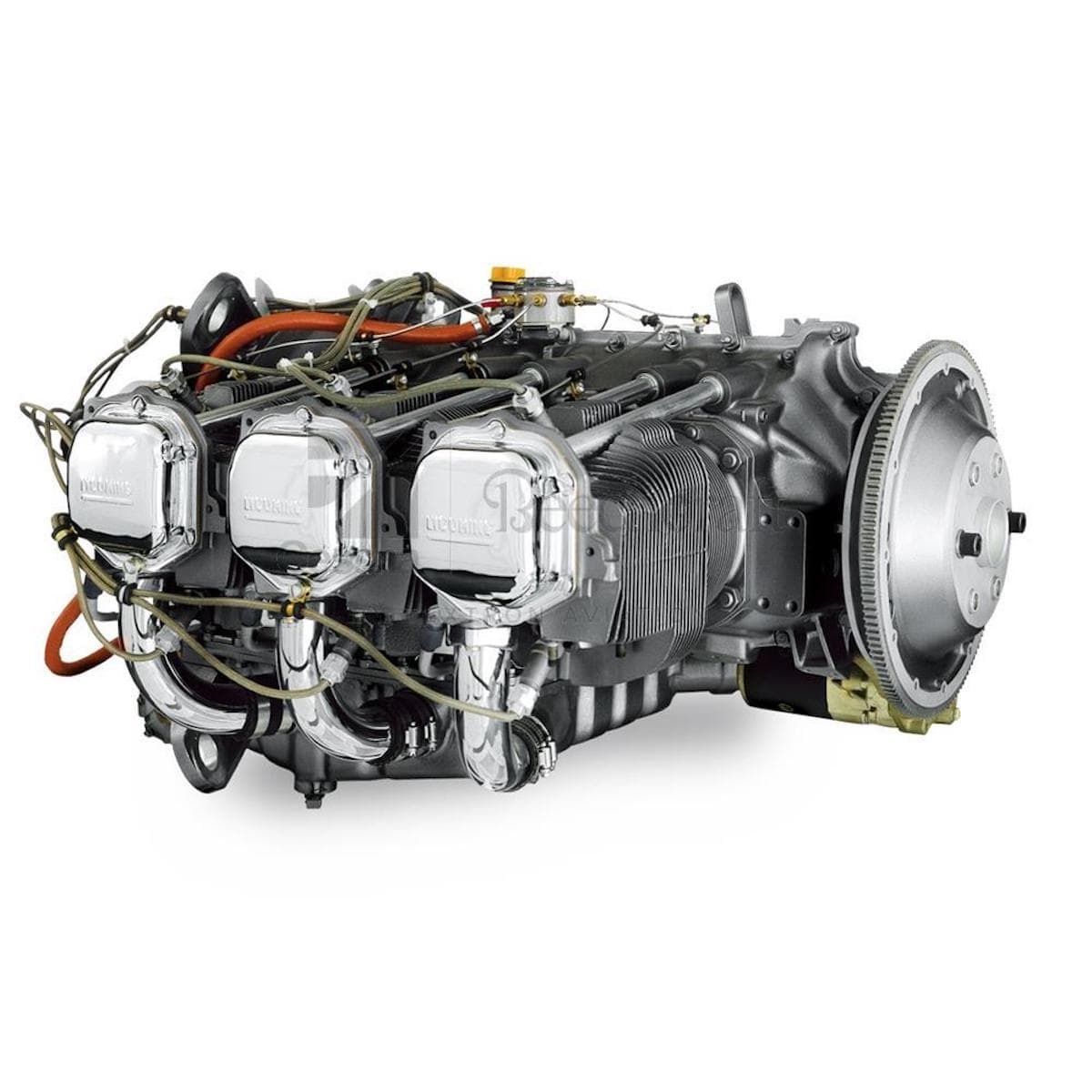
Question for Paul McBride, the General Aviation News engines expert: I purchased a 1971 PA-32 Cherokee 260 about 18 months ago. I did not do my due diligence in a pre-buy and did not consider the effects on an airplane engine with only 300 hours since rebuilt in 2012 that spent a lot of time in a hangar in New Jersey.
Another reader worries his engine is a ticking time bomb
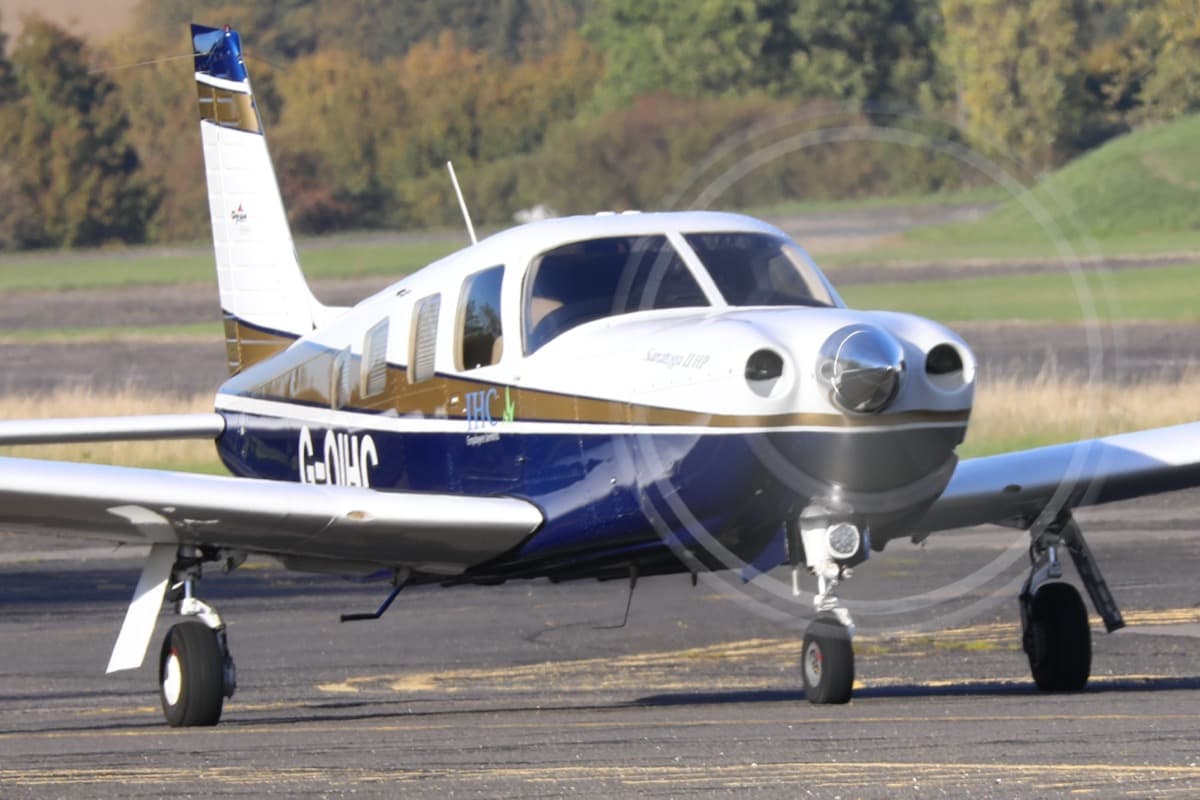
While waiting for a new engine, a reader wonders if he should worry about his existing engine, especially since he flies over open water a lot.
Ask Paul: What could cause this to happen?
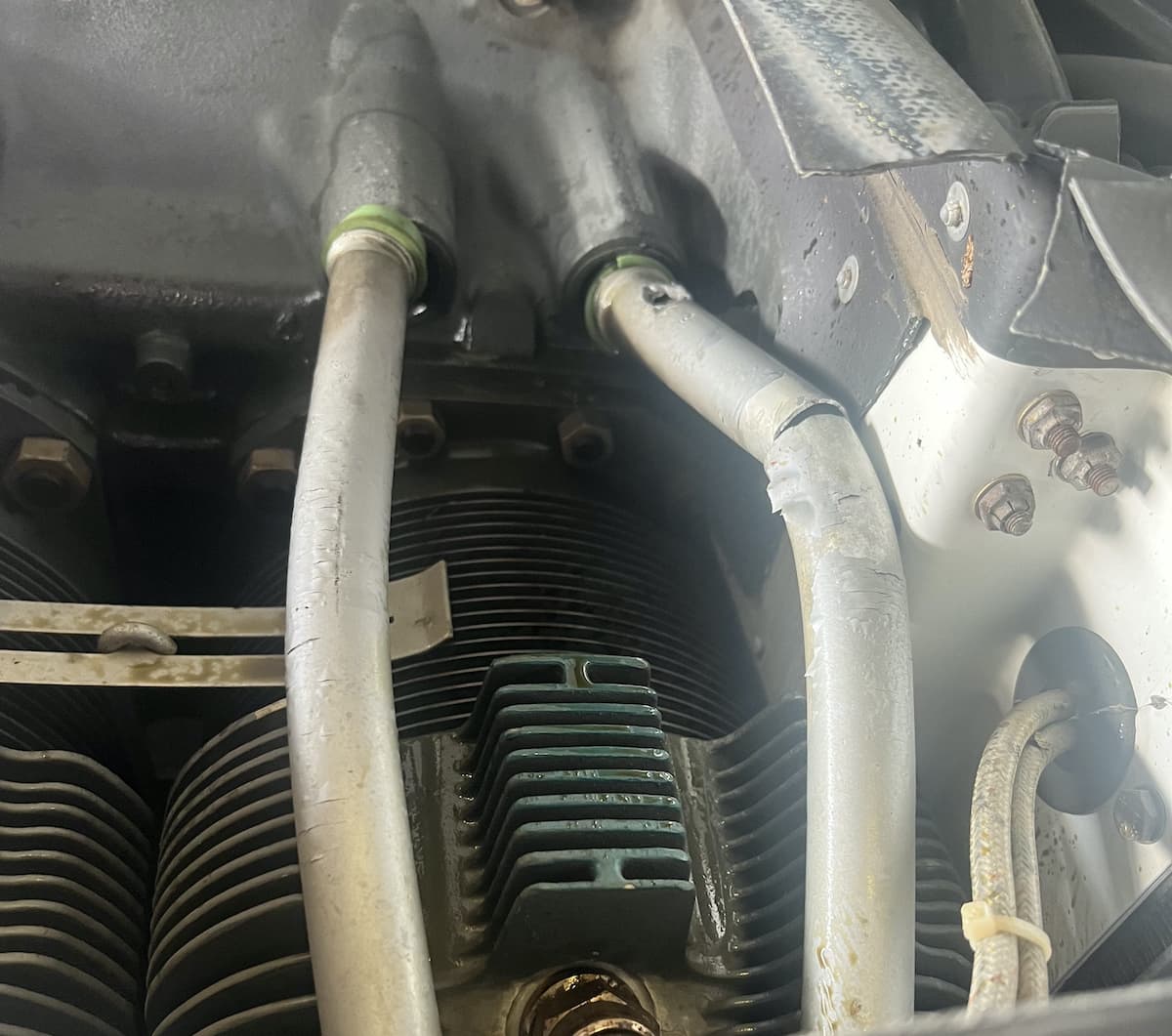
If you look closely at the photo, you’ll notice that the exhaust valve pushrod shroud tube on the right is bent severely and has fractured the pushrod shroud tube. The intake pushrod shroud tube is also bent, but you’ll also notice that this has caused much more serious damage because it has cracked the tappet boss on the crankcase, which means the crankcase will either need serious repair work completed at an FAA-approved facility or a complete replacement.
Ask Paul: Why is my engine running rough?
The engine on our Piper PA-28-235 runs OK at 2,000 rpms but runs rough at 1,500 rpms. Any insight you can give us to the problem?
Ask Paul: Is this crazing normal?
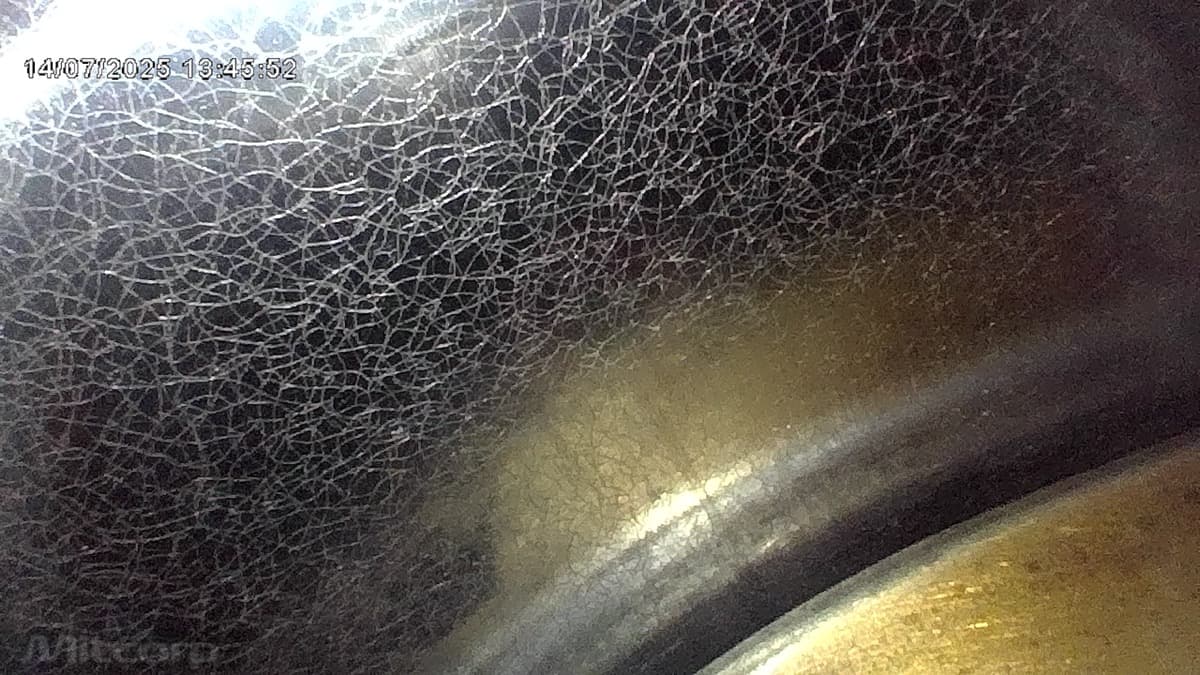
Those little “cracks” are actually channels for the oil to travel through as it lubricates the cylinder walls.
Why is my engine backfiring?

Question for Paul McBride, the General Aviation News engines expert: I have an engine that will backfire between idle and 1200 rpm. It runs great after that with plenty of power.
What’s causing the yo-yo oil temperatures in my Archer?

Sometimes it’s the simple things that cause you the most trouble.
Ask Paul: A picture tells the story

Question for Paul McBride, the General Aviation News Lycoming engines expert: I have a 1960 Piper Comanche. Can you identify the casting number on top of the engine?
Ask Paul: Is this engine a ticking time bomb?

Question for Paul McBride, the General Aviation News engines expert: Checking with you about CHTs on Cylinders 5 and 6 reaching 445° on climb and cooling to about 400° after power reduction in cruise. This is in our PA-24 260B.