

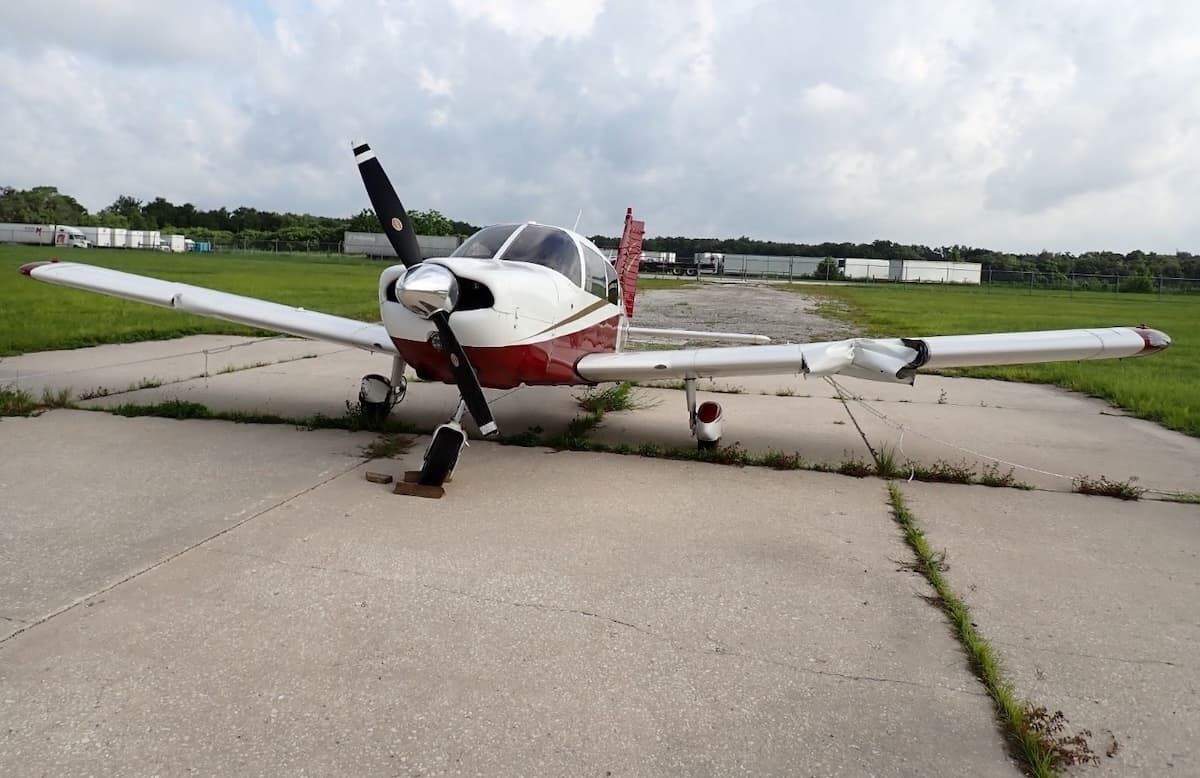
Probable Cause: A partial loss of engine power during initial climb due to fuel contamination that resulted from corrosion and loose corrosion debris in the carburetor, which restricted fuel flow to the engine.
NTSB Accidents
Training Flight Ends With Serious Injuries When CFI Fails to Apply Carb Heat
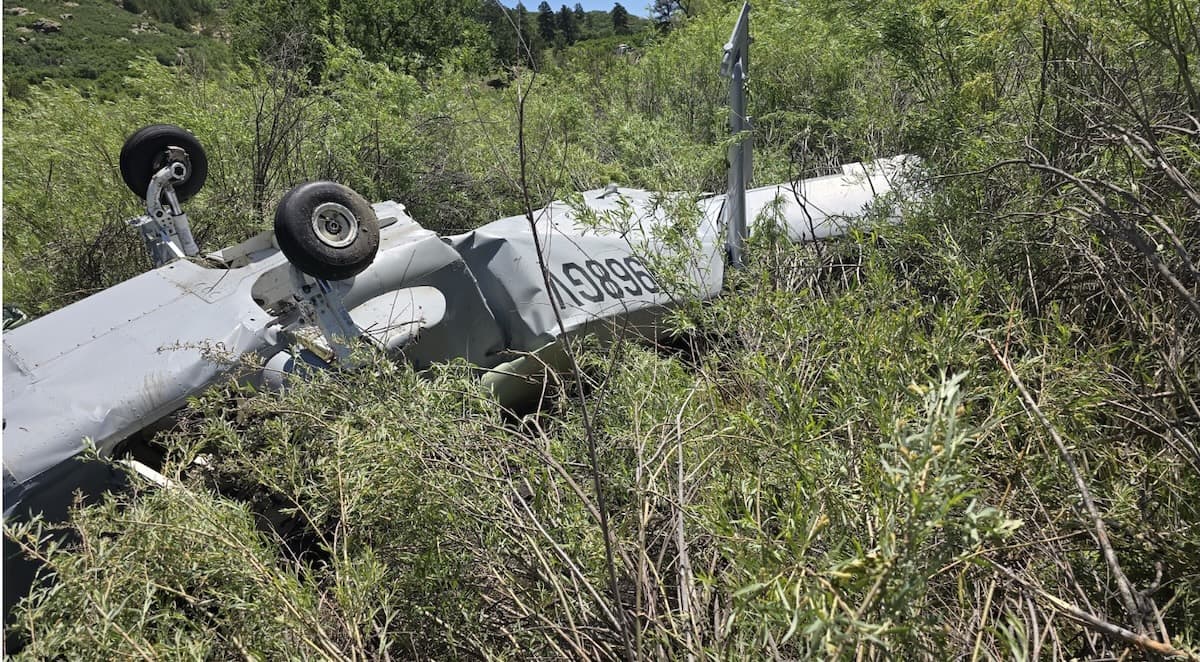
Probable Cause: The flight instructor’s failure to apply carburetor heat, which resulted in a loss of left engine power due to carburetor icing.
Unauthorized Use of Auto Fuel Contributes to Air Tractor Crash
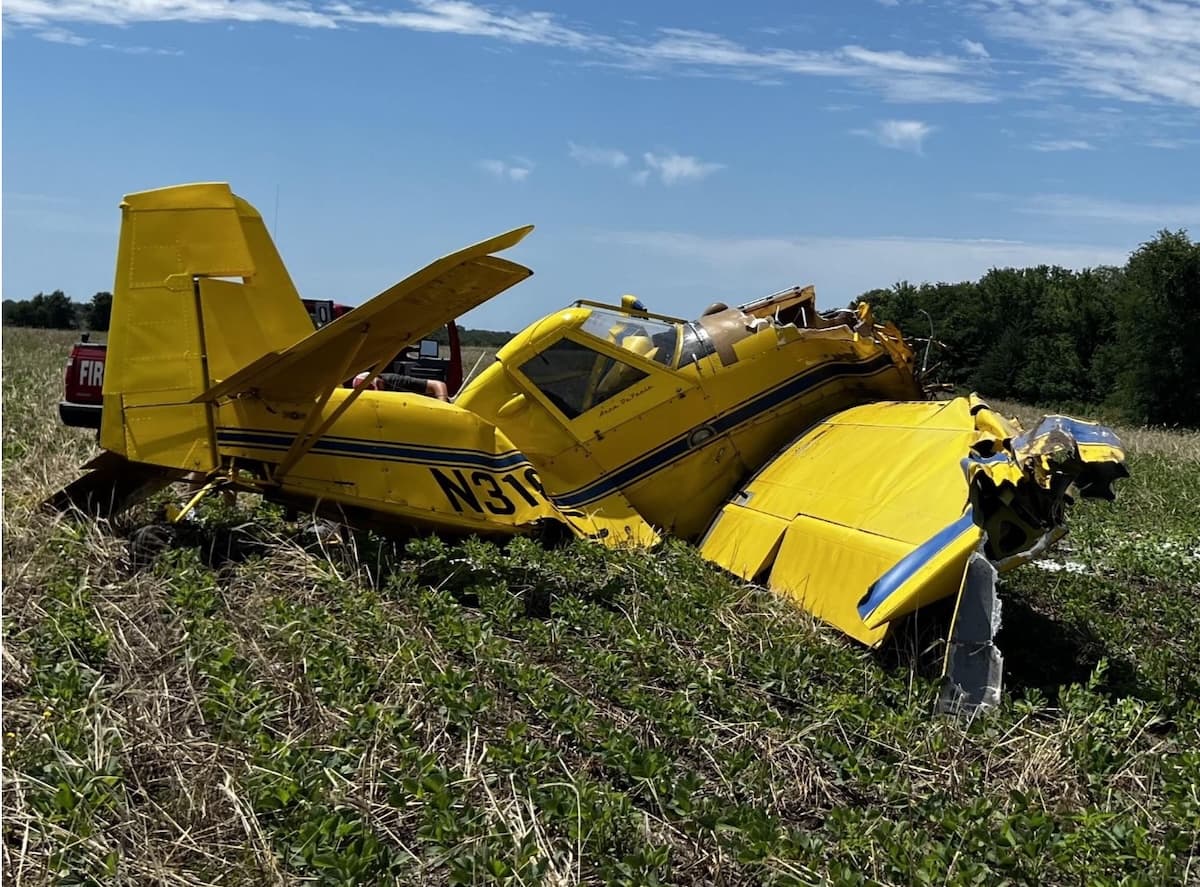
Probable Cause: The pilot’s inability to maintain altitude and airspeed during cruise flight likely due to a decrease in engine performance associated with the unauthorized use of automobile fuel, which led to an inflight collision with a tree and hard landing.
Rough Air, Low Altitude Bad Combination for Piper Pilot
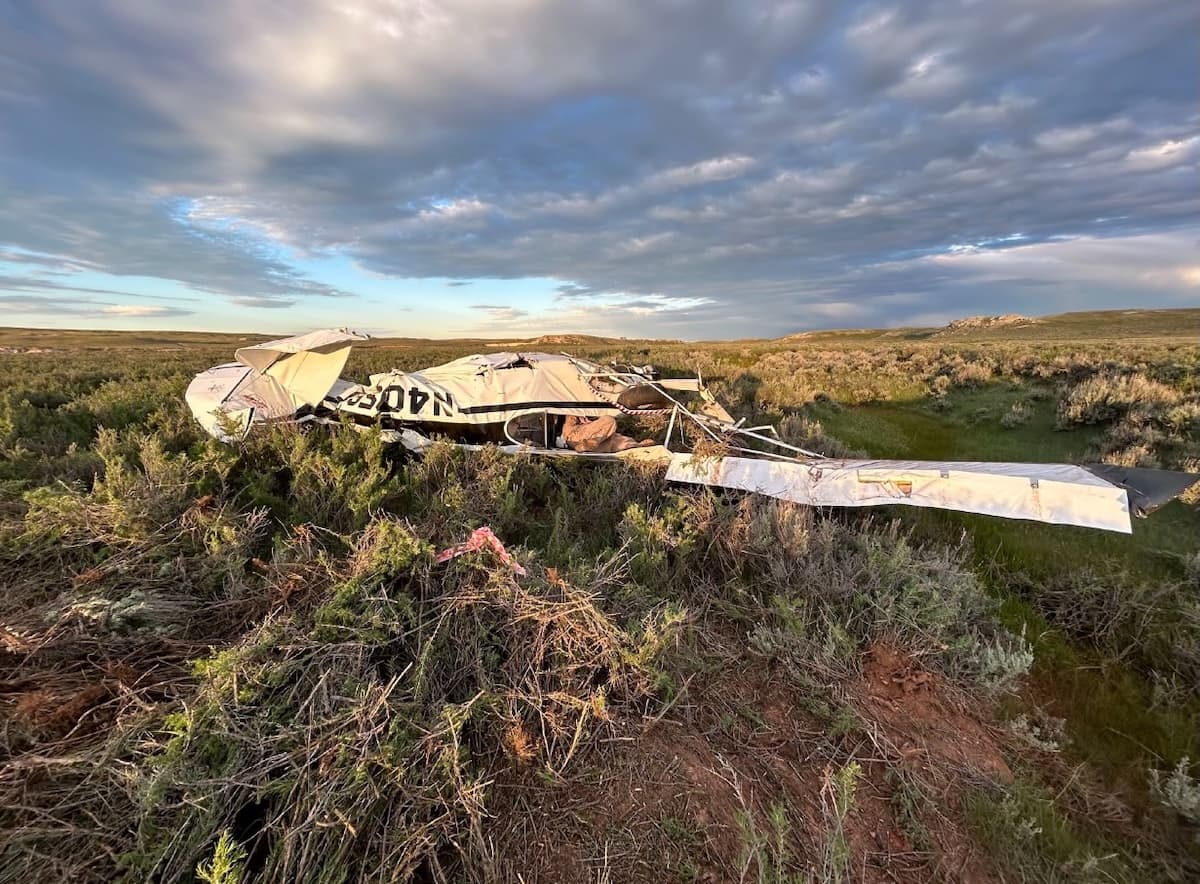
Probable Cause: The pilot’s failure to maintain clearance from terrain while conducting low-level altitude operations, following an encounter with wake turbulence.
SeaRey Crashes When Muffler and Tailpipe Separate From Plane During Flight
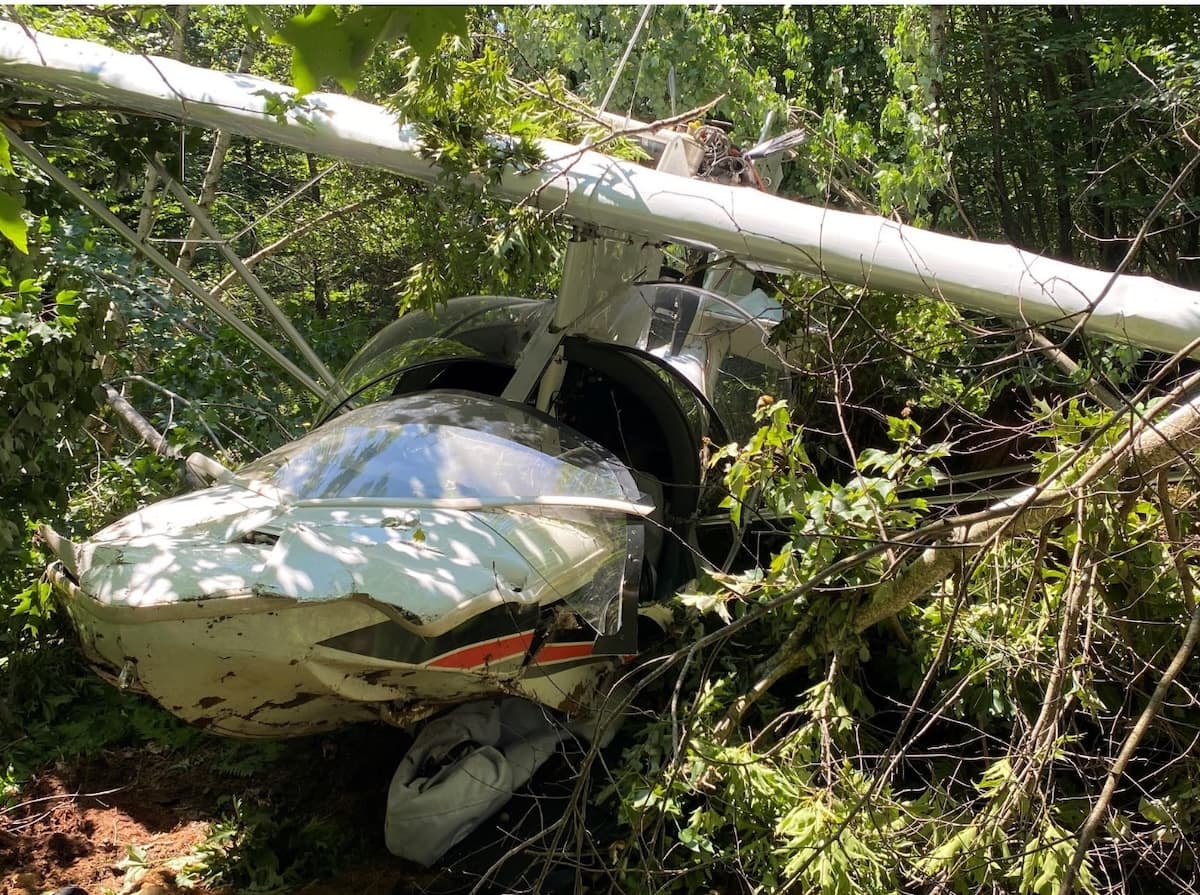
Probable Cause: A total loss of engine power due to the exhaust muffler and tailpipe assembly separating from its attach points and impacting the propeller.
Missing Hardware Leads to Experimental’s Crash
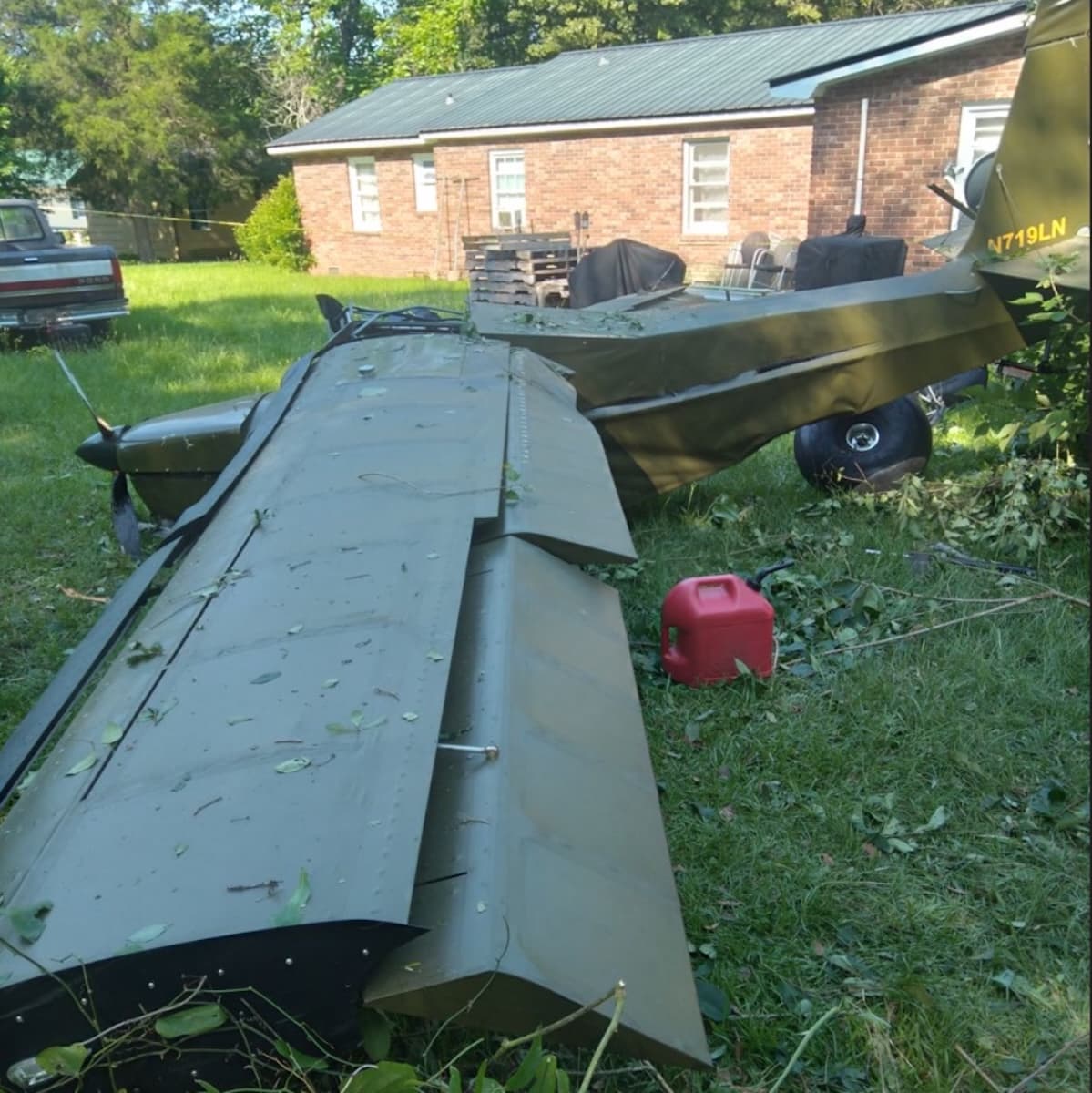
Probable Cause: The loss of elevator control during flight due to the elevator control rod and its hardware disconnecting from its installation area, which resulted in an uncontrolled descent into trees and terrain. Contributing to the accident was the pilot’s inadequate inspection of the airplane and improperly performing the condition inspection without holding a repairman certificate.
Plane Ends Up in Swamp When Pilot Loses Control During Go-Around
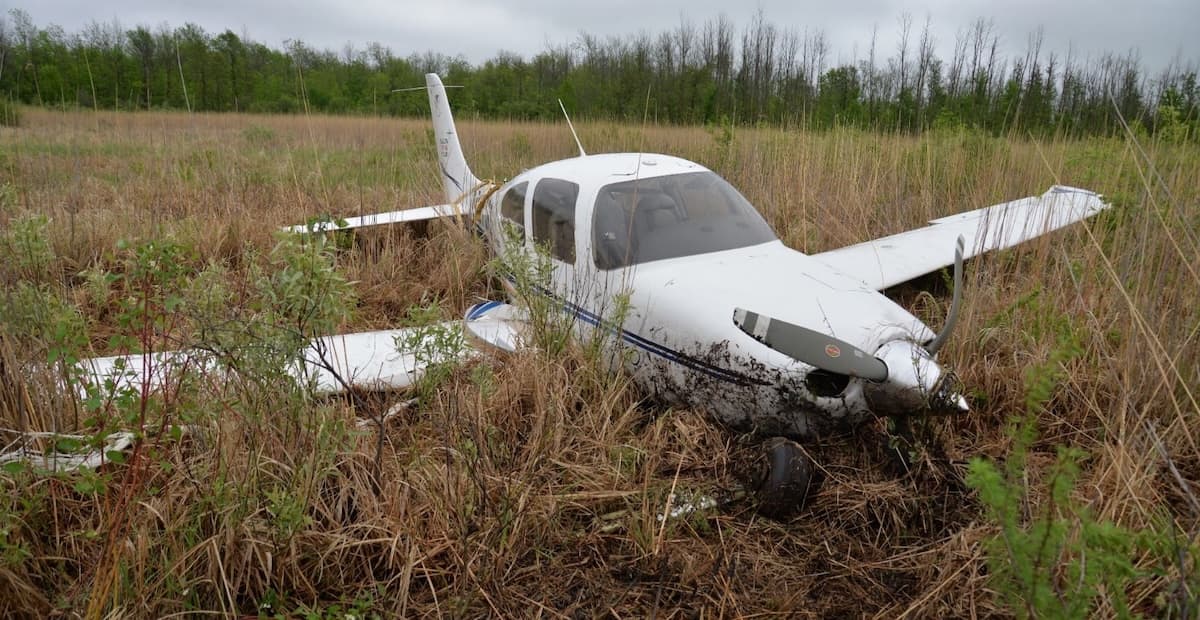
Probable Cause: The pilot’s failure to maintain adequate airspeed, which resulted in a loss of airplane control during the go-around. Contributing to the accident was the pilot’s failure to properly configure the airplane’s flaps during the go-around.
Aeronca Crashes in River

Probable Cause: A total loss of engine power due to carburetor icing as a result of the pilot’s delayed application of carburetor heat.
Severe Turbulence, Airplane Issues Distract Pilot on Landing
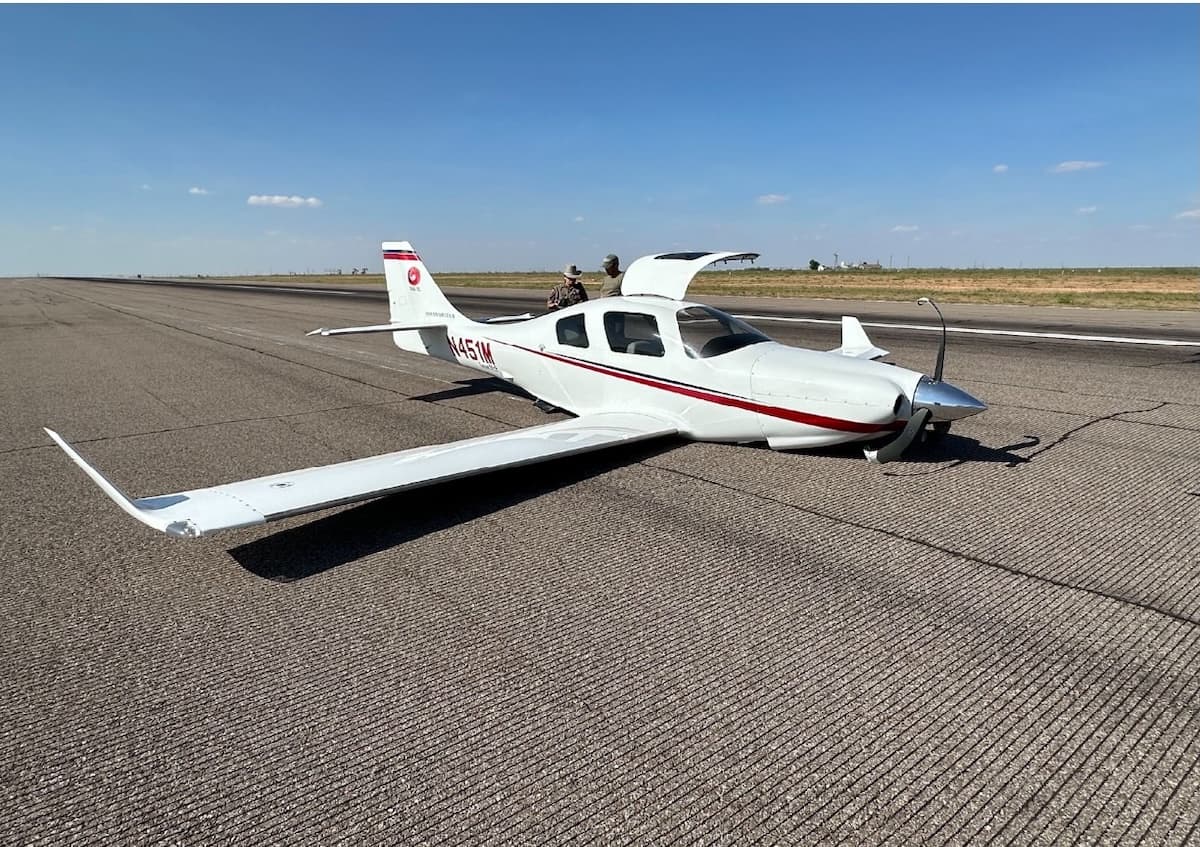
Probable Cause: The pilot’s failure to extend and verify landing gear extension which resulted in a wheels-up landing. Contributing was the increased workload due to several airplane issues that occurred during the descent in severe turbulence.